

How Scanxiety Affects Mental Health and Physical Recovery





Last updated on 21 Feb 2026
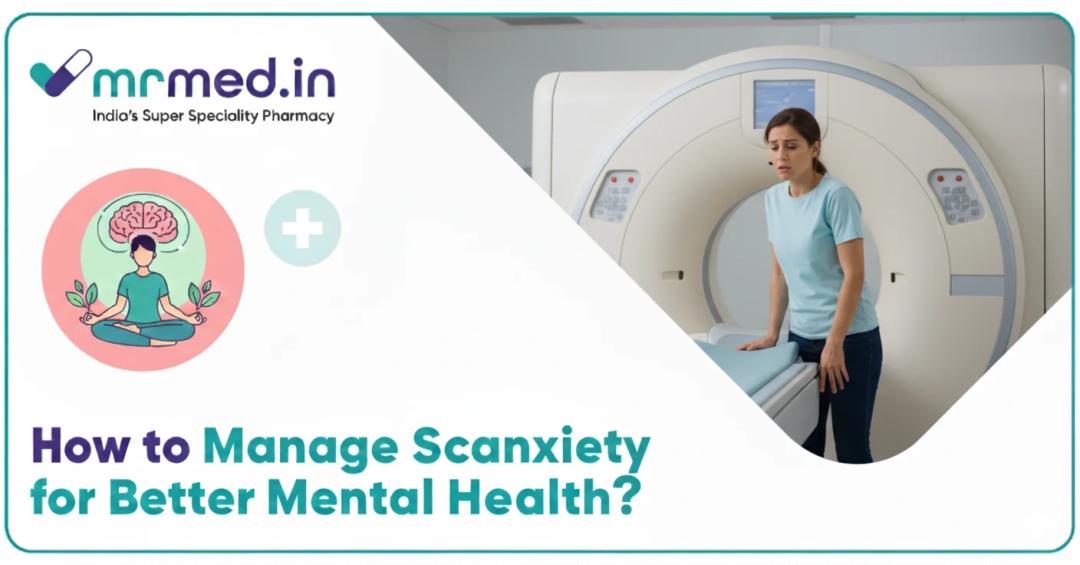
Waiting for a medical scan or its results can feel like standing on a cliff edge, time slows, thoughts spiral, and sleep breaks. This emotional squeeze is common and real, and it doesn’t just live in your head; it can nudge your body, your choices, and even your recovery. This guide explains what’s going on, why it matters, and how to regain control.
What It Is and Why It Happens
Clinicians often use the term scanxiety to describe the spike in worry before imaging or while waiting for reports. For many, it blends mental health symptoms (racing thoughts, dread, irritability) with physical signs (tight chest, nausea, headache). Several triggers drive medical scans stress: past tough diagnoses, fear of bad news, uncertainty, noisy machines, and reminders of vulnerability.
People navigating cancer follow-ups may experience cancer anxiety that flares around surveillance appointments. Even those without a cancer history can feel MRI anxiety or nerves linked to contrast dyes, claustrophobia, or unfamiliar equipment.
How It Affects Emotional Well-Being
A meta-analysis of 27 Indian/LMIC studies found pre-operative anxiety in cancer patients was ~55.7% (48.6-62.9%).
The emotional load can be heavy. Common patterns include:
Catastrophizing: mentally jumping to worst-case scenarios, classic in how scanxiety affects mental health.
Hypervigilance: body-scanning for symptoms, constantly checking portals, refreshing messages, and the typical emotional impact of medical scans.
Sleep changes: late-night research, restless sleep, vivid dreams.
Social withdrawal: skipping plans, isolating to “prepare.”
Over time, this can create a loop: anticipation triggers distress, distress reduces coping capacity, and reduced coping heightens distress again.
Stress Physiology and the Body
Your body treats uncertainty like a threat. Cortisol climbs, heart rate rises, breathing shallows. That short-term response is normal, but if it lingers through every imaging cycle (anxiety before CT or MRI scan), it can:
Disrupt appetite, gut rhythm, and energy.
Tighten muscles and amplify pain perception.
Impair concentration and decision-making.
These mind-body links explain how scanxiety delays physical recovery, poor sleep, skipped physiotherapy, postponed activity, and missed nutrition add friction to healing.
Typical Signs You Might Notice
Dr Harsha Agarwal (PhD, Psychologist – Psycho-Oncology Unit, Rajiv Gandhi Cancer Institute & Research Centre, Delhi): “For many patients and survivors, the weeks around imaging or follow-up tests are not just waiting; they’re emotionally intense episodes. Recognising that scan-related anxiety can disrupt sleep, trigger physical tension, and slow recovery is key to offering meaningful support.
Rumination, doomscrolling, and compulsive searching about findings.
Avoiding hospital reminders or opening reports.
Body symptoms: racing heart, sweating, dizziness, GI upset.
Tension with family due to irritability or withdrawal.
Rituals for “luck” that creep into rigid rules.
Recognising these as oral-style coping strategies for uncertainty (not personality flaws) is step one in coping strategies for scanxiety.
Practical Ways to Prepare Before the Appointment
Indian Clinical Practice Consensus Guidelines for Head & Neck Cancers (including long-term care) highlight the emotional and psychosocial impact of follow-up scans and the need for structured support services in India.
Evidence-based suggestions that respect both mind and body:
Name it early
Label the feeling scanxiety so your brain knows what it’s dealing with. Describe it to your care team; it’s routine and valid.Clarify the plan
Ask about timing, prep (food, contrast, metal checks), and when/how results arrive. Reducing ambiguity reduces medical scans stress.Ground the nervous system.
Box breathing (inhale 4, hold 4, exhale 4, hold 4) for five minutes twice daily.
Progressive muscle relaxation or body scan before bed.
Design the wait
Block the result window on your calendar and pre-plan activities that absorb attention (walks, podcasts, low-stakes tasks). This is central to ways to manage scanxiety before results.Choose your information diet.
Limit forums and late-night research. Select one trusted site and a fixed time slot. Boundaries protect mental health.Bring a buffer
For MRI anxiety, noise-cancelling headphones (if allowed), an eye mask, or guided imagery help. Ask about open MRI options if you are claustrophobic.Move your body, lightly.
Gentle exercise improves sleep and mood regulation, useful coping strategies for scanxiety that also support rehab.
During the Scan: In-Moment Tools
Anchoring: Pick a point (toe pressure, breath at nostrils) and re-anchor when thoughts drift.
Counting sets: Count breaths to 10 and restart; repeat across sequences.
Cue phrase: A simple line (“Body scanning for healing, not danger”) interrupts spirals.
Music or guided tracks (if permitted) tailored to MRI anxiety or medical scans stress.
After the Scan: Navigating the Wait
Agree on a results protocol: Who calls? Portal release timing? Can results be batched with a same-day call to avoid long gaps?
Create a “wait kit” with Low-Caffeine tea, a short walk, an absorbing activity, and a check-in buddy.
Limit portal refreshing: Check at set times (e.g., 10 am and 4 pm) only.
Practice cognitive reframing: Replace “It’s definitely bad” with “I don’t have data yet.” This is core to ways to manage scanxiety before results.
Relationships and Support
Loved ones asking “Any news?” can help or hurt. If you’re supporting someone and wondering how to support someone with scanxiety:
Ask their preference: updates vs. distraction.
Offer practical help (rides, childcare, meal prep).
Mirror language that’s validating, not fixing: “Waiting is rough. I’m here while you wait.”
Special Situations
Claustrophobia: Ask about open or wide-bore scanners; discuss short-acting anxiolytics with your doctor.
Past difficult news: Bring a support person to results visits; request a slower pace of explanation.
Language barriers: Ask for translations, visual aids, or a patient navigator to reduce the emotional impact of medical scans.
Children/teens: Rehearse with play; use clear, honest language; normalise fear.
Work constraints: Schedule scans near weekends or remote-work days; pre-communicate boundaries with managers.
Building a Personal Toolkit
Mix and match, then write it down:
One calming breath exercise
One grounding phrase
One 10-minute movement plan
One distraction (playlist, puzzle, craft)
One communication rule (who you update and when)
Put it on your phone the day the appointment is scheduled. Micro-plans beat macro-panic.
What to Ask Your Care Team
“What does this scan specifically look for?”
“What findings are common and not worrisome?”
“How and when will I get results, and who explains them?”
“What can I do if panic spikes during the scan?”
“Are there options (music, open scanners, anxiolytics) for MRI anxiety?”
Having a script converts fog into simple but powerful coping strategies for scanxiety.
FAQs
1) What exactly is scanxiety?
It’s the worry before imaging or while waiting for results. People describe spiralling thoughts, body tension, and sleep trouble tied to medical scans stress.
2) Is it normal to feel anxious before a CT or MRI?
Yes, anxiety before a CT or MRI scan is common. Simple tools (breathing, music, open MRI) and clear result timelines can help.
3) How does it affect recovery?
Stress can disrupt sleep, exercise, and rehab adherence, one pathway for how scanxiety delays physical recovery. Routine, movement, and support protect healing.
4) What are effective coping strategies?
Time-boxed portal checks, grounding breath, planned distractions, movement, and therapy are core coping strategies for scanxiety. Ask your team about options for MRI anxiety.
5) When should I seek professional help?
If symptoms persist beyond two weeks, interfere with daily life, or trigger panic or depression, it’s time. A clinician can address how scanxiety affects mental health and guide care.
Final Thoughts
Uncertainty is tough, but it’s navigable. Understanding the cycle, planning the wait, practising small daily skills, and asking for tailored support can shrink a looming fear into something you can carry. You’re not overreacting; you’re human, and with the right tools, you can move through the process without losing yourself in it.
Read also
References
Disclaimer: The content in this blog is for general informational purposes only and is not a substitute for professional medical advice, diagnosis, or treatment. Always consult your doctor or a registered dietitian before making any changes to your diet, especially if you have a medical condition or are taking prescribed medication. While the information is based on trusted sources, individual needs and results may vary. MrMed does not promote or endorse any specific food or treatment mentioned unless explicitly stated.











Comments