

Top 11 Health Benefits of Chia Seeds You Shouldn’t Miss





Last updated on 02 Jan 2026
When was the last time you thought about the tiny seeds in your food? Probably not often—unless you’ve come across a superfood trend or were looking for a natural way to stay healthy. But one seed is quietly making a big difference: chia seeds.
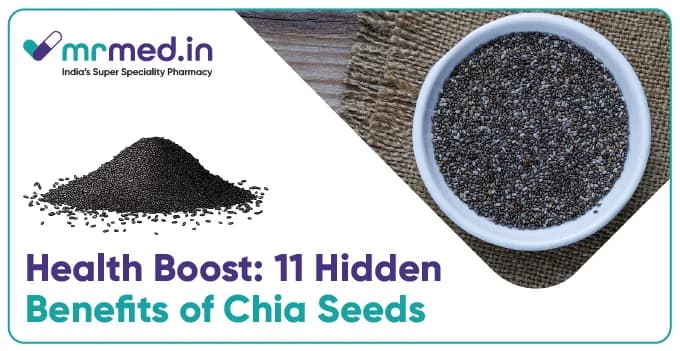
These small black-and-white seeds may look ordinary, but they’re loaded with nutrients that are great for your digestion, heart, energy, and more.
In this blog, we’ll break down the numerous health benefits of chia seeds in a straightforward manner. Whether you're trying to eat healthier, feel more energetic, or stay full longer, adding chia seeds to your daily routine could be one of the easiest and smartest choices you make.
11 Health Benefits of Chia Seeds
A 2012 study suggested that consuming ground chia seeds may enhance the body's absorption of omega-3 fatty acids, specifically alpha-linolenic acid (ALA). While whole chia seeds are rich in omega-3s, grinding them may increase the bioavailability of the fats, similar to how flax seeds need to be ground for maximum benefit.
1. Rich in Omega-3 Fatty Acids
Chia seeds are one of the best plant-based sources of omega-3 fats, which are important for your brain and heart health. Just one small serving of chia seeds gives you over 60% of the omega-3s your body needs in a day. Most of this comes from a type of healthy fat called alpha-linolenic acid (ALA), which helps reduce inflammation and supports your overall wellness.
2. Abundant in Dietary Fibre for Digestive Wellness
Chia seeds are a great source of fiber that supports healthy digestion. They provide both soluble and insoluble fiber, which work together to promote regular and comfortable bowel movements. This fibre also supports the growth of healthy gut bacteria, which play a key role in overall digestion and immunity.
3. Supports Weight Loss Efforts
Chia seeds offer a balanced combination of healthy fats, protein, and complex carbohydrates that provide steady, long-lasting energy. This nutrient blend supports a healthy metabolism and helps keep blood sugar levels stable, reducing energy dips and helping you stay energized all day.
4. Helps Regulate Blood Sugar Levels
Chia seeds are high in fibre, which helps improve insulin sensitivity and keeps your blood sugar steady. When soaked in liquid, chia seeds form a gel-like coating that slows down the rate at which your body converts carbs into sugar. This helps prevent sudden blood sugar spikes after meals and maintains more stable energy levels.
5. Promotes Heart Health
Chia seeds contain omega-3 fatty acids, fibre, and protein. Chia seeds anti-inflammatory benefits making them a useful aid in managing chronic inflammation, lowering blood pressure and decreasing the risk of heart disease.
6. Packed with Antioxidants
These seeds are enriched in antioxidants that shield your cells from oxidative damage caused by free radicals. Compounds like quercetin and kaempferol neutralise harmful free radicals and support your cell health.
7. Supports Bone Health
Chia seeds are rich in minerals like calcium, magnesium, and phosphorus. One serving provides approximately 18% of your daily calcium requirements, helping to maintain the strength of your bones and teeth.
8. Boosts Energy and Metabolism
Chia seeds contain a balanced mix of healthy fats, protein, and complex carbs, which gives you steady, long-lasting energy. These nutrients help your metabolism function efficiently and maintain stable blood sugar levels, preventing energy crashes and enabling you to stay active throughout the day.
9. High in Protein:
Chia seeds contain about 14% protein by weight, making them an excellent plant-based protein source for vegetarians and vegans.
Rich in Phosphorus: Supports strong bones and helps maintain a healthy skeletal structure.
Good Source of Magnesium: Helps with muscle movement and supports a well-functioning nervous system.
Contains Zinc: Aids in immune function, wound healing, and cell growth.
Provides Copper: Supports collagen production, helping to keep skin firm and healthy.
10. Easy to Incorporate into Your Diet
You can naturally add chia seeds to a variety of foods. Sprinkle them on yoghurt, blend them into smoothies, or use them as an egg substitute in baking. Their mild taste works well in sweet and savoury dishes.
11. Supports Skin Health
Chia seeds' omega-3 fatty acids and antioxidants help your skin stay healthy. These nutrients help maintain your skin's elasticity and protect it from environmental damage, resulting in a natural, healthy glow.
How to consume chia seeds for the most benefits?
Chia seeds are healthy, but it’s important to take them the right way. Doctors recommend 1 to 2 tablespoons (15–30 grams) of chia seeds per day for best results.

Here are some simple tips to follow:
Soak chia seeds in water for at least 5–10 minutes before eating.
Start with 1 tablespoon per day to see how your body reacts.
Drink plenty of water to help the fibre move through your body.
If you take blood pressure or blood-thinning medications, consult your doctor before taking this supplement.
Always mix chia seeds with soft or moist foods like curd, oats, cereal, or fruit salad.
You can also make chia water by mixing 1/4 cup of chia seeds with 1 cup of water, stirring, and then keeping it in the fridge for 15 minutes. Once it forms a gel, it’s ready to drink or mix into your meals.
Chia Seeds vs Flax Seeds: Which One Should You Choose?
When comparing the benefits of chia seeds to those of flax seeds, both emerge as nutrient-dense superfoods with unique strengths. Chia seeds are packed with omega-3 fatty acids, fibre, protein, calcium, and antioxidants. They’re easy to add to your diet—just soak in water or mix into smoothies, yoghurt, or oats. Their gel-like texture helps keep you full longer.
Flax seeds, on the other hand, also offer omega-3s and fibre but are especially rich in lignans, which support hormone balance and heart health. For best absorption, they should be ground before eating.
If you prefer ease and hydration, chia seeds are an ideal choice. For hormonal and heart health support, flax seeds are a great option. To reap the maximum chia seeds vs flax seeds benefits, consider rotating both in your daily meals.
Feature | Chia Seeds | Flax Seeds |
Nutrient Highlights | High in fibre, omega-3 fatty acids, protein, calcium, and magnesium | High in fibre, omega-3 fatty acids, lignans (hormone-balancing antioxidants) |
Best Form for Eating | Can be eaten raw or soaked; no grinding needed | Best consumed ground for better digestion and nutrient absorption |
Taste | Mild, neutral taste | Mildly nutty flavour |
Digestive Benefits | Forms a gel when soaked – helps with satiety and digestion | Helps regulate digestion and promotes regular bowel movements |
Bone Health | Rich in calcium and magnesium – supports bone strength | Moderate calcium content – less impact on bone health |
Heart Health | Supports heart health via omega-3s | Supports heart health; also helps lower cholesterol levels |
Hormonal Support | Not specifically known for hormonal balance | High in lignans – may support hormone balance, especially in women |
Convenience | No need to grind; easy to add to meals | Needs to be ground before consumption for full benefit |
Common Uses | Smoothies, yoghurt, oats, puddings, raw or soaked | Smoothies, baking, cereals, sprinkled over salads |
Daily Dosage Suggestion | 1 tablespoon with water or food; drink plenty of water | 1 tablespoon ground seeds per day; drink plenty of water |
FAQs
1. Why are chia seeds especially good for women?
Chia seeds are rich in calcium, magnesium, and phosphorus, which support strong bones—especially important for women over 30. The high fibre helps with digestion and hormone balance. Chia seeds also support heart health and may help alleviate PMS symptoms, such as bloating and fatigue. For pregnant women, chia provides omega-3s that support the baby's brain development.
2. Do chia seeds help with skin health?
Yes, chia seeds contain antioxidants that help fight skin-damaging free radicals and slow down the ageing process. Their omega-3s and water-absorbing properties help keep the skin hydrated from within. Regular use may reduce dryness, fine lines, and acne. Chia oil is also used in skincare products to protect and strengthen the skin barrier.
3. What are the overall health benefits of chia seeds?
Chia seeds are great for general health. They boost digestion, improve heart function, and give you natural energy. Packed with fibre, protein, and healthy fats, they help control blood sugar and lower cholesterol. They’re also rich in iron and calcium, which support immunity, bone health, and overall well-being.
4. Can chia seeds reduce inflammation?
Yes. Chia seeds are full of omega-3 fatty acids and antioxidants, which help reduce inflammation. This can relieve joint pain, soothe gut issues, and improve some skin problems. They’re especially helpful for people with arthritis or other inflammatory conditions.
5. How do chia seeds help with digestion?
Chia seeds are high in dietary fibre—about 5g in just 1 tablespoon. This fibre helps regulate bowel movements, prevent constipation, and support a healthy digestive system. When soaked in liquid, chia seeds form a gel that adds bulk to stool and makes it easier to pass.
Final thoughts
Chia seeds are small but full of important nutrients like omega-3 fatty acids, fibre, protein, and antioxidants. They support digestion, weight management, heart health, energy levels, and bone strength. You can easily add them to your meals—mix them in water, smoothies, yoghurt, or oats.
For women, chia seeds support hormonal balance, promote healthy skin, and contribute to strong bones. They also help you feel full longer and keep your blood sugar steady. Just start with 1 tablespoon a day, drink enough water, and make it a daily habit. It’s a simple step that can bring big health benefits.
Read also
References
Disclaimer: The content in this blog is for general informational purposes only and is not a substitute for professional medical advice, diagnosis, or treatment. Always consult your doctor or a registered dietitian before making any changes to your diet, especially if you have a medical condition or are taking prescribed medication. While the information is based on trusted sources, individual needs and results may vary. Mr Med does not promote or endorse any specific food or treatment mentioned unless explicitly stated.












Comments