

How GLP-1 Medications Support Weight Loss and Long-Term Obesity Management





Last updated on 02 Jan 2026
Key Takeaways
|
Obesity is no longer viewed as only a lifestyle issue; it is a long-term metabolic condition linked to serious health risks such as type 2 diabetes, heart disease, fatty liver disease, sleep apnea, and even certain cancers. Losing weight and keeping it off can feel almost impossible when biology works against you.
Research shows that after weight loss through diet alone, the body slows its energy burn and increases hunger hormones, making weight regain common. That is why medical support has become a crucial part of treatment.
In recent years, a new class of medications has transformed the way doctors treat excess weight: GLP-1 medicines. When lifestyle changes are not enough, doctors now recommend GLP-1 for obesity to help people achieve meaningful and lasting results. This guide explains how these medicines work, what benefits they offer, and how they fit into a complete obesity-management plan.
What Are GLP-1 Medicines?
GLP-1 medications are a type of anti-obesity medications that help with metabolic weight loss. They act like a natural hormone in the body called GLP-1, which helps control appetite, digestion, and blood sugar.
These medicines come in the form of GLP-1 injections for weight loss and are typically given once a week.
Commonly prescribed GLP-1 medicines include:
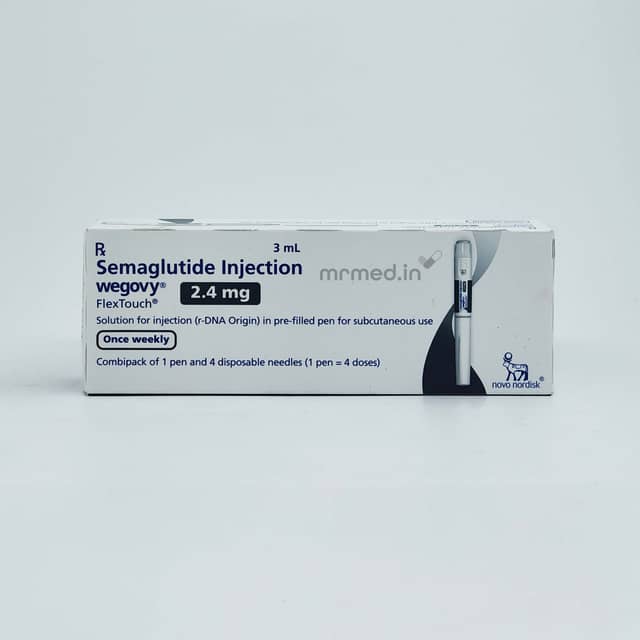
Semaglutide weight loss treatments, such as Wegovy
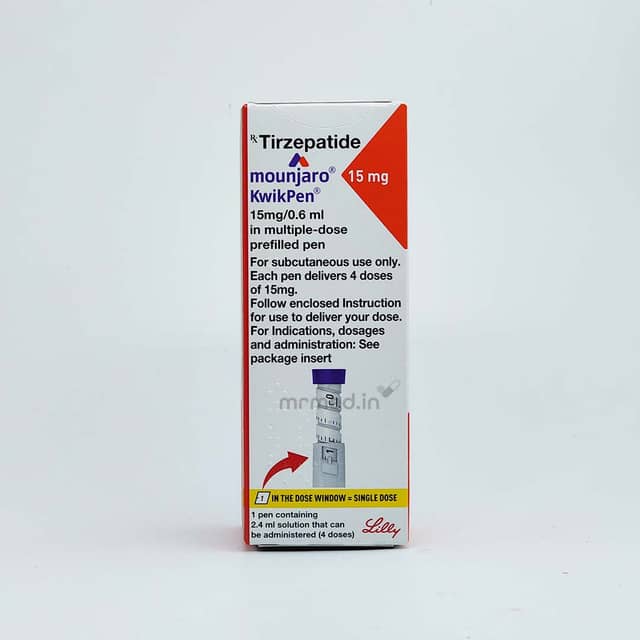
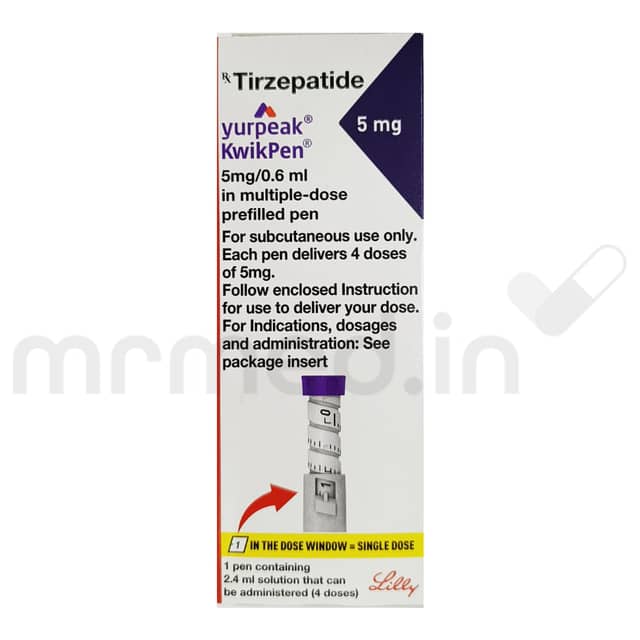
Tirzepatide weight loss therapy, such as Mounjaro
These drugs were first approved for diabetes but quickly became well-recognised for weight-reduction benefits.
How GLP-1 Medicines Help With Weight Loss
“Government data show that about 24% of Indian women and 23% of Indian men are overweight or obese, and roughly 6.4% of women and 4.0% of men (15–49 years) are frankly obese, with a clear rise compared to NFHS-4”.
People often want to know how GLP-1 reduces appetite. The mechanism is simple but powerful:
• They slow down stomach emptying, helping you feel full longer
• They send strong “fullness signals” to the brain
• They support appetite suppression and reduce cravings
• They improve blood sugar control and metabolic health
The result: People naturally eat less without feeling constantly hungry or deprived.
This support dramatically increases the likelihood of achieving and maintaining weight-loss goals.
Which GLP-1 Drug Works Best?
In national endocrine treatment guidelines, GLP-1 analogues (e.g., exenatide, liraglutide) are explicitly recommended as a good injectable option for obese people with type 2 diabetes, as they lower blood glucose and promote weight loss, with a low risk of hypoglycaemia when used correctly.
Patients often ask: Best GLP-1 drug for weight loss?
While the choice depends on your doctor’s evaluation, two leading therapies are:
Wegovy weight loss (Semaglutide 2.4 mg once weekly)
Mounjaro weight loss (Trzepatide once weekly)
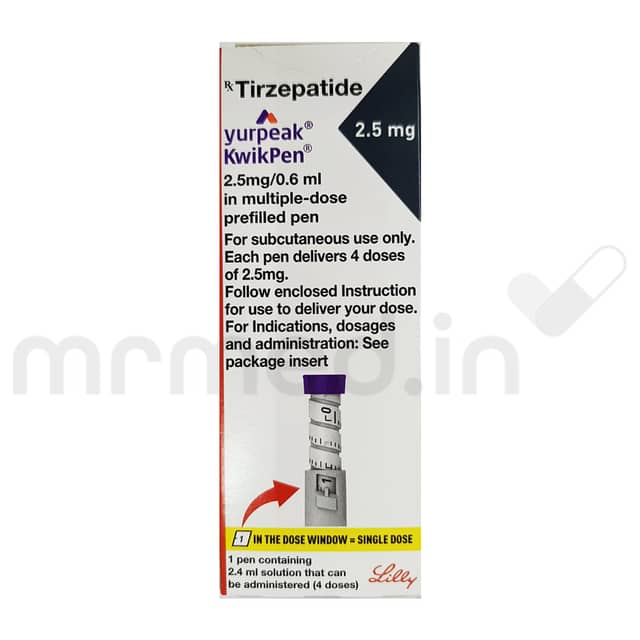
Yurpeak weight loss (Tirzepatide once weekly)
Clinical studies show:
People using Semaglutide can lose around 15–20 per cent of body weight with a proper diet and activity
People using Tirzepatide may lose up to 10–15 per cent of body weight in some cases.
Doctors choose the right option after evaluating the health history, BMI, and the presence of diabetes.
Visible and Measurable Results
Patients often seek motivation, such as GLP-1 weight-loss before-and-after comparisons. Doctors report improvements such as:
Reduced waist circumference
Better control of food portions
Higher energy and mobility
Improved metabolic health markers
These changes also support confidence, emotional well-being, and motivation to continue a healthier routine.
Why GLP-1 Helps Maintain Weight Loss Better
Dr Shashank R. Joshi, Padma Shri Awardee, Senior Endocrinologist at Lilavati, explains, “GLP-1 receptor agonists represent a paradigm shift in diabetes care. They not only improve glycaemic control but also help with meaningful weight reduction and cardiovascular risk management. For Indian patients, affordability and awareness are challenges, but when used under proper supervision, GLP-1 therapies can be life-changing.”
Losing weight is one challenge; keeping it off is the bigger one. The body normally fights weight loss through:
Increased hunger hormones
Slower metabolism
Return of cravings
GLP-1 obesity therapy helps override this biological pushback.
By supporting long-term hunger control, patients can more easily maintain healthier habits.
What Happens When Weight Loss Slows or Stops?
A weight stall is normal during treatment and is known as a GLP-1 weight plateau. Your body adjusts to changes in weight, and progress may slow.
GLP-1 weight plateau solutions include:
• Reviewing diet quality, focus on protein and portioning
• Increasing strength training to protect muscles
• Tracking sleep and stress to support metabolism
• Avoiding sugary drinks and high-calorie snacking
Doctors may also adjust dosage to maintain progress.
Why Lifestyle Still Matters

GLP-1 medicines do not replace healthy habits; they support them.
Success is best when combined with:
Balanced nutrition
Regular physical activity
Sleep hygiene
Lower stress levels
Behavioral support
This ensures that weight loss becomes sustainable rather than temporary.
Benefits Beyond the Scale
GLP-1 medicines improve overall health along with weight reduction:
Lower blood sugar levels
Better heart health indicators
Reduced fatty liver disease
Lower inflammation
Improved mobility and mood
For many, this treatment means more freedom, comfort, and confidence in daily life.
Who Should Consider GLP-1 Treatment?
Doctors may suggest GLP-1 medicines if someone has:
• BMI 30 or higher (obesity)
• BMI 27 or higher + weight-related illness
• Struggled with weight despite lifestyle changes
They are not intended for casual weight loss or cosmetic use only.
Safety and Doctor Guidance
Dr Ambrish Mithal, Chairman & Head, Endocrinology & Diabetes, Max Healthcare, New Delhi. He explained that GLP-1 drugs mimic a natural hormone that increases insulin and enhances satiety, and that they were originally diabetes medicines but are now crucial in managing both diabetes and obesity. He cautions they are powerful medical tools, not cosmetic shortcuts.
Like any medication, GLP-1 treatments require a doctor's supervision.
Patients should share their full medical history, especially:
Gallbladder issues
Pancreatitis history
Thyroid problems
A certified obesity physician or endocrinologist can determine the right plan.
For Long-Term Success: Follow a Supportive Plan
Long-term weight management means:
Medication support
Lifestyle improvements
Mindfulness around eating
Regular check-ins with healthcare providers
With consistency, GLP-1 treatments can change the trajectory of health for individuals living with obesity.
Final Thoughts
GLP-1 medicines offer a science-backed breakthrough for people who have tried everything and still struggled. They help you eat less, feel satisfied longer, and maintain a healthier weight without constant hunger.
With the right medical guidance, these treatments support both weight loss and lifelong weight management, helping patients reclaim control of their health, energy, and confidence.
FAQs
1. How do GLP-1 medicines help with weight loss?
They slow digestion, reduce hunger signals, and help control cravings, supporting appetite suppression and allowing natural calorie reduction.
2. Are these medicines suitable for people without diabetes?
Yes. Many are approved for GLP-1 weight loss in individuals with obesity or weight-related health risks.
3. What if progress slows down?
A GLP-1 weight plateau is common. Your doctor may adjust your treatment plan and encourage changes to your nutrition and activity.
4. Do lifestyle changes still matter?
Absolutely. Medication works best when combined with healthier eating, activity, sleep, and habits for metabolic weight loss.
5. Are results long-term?
GLP-1 therapy supports ongoing weight control, but long-term success depends on consistent follow-up and sustainable living patterns.
Read also
References
Disclaimer: The information shared in this blog is meant for general educational purposes only and should not be taken as medical advice. Always consult a qualified healthcare professional for diagnosis, treatment, or medical guidance related to your health. The content is based on reliable sources, but it may not be suitable for every individual’s condition. We do not assume responsibility for any actions taken based on this information. Readers are encouraged to exercise caution and use their discretion when making healthcare decisions.













Comments