

Gut Health for Patients on Long Term Medication





Last updated on 26 Mar 2026
Key Takeaways
|
Most individuals initially notice only gastrointestinal discomfort; over time, they become aware of its signs (bloating, constipation, and food feeling heavier than usual). Those patients taking long-term prescription medications often attribute these changes to stress, aging, or lifestyle factors and don't realise that their gastrointestinal systems are responding silently to years' worth of taking medication daily.
An individual's gut does not go from healthy to unhealthy overnight; therefore, the process of rehabilitating gut damage is gradual and begins with understanding how medications affect the digestive system, without stopping necessary medical treatment.
How Long-Term Medicines Change the Gut Environment
Numerous drugs affect stomach acidity, delay food movement through the intestines, or alter the health of our intestinal bacteria. This disruption leads to an imbalance in gut flora that can develop over months and years.
To keep a healthy gut, there need to be three components present:
The first is stable gut bacteria.
The second is normal food movement through a healthy intestinal system.
The third is an intact gut lining to protect the contents of the body from the external environment.
All three components can be adversely affected by long-term medicinal use.
Medications That Commonly Affect Gut Bacteria
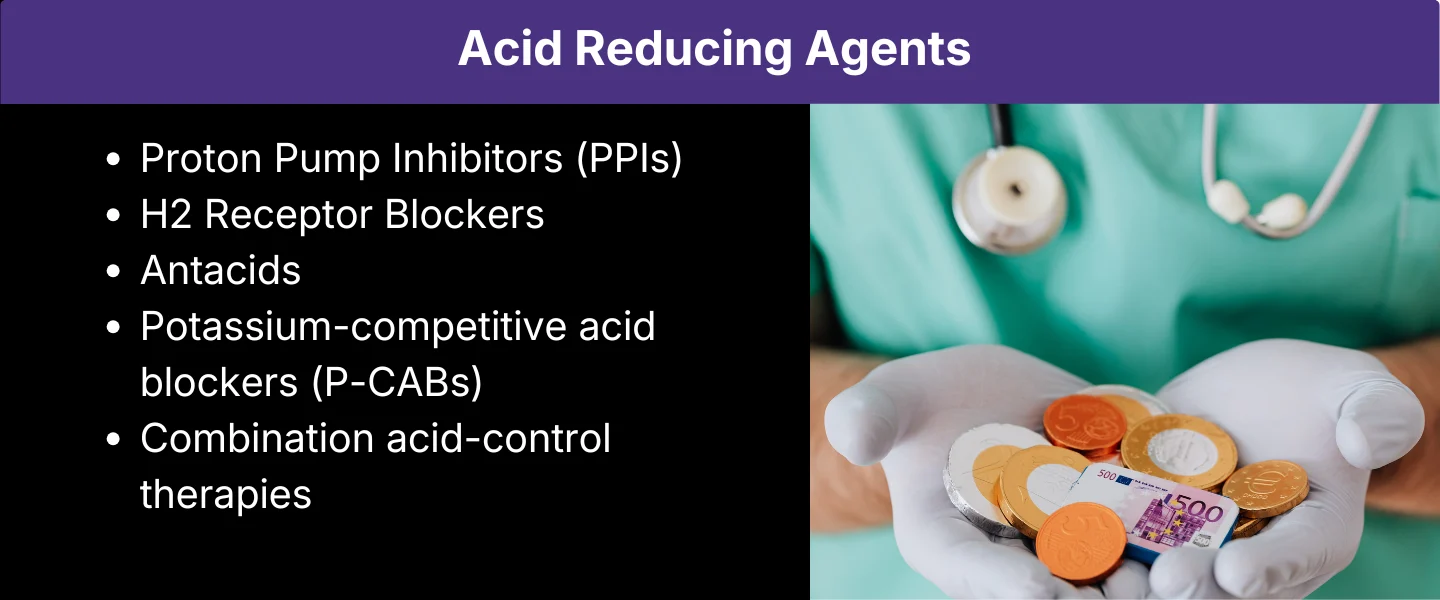
“The FDA has advised that use of stomach acid medicines such as PPIs may be associated with risk of certain gut infections, including Clostridium difficile–associated diarrhea.”
Long-term use of the following categories of drugs is known to affect gut bacteria negatively:
Medicines that lower acid production in the stomach
Medications that reduce how quickly food leaves the stomach by lowering bowel motility
Antibiotics that eliminate both good and bad types of bacteria
Steroids that create thinning of the intestinal wall
Antidiabetic medications that alter how carbohydrates are processed in the body
Acid-Reducing Medicines and Gut Recovery Time
According to the National Institute of Health, Proton Pump inhibitor use is associated with changes in gut bacteria composition and reduced microbial diversity compared with non-users.
Many individuals have questioned how long it will take to recover from proton pump inhibitor (PPI) usage. Recovering from PPI use depends on both the duration of use and whether the individual took a gut-supporting supplement with their PPI therapy. Reduced gastric acid affects protein digestion, which in turn affects gut bacterial balance and can cause an imbalance.
Doctors today often recommend promoting food variety and increasing intake of different types of fibre and probiotics, rather than abruptly stopping PPI use.
Pain Medicines, Constipation, and the Gut
Dr Saurabh Sethi, Gastroenterologist (AIIMS, Harvard & Stanford trained)2025 “Real gut healing starts in your kitchen; natural foods and balanced meals often have more effect on digestion and microbiome balance than expensive supplements alone.
One of the most frequent issues among those who use painkillers for long periods is constipation. This has led many to wonder if laxatives kill bacteria in the intestines.
Using laxatives occasionally does not usually affect the balance of bacteria in the intestines; however, someone who relies on a laxative frequently may have less sensitivity to their body's signals indicating a need to move their bowels naturally, as well as to a reduced variety of gut bacteria.
Certain patients also worry about how Movicol might affect the balance of bacteria in the bowel. Movicol is usually considered less harsh; however, overusing It can still alter stool patterns and provide less comfort to the intestines.
Everyday Medicines and the Gut: What People Overlook
Simple medicines are often assumed to be harmless. Yet questions like Is paracetamol bad for gut health come up more often now. While occasional use is unlikely to cause harm, chronic high-dose use may indirectly affect the gut lining and bacterial balance through pathways involving liver metabolism and inflammation.
Similarly, long-term antidepressant gut problems are increasingly reported. These may include altered bowel habits, bloating, and changes in appetite. The gut and brain communicate constantly, and medicines affecting one often influence the other.
Antibiotics, Diabetes Medicines, and Steroids
Antibiotics are lifesaving but disruptive. For patients who need repeated courses, probiotics can help reduce diarrhoea and bacterial imbalance when used appropriately.
People with diabetes often ask about the best prebiotics for long-term metformin users because metformin commonly causes gas and loose stools. Prebiotics can help feed beneficial bacteria, improving tolerance over time.
Steroids are another concern. Many patients search for natural remedies for gut damage from steroids, focusing on soothing foods, adequate protein, and gut-protective nutrients rather than aggressive detox claims.
Diet Strategies That Actually Help the Gut Heal
According to a survey by the Indian Dietetic Association 2025, 7 out of every 10 urban Indians report digestive or gut health issues, with 59% experiencing them weekly and 12% daily. This underscores how common gut problems have become in everyday life.
There is no single magic food that can act as the basis for a healthy gut; however, someone on Long-Term Drug Use would typically consume:
Cooked vegetables rather than raw vegetables at the time of a “flare-up”
Regularly consuming small amounts of fermented foods
Adequate amounts of protein to support the repair of the Gut Lining
Soluble Fibre Should Not Cause Bloating
While there is a tendency for many to go directly to supplements, using a variety of foods continues to be the best support for restoring the Gut Microbiome after long-term Drug Use.
Supplements, Probiotics, and Choosing Wisely
There are many types of gut health supplements on the market today, and some formulas may not be appropriate for patients taking chronic medications.
Several patients want a top-rated probiotic brand available in India for a chronic illness, and many may want to purchase high-potency probiotic supplements from a company that operates in India. High potency does not always equal higher quality; more important than adding up colony-forming units (CFUs) are strain type, dosing schedule, and dose duration.
Advanced Options for Severe Gut Imbalance
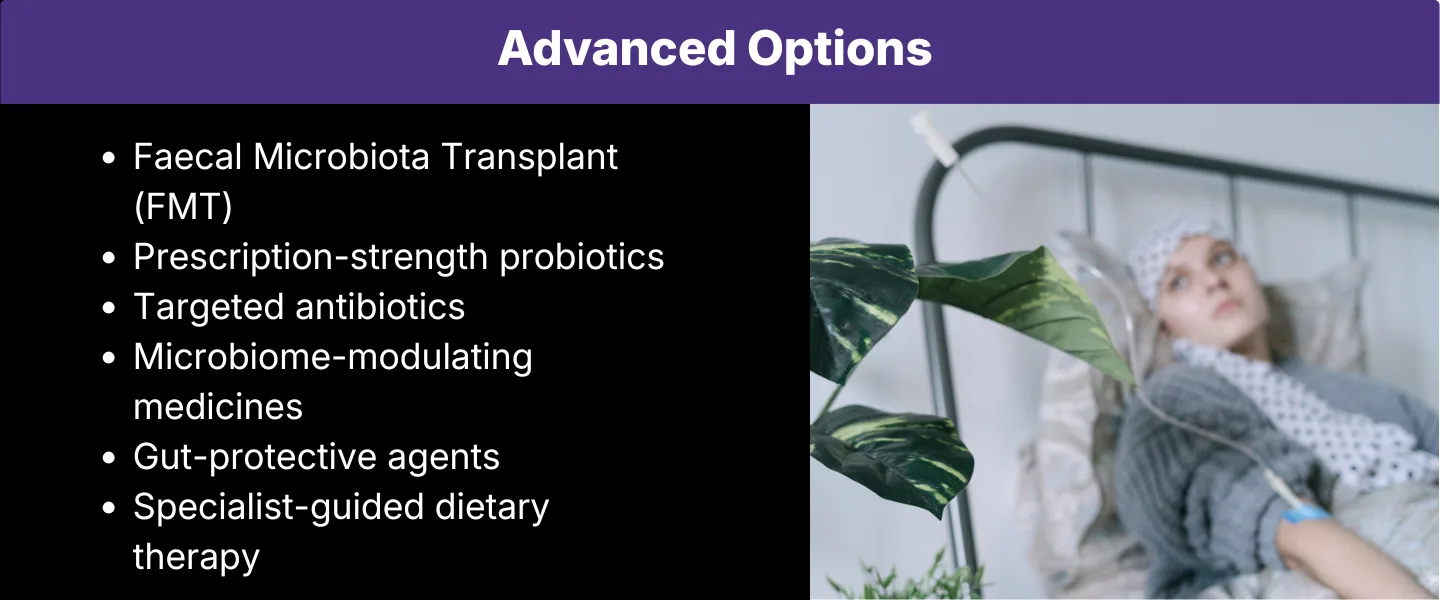
A nationwide gut-health survey in India in 2015 found that 14% of people in urban areas suffer from chronic constipation, with higher prevalence in older age groups.
In uncommon instances of extreme drug-induced harm to the intestines, medical professionals in India may explore FMT (fecal microbiota transplant) as a treatment option for patients suffering from dysbiosis caused by pharmaceuticals.
Such treatment is not a routine option; therefore, it is recommended only by qualified medical specialists and provided in very few situations.
Support and Resources for Chronic Conditions
Patients diagnosed with chronic illnesses like diabetes, cardiovascular disease or an autoimmune disorder may benefit greatly by having access to resources tailored to their specific condition. For instance, obtaining gut health assistance or education tailored to individuals taking long-term medications for diabetes management will enable them to make dietary and supplement decisions that align with their treatment goals.
Ultimately, gut health should be considered a component of chronic disease management rather than an ‘also-ran.’
Final Thoughts
Long-term medication does not indicate failure to maintain an individual's health. In addition, it is a common way to maintain stable health, rather than a last resort for those who once had normal health. The purpose of long-term medication is not to get rid of medications but to protect the gut while on medication.
Healing the gut takes time and effort; it is a process that requires awareness, support, routine, and realistic expectations. The gut can heal and adapt, even after many years of being on medication.
Read Also
References
https://consultqd.clevelandclinic.org/long-term-use-of-ppis-has-consequences-for-gut-microbiome
https://www.sciencedirect.com/science/article/pii/S0361923024000169
https://www.betterhealth.vic.gov.au/health/healthyliving/gut-health
Disclaimer: The information shared in this blog is meant for general educational purposes only and should not be taken as medical advice. Always consult a qualified healthcare professional for diagnosis, treatment, or medical guidance related to your health. The content is based on reliable sources, but it may not be suitable for every individual’s condition. We do not assume responsibility for any actions taken based on this information. Readers are encouraged to exercise caution and use their discretion when making healthcare decisions.













Comments