


Skip the Overhaul: Why New Year Health Micro-Resolutions are the Secret to Wellness in 2026





Last updated on 06 May 2026
Key Takeaways
|
Every January starts the same way. Big promises. Bigger expectations. A sudden belief that an entirely new personality will emerge just because the calendar changed. Then February shows up. Reality follows. Motivation disappears quietly, without even leaving a note.
By 2026, most people will no longer be asking how to become a “new” version of themselves. They are asking how to feel better without turning their life upside down. That shift matters.
Why Big Health Resolutions Rarely Survive
A lot of people still search for new year health resolutions 2026, hoping for something that finally sticks. The problem is not discipline. The problem is design.
When people reflect on why new year health resolutions fail, the patterns are obvious. Goals are usually too vague, too extreme, or completely disconnected from real life. “Work out every day” sounds impressive but collapses the moment work deadlines pile up. “Eat perfectly” falls apart the first time stress shows up uninvited.
What people actually need are realistic health goals for 2026 that respect energy levels, time constraints, mental health, and human inconsistency. This is where micro-resolutions quietly outperform big plans.
The Power of Small Changes That Don’t Feel Like Effort
Micro-resolutions are not exciting. That is exactly why they work. They focus on small health changes that work, not dramatic transformations that look good on paper but fail in practice.
Think of habits that slide into your day rather than demanding a complete lifestyle overhaul. These are the kinds of easy, healthy lifestyle changes people tend to keep without resentment. They also align better with how behaviour change actually happens.
Many people succeed unknowingly when they adopt easy, healthy lifestyle changes because those habits do not trigger resistance. The brain does not fight what feels manageable.
Micro-Habits People Actually Stick With
India’s NPCDCS initiative promotes lifestyle changes, such as a healthy diet, physical activity, and tobacco avoidance, as core strategies to prevent and control non-communicable diseases (NCDs). These messages directly support the idea of setting small, achievable wellness goals that reduce risk factors over time.
There is a reason people are now searching for health resolutions they actually keep, rather than motivational slogans. The most effective habits are often boring, repeatable, and quietly effective.
Examples include:
Standing up and stretching once every hour.
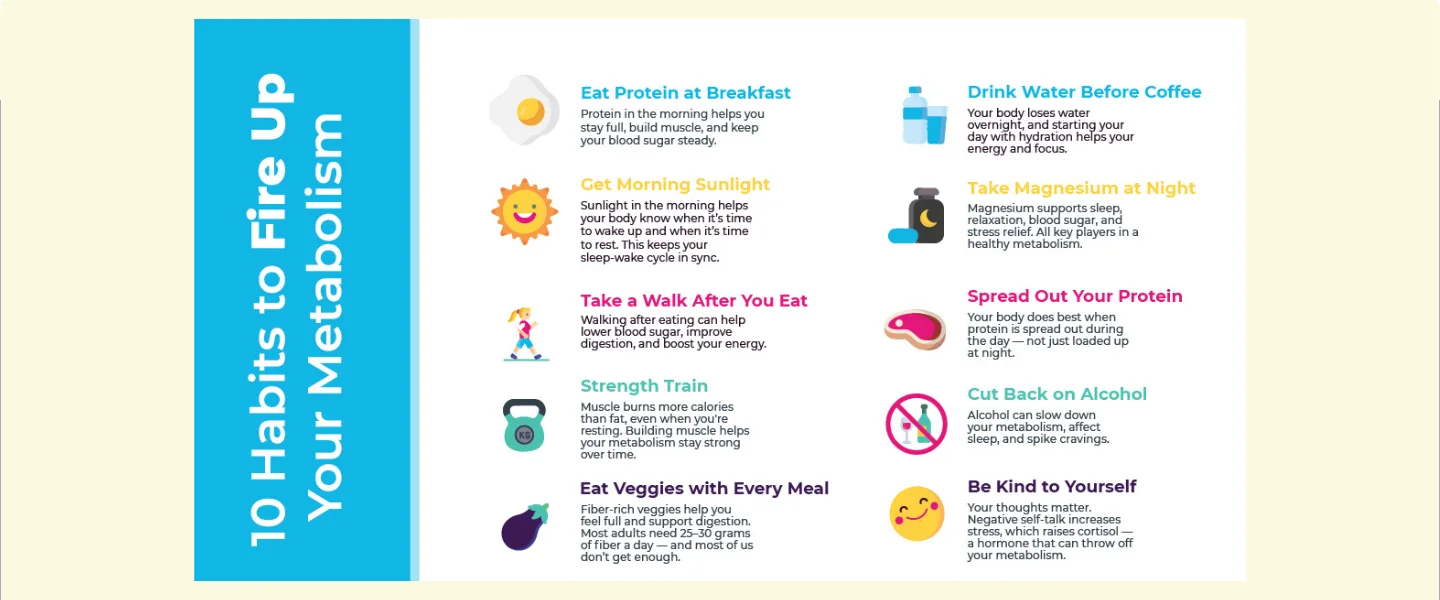
Drinking a glass of water before coffee.
Going to bed ten minutes earlier, not an hour.
Taking a short walk instead of committing to a full workout.
These are microhabits for better health because they reduce friction. Over time, they stack into visible change without burning motivation.
This approach also supports mental health goals for the new year, which are often ignored in traditional resolution lists. Mental well-being improves when goals stop feeling like a constant source of self-criticism.
Rethinking Exercise for Real Humans
Research from Indian health studies indicates that more than 50% of individuals were physically inactive, with fewer than 10% meeting the recommended amount of routine physical activity.
Not everyone loves gyms. Many actively avoid them. Yet fitness advice still assumes enthusiasm for treadmills and mirrors. That disconnect explains why people look for workout motivation for people who hate the gym.
Movement does not need branding. Walking while on calls, light stretching before bed, or short bursts of activity during the day count as progress. These lazy, healthy habits that actually work remove the pressure to “perform” health.
When movement no longer feels like punishment, consistency improves naturally. That consistency matters more than intensity.
A Smarter Way to Frame Health Goals
Dr Ritu Gupta, Senior Consultant – Internal Medicine (Wellness & Preventive Care), New Delhi, said, “Many Indians start the year with big health promises, but often these goals fail because they are too demanding or vague. Small, doable habits, like adding a daily walk or choosing water over sugary drinks, fit into real life and are more likely to be sustained.
People often ask What is a realistic New Year's resolution? The honest answer is one that survives a bad week. If a goal collapses the moment life gets messy, it was never realistic.
A better framing is to ask What are the five smart goals for health? Smart goals are specific, flexible, and forgiving. They allow adjustment instead of failure.
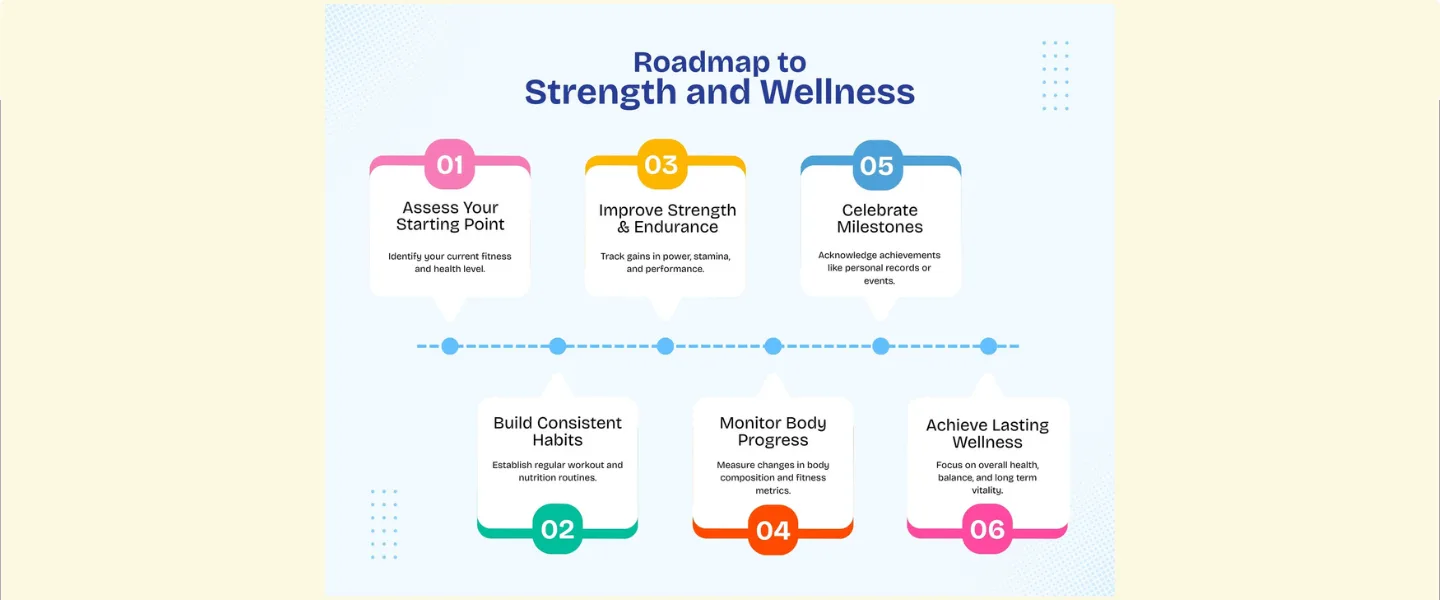
Many find it useful to keep a loose new year wellness goals checklist that focuses on behaviour, not outcomes. Checking off effort feels more achievable than chasing perfect results.
Five Practical Micro-Resolutions That Fit Real Life
A World Health Organisation (WHO) fact sheet on physical activity shows that nearly half of Indian adults (49.4%) do not meet the recommended physical activity levels, with inactivity even higher among women.
Instead of dramatic promises, here are 5 Micro-Resolutions for 2026 that respect real schedules and real energy levels:
Add one vegetable to one meal each day
Walk for five minutes after meals when possible.
Put your phone down during the last ten minutes before sleep.
Step outside for daylight once every morning.
Breathe slowly for sixty seconds during stressful moments.
These qualify as healthy habits to start in 2026 because they require minimal self-negotiation.
They also answer common searches like, 'What are the New Year's resolution ideas for health?' Without pushing unrealistic standards.
Why Micro-Resolutions Last Longer
The reason micro-resolutions outperform traditional goals is simple. They adapt. They bend without breaking. They align with how people actually live.
Those trying to learn how to keep New Year’s resolutions in 2026 will find that success often comes from shrinking the goal rather than increasing effort. Over time, consistency builds confidence. Confidence builds momentum.
This is how New Year's wellness goals quietly turn into routines rather than abandoned intentions.
Final Thoughts
Wellness in 2026 does not need reinvention. It needs realism. Micro-resolutions work because they respect human limits while still advancing health. Progress does not come from overhauls. It comes from small, repeatable choices that survive real life.
FAQs
1. What are micro-resolutions for health?
Micro-resolutions are very small, manageable health habits that fit easily into daily life and are easier to maintain over time.
2. Why do big New Year health resolutions usually fail?
They often demand too much change too quickly, making them hard to sustain once real-life stress and responsibilities return.
3. Can small habits really improve health?
Yes. Small habits repeated consistently can lead to meaningful improvements in physical and mental well-being over time.
4. Are micro-resolutions better for mental health?
They reduce pressure and guilt, making health goals feel supportive rather than overwhelming, which helps mental health.
5. How do I choose the right micro-resolutions for myself?
Pick habits that feel easy, realistic, and flexible enough to continue even on busy or stressful days.
Read also
References
Disclaimer: The content in this blog is for general informational purposes only and is not a substitute for professional medical advice, diagnosis, or treatment. Always consult your doctor or a registered dietitian before making any changes to your diet, especially if you have a medical condition or are taking prescribed medication. While the information is based on trusted sources, individual needs and results may vary. MrMed does not promote or endorse any specific food or treatment mentioned unless explicitly stated.











Comments