


Walking for Fitness: How Brisk Walks Can Help Control Weight, BP & Mental Health





Last updated on 02 Jan 2026
Walking is one of the simplest and most effective exercises to stay fit and healthy. It requires no expensive equipment or gym membership, just comfortable shoes and the will to start. Whether you’re looking to lose weight, manage blood pressure, or improve your mental well-being, walking for fitness is an excellent choice. In this article, we’ll explore how brisk walking benefits your body and mind, how to get started, and practical ways to turn walking into a sustainable lifestyle habit.
Why Brisk Walking Matters
According to the Consensus Physical Activity Guidelines for Asian Indians, adults should perform at least 30 minutes of moderate-intensity aerobic activity, such as brisk walking, daily, which is about 150 minutes per week.
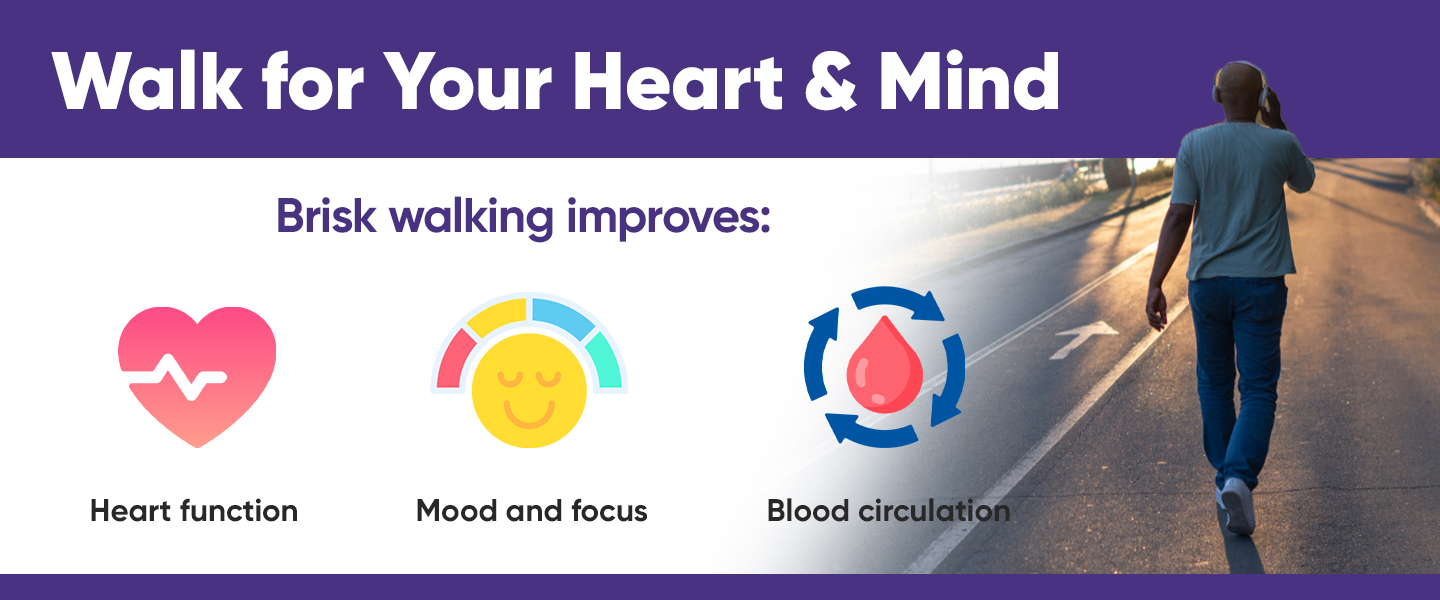
Brisk walking enhances heart health, boosts metabolism, and improves overall energy levels.
It helps burn calories, tones muscles, and supports better weight management when done consistently.
Regular walking aids blood pressure control, promotes healthy circulation, and lowers the risk of heart disease and hypertension.
Walking for Weight Management
The Fit India Movement (launched by the Indian government) recommends 30–60 minutes of moderate-to-vigorous physical activity for adults most days of the week, and 60 minutes daily for children and adolescents.
Consistency matters; walk briskly for at least 30–45 minutes daily or aim for 10,000 steps to burn calories and boost stamina.
For better belly fat reduction, use interval walking, brisk walking for two minutes, slow down for one, and repeat.
Combine walking with a balanced diet and use a walking app or fitness tracker to stay motivated and monitor progress.
Walking for Heart and Blood Pressure Health
Brisk walking promotes cardiovascular wellness by improving blood circulation and lowering cholesterol. People who walk regularly are less likely to suffer from heart attacks or strokes.
If you’re walking for blood pressure control, maintain a pace that raises your heartbeat but still allows comfortable conversation. This walking pace for high blood pressure ensures effective aerobic activity without excessive strain.
Adding just 30 minutes of brisk walking five days a week can significantly help manage hypertension and improve overall heart function.
Mental Health Benefits of Walking
One of the most underrated advantages of walking is its impact on mental well-being. The benefits of walking for mental health include reduced stress, anxiety and depression. A mental health walk releases endorphins, the body’s natural “feel-good” hormones that promote relaxation and positivity.
If you’re dealing with anxiety or mood swings, try walking for anxiety and stress relief. A morning or evening walk in a calm environment, especially outdoors, can clear your mind and improve concentration. Even brisk walking for beginners can lead to noticeable improvements in mood and sleep quality.
Incorporating a 30-minute brisk walking routine daily contributes greatly to mental wellness and helps manage everyday stress.
How to Start Brisk Walking: A Beginner’s Guide
A national study found that 42.9% of Indian adults met the minimum recommended intensity of physical activity (i.e., moderate-to-vigorous aerobic activity) but a significant 57% did not meet these levels.
Starting a brisk walking routine is simple:
Begin with short walks of 10–15 minutes daily.
Choose a pace that increases your heart rate but still allows you to speak comfortably.
Gradually increase your duration to 30–45 minutes.
Use proper posture, stand tall, swing your arms gently, and take smooth strides.
If you’re a senior, start slowly and increase your walking time gradually.
Track your daily steps to build consistency and motivation.
While brisk walking is beneficial, avoid overdoing it. Side effects of brisk walking too much may include muscle fatigue or joint discomfort. Always listen to your body and rest when needed.
Walking to Reduce Belly Fat and Improve Endurance
According to a recent survey, around 15 crore (150 million) Indian adults fail to meet WHO-recommended physical activity levels, especially among women.
Brisk walking is an effective way to reduce stubborn belly fat.
Regular walking boosts calorie burn and decreases fat stored around the abdomen.
To build endurance, add short sprints or hill walking sessions to your routine.
Stay hydrated and maintain good nutrition for optimal performance.
Over time, you’ll experience improved stamina, energy, and overall fitness.
Morning Walk Benefits
Dr. Shailesh Singh,Cardiologist, states, “A 20-minute brisk walk each day often provides more benefit for heart health than an expensive home gym setup; consistency beats intensity.
Morning walks offer extra perks: they energise your body, refresh your mind, and improve focus. The morning walk benefits include better oxygen intake, improved metabolism, and enhanced mood. Starting your day with a brisk walk can also regulate your sleep-wake cycle and keep you active all day long.
Tips for Sustaining a Walking Habit
Dr. Ravinder Singh Rao, Interventional Cardiologist, says, “If you can walk continuously for 45 minutes or cover 4-5 km without undue breathlessness, it's a strong sign of cardiovascular fitness
Set realistic goals for steps or time per day.
Use a fitness app or smartwatch for progress tracking.
Walk with friends or family to stay motivated.
Mix your routine with nature walks or park strolls for variety.
Maintain proper footwear to prevent discomfort or injury.
A structured brisk walking technique guide helps maintain the correct posture, preventing joint strain and enhancing results. For older adults, follow a brisk walking routine for seniors, focusing on shorter durations and slower progress.
Common Questions and Myths
1. Do I need to walk 10,000 steps daily?
Not necessarily, 7,000–8,000 steps daily are still beneficial for heart and mental health.
2. Is brisk walking enough for fitness?
Yes, walking for fitness provides excellent cardiovascular exercise and supports muscle health.
3. Does brisk walking reduce stress and anxiety?
Absolutely. It releases endorphins and calms the nervous system, reducing anxiety levels.
4. How much should seniors walk?
Seniors should start with 10–15 minutes and gradually increase based on comfort.
5. Can walking improve my energy levels?
Yes. Regular walking improves blood flow, oxygen supply, and energy balance throughout the day.
FAQs
1. How many steps should I walk daily for weight loss?
Aim for 7,000–10,000 steps daily with a steady pace for the best results.
2. Can brisk walking help lower blood pressure?
Yes, regular brisk walking improves blood circulation and helps maintain healthy blood pressure levels.
3. How long should I walk to reduce belly fat?
Walking briskly for 30–45 minutes daily helps reduce belly fat when combined with a healthy diet.'
4. Is walking helpful for anxiety and stress relief?
Yes, walking outdoors relaxes the mind, reduces stress, and boosts mood-enhancing hormones.
5. Are there any side effects of walking too much?
Over-walking may cause fatigue, joint pain, or muscle soreness, so rest adequately between sessions.
Final Thoughts
Walking is one of the simplest yet most powerful habits for lifelong health. Whether your goal is walking for weight loss, walking for fitness, or improving mental well-being, consistency is the secret. Each step you take strengthens your heart, improves circulation, reduces stress, and uplifts your mood. You don’t need fancy equipment just the determination to move.
Make walking a part of your daily life. A 30-minute brisk walk can transform not just your fitness but also your mental and emotional health one step at a time.
Read also
Reference
Disclaimer: The information shared in this blog is meant for general educational purposes only and should not be taken as medical advice. Always consult a qualified healthcare professional for diagnosis, treatment, or medical guidance related to your health. The content is based on reliable sources, but it may not be suitable for every individual’s condition. We do not assume responsibility for any actions taken based on this information. Readers are encouraged to exercise caution and use their discretion when making healthcare decisions.














Comments