

Health Checkups to Prioritise at the Start of the Year (And Which Ones Can Wait)





Last updated on 12 Jan 2026
Key Takeaways
|
The start of a new year often comes with fresh plans, gym memberships, and a promise to “take better care of health.” Yet when it comes to medical checkups, many people either rush into every available test or avoid them altogether. Neither approach really helps. What matters is knowing which health checkups to do at the beginning of the year and which ones can safely wait a little longer.
This blog breaks it down in a simple, practical way for Indian readers. You will understand what an annual health checkup should actually include, how preventive health checkups work, and how to avoid unnecessary tests without ignoring important ones.
Why the Start of the Year Is Ideal for Health Checkups
The beginning of the year is a good time for health reviews because the year has just started, and your life is typically more stable; throughout the year, many people celebrate the holidays, take vacations, and adapt to new work schedules. It is therefore easier to assess whether you have gained or lost weight, had a high or low reading on a blood sugar monitor, had an elevated or normal reading for blood pressure or have shown a decrease or increase in total cholesterol from year to year.
Having an annual health checkup during this period allows you to:
Identify potentially serious health issues at an earlier stage
Determine where you stand in relation to your baseline measurements
Prepare to make long-term lifestyle adjustments to prevent these issues from worsening.
Thus, rather than viewing health checkups as something that you should do only when you feel sick, treat them like regular maintenance on the body's engine.
A systematic review indexed in PubMed found that general health checks increased the number of new diagnoses but did not reduce overall mortality in the trials reviewed. This supports the idea that an annual health checkup helps with early detection, but it does not automatically translate into fewer deaths without appropriate follow-up and care.
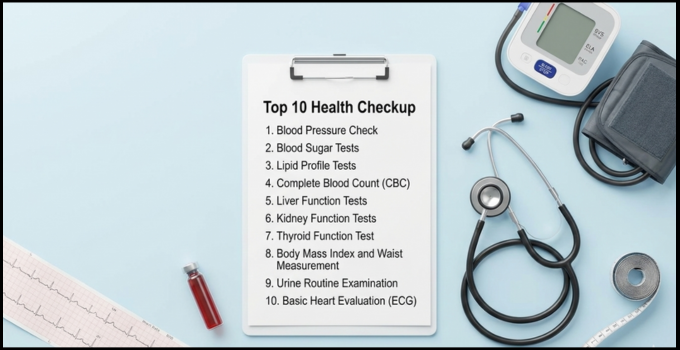
10 Essential Health Checkup Tests to Prioritise Early
These form the core of most full-body checkup recommendations and are useful for most adults.
1. Blood Pressure Check
Most people with high blood pressure do not experience symptoms early on. Therefore, simply taking a reading can alert you to any potential health problems before they occur. A health check-up, which includes blood pressure monitoring, should be a part of your annual physical examination.
2. Blood Sugar Tests
The fasting blood sugar and HbA1c tests can help indicate whether diabetes or prediabetes may be present. Given the alarming increase in diabetes diagnoses in India, this type of test is one of the most important routine health tests to do.
3. Lipid Profile
Based on the lipid profile, you can determine whether you have high cholesterol and any heart issues. If the results of your test indicate problems, it is wise to make necessary lifestyle changes to improve your health before medication is required.
4. Complete Blood Count (CBC)
The CBC is a test that allows for an evaluation of anaemia, infections, and a person's overall blood condition. This is often overlooked, but it is among the most useful medical tests to be performed each year.
5. Liver Function Tests
Liver function tests can help detect fatty liver, changes resulting from alcohol consumption, and the potential effects of medications. The symptoms associated with the above-mentioned conditions may be absent, which is why these tests are valuable.
6. Kidney Function Tests
Your creatinine and urea levels indicate the health of your kidneys, as they are important markers for individuals suffering from Diabetes and High Blood Pressure.
7. Thyroid Function Test
Thyroid disease is very common in India, and can impact your weight, energy levels and mental state. Therefore, performing a simple blood test may help you catch the imbalances that occur with the Thyroid.
8. Body Mass Index and Waist Measurement
These two measurements are easy to take and represent simple indicators of metabolic health. They also allow you to create a health forecast and make long-term plans to prevent metabolic risks from developing.
9. Urine Routine Examination
Routine Urinalysis can help to identify problems with your kidneys, as well as potential signs of Urinary Tract Infections and Metabolic Problems.
10. Basic Heart Evaluation (ECG if advised)
While an ECG may not be necessary for everyone, if you have experienced certain symptoms or have risk factors or a history of heart disease within your family, an ECG may be advised to evaluate the health of your heart.
Together, these form the backbone of preventive tests for adults and provide a clear snapshot of overall health.
Health Screenings by Age: What Matters Most
Not all tests suit every age group. Understanding health screenings by age prevents overtesting and confusion.
In Your 20s and 30s
Focus on:
Blood pressure
Blood sugar
CBC
Lipid profile (especially if family history exists)
At this stage, prevention works best through awareness and lifestyle habits.
In Your 40s
Add:
Regular cholesterol monitoring
Thyroid tests
Eye and dental checkups
Screening for diabetes and blood pressure more frequently
“Small changes now, prevent bigger problems later.”
In Your 50s and Above
Include:
Heart health evaluations
Bone health screening if advised
Cancer screenings based on a doctor's guidance
These preventive health checkups aim to detect conditions before symptoms affect daily life.
Health Checkups You Can Delay (If You’re Low Risk)
Many tests do not need to be performed annually; if you understand which health checkups you can delay, you will conserve money and unnecessary worry.
Some routine tests may safely be done later than one year, such as:
Advanced imaging studies (like MRIs and CTs) without any concerning symptoms.
Testing for vitamins when a person does not have symptoms suggestive of a vitamin deficiency.
Testing for hormone levels when there is no clinical indication.
Re-testing a person who had a normal result from an ECG or some scan, and there are no new symptoms of concern.
Remember, the decision to delay tests is made after talking about the risks with your physician.
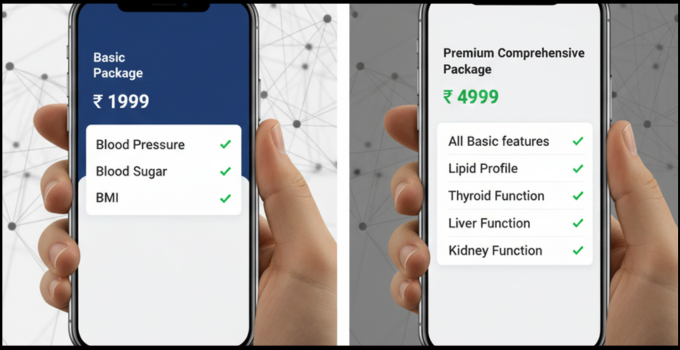
How to Choose the Right Annual Health Checkup Package
Many people book large packages without understanding what they include. A good annual health checkup list should match your age, lifestyle, and medical history.
Before booking, ask:
Does this include essential routine medical tests?
Are tests relevant to my age and risk factors?
Can I customise instead of choosing a fixed package?
Avoid packages that add dozens of tests without explanation.
Why Preventive Health Checkups Matter More Than Ever
Prevention is the focus of preventive care, so patients can avoid developing illnesses rather than treating them after they have developed. In many cases, people in India develop lifestyle-related conditions that go unnoticed until they have progressed and developed complications that require emergency treatment.
Regular preventive health checkups provide the opportunity to:
Make decisions based on complete information about your lifestyle
Minimise future healthcare costs
Prevent unnecessary medical emergencies
It is much more effective to schedule regular preventive checkups (one per year) that are consistent with the patient's needs, rather than many random screenings.
A clinical discussion article on PubMed Central (PMC) explains that general health checks can increase identification of risk factors like hypertension and high cholesterol, but the evidence does not consistently show improved long-term outcomes.

Simple Habits That Improve the Value of Your Checkup
To get accurate results, follow all these recommendations:
Sleep well before tests
Avoid heavy meals the night before
Inform your doctor about current medicines
Follow fasting instructions correctly
These small steps ensure reliable reports and better medical advice.
Frequently Asked Questions (FAQs)
1. What health checks should be done annually?
An annual health checkup usually includes blood pressure measurement, blood sugar tests, cholesterol levels, complete blood count, and basic liver and kidney function tests. These tests help detect common lifestyle-related conditions early, even when symptoms are not obvious.
2. What are the most important health checks?
The most important health checks are those that identify silent health risks. Blood pressure, blood sugar, cholesterol, and body weight are assessed highly because they directly affect heart health, diabetes risk, and long-term well-being.
3. What are the 5 main tests for a full body checkup?
The five main tests often included in a basic full-body checkup are fasting blood sugar, lipid profile, complete blood count, liver function test, and kidney function test. Together, these give a broad picture of metabolic and organ health.
4. Which health checkups are necessary for adults?
Necessary health checkups for adults include routine medical tests such as blood pressure monitoring, blood sugar testing, cholesterol screening, and periodic thyroid checks. The exact tests depend on age, lifestyle, and personal or family health history.
5. What is the best time to do health checkups?
The beginning of the year is often the best time to do health checkups because routines are more stable and results can serve as a baseline for the rest of the year. Early testing also allows enough time to make lifestyle changes if needed.
6. Do healthy people also need preventive health checkups?
Yes. Preventive health checkups help healthy people identify early risk factors before symptoms appear. Many conditions, such as high blood pressure or early diabetes, develop quietly and are easier to manage when detected early.
Final Thoughts: Plan Smart, Not Excessive
Health checkups should feel empowering, not overwhelming. Prioritising the right tests at the start of the year gives clarity and direction for the months ahead. By focusing on essential medical tests to do every year and understanding which ones can wait, you protect both your health and your peace of mind.
A thoughtful annual health checkup is not about fear. It is about staying informed, prepared, and in control.
Read Also
References:
Lasse T Krogsbøll et.,al.General health checks in adults for reducing morbidity and mortality from disease. Cochrane Database Syst Rev. 2019 Jan 31;1(1):CD009009. doi: 10.1002/14651858.CD009009.pub3.
Andrea Cherrington et.,al. Do adults who believe in periodic health examinations receive more clinical preventive services? Prev Med. 2007 Oct;45(4):282-9. doi: 10.1016/j.ypmed.2007.05.016. Epub 2007 Jun 2.
Richard Birtwhistle et.,al Periodic preventive health visits: a more appropriate approach to delivering preventive services. Can Fam Physician. 2017 Nov;63(11):824–826.
Disclaimer: The content in this blog is for general informational purposes only and is not a substitute for professional medical advice, diagnosis, or treatment. Always consult your doctor or a registered dietitian before making any changes to your diet, especially if you have a medical condition or are taking prescribed medication. While the information is based on trusted sources, individual needs and results may vary. MrMed does not promote or endorse any specific food or treatment mentioned unless explicitly stated.











Comments