

January Is Thyroid Awareness Month





Last updated on 06 Jan 2026
Key Takeaways
|
“Awareness is the first step in healing - Dr. Dean Ornish”
January often feels like a reset button. New plans, fresh habits, and a chance to take health a little more seriously. That is exactly why Thyroid Awareness Month is observed every January across the world.
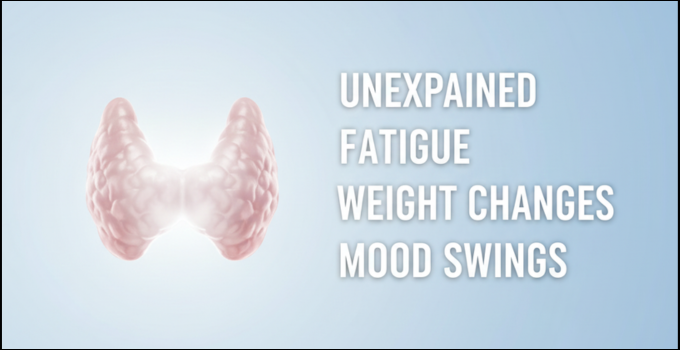
In India, thyroid disorders affect far more people than most realise. Around 42 million Indians live with a thyroid condition, yet nearly one-third remain undiagnosed. Many individuals dismiss symptoms such as weight changes, fatigue, mood swings, or irregular periods, unaware that these may be early signs of a thyroid imbalance.
As we step into Thyroid Awareness Month 2026, the focus is not on fear but on clarity. Understanding how the thyroid works, spotting symptoms early, and knowing when to get tested can prevent long-term complications like infertility, heart problems, joint pain, and metabolic issues.
History Of Thyroid
The thyroid gland has been recognised for centuries, long before modern medicine existed. In 1656, Thomas Wharton coined the term “thyroid”, derived from a Greek word meaning shield, inspired by the shape of the thyroid cartilage.
According to NIH 2022, Ancient Chinese medicine texts from the era of the Yellow Emperor, Hung Ti, described the use of seaweed to treat goitre. This early observation eventually led to the discovery of iodine by Bernard Courtois in 1811, a turning point in thyroid treatment.
The use of iodine as a treatment for thyroid disorders was widespread in Europe by the early 1820s. In 1923, the American Thyroid Association was formed to help standardise research methods, diagnosis, and therapeutic options related to thyroid dysfunction. Thyroid Awareness campaigns continue worldwide today, with the Thyroid Awareness Ribbon and the colour blue, which represents peace, balance and awareness.
What Is The Thyroid Gland?
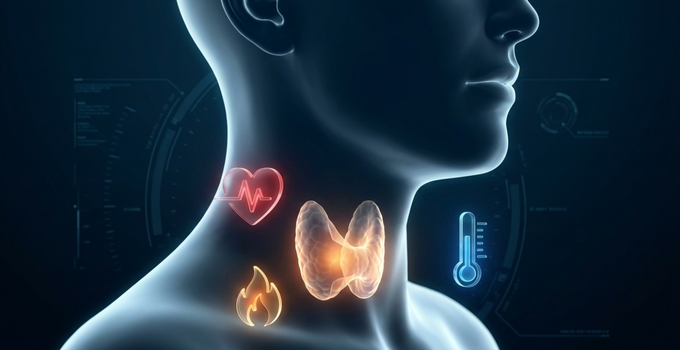
The thyroid is a small, butterfly-shaped gland located at the base of your neck, just above the collarbone. Despite its size, it acts like a control centre for many essential body functions. It influences how fast or slow your body uses energy, helps regulate body temperature, supports heart function, and plays a role in mood and concentration. When the thyroid is not working properly, even small imbalances can affect overall health in noticeable ways.
The thyroid produces hormones that assist in regulating:
Metabolism
Energy levels
Heart rate
Body temperature
Weight
Menstrual cycles and reproduction
If the thyroid produces too little (hypothyroid) or too much (hyperthyroid) hormone, this imbalance can affect almost all organ systems. Because of this, thyroid problems can be confusing; symptoms can appear throughout the body and often involve more than one symptom of thyroid imbalance.
What Are The Symptoms You Should Observe?
Thyroid conditions include hypothyroidism, hyperthyroidism, goitre, and thyroid nodules, which may be benign or malignant. The symptoms can vary widely depending on the type of disorder and its severity. In many cases, signs appear gradually and are mistaken for stress, ageing, or lifestyle issues. This is why thyroid problems often go unnoticed until routine testing or persistent symptoms prompt medical evaluation.
Thyroid symptoms in women often include:
Weight gain
Fatigue
Irregular periods
Hair thinning
Fertility issues
PCOS and thyroid connection
Thyroid symptoms in men may present as:
Reduced stamina
Weight changes
Mood changes
Low libido
Muscle weakness
Some early signs of thyroid imbalance include cold intolerance, constipation, unexplained anxiety, dry skin, or swelling in the neck. These symptoms are often subtle and mistaken for lifestyle stress.
Thyroid Tests And Their Importance
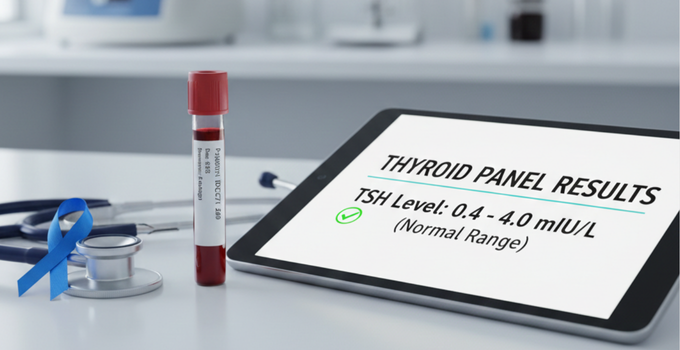
Thyroid testing is both easy to do and very informative. A standard blood test is a T3, T4 and TSH test that measures the hormone concentrations produced by the thyroid.
A woman would typically be considered to have a TSH normal range between 0.4-4.0 mlU/L, but optimal values will vary for each person.
T3 and T4 levels represent the amount of thyroid hormones present in the body. In some cases, it would be advisable to perform antibody tests and perform diagnostic imaging (such as an ultrasound).
Thyroid hormones regulate our energy levels, and an untreated imbalance places undue stress on the heart, brain, and metabolism. For women, individuals with polycystic ovarian syndrome, individuals with a family history of thyroid problems, and individuals who are experiencing unexplained weight changes, it is important to have regular thyroid testing done.
Why Thyroid Awareness Month Is Important
The theme for Thyroid Awareness Month 2026 focuses on educating people about why early detection, ongoing awareness, and long-term management of thyroid conditions truly matter. Thyroid disorders often develop quietly, and many individuals remain undiagnosed for years because early symptoms are subtle and easily overlooked, even in people who otherwise feel healthy.
Delayed diagnosis is one of the biggest challenges in thyroid care. Untreated thyroid conditions can affect metabolism, heart health, mental well-being, fertility, and overall energy levels.
By recognising symptoms early and encouraging routine thyroid screening, people can take timely action. Simple steps such as regular check-ups, following prescribed treatment, maintaining a balanced diet, and staying informed can significantly reduce complications and help individuals manage their condition effectively, leading to a better quality of life.
Simple Management Tips
Consistency in thyroid disease management is more important than restrictions. You will begin with a medical plan to manage the initial thresholds; however, consistent day-to-day behaviours will support an ongoing level of state of health.
Daily behaviours that assist in managing a person with thyroid disease include the following:
Take your medications as prescribed
Do NOT skip doses of your medications
Have blood tests taken regularly for monitoring
Manage Stress
Many patients have questions regarding the Thyroid medication side effects. Side effects associated with thyroid medication are typically associated with incorrect or irregular dosing.
Diet, Vitamins, and Lifestyle Support
While it is impossible to cure thyroid disorders through nutritional means, following an appropriate diet will help you maintain your health. The average diet for hypothyroidism will include whole foods which provide at least some fibre, protein and essential vitamins and minerals.
A successful weight-loss programme for someone suffering from hypothyroidism will not require them to restrict their calorie intake to lose weight.
The top five vitamins and supplements to support normal thyroid function are: iodine (in appropriate dosages), selenium, zinc, vitamin D and vitamin B12. Practising gentle yoga regularly can help reduce the effects of stress on your thyroid and improve how your body metabolises food.
Stopping smoking and achieving adequate daily sunlight exposure will also help keep your hormonal levels in balance.

Common Myths And Facts About Thyroid
Myth: Thyroid disease affects only middle-aged women
Fact: Anyone can develop thyroid disease, though women are more commonly affected
Myth: All thyroid lumps mean cancer
Fact: Over 90% of nodules are non-cancerous
Myth: Weight loss is impossible with thyroid disease
Fact: Well-controlled thyroid levels support normal weight management
Myth: Diet alone can cure thyroid
Fact: Medication restores hormone balance; diet supports overall health
Be All Ears! January Is Thyroid Awareness Month
The thyroid hormone affects just about every organ and system in the body, and its effects are often so mild that they are missed. With early diagnosis, nearly all patients will be able to live a healthy and normal life with the appropriate treatment and follow-up.
As part of Thyroid Awareness Month, please slow down for a moment and think about how your body feels and what it tells you. It's important to educate others about the importance of thyroid awareness, as it's not about worrying but about seeking medical advice at the right time.
FAQs (People Also Ask)
1. What is Thyroid Awareness Month, and why is it important?
Thyroid Awareness Month is observed every January to educate people about thyroid disorders, their symptoms, testing, and treatment. It helps promote early diagnosis, which can prevent long-term complications and improve quality of life.
2. What is the Thyroid Awareness Month theme 2026?
Early symptom detection, regular screening, and long-term thyroid management via awareness, testing, and consistent care are the main themes of Thyroid Awareness Month 2026.
3. What are the early signs of thyroid problems?
Common early signs of thyroid imbalance include unexplained weight changes, constant fatigue, hair thinning, mood changes, sensitivity to cold or heat, and irregular menstrual cycles in women.
4. What is the normal TSH range?
TSH typically ranges from 0.4 to 4.0 mIU/L. However, the optimal range may change based on personal health conditions, age, and pregnancy status.
5. Can diet and yoga help manage thyroid problems?
Indeed. A balanced hypothyroidism diet chart, appropriate nutrients, and gentle yoga for thyroid problem management can support metabolism, lower stress levels, and enhance overall well-being, even though diet cannot replace medication.
6. Is there a connection between PCOS and thyroid disorders?
Indeed. The relationship between thyroid and PCOS is widely acknowledged. Thyroid imbalances, which can impact menstrual health, weight, and fertility, are more common in women with PCOS.
Final Note
Thyroid disorders can be identified, treated, and controlled; however, many people with thyroid problems don't know that they have them. It is not that there aren't medical treatments available, but rather that people frequently have thyroid disorders but don't see the physician until the patient has had the symptoms for years, assuming those symptoms were simply the result of stress or ageing.
Proper care, including appropriate treatment and adequate monitoring, will greatly increase the likelihood of most people with thyroid disorders leading productive and fulfilling lives. This month, be reminded that prevention through early detection, monitoring, and utilisation of lifestyle changes will help most people with thyroid disorders improve their overall health and continue to enjoy life.
Read Also
References
Unnikrishnan AG, Menon UV. Thyroid disorders in India: An epidemiological perspective. Indian J Endocrinol Metab. 2011 Jul;15(Suppl2):S78–S81. doi: 10.4103/2230-8210.83329
Unnikrishnan AG, Kalra S, Sahay RK, Bantwal G, John M, Tewari N. Prevalence of hypothyroidism in adults: An epidemiological study in eight cities of India.Indian J Endocrinol Metab. 2013 Jul;17(4):647-52. doi: 10.4103/2230-8210.113755.
American Thyroid Association. Thyroid disease overview. ATA Clinical Resources.
Available from: https://www.thyroid.org/thyroid-disease/
Disclaimer: The content in this blog is for general informational purposes only and is not a substitute for professional medical advice, diagnosis, or treatment. Always consult your doctor or a registered dietitian before making any changes to your diet, especially if you have a medical condition or are taking prescribed medication. While the information is based on trusted sources, individual needs and results may vary. MrMed does not promote or endorse any specific food or treatment mentioned unless explicitly stated.













Comments