

The Overlooked Anxiety of Waiting for Medical Test Results





Last updated on 02 Jan 2026
Key Takeaways
|
Waiting for medical test results can feel heavier than the test itself. The days longer, your phone feels louder, and your mind keeps returning to the same question: What if the results are bad? Whether you are waiting for blood tests, scans, or biopsy reports, this period of uncertainty can quietly take over your thoughts.
If you are experiencing anxiety waiting for test results, you are not weak or overreacting. What you are feeling is a very real human response to uncertainty.
This guide is a gentle mental health check-in for anyone waiting, worrying, and trying to hold themselves together while answers are still out of reach.
Why Waiting for Test Results Triggers So Much Anxiety
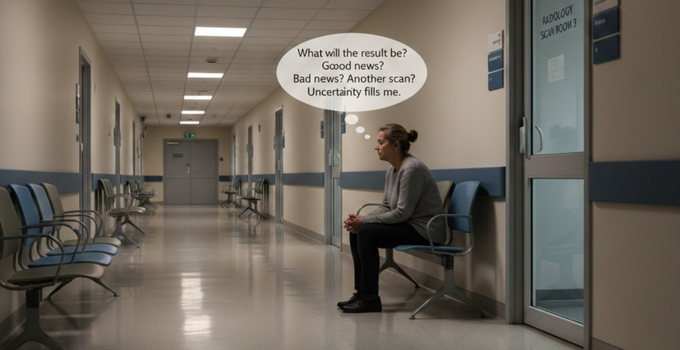
The brain is designed to look for certainty. When answers are delayed, the mind fills the gap with possibilities, often worst-case ones. This is why waiting for test results for cancer or other serious conditions can feel emotionally exhausting.
Common experiences during this phase include:
Constant overthinking and replaying symptoms
Fear of bad news medical results
Difficulty sleeping or concentrating
Physical symptoms like chest tightness or stomach discomfort
This state of heightened alertness is often called scanxiety, a mix of scan-related stress and anxiety. It is common, understandable, and temporary, even though it may not feel that way right now.
As per the World Health Organisation’s fact sheet on anxiety disorders, excessive anxiety can involve intense fear or worry that is difficult to control and may include symptoms such as restlessness, difficulty concentrating, sleep disturbance, and physical discomfort.
What Is Health Anxiety and How Is It Different From Normal Worry?
Health anxiety (hypochondria) results in excessive levels of concern, stress and nervousness about one's condition or the state of their health.
Knowing how to identify health anxiety and its various indicators will help you relieve your anxiety around it. Health anxiety is different from typical anxiety (which can last anywhere from a few minutes to several days, but typically does not persist for weeks, months, years).
Examples of symptoms that can indicate health anxiety are:
Repeatedly checking online or in literature for information about their symptoms.
Thinking that each sensation or symptom they experience means they have a severe illness.
Extreme anxiety concerning the results of a medical test or the diagnosis prior to receiving that diagnosis.
Lack of trust in the medical professional's opinion concerning whether the patient is healthy and suffering from a significant illness.
Additionally, for some individuals with health anxiety, the level of health anxiety can increase during the waiting period before receiving their medical test results.
How to Cope With Medical Uncertainty Without Forcing Positivity
When someone says to "stay positive" while waiting for medical tests, it is usually meant well, but it can invalidate the experience of waiting for test results. Coping with health-related uncertainty is more than just pretending everything is fine. Healthy coping methods include:
Acknowledging that fear exists without judging it
Allowing for worrying, but not letting it control your entire day
Concentrating on what you can control in the present moment
You don't have to eliminate all worries about your upcoming medical tests; however, your goal should be to decrease the degree to which your worry has power over your mind and body.
Practical Tips While Waiting for Biopsy or Scan Results
If you are looking for practical tips for waiting for biopsy results or scan reports, a small structure can help calm the nervous system.
Helpful steps:
Decide one or two times a day to think about results, not all day
Avoid repeatedly refreshing reports or hospital portals
Write down questions for your doctor instead of rehearsing fears
Maintain basic routines like meals and sleep
These steps reduce emotional overload without ignoring reality.
Distraction Techniques While Waiting for Diagnosis
"Deliberate distraction" does not imply running away, but rather it represents the importance of providing your brain with a break or rest, so it can recover from its ongoing state of alarm, where it constantly feels like there is a threat.
Some common examples of positive distraction methods include:
Light Physical Activity, like walking and stretching.
Viewing programmes that are both familiar and comforting to you.
Organising something small and tangible, for example, a drawer.
Listening to music or audiobooks.
These methods are designed to let the nervous system know that life does not always require operating in emergency mode every second.
Scanxiety Management Techniques That Help During Long Waits
Scanxiety management techniques work best when they address both mind and body.
You may try:
Slow breathing (inhale 4 seconds, exhale 6 seconds)
Grounding using the five senses
Free mindfulness exercises for anxiety are available online
Body relaxation before sleep
These techniques lower physical stress signals, which in turn quells mental panic.
As per a PubMed Central cohort study on scanxiety and follow‑up imaging, a majority of patients experienced significant anxiety during the scan‑to‑results waiting period, and emotional functioning was worse for patients experiencing scanxiety compared with those without, which often eased after results were received.
Encouraging Words for Someone Waiting for Test Results
When fear feels loud, words matter. If you are waiting, or supporting someone who is, gentle reassurance can help.
Helpful reminders:
Waiting does not mean the worst outcome
Anxiety does not predict results
You are allowed to seek support before answers arrive
Encouraging words for someone waiting for test results should focus on presence rather than predictions. Saying “I’m here with you” is often more helpful than “Everything will be fine.”
When Anxiety Starts Affecting Daily Life
When your worries are affecting your sleep, eating habits, performance at work, or aspects of your life such as family or friends, it is likely a good idea to obtain support from someone with expertise in helping you cope with the difficulties created by those worries. The following signs would indicate that professional assistance would be beneficial:
Panic attacks and/or constant agitation
Difficulty concentrating on everyday tasks
Ongoing fear after getting reassurance from other sources
In this period, many individuals are seeking psychotherapists for their health anxiety. Seeking support is not the last option but a component of treatment.
Mental Health Support Options in India
India has growing access to mental health services, including confidential and affordable options.
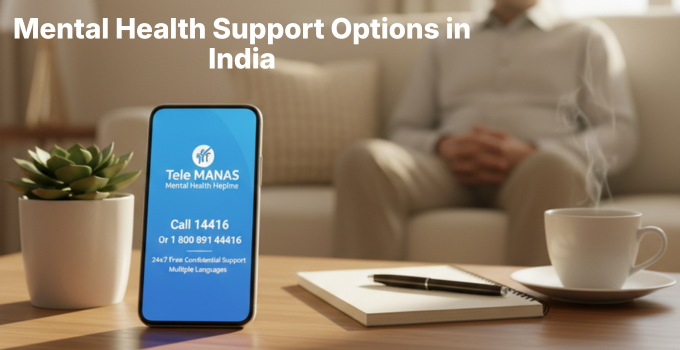
Tele-MANAS helpline numbers
Number: 14416 or 1-800-891-4416
Available 24x7
Free, confidential support in multiple languages
Tele-MANAS is a reliable mental health support India helpline for people experiencing emotional distress, anxiety, or fear related to health issues.
Other options include:
Online therapy for medical anxiety in India
Hospital-based psycho-oncology services
Local counsellors and clinical psychologists
Reaching out does not mean something is wrong with you. It means you are taking care of yourself.
Support Groups for Patients Awaiting Serious Results
When people have similar experiences, it is less isolating and more effective in helping them feel supported. Support Groups provide different types of support for cancer survivors waiting for test results or facing a diagnosis.
Benefits of Support Groups:
You will be understood without having to explain yourself.
You will learn to cope with your fears and challenges by seeing how others have coped with theirs.
People working through their anxiety will feel less ashamed because of the fear associated with cancer.
There are online and in-person support groups offered by various hospitals and Non-Governmental organisations (NGOs) to help those who are struggling with cancer anxiety.
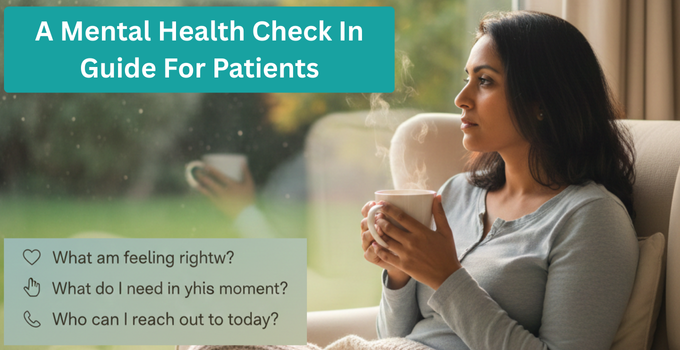
A Gentle Mental Health Check-In Guide for Patients
Use this short patient check-in guide for mental health during the waiting period:
Ask yourself:
What am I feeling right now?
What do I need in this moment?
Who can I reach out to today?
Even one honest answer can bring relief.
Frequently Asked Questions
1. What is health anxiety (hypochondria)?
Health anxiety is a persistent fear of serious illness despite medical reassurance, often triggered by symptoms, tests, or uncertainty.
2. Why do people feel anxiety while waiting for test results?
Uncertainty activates the brain’s threat response, making people imagine worst-case outcomes even before results are available.
3. How can I manage fear of bad medical news results?
Focus on what you can control, limit repeated checking, practice grounding exercises, and seek emotional support when fear feels overwhelming.
4. How to cope with waiting for cancer test results?
Maintain daily routines, reduce constant information seeking, allow support from others, and consider professional mental health help if anxiety becomes unmanageable.
5. Is severe anxiety over medical tests normal?
Yes. Severe anxiety over medical tests is common, especially when results may affect future health decisions.
6. Do distraction techniques actually help while waiting for a diagnosis?
Yes. Short, intentional distractions calm the nervous system and reduce constant rumination without avoiding emotions.
7. When should I seek professional help for health anxiety?
If anxiety disrupts sleep, appetite, work, or relationships, consulting a psychologist or therapist can be helpful.
8. Can helplines support mental health during medical waiting periods?
Yes. Services like Tele-MANAS offer free, confidential support for emotional distress during uncertain medical situations.
Final Thoughts
During your time waiting for lab test results, you will experience a range of emotions. It is normal to have feelings of fear, to experience anxiety related to uncertainty, and to feel vulnerable because you are waiting for test results. At the same time, you should never mistake anxiety during your waiting time as a sign that you will receive bad news, nor should you feel weak for needing emotional support.
Anyone who is currently waiting for their test result has every right to be afraid, to seek out emotional support, and to work on maintaining their mental well-being before receiving their results; you should never be scared to express your feelings or to reach out to others for help if necessary.
Read Also
References
David B Portnoy, Waiting is the hardest part: anticipating medical test results affects processing and recall of important information, Soc Sci Med. 2010 Jul;71(2):421-428. doi: 10.1016/j.socscimed.2010.04.012.
Steitz, B. D., Turer, R. W., Salmi, L., Suresh, U., MacDonald, S., Desroches, C. M., … Rosenbloom, S. T. (2025). Repeated Access to Patient Portal While Awaiting Test Results and Patient-Initiated Messaging. JAMA Network Open, e254019. https://doi.org/10.1001/jamanetworkopen.2025.4019
Caton, S., O’Brien, E., Pannelay, A. J., & Cook, R. G. (2016). Assessing the clinical and cost impact of on-demand immunoassay testing for the diagnosis of heparin induced thrombocytopenia. Thrombosis Research, 140, 155–162. https://doi.org/10.1016/j.thromres.2016.01.025
Disclaimer: The information shared in this blog is meant for general educational purposes only and should not be taken as medical advice. Always consult a qualified healthcare professional for diagnosis, treatment, or medical guidance related to your health. The content is based on reliable sources, but it may not be suitable for every individual’s condition. We do not assume responsibility for any actions taken based on this information. Readers are encouraged to exercise caution and use their discretion when making healthcare decisions.











Comments