

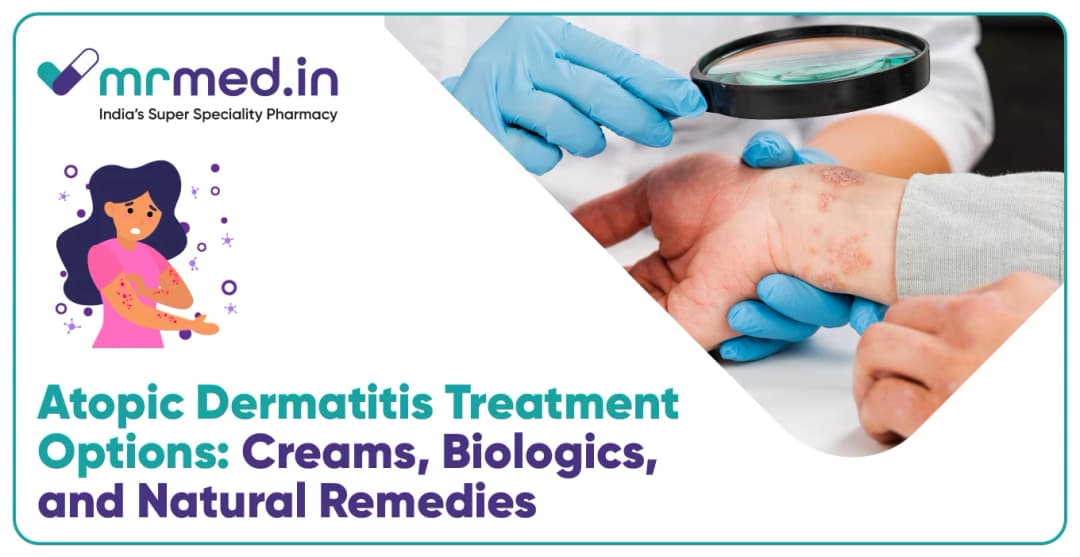
Atopic Dermatitis Treatment Options: Creams, Biologics, and Natural Remedies





Last updated on 02 Jan 2026
Atopic dermatitis is a chronic skin condition that often causes dryness, itching, and inflammation. Its effects can range from mild irritation to severe discomfort, affecting sleep, daily activities, and emotional well-being.
The condition often appears in childhood but can persist or even start in adulthood. While there is no definitive cure, proper management and a combination of therapies can significantly improve quality of life. Early recognition of triggers and consistent skin care are essential in reducing flare-ups and preventing complications.
Understanding the Condition
Atopic dermatitis is caused by a combination of genetic and environmental factors. A compromised skin barrier allows irritants, allergens, and microbes to penetrate, triggering an immune response that leads to inflammation.
Common triggers include dust, pollen, harsh soaps, stress, and changes in temperature or humidity. Individuals with a family history of allergies, asthma, or eczema are at higher risk. Scratching affected areas often exacerbates the condition, resulting in thickened skin, secondary infections, and persistent discomfort.
Daily Skin Care Practices
Daily routines play a crucial role in managing atopic dermatitis. Gentle cleansing, regular moisturization, and avoiding irritants help maintain the skin barrier. Using mild, fragrance-free cleansers reduces the risk of irritation. Moisturisers should be applied immediately after bathing to lock in moisture, with richer emollients preferred for very dry areas. Clothing made of soft fabrics, such as cotton, minimises friction while maintaining moderate indoor humidity, which prevents excessive dryness. These simple measures can reduce the frequency and severity of outbreaks.
Topical Medications
A recent survey published in Cureus in 2025 gathered insights from Indian dermatologists regarding the management of atopic dermatitis. The survey revealed that topical corticosteroids (TCS) and topical calcineurin inhibitors (TCIs) are predominantly recommended as first-line treatments for AD.
Topical treatments are the first line of management for most individuals with atopic dermatitis treatment. They work by calming inflammation, relieving itching, and restoring the skin barrier.
-
Moisturising Creams and Ointments: Regular application of emollients helps prevent water loss and maintains skin hydration. Choosing the best cream for eczema often depends on skin type and affected areas, with ingredients such as ceramides, glycerin, and shea butter being highly effective.
-
Anti-Inflammatory Creams: Corticosteroid creams, such as hydrocortisone, are commonly used to control redness and swelling during flare-ups. Non-steroidal options offer long-term relief, particularly for individuals with sensitive skin, and minimise potential side effects.
Consistent application and proper technique enhance the effectiveness of these topical treatments, making them crucial for managing both mild and moderate cases.
Advanced Biological Therapies
According to the ICMR's Standard Treatment Workbooks, for severe cases of AD that are resistant to conventional treatments, phototherapy or systemic treatments may be considered. These systemic treatments include short courses of oral corticosteroids, cyclosporine, and azathioprine.
For individuals whose symptoms do not respond to conventional creams, advanced therapies targeting the immune system may be considered. These medications aim to address the root causes of inflammation rather than just symptoms.
-
Targeted Biologics: These therapies block specific immune pathways involved in the inflammatory process. Clinical studies have shown significant reductions in itchiness, redness, and skin thickening for patients who receive these treatments.
-
Dupilumab for Eczema: A widely recognised biologic therapy, dupilumab for eczema is administered via injection and provides significant relief for moderate to severe cases. It works by targeting specific immune pathways responsible for inflammation.
-
Janus kinase (JAK1) inhibitor: Abrocitinib and Upadacitinib are oral inhibitors used to treat moderate to severe atopic dermatitis in patients who do not respond well to topical therapies. Blocking JAK1 signalling reduces inflammation, itching, and other symptoms, offering rapid relief and improved skin clearance for many individuals.
Biologic therapies require careful monitoring and are typically administered under the supervision of specialised healthcare professionals. They offer hope for long-term control in cases of chronic and severe disease.
Light-Based Treatments
Controlled exposure to specific wavelengths of light can be beneficial for individuals with widespread or treatment-resistant skin inflammation. Light therapy for eczema helps reduce immune system overactivity and promotes skin healing.
-
Narrowband UVB Therapy: This involves exposure to a specific range of ultraviolet light that reduces inflammation and itching. Sessions are conducted multiple times per week under medical supervision.
-
PUVA Therapy: Combining a light-sensitising agent with UVA exposure can treat severe cases. While effective, it carries a higher risk of side effects and requires careful oversight.
Light therapy is particularly useful when topical and systemic medications are insufficient, offering an alternative pathway to symptom relief.
Natural Approaches and Remedies
“Docosahexaenoic acid (DHA) supplementation in atopic eczema: a randomised, double-blind, controlled trial” – In this trial, adults with moderate to severe atopic eczema who took 5.4 g/day of DHA (an omega-3 fatty acid) for 8 weeks had a significant improvement in disease severity (measured by the SCORAD index).
Natural remedies can complement medical treatments by reducing inflammation and supporting skin barrier function. While individual responses vary, some natural strategies are widely recognised for their benefits.

-
Oatmeal Baths: Colloidal oatmeal helps soothe irritated skin, providing temporary relief from itching.
-
Coconut Oil: Its moisturising and antibacterial properties can protect the skin while keeping it hydrated.
-
Aloe Vera: Known for its healing properties, aloe gel can reduce redness and irritation.
-
Dietary Considerations: A diet rich in anti-inflammatory nutrients, such as omega-3 fatty acids, antioxidants, and vitamins, may help reduce flare-ups. Avoiding allergens like dairy or nuts can also benefit some individuals.
-
Probiotics: Certain strains may modulate immune responses and contribute to improved skin health in some patients.
Patch testing new natural treatments is advised to prevent adverse reactions.
Lifestyle Modifications
A holistic approach combining atopic dermatitis treatment with lifestyle changes can optimise outcomes. Adequate sleep, stress control, and maintaining a healthy weight support immune system balance and reduce inflammation.
Regular monitoring of skin condition and early intervention during flare-ups prevent severe episodes. Adopting consistent skincare routines and using protective clothing or barrier creams in challenging environments also minimises irritation.
Promising Research and Future Treatments
Ongoing research aims to develop more precise and personalised therapies. Studies on immune system modulation, gene therapy, and innovative topical formulations show promise for improved outcomes. Emerging biologics and innovative light treatment methods for eczema may expand treatment options for patients in the near future.
Practical Tips for Managing Flare-Ups
-
Apply moisturisers regularly and after bathing.
-
Use gentle, fragrance-free cleansers.
-
Avoid scratching and protect your hands and nails.
-
Maintain moderate indoor humidity.
-
Wear soft, breathable fabrics.
-
Keep a diary of potential triggers and flare-ups to help identify patterns and manage symptoms.
-
Consider natural treatment for eczema as complementary support.
These small steps, when combined with medical therapies, help maintain skin integrity and reduce symptom severity.
FAQs
1. What is atopic dermatitis?
Atopic dermatitis, also known as eczema, is a chronic skin condition characterised by redness, itching, and dryness. It can appear in children and adults.
2. What causes atopic dermatitis?
It is caused by a combination of genetic factors, a weak skin barrier, and an overactive immune system. Allergens, harsh soaps, stress, and weather changes can trigger flare-ups.
3. How is atopic dermatitis diagnosed?
Doctors typically diagnose it by examining the skin and inquiring about symptoms, family history, and potential triggers. Sometimes allergy tests or skin tests may be done to identify specific triggers.
4. What are the common treatment options?
Treatment includes:
-
Topical creams and moisturisers to reduce dryness and inflammation
-
Biologics for severe cases
-
Light therapy for resistant skin
-
Natural remedies like coconut oil, oatmeal baths, or aloe vera
5. Can atopic dermatitis be cured?
There is no permanent cure, but symptoms can be managed effectively with proper treatment and skin care routines.
6. How can I choose the best cream for eczema?
Look for creams with moisturising ingredients like ceramides, shea butter, or glycerin. Avoid scented or harsh products, and follow your doctor’s advice.
Final thoughts
Effective management of atopic dermatitis involves a combination of therapies, consistent skincare, and lifestyle adjustments. Topical treatments form the foundation of care, while advanced immune-targeted therapies and light-based interventions offer relief for more severe cases. Natural approaches and dietary considerations can complement medical treatments and enhance skin health.
Identifying triggers, adopting protective routines, and seeking timely specialist care are essential in controlling flare-ups and improving quality of life. With advancements in research and treatment options, patients have access to increasingly effective strategies for long-term management and symptom control.
Read also
Atopic Dermatitis Symptoms, Stages, and Diagnosis: How to Identify It Early
References
Disclaimer: The content in this blog is for general informational purposes only and is not a substitute for professional medical advice, diagnosis, or treatment. Always consult your doctor or a registered dietitian before making any changes to your diet, especially if you have a medical condition or are taking prescribed medication. While the information is based on trusted sources, individual needs and results may vary. MrMed does not promote or endorse any specific food or treatment mentioned unless explicitly stated.












Comments