
Sourced from:Manufacturer Authorized Distributor

Quick Summary
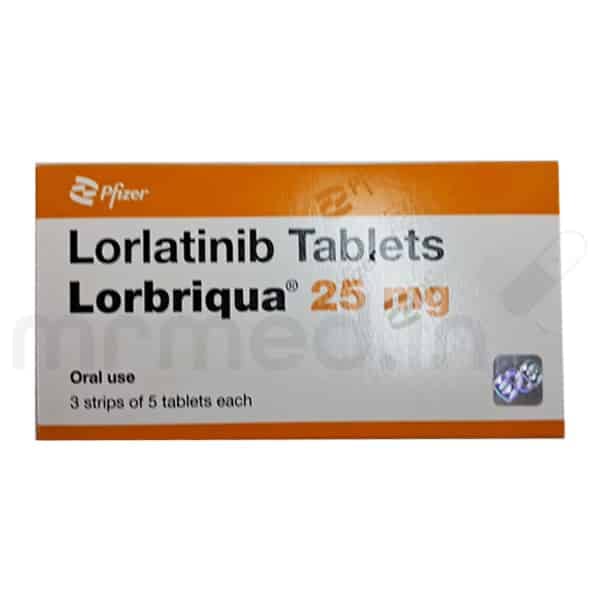
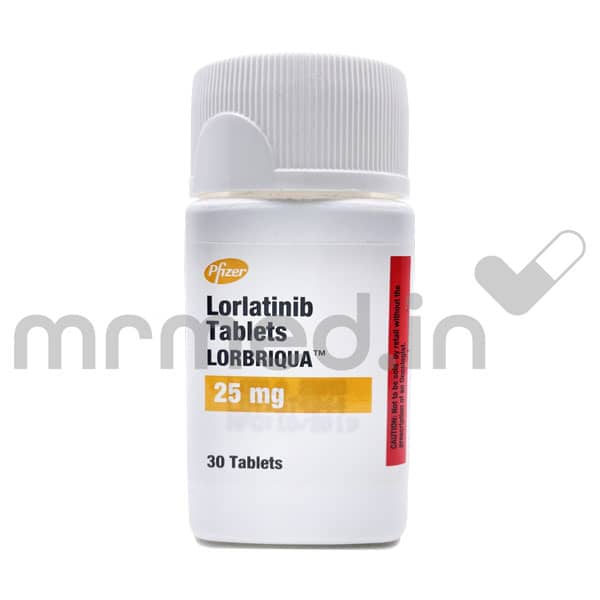
Lorbriqua 100mg Tablet 15's

Last updated on 01 Oct 2026 | 11:21 AM (IST)
₹117350
MRP: ₹146250
(You Save ₹28900)
15 TABLET(s) IN A BOX
Sourced from:Manufacturer Authorized Distributor


Lorbriqua 100mg Tablet 15's
Salt Composition
LORLATINIBPAP Offer
Buy 1, get 1 Free. Contact us for latest updates.
Marketer
PFIZER LTD
20% OFF
₹117350
MRP: ₹1,46,250.00
Inclusive of all taxes
20% Off


Salt Composition
LORLATINIBPAP Offer
Buy 1, get 1 Free. Contact us for latest updates.
Marketer
PFIZER LTD

Dispatch: Today
Care delivered without the wait. Your order is prioritized for rapid dispatch to ensure it reaches your doorstep on time.
Substitutes
Lorbriqua 100mg Tablet
PFIZER LTD
₹ 7612.00/tablet
2% cheaper
Introduction
Lorbriqua 100mg Tablet 15's contains Lorlatinib, a kinase inhibitor. It is an oral prescription medicine used to treat adults with metastatic non-small cell lung cancer (NSCLC) whose tumours are anaplastic lymphoma kinase (ALK)-positive.
Lorbriqua 100mg Tablet is taken once daily, with or without food, as prescribed by an oncologist.
Uses of Lorbriqua 100mg Tablet
Lorbriqua 100mg Tablet 15's is used for:
ALK-positive metastatic non-small cell lung cancer (NSCLC): It is used to treat adults whose NSCLC has spread to other parts of the body and has been confirmed to be ALK-positive.
Before starting treatment, testing is performed to confirm that the tumour has an ALK alteration suitable for treatment with Lorlatinib.
How Lorbriqua 100mg Tablet Works
Lorbriqua 100mg Tablet contains Lorlatinib, which blocks the activity of ALK, a protein that can help certain cancer cells grow and survive when it is abnormally activated.
By inhibiting ALK signalling, Lorlatinib can slow or stop the growth and spread of ALK-positive cancer cells. It can also act against certain ALK alterations that may develop during treatment with other ALK-targeted medicines.
Interaction of Lorbriqua 100mg Tablet with Other Medicines
Lorbriqua can interact with medicines that affect Cytochrome P450 3A (CYP3A), an enzyme that helps the body break down many medicines.
Strong CYP3A inducers: Medicines such as rifampicin can significantly reduce Lorlatinib levels and may cause serious liver toxicity. These medicines should not be taken with Lorbriqua.
Moderate CYP3A inducers: These may reduce Lorlatinib levels and should generally be avoided. If their use cannot be avoided, your doctor may adjust the Lorlatinib dose.
Strong CYP3A inhibitors: Medicines such as itraconazole can increase Lorlatinib levels. Their use should generally be avoided or the Lorlatinib dose may need to be reduced.
Fluconazole: Concomitant use should generally be avoided. If it cannot be avoided, your doctor may reduce the Lorlatinib dose.
Other medicines affected by Lorlatinib: Lorlatinib can reduce the levels of certain CYP3A and P-glycoprotein (P-gp) substrates, which may reduce their effectiveness.
Tell your doctor about all prescription medicines, over-the-counter medicines, vitamins and herbal supplements you take before starting Lorbriqua.
Storage Conditions
Store Lorbriqua 100mg Tablet below 30°C.
Keep it out of the sight and reach of children.
Do not use the tablets after the expiry date printed on the pack.
Do not use the medicine if the pack is damaged or shows signs of tampering.
Store the tablets in their original pack as directed by your pharmacist.
How to Use
Take Lorbriqua 100mg Tablet exactly as prescribed by your doctor.
The usual recommended dose is 100mg once daily, with or without food. Take it at approximately the same time each day.
Swallow the tablet whole with water. Do not chew, crush or split the tablet. Do not take a tablet that is broken, cracked or otherwise damaged.
If you miss a dose, take it when you remember unless your next dose is due within 4 hours. Do not take two doses at the same time to make up for a missed dose.
If you vomit after taking Lorbriqua, do not take an additional tablet. Take the next dose at the usual scheduled time.
Your doctor may reduce the dose to 75mg once daily and then to 50mg once daily if you develop certain side effects. Do not change the dose or stop treatment on your own.
Safety Advice

Pregnancy
Lorbriqua can cause harm to an unborn baby. Women who can become pregnant should use effective non-hormonal contraception during treatment and for at least 6 months after the final dose.

Breast Feeding
Do not breastfeed while taking Lorbriqua and for 7 days after the final dose, as the potential risk to a breastfed infant is unknown.
Lungs
Lorbriqua can cause interstitial lung disease (ILD)/pneumonitis, which is inflammation or damage to lung tissue. Contact your doctor immediately if you develop new or worsening breathlessness, cough, weakness or fever.
Liver
Lorbriqua can cause liver toxicity, particularly when taken with strong CYP3A inducers. Severe hepatic impairment may require a lower dose. Your doctor may monitor liver function during treatment.

Alcohol
There is no specific alcohol restriction stated in the product information. However, alcohol may worsen some treatment-related symptoms. Follow your oncologist's advice about alcohol during treatment.

Driving
Lorbriqua may cause dizziness, cognitive changes, sleep-related effects or other central nervous system effects that can affect your ability to drive. Avoid driving or operating machinery if you experience symptoms that affect your alertness or coordination.
Side Effects
Common side effects
Swelling or oedema
Weight gain
Peripheral neuropathy
Changes in thinking or memory
Fatigue
Diarrhoea
Shortness of breath
Joint pain
High cholesterol
High triglycerides
Mood changes
Cough
Nausea
Constipation
Vomiting
Headache
Dizziness
High blood pressure
Vision changes
Muscle pain
Back pain
Reduced appetite
Fever
Rash
Some of these effects may be detected through blood tests, particularly increases in cholesterol, triglycerides, blood sugar or liver enzymes.
Serious side effects
Central nervous system effects: Seizures, severe changes in thinking, confusion, hallucinations, significant mood changes or changes in speech may occur.
Interstitial lung disease/pneumonitis: This can cause serious or life-threatening inflammation of the lungs.
Heart rhythm problems: Lorbriqua can cause atrioventricular (AV) block, which affects the electrical conduction of the heart.
Severe liver toxicity: The risk is particularly important when Lorlatinib is taken with strong CYP3A inducers.
Severe hyperlipidaemia: Marked increases in cholesterol or triglycerides may require treatment or a change in the Lorbriqua dose.
Severe hypertension: Blood pressure can become significantly elevated during treatment.
Severe hyperglycaemia: Lorbriqua can cause or worsen high blood sugar.
Severe allergic reactions: Seek urgent medical attention if you develop swelling, breathing difficulty or other signs of a serious allergic reaction.
Contact your doctor promptly if you develop new breathing problems, severe neurological or mood changes, fainting, chest symptoms, severe headache or other unusual symptoms.
Expert Tips
Take Lorbriqua 100mg Tablet at the same time each day to maintain a consistent treatment schedule.
Do not stop treatment or change the dose without your oncologist's advice.
Your doctor may regularly monitor cholesterol and triglyceride levels, as increases are common with Lorlatinib.
Blood pressure and blood sugar should also be monitored during treatment.
Your doctor may perform an ECG to monitor your heart rhythm, particularly if you have cardiac risk factors.
Report new or worsening cough, breathlessness or fever immediately because these may indicate lung inflammation.
Tell your doctor about every medicine, supplement or herbal product you take before starting or while receiving Lorbriqua.
Avoid grapefruit or grapefruit juice unless your doctor specifically advises that it is safe, as grapefruit can affect the metabolism of Lorlatinib.
If you develop cognitive, mood, speech or sleep changes, inform your doctor rather than adjusting the dose yourself.
FAQs
Q1.
What is Lorbriqua 100mg Tablet 15's used for?
Lorbriqua 100mg Tablet 15's is used to treat adults with metastatic ALK-positive non-small cell lung cancer (NSCLC).
Q2.
How often should I take Lorbriqua 100mg Tablet?
The usual recommended dose is 100mg once daily, with or without food. Take it at approximately the same time each day.
Q3.
Can I take Lorbriqua 100mg Tablet with food?
Yes. Lorbriqua can be taken with or without food. Take it consistently at approximately the same time each day.
Q4.
What should I do if I miss a dose of Lorbriqua 100mg Tablet?
Take the missed dose when you remember unless your next dose is due within 4 hours. Do not take two doses together to make up for a missed dose.
Q5.
What should I do if I vomit after taking Lorbriqua 100mg Tablet?
Do not take an additional tablet after vomiting. Take your next dose at the usual scheduled time.
Q6.
Can Lorbriqua 100mg Tablet affect cholesterol levels?
Yes. Lorbriqua can increase cholesterol and triglyceride levels. Your doctor may check your lipid levels regularly and prescribe lipid-lowering treatment if needed.
Q7.
Can Lorbriqua 100mg Tablet cause lung problems?
Yes. Lorlatinib can cause interstitial lung disease or pneumonitis. Contact your doctor immediately if you develop new or worsening cough, breathlessness or fever.
Q8.
Can Lorbriqua 100mg Tablet be used during pregnancy?
No. Lorlatinib can cause fetal harm. Women who can become pregnant should use effective non-hormonal contraception during treatment and for at least 6 months after the final dose.
Fact Box
Molecule name: | Lorlatinib |
Therapeutic class: | Antineoplastic agent |
Pharmacological class: | ALK tyrosine kinase inhibitor |
Indications: | ALK-positive metastatic non-small cell lung cancer |
References
Disclaimer
MrMed’s primary intention is to ensure that its consumers get information that is reviewed by experts, accurate and trustworthy. The information and contents of this website are for informational purposes only. They are not intended to be a substitute for professional medical advice, diagnosis, or treatment. Please seek the advice of your doctor and discuss all your queries related to any disease or medicine. Do not disregard professional medical advice or delay in seeking it because of something you have read on MrMed. Our mission is to support, not replace, the doctor-patient relationship.
Did you find this information helpful?
Author Details

Written By
Vishishta
M.Sc Microbiology

Reviewed By
Dr. Tejashwin Adiga
MBBS
Last updated : 01 Oct 2026 | 11:21 AM (IST)

Want to know more?
Read Our Editorial Policy