

10 Reassuring Symptoms That Indicate You Don’t Have Cancer





Last updated on 21 Aug 2026
Key Takeaways
|
Cancer is one of those words that can stop your thoughts mid-sentence. A mild ache, a cough that lasts a week, sudden tiredness, and the mind quietly asks, “Do I have cancer or am I just paranoid?”
In today’s world of pollution, stress, irregular meals, and constant health content online, it’s easy to misread normal body signals as warning signs of cancer in your body. Many people carry silent anxiety, especially when symptoms don’t have an obvious explanation.
This blog clears the noise. We will break down symptoms that are not cancer, explain why they happen, and help you understand how to know when you likely don’t have cancer without dismissing the importance of medical care when it’s actually needed.
How Can Cancer Affect You Mentally?
Many individuals experience fear of cancer even without being diagnosed with the disease. Health anxiety leads an individual to monitor their body for signs of illness continually; therefore, everyday symptoms can quickly become alarming.
People experiencing cancer anxiety may:
Over-analyse every ache or discomfort
Assume the worst before the medical evaluation
Feel restless, tense, or unable to relax
Search for symptoms repeatedly online, increasing fear
It’s important to remember this: not every symptom means cancer, and most everyday symptoms have far more common explanations.
As Mark Twain once said, “I’ve had a lot of worries in my life, most of which never happened.”
What Causes Carcinophobia (Fear of Cancer)?
Carcinophobia is an intense fear of developing cancer. It often develops due to:
A family member or close friend with cancer
Personal exposure to cancer stories or news
Lack of clarity about real cancer symptoms
Overconsumption of alarming online health content
Stress, anxiety, or untreated mental health concerns
Understanding what cancer usually looks like and what it usually does not look like can significantly reduce this fear.
10 Common Early Signs You Don’t Have Cancer
Below are 10 detailed signs that commonly worry people, but are usually not cancer. These explanations apply to both men and women, with notes where relevant.
1. Long-Lasting but Mild Symptoms: Why it’s not cancer
Headaches, mild coughs, indigestion, low-grade fever, allergies, or body aches can linger for weeks due to infections, stress, acidity, sinus issues, or poor sleep.
Cancer symptoms typically:
Progress steadily
It becomes more severe over time
Do not improve at all without treatment
Mild, stable symptoms are rarely cancer.
Chronic coughing that does not originate from a cancer diagnosis is most commonly linked to allergies/radiation/chemical exposure/gingivitis after recent recovery from Influenza (post-viral). The primary reason for chronic coughing usually tends to demonstrate improvement over a long period, with a normal decline in any associated facts of evidence of blood loss or waves of pain in the chest area.
Chronic Fatigue, on the other hand, generally has a greater likelihood of resulting from another medical condition(s) rather than being due specifically to Cancer. However, there are multiple medical causes for chronic fatigue ranging from insomnia or stress and/or nutritional deficiencies or other mental health conditions or even separate diagnoses from the cancer.
2. Not All Breast Lumps Are Cancerous: Signs you don’t have breast cancer
Many breast lumps are:
Fibroadenomas
Hormonal cysts
Fatty tissue grows
Scar tissue
Cancerous lumps are often hard, irregular, fixed, and painless, but even then, only testing can confirm cancer. Breast lumps alone do not mean cancer.
3. Breast Pain Is Common and Usually Benign: When breast pain is not cancer-related
Breast pain is more often linked to:
Menstrual cycles
Pregnancy or breastfeeding
Muscle strain
Tight or ill-fitting bras
Hormonal fluctuations
Cancer rarely causes pain in the early stages. Persistent pain with skin changes or discharge should be evaluated, but pain alone is not cancer.
Hormonal fluctuations, fatigue that comes and goes, mild stomach and intestinal discomfort, and symptoms that seem to increase in severity when under stress or during your menstrual cycles are examples of signs in women that generally indicate a non-cancerous condition (your body is still responding economically to those). It is thought that breast lumps can be soft and movable (not hard/solid), breast pain associated with menstrual cycles, and the presence of cystic changes indicate benign (non-cancerous) conditions; however, you should always seek the opinion of a qualified medical professional when in doubt.
4. Intermittent Symptoms Are Usually Not Cancer: Cancer vs common issues
Symptoms that come and go, such as bloating, loose stools, acidity, and mild pain, are usually functional or lifestyle-related.
Cancer symptoms are typically:
Continuous
Progressive
Unrelenting
Unlike common fears around signs you have cancer, true cancer symptoms usually persist, worsen over time, and are often accompanied by unexplained weight loss, ongoing bleeding, or abnormal medical reports.
Intermittent symptoms not cancer are those that come and go, such as bloating, mild pain, or occasional fatigue, which are rarely linked to cancer unless they become persistent and progressive.
5. Headaches Are Never Brain Cancer: When to worry and when not to
There are a number of reasons for headaches including stress, computer use fatigue, poor body position, dehydration, noise/sleep issues, and changing blood pressure levels, among other possibilities. Most headaches from brain tumours develop neurologically, rather than through other sources of pain. Therefore, if your headaches are under control and not getting worse, it would indicate that there is little possibility of developing cancer.
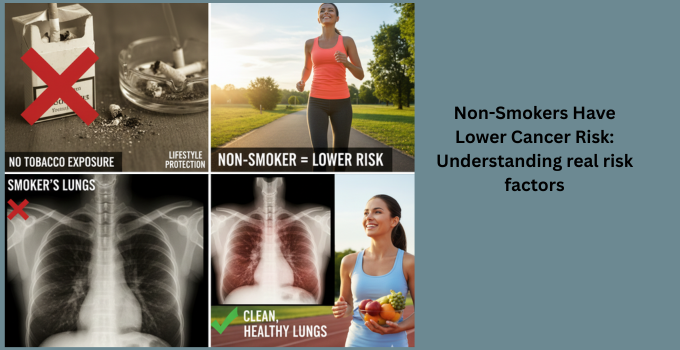
6. Non-Smokers Have Lower Cancer Risk: Understanding real risk factors
While smoking remains one of the biggest contributors to the development of cancer, non-smokers and people exposed to no second-hand smoke have lower incidences of lung and oral cancers than smokers. Many other factors (i.e., genetics, lifestyle, and environmental exposures) influence an individual's risk of developing these types of cancers; however, having no significant risks for developing a cancer predisposes an individual to a lower risk of developing that cancer. The signs of cancer for males typically present in areas where there is either improved lifestyle changes or improved rest, and a symptom of cancer in males may also be symptomatic by weight loss, chronic pain or abnormal tests when they are not resolved through rest, lifestyle changes, or treatment.
7. Constipation Is Usually Digestive, Not Cancer: A very common worry
Constipation is often due to:
Low fibre intake
Dehydration
Sedentary lifestyle
Stress
Unless accompanied by bleeding, unexplained weight loss, or persistent diarrhoea, constipation alone is not a sign of cancer.
8. Short-Term Symptoms Are Reassuring
Key differences from cancer symptoms
Symptoms lasting:
1–3 days
A week
Occasional flare-ups
They’re rarely cancerous. And when cancer is involved, the symptoms usually do not just show up out of nowhere and then disappear right away.
9. Age Still Matters in Cancer Risk
Most cancers occur after age 40–50. While cancer can occur in younger people, it is far less common.
In India, about 20 percent of cancer cases occur under 40, which means 80 percent occur later in life. Age alone doesn’t diagnose cancer, but it helps assess risk realistically. Online lists claiming to show 20 signs of cancer in women often mix serious warning signs with common everyday symptoms, which can create unnecessary fear and confusion if context is ignored.
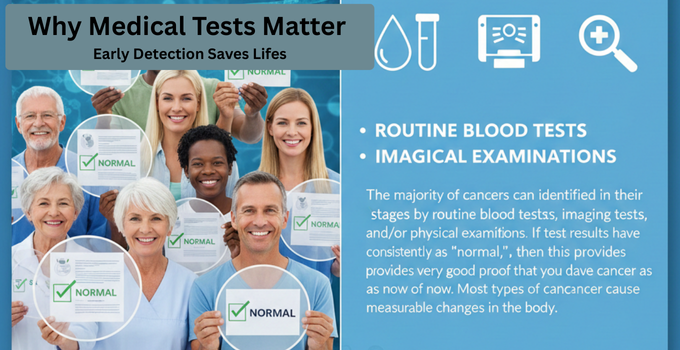
10. Normal Health Reports Are Strongly Reassuring
Why medical tests matter?
The majority of cancers can be identified in their early stages by routine blood tests, imaging tests, and/or physical examinations. If test results have consistently returned as "normal," then this provides very good proof that you do not have cancer as of now.
Most types of cancer cause measurable changes in the body.
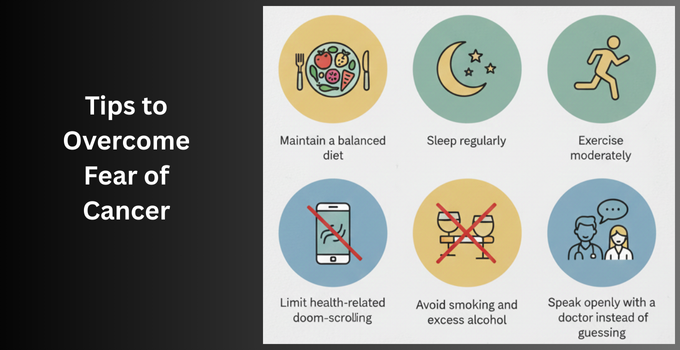
Tips to Overcome Fear of Cancer
Maintain a balanced diet
Sleep regularly
Exercise moderately
Limit health-related doom-scrolling
Avoid smoking and excess alcohol
Speak openly with a doctor instead of guessing
FAQs
1. What are the signs you don’t have cancer?
Mild, intermittent, short-lived, and stable symptoms, along with normal test results, usually indicate non-cancerous causes.
2. How to stop thinking about cancer?
Limit your online searches for symptoms and instead keep up with regular health checks, pay attention to your lifestyle habits, and consult a health-care professional if your anxiety continues.
3. How to check if you have cancer at home?
There is no way to do an accurate home cancer test; If you are experiencing ongoing or unusual symptoms, see a physician who can perform appropriate medical tests.
4. How do you differentiate normal symptoms from cancer symptoms?
Normal symptoms fluctuate and improve. Cancer symptoms usually persist, worsen, and are often accompanied by weight loss, bleeding, or unexplained fatigue.
5. Are young people at high risk of developing cancer?
Most cancers are more common after mid-adulthood. Young people generally have a lower risk, though awareness and timely evaluation remain important.
6. Can stress or anxiety cause cancer-like symptoms?
Yes. Stress and anxiety can trigger physical symptoms like fatigue, chest discomfort, headaches, stomach issues, and muscle pain, which may feel serious but are not cancer-related.
7. Does cancer always cause severe pain in the early stages?
No. Many cancers do not cause noticeable pain in the early stages. Pain usually appears later or when nearby tissues are affected.
8. Should I get tested every time I feel an unusual symptom?
Not necessarily; frequently mild, transient symptoms go away without treatment. Testing should be done if the symptoms don't go away, become worse and/or have other significant indications of trouble (like weight reduction or bleeding).
Wrapping Up
Feeling anxious about possible cancer symptoms is very common, especially when changes appear without a clear reason. In most cases, these changes are linked to everyday stress, diet, lifestyle habits, hormonal shifts, or minor infections, not cancer. Understanding what cancer symptoms actually look like helps separate fear from facts. Staying informed, living a healthy lifestyle, and attending regular health check ups can provide reassurance and peace of mind. If a symptom persists, worsens, or feels unusual, it is important to consult a doctor for clarity. Awareness is meant to guide you, not create fear, and timely medical advice helps protect both physical and emotional health.
Read Also
References
World Health Organisation. Cancer fact sheet [Internet]. Geneva: WHO; 2023 [cited 2025 Mar 8]. Available from:
https://www.who.int/news-room/fact-sheets/detail/cancerNational Cancer Institute. Cancer symptoms [Internet]. Bethesda (MD): NCI; 2024 [cited 2025 Mar 8]. Available from:
https://www.cancer.gov/about-cancer/diagnosis-staging/symptomsNational Health Service (UK). Symptoms of cancer [Internet]. London: NHS; 2024 [cited 2025 Mar 8]. Available from:
https://www.nhs.uk/conditions/cancer/symptoms/
Disclaimer: The information shared in this blog is meant for general educational purposes only and should not be taken as medical advice. Always consult a qualified healthcare professional for diagnosis, treatment, or medical guidance related to your health. The content is based on reliable sources, but it may not be suitable for every individual’s condition. We do not assume responsibility for any actions taken based on this information. Readers are encouraged to exercise caution and use their discretion when making healthcare decisions.

















Comments