

What Are the Short and Long-term Side Effects of Surgery?





Last updated on 02 Jan 2026
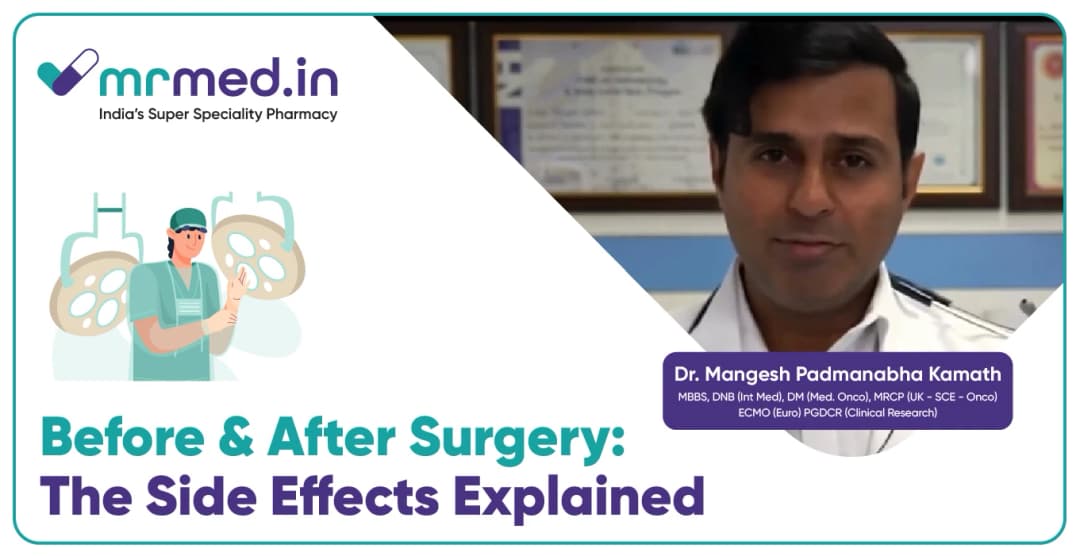
When we talk about cancer treatment, the primary focus is always on removing or controlling the disease. However, along with the intended benefits, patients may also experience what we call side effects of cancer treatments. These are not the desired outcomes of therapy but occur because treatment often affects healthy cells in addition to cancer cells. Side effects can happen with surgery, radiation, chemotherapy or even milder forms like endocrine therapy. Understanding them makes the journey easier and helps patients know what to expect, as explained by Dr. Mangesh P. Kamath Consultant medical oncologist.
Doctors usually classify these effects into two types, acute side effects and chronic side effects. Acute side effects appear right away or soon after treatment begins, such as nausea during chemotherapy or skin irritation after radiation therapy. Chronic side effects, on the other hand, may not cause problems immediately but show up later, sometimes months or even years down the line. A good example is swelling of the arm after lymph node removal, which is not noticeable at first but can develop gradually.
Consider the case of surgery for breast cancer. A skilled oncologist may remove the tumor completely, but if cancer has spread to the lymph nodes, many of them will also need to be removed. These lymph nodes play an important role in circulating lymph, a fluid that keeps the skin nourished and healthy. While the immediate post-surgery period may not feel unusual, the absence of proper exercises or physiotherapy can eventually lead to lymphedema, where the arm swells to a disabling extent. This makes daily tasks very difficult, and it becomes a classic example of a chronic side effect.
Radiation therapy, another common form of treatment, works by using high-energy X-rays to kill remaining tumor cells near the surgical site. The first part of the body to respond is usually the skin, which may show skin reactions like redness, pigmentation, or darkening. Thanks to modern techniques, such reactions are less common but still possible. While the skin usually heals once radiation stops, the deeper tissues may show changes later. Since radiation often passes through the chest area, the lungs can be affected in the long run, sometimes causing persistent cough or breathing issues, which again represent chronic side effects.
Chemotherapy adds another dimension. While it is a powerful treatment, chemotherapy side effects such as fatigue, nausea, and hair loss are well-known. Some appear quickly and fade after treatment, while others can last longer or appear later. These varied responses highlight how chemotherapy, like other therapies, can cause both acute and chronic side effects.
Conclusion
Cancer therapies undoubtedly save lives, but they can bring with them short-term and long-term challenges. Whether it is surgery that results in lymphedema, radiation that leads to skin reactions or later lung problems, or chemotherapy that causes fatigue and nausea, being aware of these issues allows patients and caregivers to prepare better. By understanding the difference between acute and chronic effects and seeking timely medical support, patients can manage these challenges more effectively while continuing their fight against cancer.
Watch Also
Disclaimer: The information provided in this article is for general awareness and educational purposes only. It should not be taken as a substitute for professional medical advice, diagnosis, or treatment. Always consult your doctor or a qualified healthcare provider with any questions regarding cancer treatment, side effects, or any medical condition. Do not ignore professional advice or delay seeking care because of information presented here. While insights are shared by Dr. Mangesh P. Kamath based on reliable sources, individual patient needs may vary. MrMed does not endorse or promote any specific medicine, product, or treatment unless clearly stated.












Comments