

India Caps Prices on 30 Essential Medicines Including Diabetes and Blood Pressure Drugs





Last updated on 07 Aug 2026
If you or someone in your family takes daily medicines for diabetes, high blood pressure, or high cholesterol, this piece of news directly affects your monthly medicine bill. The National Pharmaceutical Pricing Authority (NPPA) has fixed the retail prices of 30 drug formulations, including Vitamin D3 oral solution, calcium and vitamin supplements, anti-diabetic medicines, cardiovascular drugs, and immunosuppressant therapies.
The decision, notified through Order S.O. 2680(E) dated 27 May 2026, is a meaningful step towards making long-term treatment more affordable for millions of Indian patients.
Key Takeaways
|
What Is the NPPA and Why Does It Matter?
The National Pharmaceutical Pricing Authority is India's drug price regulator, operating under the Ministry of Chemicals and Fertilisers. Its job is straightforward: ensure that essential medicines remain affordable by placing a ceiling on what manufacturers can charge.
It does this through the Drug Price Control Order, which was last comprehensively revised in 2013. Under this order, medicines included in the National List of Essential Medicines India (NLEM) are categorised as "scheduled formulations", meaning their prices are directly controlled.
The ceiling price of essential medicines in India is calculated as the simple average of all medicines in a particular therapeutic segment with sales exceeding 1 per cent, ensuring that no single brand can price itself far above the market average.
For medicines not on the NLEM called "non-scheduled formulations", manufacturers can raise prices by up to 10 per cent annually, but cannot exceed government-notified levels for new product launches. The 30 formulations in this latest round fall into this second category: they are new drug combinations seeking a first-time retail price approval.
What the DPCO and NLEM Mean in Plain Terms
Many patients encounter these terms on medication packaging but rarely know what they mean.
Term | What It Actually Means |
DPCO: Drug Price Control Order | The legal framework that gives the government authority to fix medicine prices in India |
NLEM: National List of Essential Medicines India | A curated government list of medicines considered critical for public health currently has around 384 drugs |
Ceiling price | The maximum price at which a medicine can be sold, manufacturers cannot charge more |
Retail margin under DPCO | The amount a retailer is allowed to add on top of the manufacturer's price is regulated under DPCO guidelines |
Scheduled formulation | A medicine listed on the NLEM and therefore under direct price control |
Non-scheduled formulation | A medicine not on the NLEM; price-controlled only for new launches or when NPPA intervenes |
Understanding these terms helps patients cross-check whether they are being charged the right price at the pharmacy.
Which Medicines Have Been Capped? A Category-Wise Breakdown
The formulations covered under the notification include anti-diabetic combinations such as Empagliflozin, Sitagliptin and Metformin Hydrochloride Extended Release Tablets; Sitagliptin, Glimepiride and Metformin Hydrochloride Tablets; and Teneligliptin and Dapagliflozin Tablets.
The list also includes cardiovascular therapies such as Cilnidipine and Telmisartan Tablets; Bisoprolol Fumarate and Amlodipine Tablets; and Atorvastatin and Fenofibrate Tablets.
Diabetes Medicines - Fixed Retail Prices
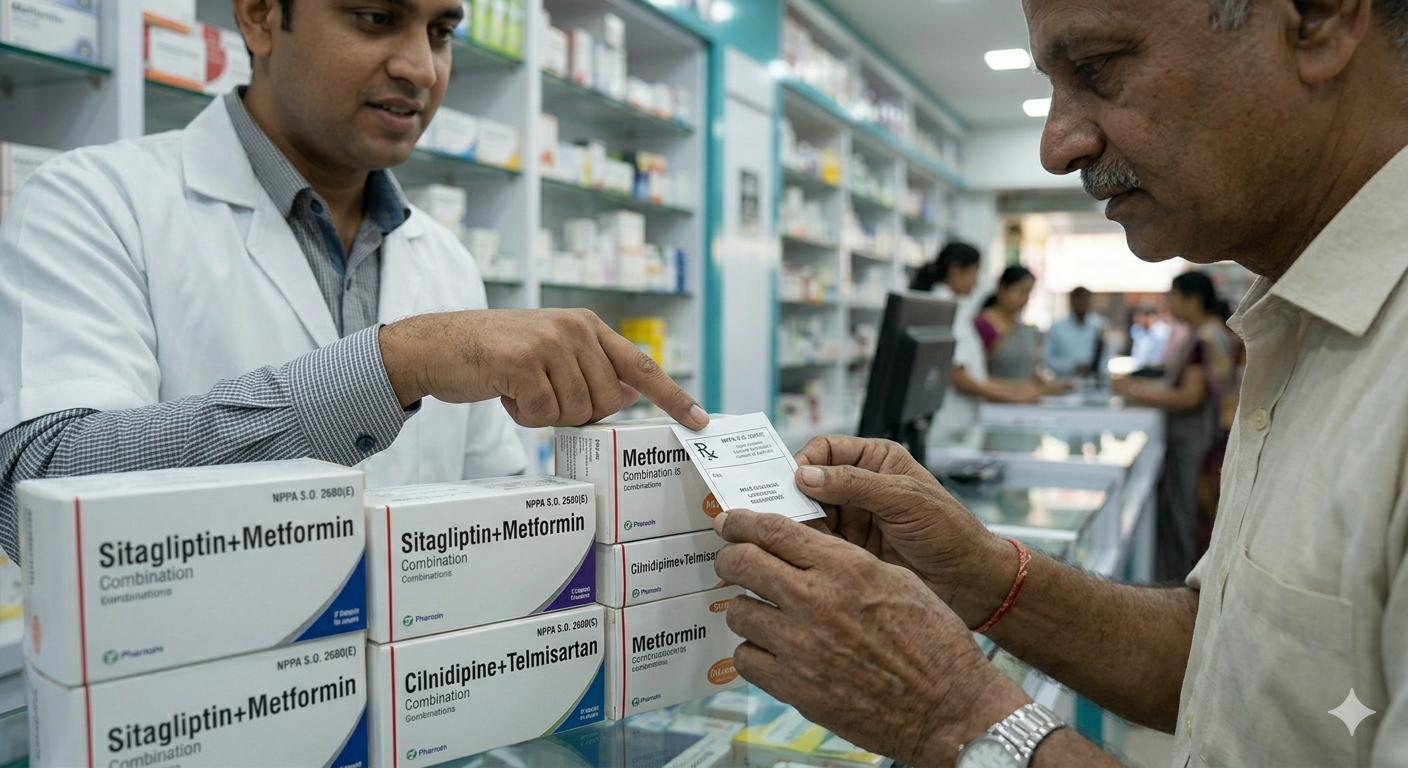
Among the anti-diabetic medicines, the NPPA fixed the retail price of Empagliflozin, Sitagliptin and Metformin Hydrochloride Extended Release Tablets at ₹14.88 per tablet; Sitagliptin, Glimepiride and Metformin Hydrochloride Tablets at ₹11.91 per tablet; the alternate strength of the same combination at ₹10.39 per tablet; Teneligliptin and Dapagliflozin Tablets at ₹10.17 per tablet; and Vildagliptin and Metformin Hydrochloride Tablets at ₹9.79 per tablet.
Medicine | Notified Retail Price (excl. GST) |
Empagliflozin + Sitagliptin + Metformin HCl ER Tablets | ₹14.88 per tablet |
Sitagliptin + Glimepiride + Metformin HCl Tablets | ₹11.91 per tablet |
Sitagliptin + Glimepiride + Metformin HCl Tablets (alt. strength) | ₹10.39 per tablet |
Teneligliptin + Dapagliflozin Tablets | ₹10.17 per tablet |
Vildagliptin + Metformin HCl Tablets | ₹9.79 per tablet |
Blood Pressure and Cholesterol Medicines
Atorvastatin and Fenofibrate tablets for lipid management were fixed at ₹18.46 per tablet, Bilastine and Montelukast tablets for allergy treatment at ₹21.22 per tablet, and Bisoprolol Fumarate with Amlodipine tablets for hypertension management were also included in the price fixation list.
Medicine | Therapeutic Use | Notified Retail Price (excl. GST) |
Atorvastatin + Fenofibrate Tablets | Cholesterol and lipid management | ₹18.46 per tablet |
Bisoprolol Fumarate + Amlodipine Tablets | Blood pressure management | Notified per NPPA order |
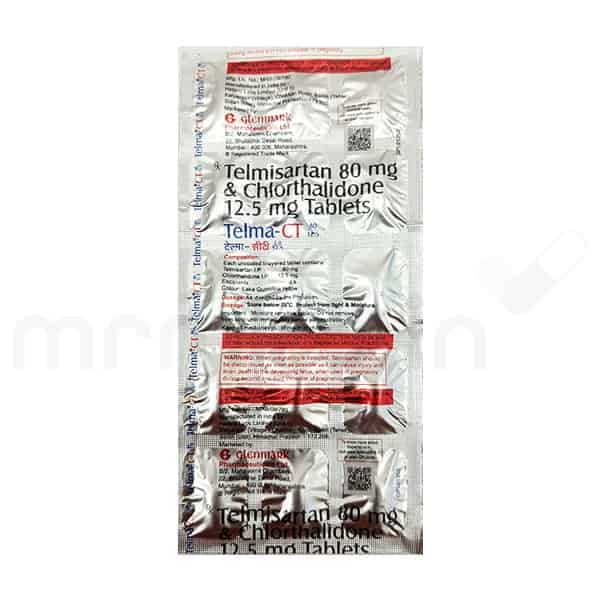
Cilnidipine + Telmisartan Tablets | Blood pressure management | Notified per NPPA order |
Nutritional Supplements
Vitamin D3 Oral Solution and other nutritional combinations, including calcium, Methylcobalamin, and multivitamin formulations, have also been included in this round of price fixation, offering relief to patients managing deficiency-related conditions alongside chronic diseases.
What Does This Mean for Patients Managing Diabetes and Blood Pressure?
India has over 101 million people living with diabetes and over 220 million with hypertension. Many of these patients take combination medicines with two or three active ingredients in a single tablet, which tend to be more expensive than single-molecule drugs.
These combination medicines had previously been launched at widely varying prices because they were classified as "new drugs" with no set ceiling price.
The diabetes medicine price reduction through this NPPA order directly addresses that gap. Fixed retail prices for combinations like Sitagliptin, Glimepiride, and Metformin, a very commonly prescribed combination for Type 2 diabetes, mean that no pharmacy can overcharge. Similarly, the blood pressure drug price cap on combinations like Cilnidipine + Telmisartan protects patients who need daily, lifelong therapy.
For patients comparing the government medicine price control India list with what they are paying at their pharmacy, the NPPA website provides a downloadable NPPA ceiling price list that can be checked against any medicine strip's MRP.
The Impact of Price Control on the Pharma Industry in India
The impact of price control on the pharma industry in India is a subject of ongoing debate. Pharmaceutical companies argue that price controls limit the financial headroom for investment in research and development. They also contend that combination drugs, which require separate clinical work and regulatory filings, deserve pricing flexibility.
On the other hand, health economists and patient groups emphasise that in a country where fewer than 20 per cent of people have health insurance, out-of-pocket medicine costs remain the single biggest driver of catastrophic household expenditure.
Highlighting the importance of affordability measures, Dr V K Paul, Member (Health), NITI Aayog, recently noted that “the decline in out-of-pocket expenditure reflects a very positive indicator. More than one lakh crore rupees in savings have accrued from the Ayushman Bharat Pradhan Mantri Jan Arogya Yojana.” His observation reinforces the broader public health argument that reducing healthcare expenses can significantly ease the financial burden on Indian households.
The medicines covered under the DPCO drug price list account for up to 30 per cent of total medication sales in India, making price control one of the most direct and scalable tools available to the government for improving medicine affordability.
The NPPA's approach to fixing prices based on the market average of brands with meaningful market share attempts to balance both concerns. It does not fix an artificially low price; it anchors the ceiling at the market's average price.
How to Check If You Are Being Overcharged
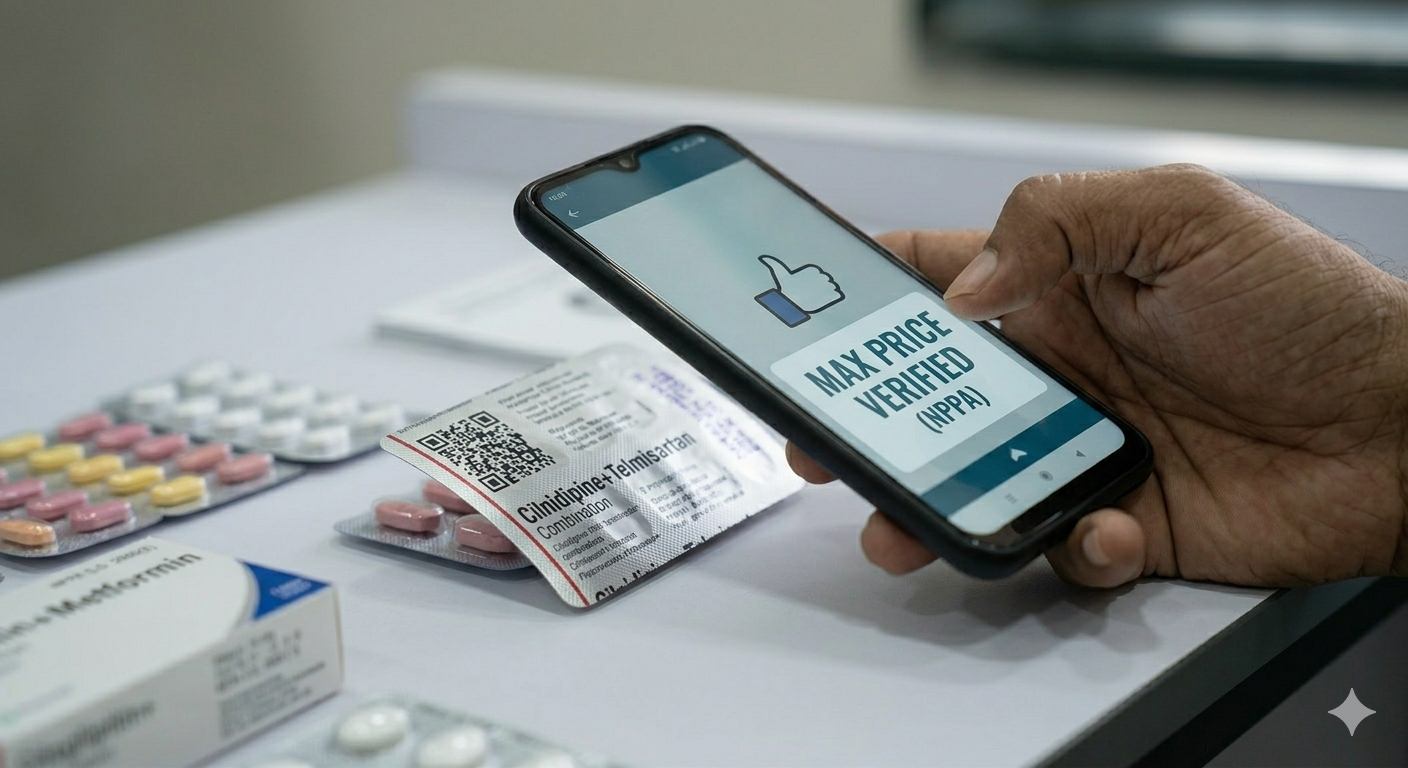
A patient has the right to access the maximum price of any medication they purchase to make an informed decision. To find the information needed to determine the maximum allowable price of a prescription drug, use the following five-step procedure:
Step 1: Go to the NPPA's website (www.nppa.gov.in) and locate the "Ceiling Prices" or "Retail Prices" of Drugs page.
Step 2: Search the schedule of formulations for your medication by generic name (e.g., metformin or atorvastatin) to determine the maximum price for that drug.
Step 3:Compare the MRP on the medication strip with the ceiling price established by the NPPA for that drug (including GST).
Step 4:If your MRP is higher than the ceiling price, contact the NPPA via their customer service helpline or online complaint form.
Step 5: In addition to the price control measures established by the DPCO, various forms of retail price control also govern the margins allowed for retailers; therefore, you should always expect to pay a price equal to both the ceiling price and the margin that may apply to the purchase from the retail source.
When using MrMed, you can verify the MRP of all medications that you are purchasing, to ensure that you are paying a fair and transparent price without being subject to any hidden mark-ups

FAQs
Q1. What is the NPPA, and how does it control medicine prices?
The NPPA is India's government body that sets the maximum price for essential medicines. It fixes ceiling prices under the DPCO so manufacturers cannot overcharge patients.
Q2. Does the Metformin price cap in India apply to combination tablets too?
Yes. The latest NPPA order covers combination tablets, for example, Sitagliptin + Glimepiride + Metformin, not just single-ingredient Metformin.
Q3. Are the new prices inclusive of GST?
No. The NPPA-notified retail prices are exclusive of GST. A small amount of GST (typically 5 per cent for most medicines) will be added at the point of sale.
Q4. What is the National List of Essential Medicines in India?
It is a government-curated list of approximately 384 medicines considered critical for public health. Medicines on this list are subject to strict price controls under the DPCO.
Q5. How do I know if I am being overcharged at the pharmacy?
Check the NPPA ceiling price list on nppa.gov.in. Compare it to the MRP on your medicine strip. If the MRP exceeds the ceiling, you can file a complaint with the NPPA.
Final Thoughts
The price caps for pharmaceuticals are not only news that has ramifications for the regulation of pharmaceuticals, but will also lead to many millions of Indian families with chronic conditions saving money each month. The fact that the NPPA has now set the retail prices for 30 formulations (diabetes, hypertension, cholesterol, and nutrition), is an important practical step in the right direction.
If you are taking any of the pharmaceuticals described in this article, be sure to review the updated NPPA ceiling price list and check that you are paying the correct price. If you are looking for a pharmacy with good pricing practices, use the MrMed platform, which lists pharmaceuticals at verified, fair prices, making it simple to find affordable care every step of the way.
.png "mrmed")
Read Also
References
Business Standard [Internet]. Mumbai: Business Standard; 2026 May 31 [cited 2026 Jun 02]. NPPA fixes prices of 30 drugs, including Vitamin D3 and calcium supplements. Available from: https://www.business-standard.com/industry/news/nppa-fixes-prices-of-30-drugs-including-vitamin-d3-calcium-supplements-126053100315_1.html
New Delhi Times [Internet]. New Delhi: New Delhi Times; 2026 [cited 2026 Jun 02]. NPPA fixes retail prices of 30 new drug formulations. Available from: https://www.newdelhitimes.com/nppa-fixes-retail-prices-of-30-new-drug-formulations/
ANI News [Internet]. New Delhi: ANI; 2026 May 31 [cited 2026 Jun 02]. NPPA fixes retail prices of 30 drugs, including Vitamin D3 and Methylcobalamin. Available from: https://aninews.in/news/national/general-news/nppa-fixes-retail-prices-of-30-drugs-including-vitamin-d3-methylcobalamin20260531142034/
Disclaimer: This publication is prepared for general information and awareness only. The prices of medicines that are discussed in this article are based upon the NPPA notification S.O. 2680(E) dated 27 May 2026 and are quoted after deduction of the applicable GST. Check current prices prior to making any decisions about purchasing medicines; consult your pharmacist for more information.














Comments