

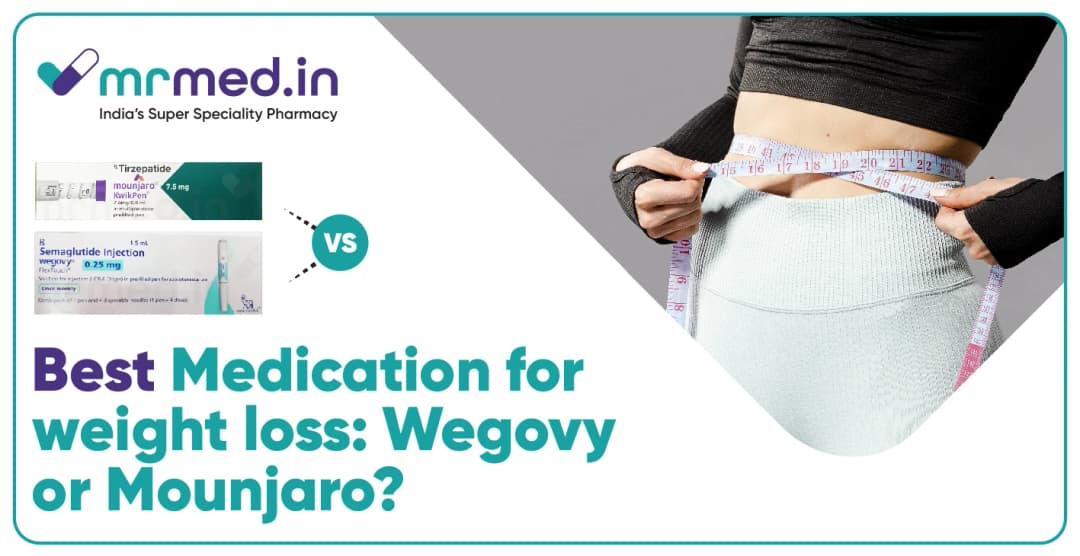
Mounjaro vs Wegovy for Weight Loss: Effectiveness, Side Effects & Reviews





Last updated on 12 Aug 2026
Key Takeaways
|
Managing weight has become a growing concern worldwide as obesity and overweight conditions continue to rise. Carrying extra body weight is more than a cosmetic challenge; it increases the risk of type 2 diabetes, high blood pressure, heart disease, hormonal disorders, and metabolic complications. As a result, people are now seeking reliable ways to lose weight and sustain it long-term.
In recent years, injectable weight-loss medicines have created a major shift in obesity care. Among these, the discussion around Mounjaro vs Wegovy, and which one works better, has gained the most attention. These therapies complement lifestyle improvements by supporting appetite control and metabolism and delivering clinically proven fat-loss outcomes. For many individuals struggling to lose weight despite diet and exercise, these medications offer a new path toward lasting change.
What Are Mounjaro and Wegovy?
Mounjaro and Wegovy are prescription injectable treatments that support weight management. They play a central role in modern medical obesity care, especially when lifestyle habits alone do not lead to meaningful results.
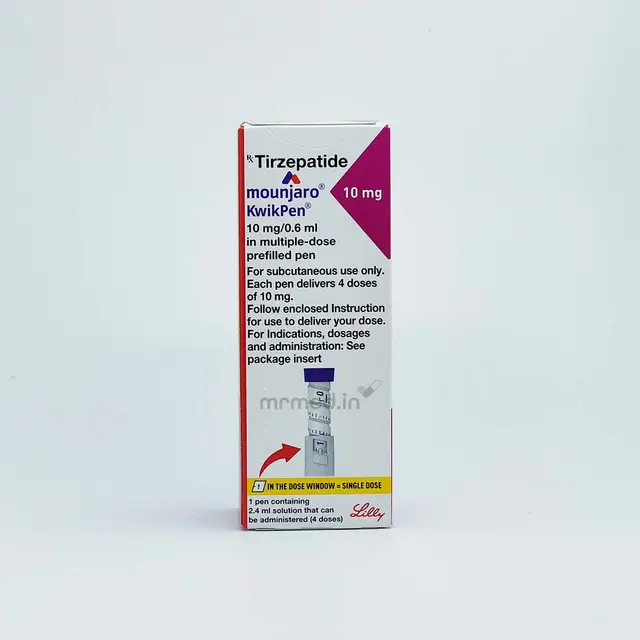
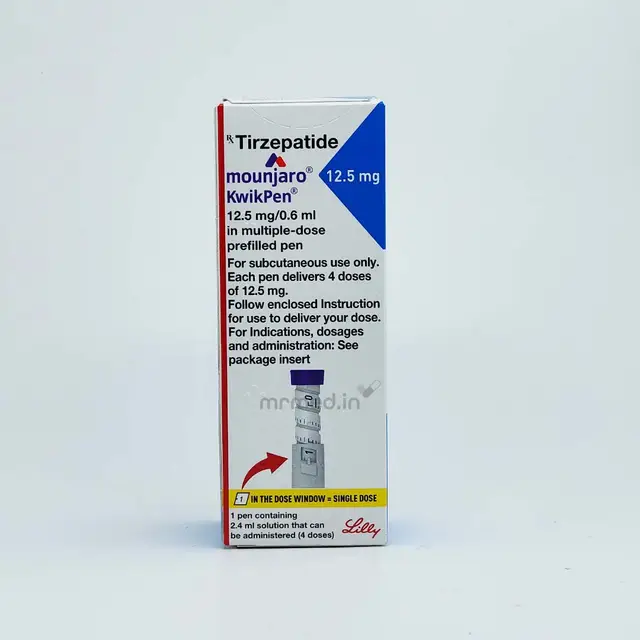
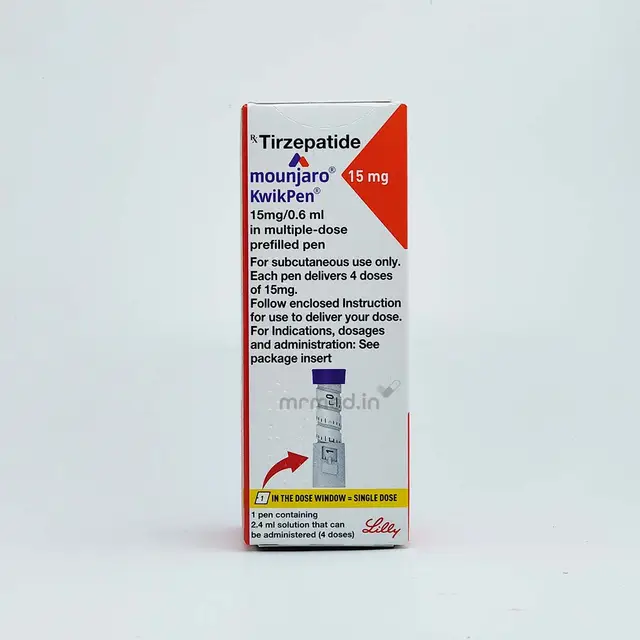
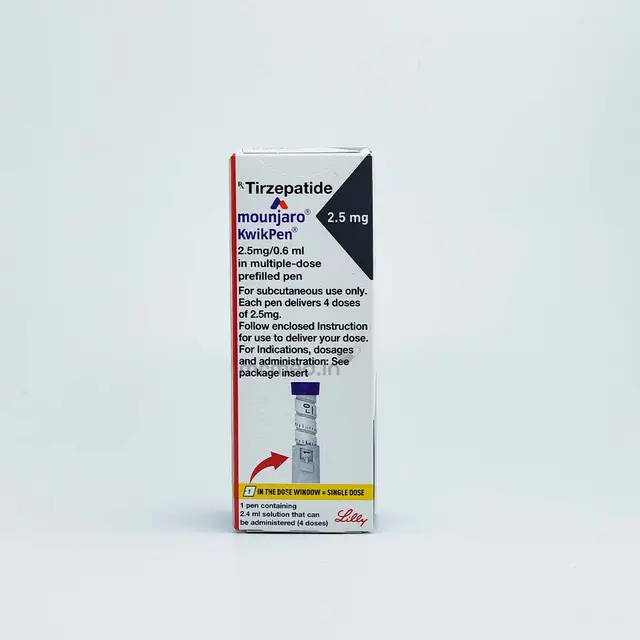
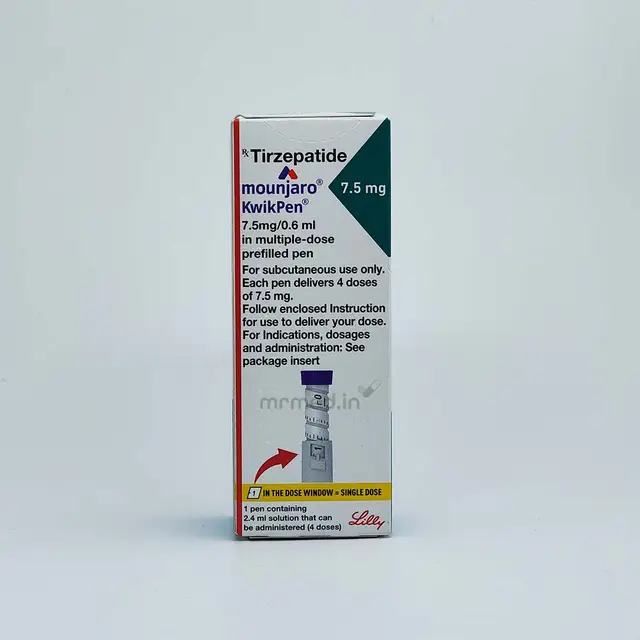
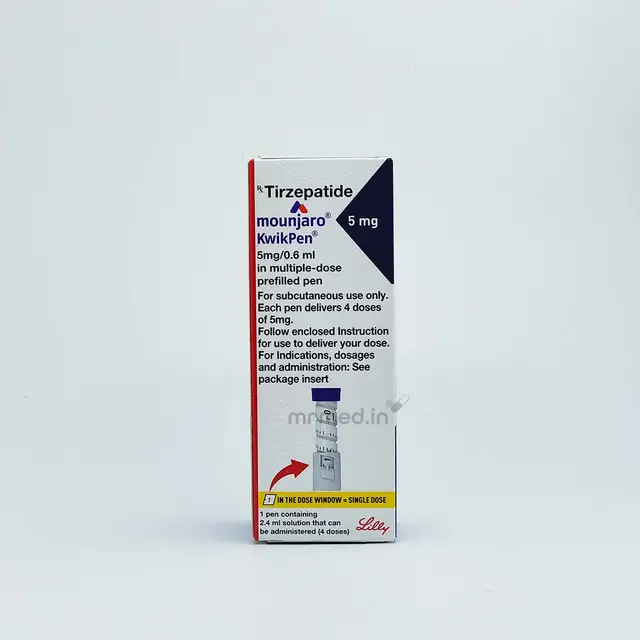
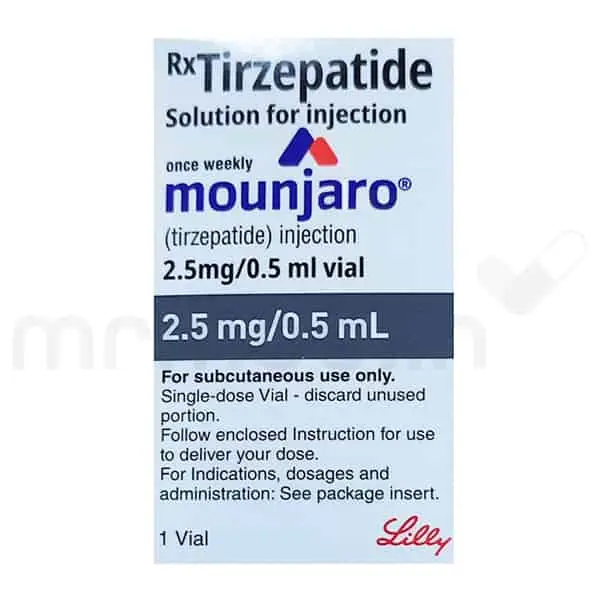
Mounjaro contains tirzepatide, a medication that works on both GIP and GLP-1 pathways. This dual action helps improve insulin response and reduce appetite, which is why it often shows advantages in semaglutide vs tirzepatide comparisons. It is often considered when evaluating Mounjaro or Wegovy for weight loss or broader metabolic improvement.
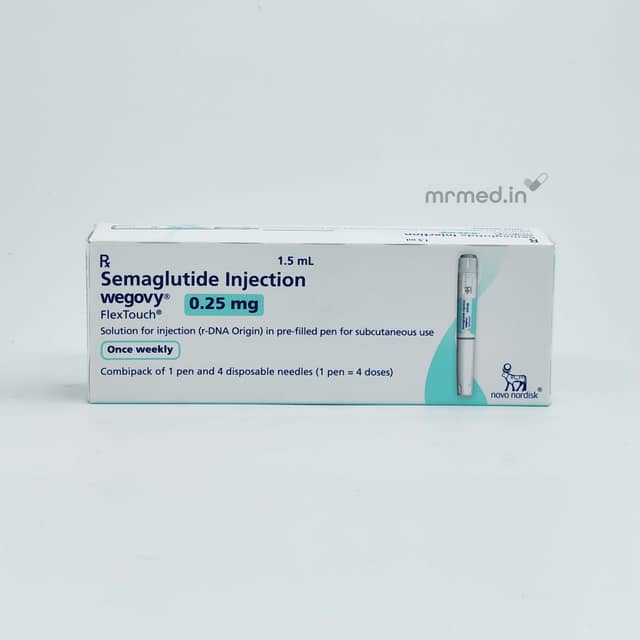
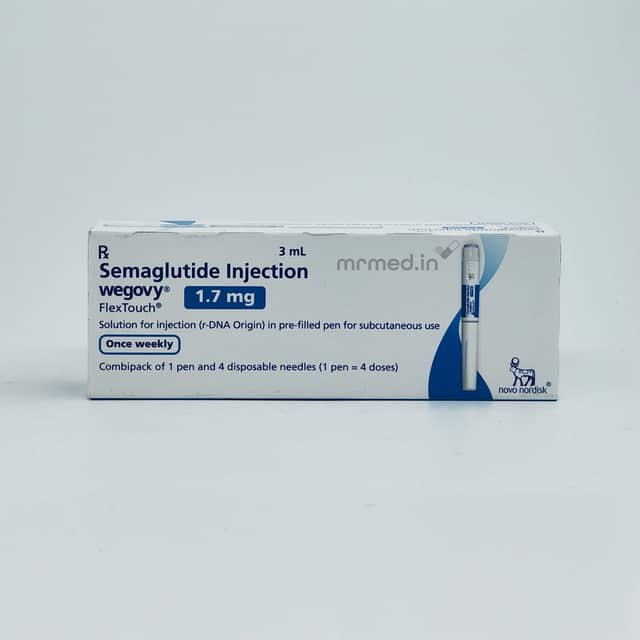
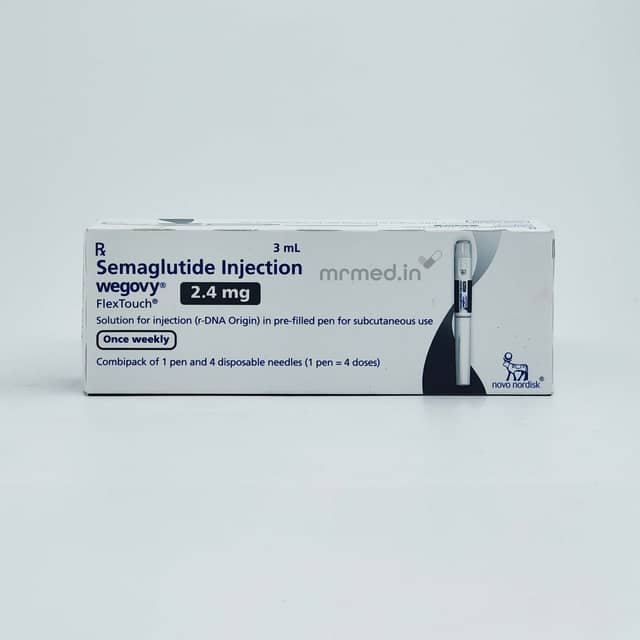
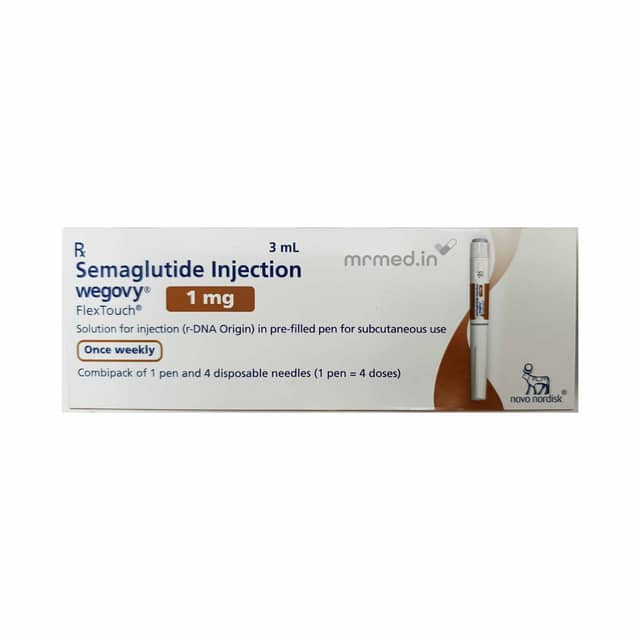
Wegovy, on the other hand, contains semaglutide, a well-known GLP-1 medication with strong clinical evidence. Many people search for Wegovy vs Mounjaro weight loss outcomes because Wegovy is specifically approved for chronic weight management in adults with obesity or overweight conditions. It works by mimicking the GLP-1 hormone, increasing fullness and slowing digestion, thereby reducing calorie intake naturally.
For individuals comparing Mounjaro and Wegovy for obesity, the choice often depends on health goals, medical history, tolerability, and physician guidance.
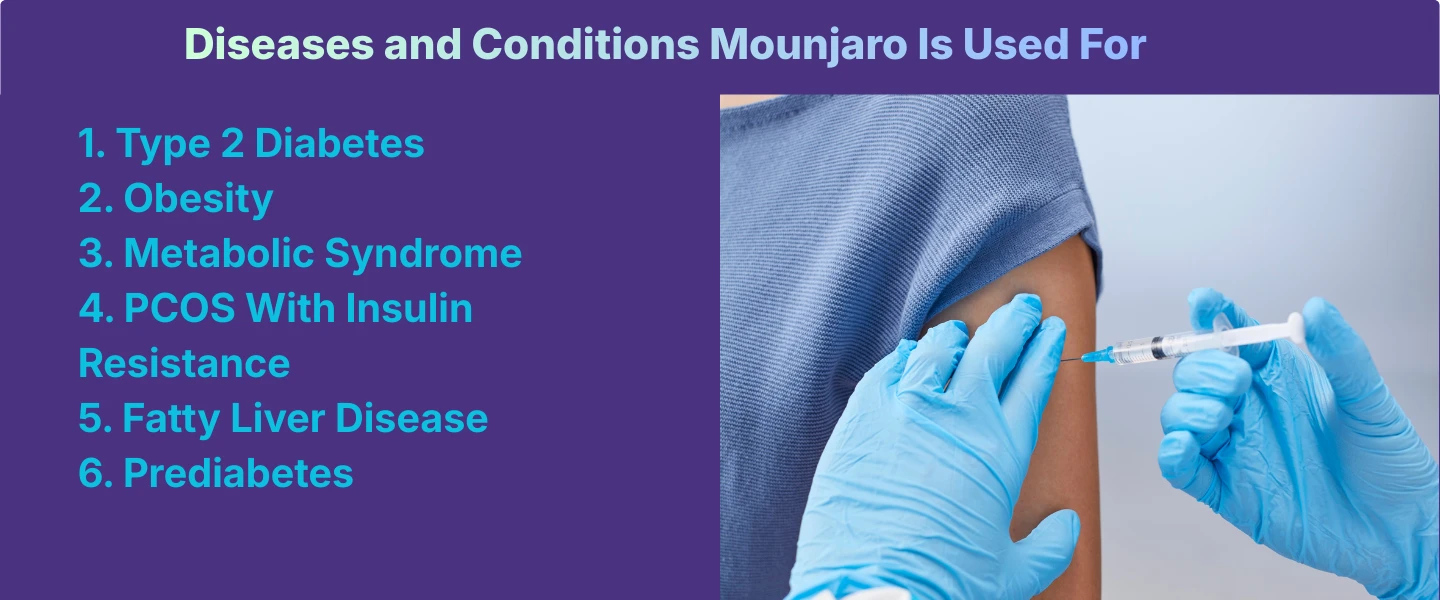
How They Work
Mounjaro is a dual GIP and GLP-1 agonist, often described in GLP-1/GIP comparison discussions as a next-generation metabolic treatment. By activating two powerful hormone pathways, it enhances glucose control, reduces appetite, and supports fat loss. This dual-action approach is particularly useful for people with insulin resistance or metabolic syndrome.
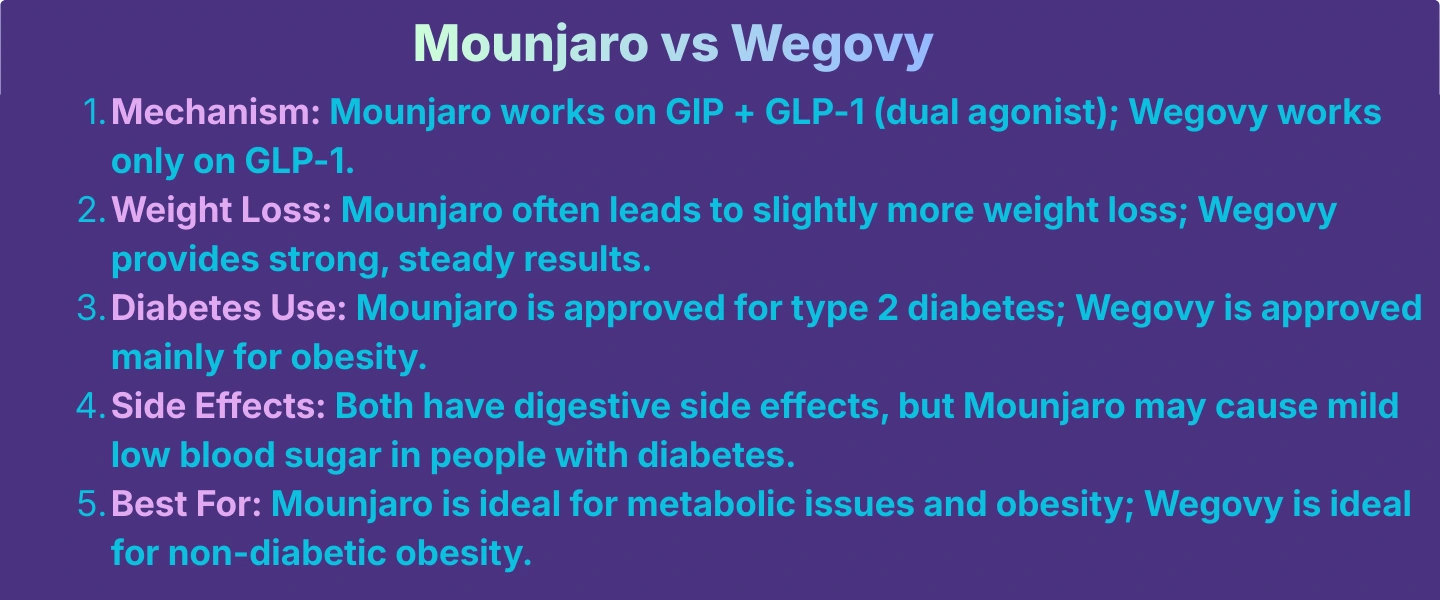
Wegovy works by mimicking only GLP-1. GLP-1 slows stomach emptying, increases satiety, and helps regulate cravings. This makes it a popular choice in Ozempic vs Wegovy, Mounjaro vs Wegovy, and broader debates about GLP-1 medications. Because semaglutide is widely known, many individuals also search for Ozempic vs Mounjaro comparisons to understand how one GLP-1 differs from another.
The primary distinction is that Mounjaro has dual agonist activity, while Wegovy targets only GLP-1. This contributes to differences in appetite control, metabolic improvement, and final weight outcomes.
Dosage and Administration
Both medications are administered weekly via subcutaneous injections. Still, Mounjaro vs Wegovy dosage protocols have meaningful differences.
Mounjaro Dosage:
Starts with a low dose and increases gradually over time. This helps reduce digestive discomfort and supports long-term tolerance.
Wegovy Dosage:
Also begins at a small dose and escalates stepwise over 16–20 weeks until the maintenance level is reached.
People comparing which dose of GLP-1 is best for them should always consult their doctor, as one cannot switch doses independently or adjust the frequency without guidance.
Many patients appreciate having a GLP-1 injection comparison chart or GLP-1 drug list to understand how each medication differs in strength, dose progression, and weekly maintenance levels.
Effectiveness Comparison
When evaluating the effectiveness of Mounjaro vs Wegovy, clinical trials and patient feedback show strong results for both medicines, though outcomes vary.
Wegovy:
Weight reduction typically ranges from 12–15% of body weight over 68 weeks. Many people share Wegovy guide success stories, especially those without diabetes.
Mounjaro:
Studies often show higher reductions, sometimes around 15–20%, particularly in individuals with insulin resistance. This has led to growing interest in mounjaro guide resources and comparisons, such as mounjaro vs yurpeak, among people exploring other GLP-1 alternatives.
People evaluating Mounjaro vs Wegovy before and after often report improved energy, reduced waist circumference, fewer cravings, and better metabolic health with both treatments.
Side Effects
Understanding the side effects of Mounjaro vs. Wegovy is important when starting treatment.
Common Side Effects (both):
Mild nausea
Digestive discomfort
Temporary bloating or constipation
Occasional headaches or fatigue
Mounjaro-specific:
May cause mild low blood sugar, especially in people with diabetes medicines.
Wegovy-specific:
Primarily affects digestion during dose increases.
The choice between injectable weight-loss medicines often depends on individual tolerance to these effects.
Suitability for Different Populations
When comparing Mounjaro or Wegovy for weight loss, patient suitability differs:
Non-diabetics: Wegovy is the preferred option over Mounjaro, though Mounjaro may still be used off-label.
People with PCOS: Both may help; comparing Mounjaro or Wegovy for PCOS weight loss shows benefits for women with insulin resistance or hormonal weight gain.
Obesity with no metabolic issues: Wegovy offers focused appetite control.
Obesity with metabolic syndrome: Mounjaro’s dual-agonist action may yield greater improvements.
These distinctions are why many search specifically for Mounjaro vs Wegovy for obesity guidance from specialists.
Cost Considerations
Pricing varies across regions and pharmacies. Many users conduct Mounjaro vs Wegovy cost comparisons before choosing long-term therapy. Factors include:
Dose level
Duration of treatment
Availability
Insurance or patient assistance programs
Although India does not yet have a broad availability of official branded versions, people often evaluate Ozempic guide, Mounjaro vs Wegovy, and Wegovy guide information while planning their treatment journeys.
Real-World Patient Experiences
People researching Mounjaro vs Wegovy patient experiences often note:
Strong appetite reduction
Stable weekly progress
Slow, sustainable weight reduction
Improved confidence and daily comfort
Many also compare Ozempic vs Wegovy or Ozempic vs Mounjaro to understand how older GLP-1 drugs compare with newer dual agonists.
Before selecting a medication, patients commonly browse community reviews and before-and-after images of Mounjaro vs Wegovy, finding motivation in visible progress and health improvements.
Choosing the Right Option
The decision between these medications involves understanding:
Medical history
Weight-loss goals
Budget
Side effect tolerance
Lifestyle commitments
A doctor is best positioned to determine whether Mounjaro or Wegovy is the right fit. People exploring dual agonists, comparing GLP-1 and GIP, or seeking the best GLP-1 drugs should rely on professional evaluation rather than social media trends.
Wrapping Up
Both Mounjaro and Wegovy are powerful anti-obesity tools backed by strong clinical data. While their mechanisms differ, both offer meaningful weight-loss outcomes, improved metabolic health, and long-term benefits when used under medical supervision.
FAQs
1. Which is better for weight loss, Mounjaro or Wegovy?
Studies suggest Mounjaro may lead to slightly greater weight loss, but Wegovy is approved for non-diabetic obesity. The best choice depends on your medical profile.
2. Are these medicines safe for people without diabetes?
Yes, especially Wegovy, which is designed for non-diabetic obesity. Mounjaro may be used off-label.
3. What results can I expect in the first few months?
Most users notice appetite reduction in the first weeks and visible weight changes over 8–12 weeks.
4. Are the side effects manageable?
Most side effects are digestive and improve with slow dose increases.
5. Can these treatments help with PCOS weight gain?
Yes. Both support appetite control and better metabolic balance, beneficial for PCOS-related weight struggles.
Table:
Feature | Mounjaro | Wegovy |
Active Ingredient | ||
Mechanism of Action | Dual GIP and GLP-1 receptor agonist (targets appetite & metabolism) | GLP-1 receptor agonist (reduces appetite) |
Weight Loss Potential | High; especially effective in patients with type 2 diabetes | Highly effective in non-diabetic and diabetic patients |
Dosing Frequency | Once weekly injection | Once weekly injection |
Additional Benefits | Improves blood sugar control in type 2 diabetes | Mainly focuses on weight management |
Injection Site Reactions | Possible mild irritation | Less frequent; mild irritation possible |
Onset of Action | Noticeable weight changes within weeks | Gradual; results are usually seen in a few weeks |
Read also
References
Disclaimer: The content in this blog is for general informational purposes only and is not a substitute for professional medical advice, diagnosis, or treatment. Always consult your doctor or a registered dietitian before making any changes to your diet, especially if you have a medical condition or are taking prescribed medication. While the information is based on trusted sources, individual needs and results may vary. MrMed does not promote or endorse any specific food or treatment mentioned unless explicitly stated.















Comments