


Tirzepatide vs Semaglutide India





Last updated on 02 Jan 2026
Key Takeaways
|
The subject of weight loss medications has become commonplace. Individuals in India visit medical practitioners and directly inquire about the availability of additional injectable treatments and how these new treatments compare to medications already being used.
Patients want to make informed decisions based on scientific evidence about drugs that can help with weight loss and how they will tolerate the medication over time. However, for many patients, the clarity gained from carefully comparing medications is crucial.
How These Medicines Work Inside the Body

Both medicines act on natural gut hormones that tell the body when to eat less and how to manage blood sugar.
Semaglutide works through a single gut hormone pathway, mainly affecting appetite control and reducing food intake.
Tirzepatide works through two gut hormone pathways, influencing both appetite regulation and blood sugar control simultaneously.
Because tirzepatide acts on more than one hormonal pathway, the pattern of appetite suppression can feel different compared to semaglutide.
This difference in how the medicines work is why the comparison of tirzepatide vs. semaglutide is discussed more often among healthcare professionals than in everyday conversations.
Weight Loss Results Seen in Practice
In the ICMR-NIN Dietary Guidelines for Indians Revised Edition 2024, Doctors decide between weight-loss injections by looking at blood sugar control, how a person reacted to similar treatments before, and how easily they adjust to eating less. That is why tirzepatide and semaglutide are commonly discussed together.
Both tirzepatide and semaglutide have demonstrated clinically meaningful weight loss when used alongside dietary modification and lifestyle support.
Comparative evidence from clinical trials and real-world practice shows that tirzepatide, particularly at higher doses, is associated with greater average weight-loss percentages than lower-dose semaglutide in population-level analyses.
Individual treatment response varies significantly, and average trial outcomes should not be used to predict personal results. Some patients achieve steady, sustained weight loss on semaglutide, while others respond more favourably to tirzepatide.
Treatment sustainability is critical; rapid or aggressive weight loss may increase fatigue and reduce long-term adherence, regardless of the medication used.
Side Effects and Day-to-Day Tolerance
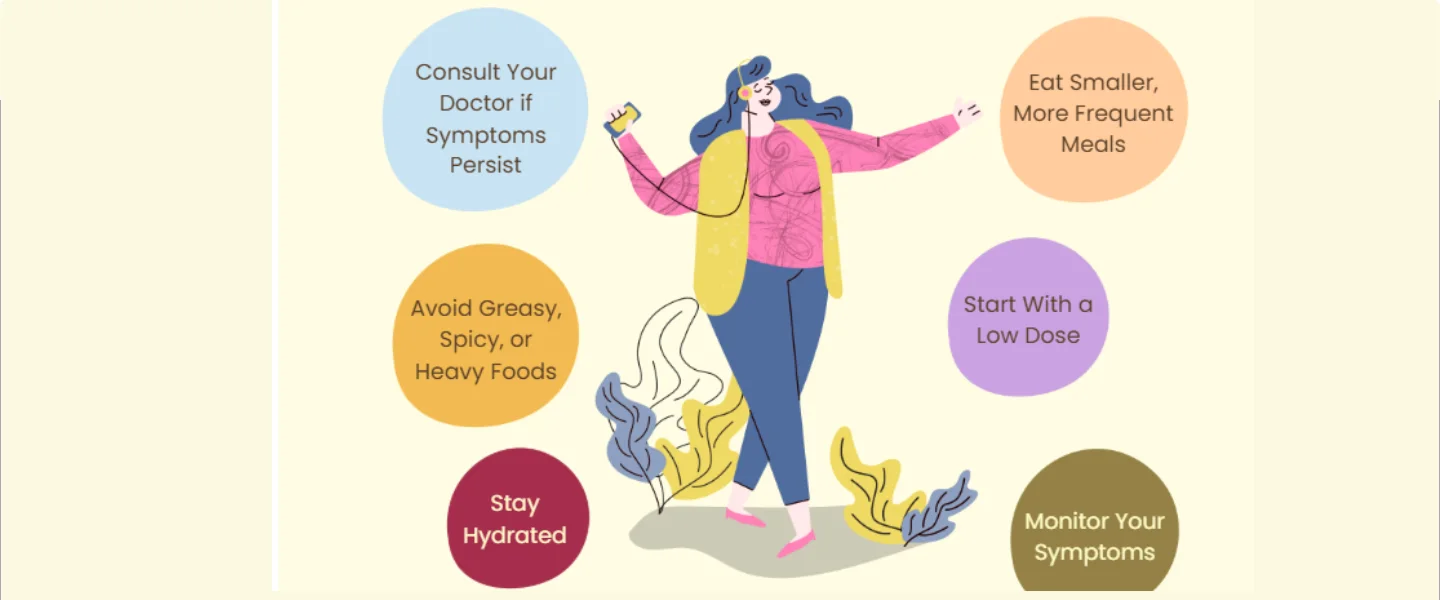
Digestive symptoms are the most common reason patients pause or stop treatment. Nausea, fullness, and changes in bowel habits are reported with both drugs, which is why Tirzepatide vs semaglutide side effects is a frequent search.
Based on patient feedback and clinical observation:
Semaglutide often causes earlier appetite suppression
Tirzepatide may cause stronger fullness at higher doses.
Both require slow dose escalation to reduce discomfort.
In patient forums and consultations, Tirzepatide vs semaglutide Reviews often highlight that side effects can feel more intense in the first few weeks and ease with time if dosing is adjusted properly.
Which One Is Better for Weight Loss?
Dr Ambrish Mithal, Chairman & Head of Endocrinology & Diabetes at Max Healthcare, New Delhi, notes that GLP-1-based weight-loss medicines represent a major advance in the treatment of obesity and metabolic disorders in India. He stresses that these drugs must be paired with medical supervision, diet changes, and exercise rather than viewed as cosmetic quick fixes.
There is no single universal winner when comparing these two medicines.
When people ask which weight-loss injection works better, doctors look at how the body handles sugar, how the person responded to similar medicines before, and how well they can handle feeling less hungry. This is why tirzepatide and semaglutide are often compared.
Patients without diabetes who mainly struggle with appetite control may respond better to semaglutide.
Patients with stronger metabolic resistance may see greater benefit from tirzepatide.
The focus should be on choosing the medicine that fits the individual patient rather than deciding which one is better overall.
Dosing Differences and Why They Matter
The American Diabetes Association (ADA) in 2024 recognises both GLP-1 receptor agonists and dual GIP/GLP-1 agonists as effective tools for weight reduction and improving metabolic risk, while emphasising individualised therapy selection and long-term adherence.
Gradually increasing the dose is important for both safety and comfort when using weight-loss medicines, especially when comparing Tirzepatide vs Semaglutide.
Many conversations about Tirzepatide vs. Semaglutide for weight loss overlook that both medicines are designed to start at low doses and increase slowly over time.
Doctors often follow a structured plan, similar to a Tirzepatide vs Semaglutide dosage chart, to help reduce nausea and fatigue.
Moving through dose increases too quickly can raise the chance of stopping treatment early due to side effects.
Comparisons such as Tirzepatide 15mg vs Semaglutide 2.4mg side effects show that stronger appetite suppression may also increase digestive discomfort if not managed properly.
Safety Considerations Over the Long Term
The Endocrine Society in 2015 recommends anti-obesity medications for patients who do not achieve adequate weight loss with lifestyle measures alone, highlighting that average trial outcomes must be balanced against tolerability and sustainability in real-world use.
Safety involves more than just side effects; it also refers to patients. The question is: like Tirzepatide vs. Semaglutide, which is considered safer? There is no one answer.
Both medications can be considered safe when prescribed correctly and monitored properly. Patients suffering from digestive disorders, gallbladder problems or who have suffered previous episodes of pancreatitis must be supervised more closely, regardless of which drug is being used.
Heart Health and Metabolic Protection
According to NFHS-5 (2019–21) data from the Ministry of Health and Family Welfare, about 24 per cent of women and 23 per cent of men aged 15–49 in India are overweight or obese, reflecting a substantial rise in excess weight and metabolic risk across the population.
Doctors are now looking beyond weight loss and considering the long-term health benefits of these medicines.
Research shows that both medicines can support heart health by improving metabolic factors such as blood sugar control and reducing inflammation.
These effects contribute to the Tirzepatide vs Semaglutide cardiovascular benefits that are increasingly discussed in medical practice.
Because of these protective effects, healthcare providers are now including these medicines in conversations about preventive health, not just for weight loss.
Availability and the Indian Context
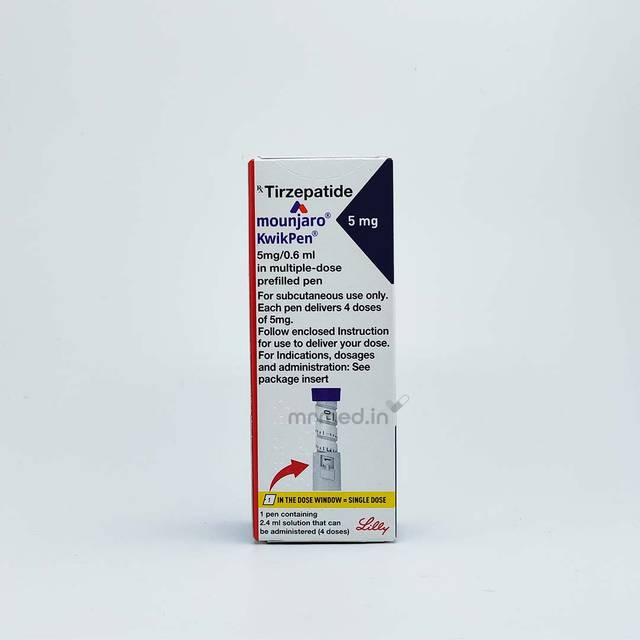
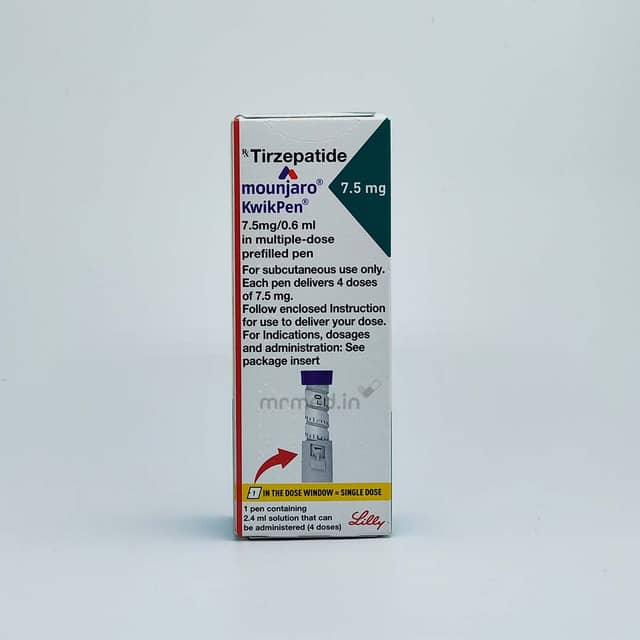
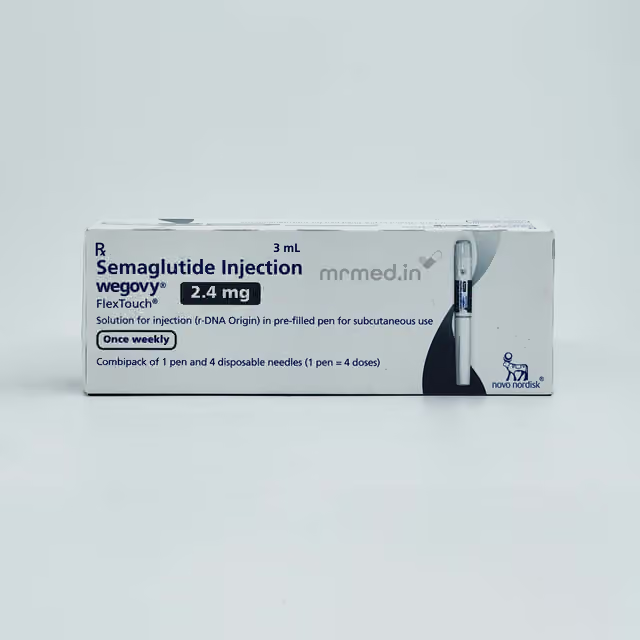
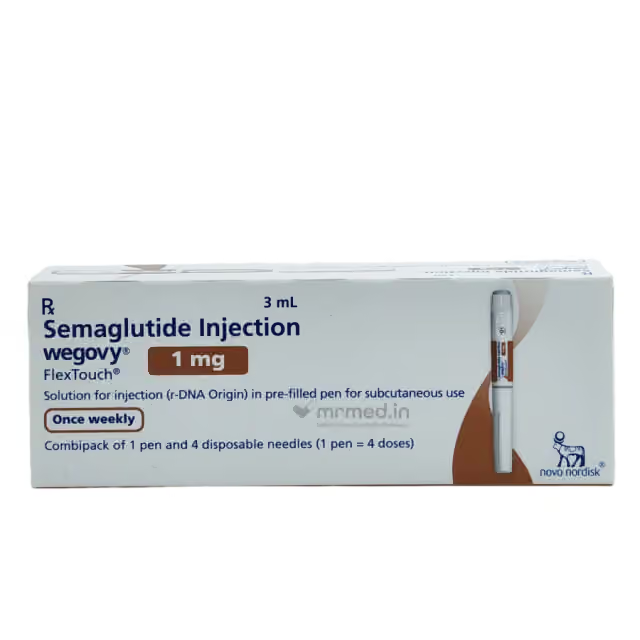
In India, popular GLP-1 weight-loss medicines such as Mounjaro (tirzepatide) and Wegovy (semaglutide) are priced at roughly ₹13,000–₹27,500 for a month's supply of Mounjaro and ₹10,850–₹16,400 for Wegovy, depending on dose, with recent price cuts aimed at improving affordability.
Many patients are closely watching developments such as the Semaglutide generic India launch date 2026, which may improve affordability and access in the coming years.
Until wider access is available, patients often compare current options to decide what suits them best.
These comparisons commonly include Mounjaro, Ozempic, and Wegovy, especially among patients who have used these medicines abroad or through limited-access programmes.
Patients who switch treatments frequently ask about safe transition practices, including dose timing and adjustments.
This is particularly common when switching from Ozempic to Mounjaro dosage guide discussions arise, as washout periods and gradual titration are important for safety.
Choosing the Right Option Without Diabetes
More and more people who do not have diabetes are metabolically impaired. For this growing number of patients in India, discussions regarding the best GLP-1 Medication to promote weight loss focus less on the numerical aspects of their health status and more on how they feel physically when taking this type of medication.
Therefore, Tolerance, the ability to easily integrate changes into one's current lifestyle, and mental ability to cope with fluctuations in appetite are equally as important as the actual weight loss experienced via these treatments.
Final Thoughts
Medications like Tirzepatide and Semaglutide provide tools for treating both Metabolic Health and Weight Management, rather than being an easy way out from these issues. They have revolutionised how we think about treating people with Obesity and Diabetes.
However, these medications will only achieve optimal results when patients follow a realistic outline for treatment and obtain medical supervision while taking these medications. The best medicine for a patient is the one they can safely and consistently take with confidence.

Tirzepatide vs Semaglutide – Basic Overview
Feature | Semaglutide | Tirzepatide |
Drug type | GLP-1 receptor agonist | Dual GIP and GLP-1 receptor agonist |
Main use | Weight management and type 2 diabetes | Weight management and type 2 diabetes |
How it works | Reduces appetite and slows digestion | Reduces appetite and improves metabolic response |
Injection frequency | Once weekly | Once weekl |
Common users | First-time GLP-1 users | Patients needing stronger metabolic support |
FAQS
1. Which is better to take, semaglutide or tirzepatide?
There is no single best option. The choice depends on weight goals, tolerance to side effects, and medical history.
2. What are the disadvantages of tirzepatide?
It may cause stronger appetite suppression, nausea, or fatigue in some people, especially during dose increases.
3. Is tirzepatide cheaper than semaglutide?
Currently, pricing varies by availability and market access. Costs may change once generics are introduced.
4. Is tirzepatide more effective than semaglutide for PCOS?
Some doctors consider it for insulin resistance, but use in PCOS is still patient-specific and evolving.
Read also
References
Rodriguez PJ, et al. Semaglutide vs tirzepatide for weight loss in adults with overweight or obesity: comparative effectiveness and adverse outcomes. JAMA Intern Med. 2024; Published online. This analysis reported that tirzepatide showed significantly greater weight reduction than semaglutide in adults with overweight or obesity. https://pubmed.ncbi.nlm.nih.gov/38976257/
Krüger N, et al. Cardiovascular outcome trials of incretin-based therapies, including semaglutide and tirzepatide. Cardiovascular Outcome Evidence. 2025; Clinical outcome analyses indicate cardiovascular benefits in populations with varying risk levels, although head-to-head data are limited. https://pubmed.ncbi.nlm.nih.gov/41207920/
Disclaimer: The content in this blog is for general informational purposes only and is not a substitute for professional medical advice, diagnosis, or treatment. Always consult your doctor or a registered dietitian before making any changes to your diet, especially if you have a medical condition or are taking prescribed medication. While the information is based on trusted sources, individual needs and results may vary. MrMed does not promote or endorse any specific food or treatment mentioned unless explicitly stated.















Comments