

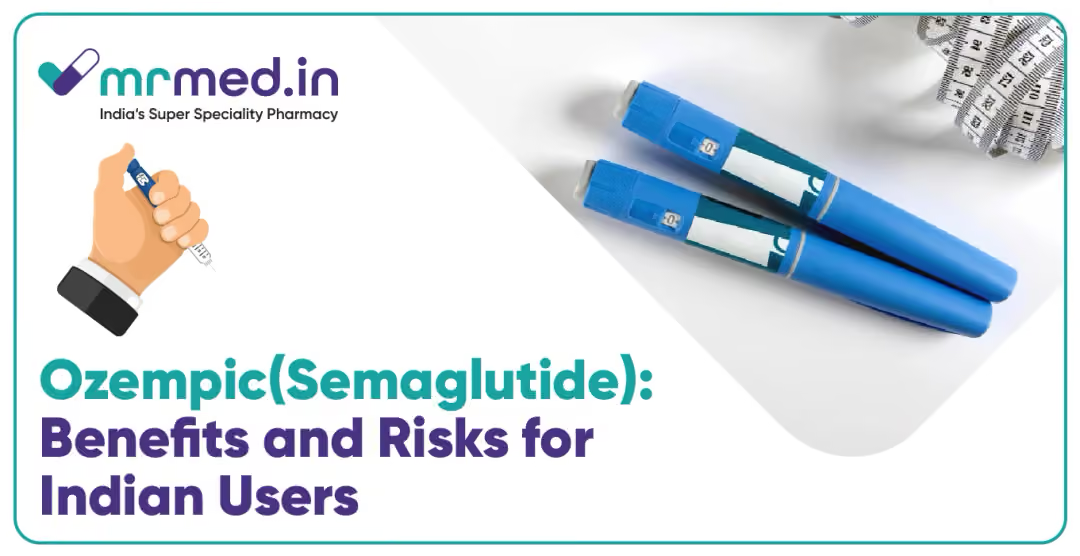
Ozempic(semaglutide): Medical Benefits, Risks, and What Indian Patients Should Know





Last updated on 02 Jan 2026
Semaglutide medications like Ozempic are redefining the fight against diabetes and obesity. Once meant only for Type 2 diabetes, they’ve become game-changers for weight loss, capturing attention across India. For many, they promise real transformation, but smart use means knowing both the power and the precautions.
The Ozempic injection contains semaglutide, a GLP-1 receptor agonist that mimics a natural hormone regulating appetite and blood sugar. While the medication has genuine medical applications, its growing popularity has also raised important questions about safety, accessibility, and appropriate use.
How Semaglutide Works for Weight Management
Semaglutide functions by mimicking glucagon-like peptide-1 (GLP-1), a hormone that naturally occurs in the body. This mechanism affects weight through multiple pathways:
Reduces appetite by signalling fullness to the brain
Slows gastric emptying, keeping you satisfied longer
Regulates blood sugar levels more effectively
Decreases food cravings and emotional eating patterns
Clinical trials have demonstrated that patients using semaglutide for weight loss risk management can lose 10-15% of their body weight when combined with lifestyle modifications. This level of weight reduction can significantly improve metabolic health, particularly for those with obesity-related conditions.
Note: The Central Drugs Standard Control Organisation (CDSCO) approved Ozempic in September 2025 for adults with type 2 diabetes. While it is known for its weight loss benefits, its official approval in India is specifically for managing type 2 diabetes. However, it may be considered for weight loss in cases of obesity and diabetes under a doctor's supervision.
Medical Applications and Approved Uses
Understanding the different semaglutide formulations helps clarify appropriate usage:
Medication | Typical Dosage | Approved Use (2025) | Form | Typical / Average Weight-Loss Results |
Ozempic (semaglutide injection) | 0.25 → 0.5–2 mg weekly | • Type 2 Diabetes mellitus (T2D) • Since Jan 2025 – to reduce risk of kidney disease progression, kidney failure, or cardiovascular death in adults with T2D + CKD | Subcutaneous injection | 1. Typically 4–6 kg ( 4–6%) body-weight loss in T2D patients over 30 weeks 2. Less than weight-loss–specific GLP-1s |
(semaglutide injection) | Stepwise titration to maintenance dose of 2.4 mg weekly | • Chronic weight management in adults with BMI ≥ 30 or ≥ 27 with comorbidities • Also approved for adolescents ≥ 12 years (2023 FDA expansion) | Subcutaneous injection | 1. 12–15% average weight loss in 68-week trials 2. New STEP-UP (2025) data show up to 21% loss with investigational 7.2 mg dose |
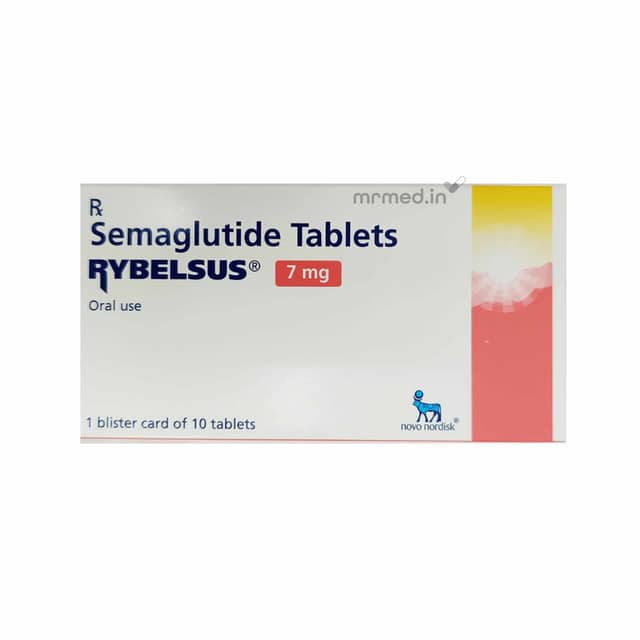
Rybelsus (oral semaglutide) | 3 mg → 7 mg → 14 mg daily (on empty stomach before food) | • Type 2 Diabetes mellitus in adults as adjunct to diet & exercise | Oral tablet | 1. Average 2–4 kg loss over ~26 weeks in T2D trials |
Who Should Consider Semaglutide Treatment?
Medical professionals typically recommend semaglutide-based treatments for specific patient profiles:
Good Candidates:
BMI of 30 or higher (obesity classification)
BMI of 27-29.9 with obesity-related conditions (hypertension, sleep apnea, high cholesterol)
Previous unsuccessful attempts at diet and exercise modifications
No contraindications or high-risk factors
Commitment to ongoing lifestyle changes alongside medication
Poor Candidates:
Personal or family history of medullary thyroid cancer
Multiple endocrine neoplasia syndrome type 2
History of severe pancreatitis
Active gallbladder disease
Pregnancy or planning pregnancy
Understanding Ozempic Side Effects
Like any medication, semaglutide carries potential Ozempic side effects ranging from mild to serious. Most patients experience some adjustment period.
Common Side Effects (60-70% of users):
Nausea, especially during dose increases
Diarrhoea or constipation
Abdominal discomfort or bloating
Fatigue during the initial weeks
Decreased appetite (therapeutic effect)
Serious Health Concerns Requiring Medical Attention:
Condition | Risk Level | Warning Signs | Action Required |
Ozempic pancreatitis risk | 2-3% incidence | Severe abdominal pain, vomiting | Immediate emergency care |
Ozempic gallbladder issues | 1.6% incidence | Sharp upper right pain | Gastroenterology consultation |
Semaglutide vision problems | Rare but documented | Blurred vision, retinal changes | Ophthalmology evaluation |
Ozempic thyroid cancer risk humans | Under study | Neck lump, voice changes | Endocrinology assessment |
The "Ozempic Face" Phenomenon
Social media discussions of Ozempic face before and after have highlighted an aesthetic concern with rapid weight loss. This refers to facial volume loss, creating a gaunt, aged appearance. The phenomenon occurs because:
Rapid fat loss affects facial subcutaneous tissue
Collagen and elastin don't adjust quickly to volume changes
Older patients (45+) experience more pronounced effects
Weight loss exceeding 1-2 kg per month increases risk
Dermatologists note this isn't unique to semaglutide but rather occurs with any significant, rapid weight loss. Gradual weight loss and adequate protein intake help in the long term effect.
Ozempic Long-Term Side Effects and Sustainability
Research on Ozempic long-term side effects continues as the medication has only been widely used since 2017. Current evidence suggests most patients tolerate extended treatment well, though some concerns exist:
Documented Long-Term Considerations:
Potential muscle mass loss alongside fat reduction
Nutritional deficiencies occur if dietary intake is severely restricted
Psychological dependence on medication for weight maintenance
Unknown effects of 5+ years of continuous use
The challenge of Ozempic weight gain after stopping is significant, as studies show patients regain about two-thirds of lost weight within a year without continued lifestyle changes. This rebound occurs because appetite regulation returns to pre-treatment levels, metabolism adapts, and old eating habits often resume.
According to NIH, in the long-term follow-up of a semaglutide study, participants regained on average 11.6 percentage points of lost weight by week 120 after stopping the drug (net ≈5.6 % weight loss remained).
Ozempic vs Lifestyle Change for Obesity: The Evidence
Comparing pharmaceutical intervention with behavioral modification reveals important insights:
Factor | Ozempic Injection | Lifestyle Changes Alone |
Weight Loss (1 year) | 12-15% average | 5-7% average |
Sustainability | Requires continued use | Self-sustaining if maintained |
Cost Burden | ₹18,000-24,000/month | Minimal to moderate |
Medical Supervision | Essential | Recommended |
Side Effect Risk | Moderate | Minimal |
The Ozempic vs lifestyle change for obesity debate often presents false dichotomy. Evidence-based medicine suggests combining both approaches produces optimal results. Medication provides an initial weight reduction breakthrough while patients develop sustainable healthy behaviors.
Indian Context: Pricing, Safety, and Legal Concerns
Understanding the Ozempic generic price in India helps patients plan their treatment costs effectively. Currently, branded Ozempic costs ₹10,000-24,000 per monthly dose, with limited generic availability due to patent protections. Insurance coverage remains inconsistent across providers, with most policies not covering weight loss indications.
Safety Recommendations:
Purchase only from licensed pharmacies with proper documentation
Verify packaging authenticity with manufacturer verification systems
Ensure prescriptions come from qualified endocrinologists
Report suspicious sellers to the drug regulatory authorities
The lawsuit against Ozempic India involves a limited number of cases compared to international markets, primarily focusing on inadequate side effect disclosure and concerns regarding off-label promotion.
According to the indian Journal of Diabetology, A real-world Indian study found that oral semaglutide led to HbA₁c reduction of 0.9% and body-weight decrease by 3.4 kg in Indian adults with type 2 diabetes
Ozempic Off-Label Use Risks
While Wegovy received specific approval for obesity treatment in many countries, Ozempic off-label use risks in India include insurance non-coverage for weight loss indication, less established dosing protocols for obesity, and limited long-term safety data for non-diabetic patients. Medical ethics require informed consent discussions about off-label prescribing, ensuring that patients understand the difference between approved and experimental applications.
Dr Shreerang Godbole, senior endocrinologist, said: ‘We’ve moved past the outdated “eat less, move more” mantra. Modern treatments like injectable semaglutide help patients regain control over their appetite and achieve sustainable weight loss.
Safer Alternatives and Complementary Approaches
For patients seeking semaglutide alternative without side effects, several options exist:
Pharmaceutical Alternatives:
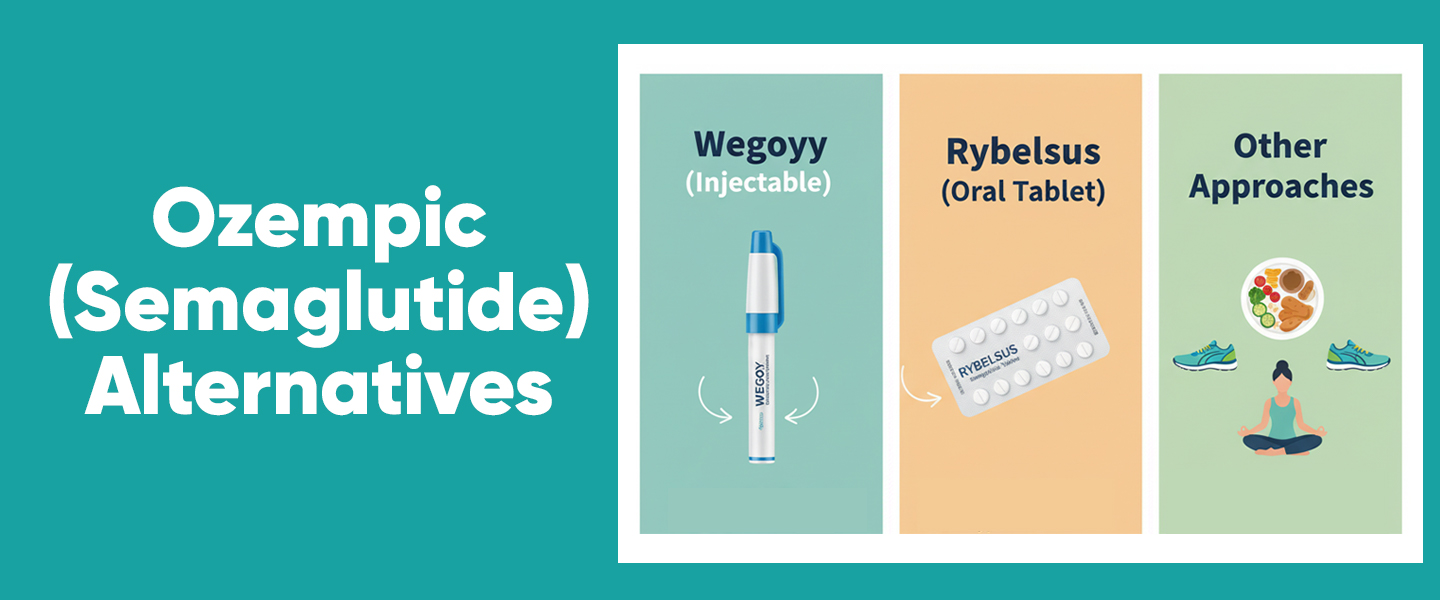
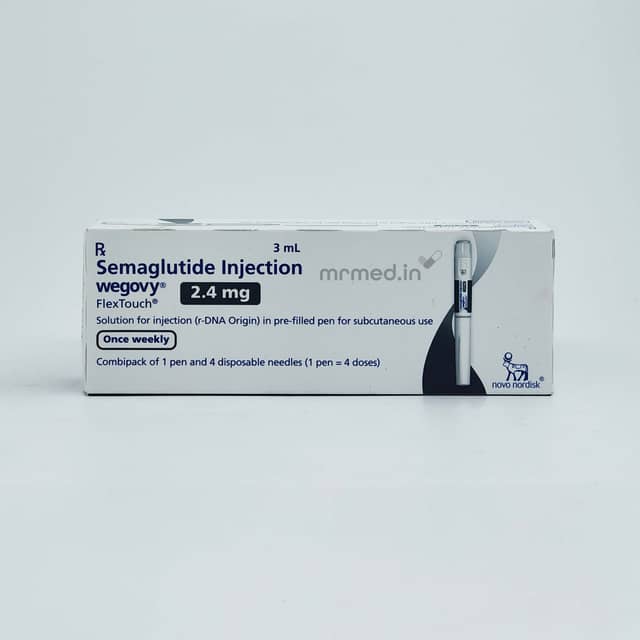
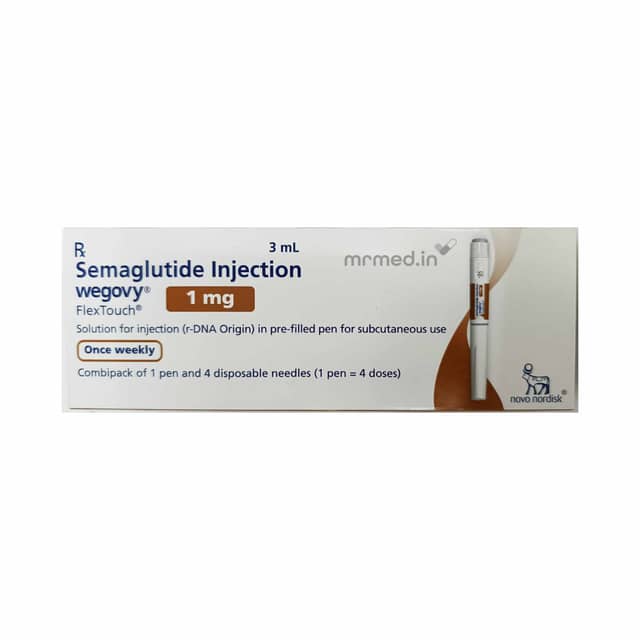
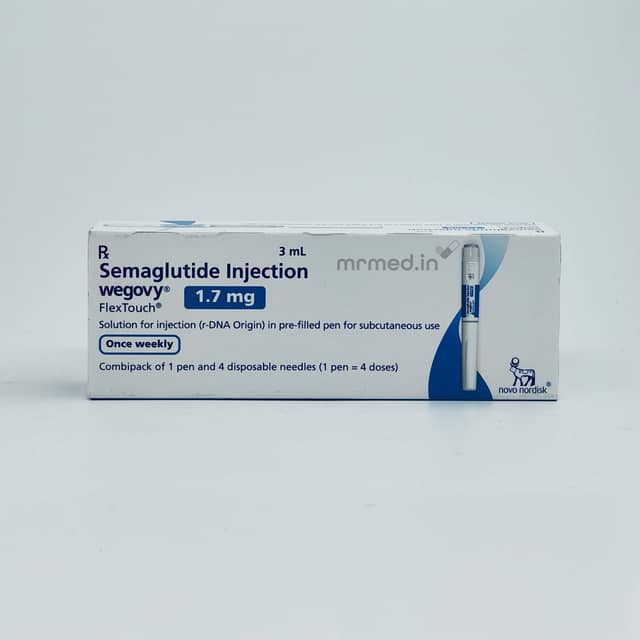
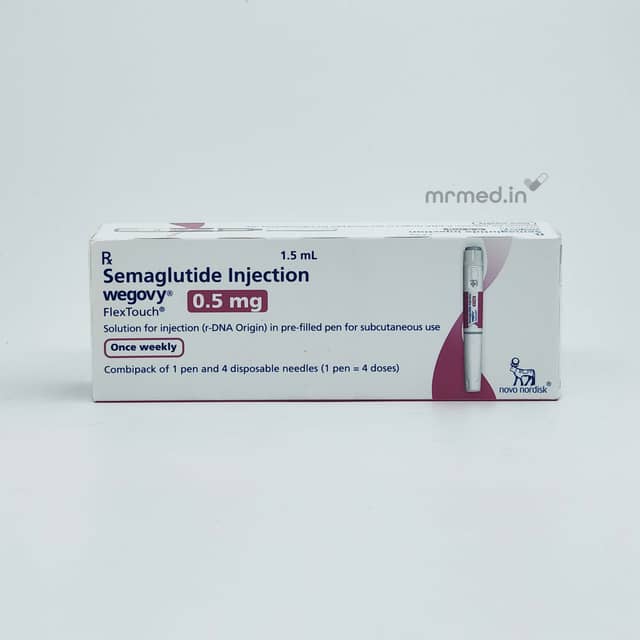
Wegovy (semaglutide): Injectable GLP-1 agonist approved for chronic weight management; provides significant weight loss of around 12–15% at the 2.4 mg weekly dose.
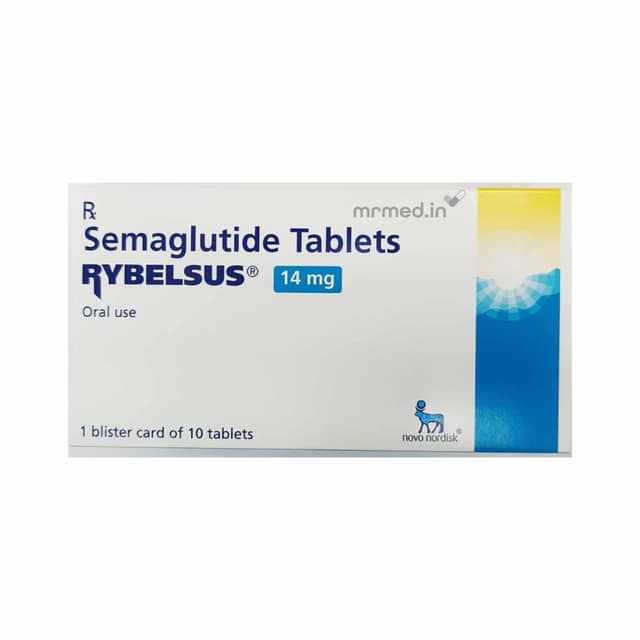
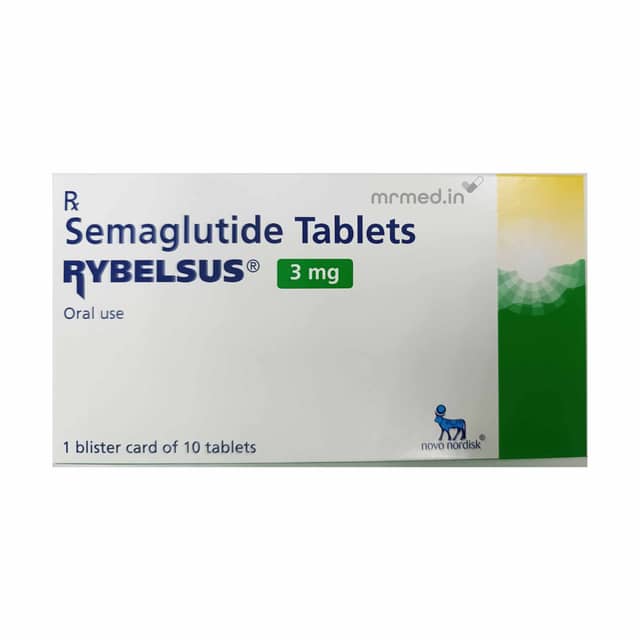
Rybelsus (oral semaglutide): Oral GLP-1 medication approved for type 2 diabetes; offers moderate weight reduction of about 2–4% while improving blood sugar control.
Lifestyle-Based Interventions:
Structured dietary programs (Mediterranean, DASH, low-carb approaches)
Regular physical activity (150+ minutes weekly moderate exercise)
Behavioral therapy addressing emotional eating patterns
Sleep optimization and stress management
Combining medication with lifestyle modification produces superior long-term outcomes compared to either approach alone, addressing both physiological and behavioral aspects of obesity.
Frequently Asked Questions
1. What is Ozempic and how does it help with weight loss?
Ozempic is a GLP-1 receptor agonist injection that reduces appetite and slows digestion, helping patients consume fewer calories and achieve weight loss when used in combination with lifestyle modifications.
2. Is Ozempic safe for Indians without diabetes?
Ozempic is approved for the management of Type 2 diabetes. Off-label use for weight loss requires careful medical evaluation, monitoring, and supervision by a qualified endocrinologist.
3. How effective is Wegovy for weight loss, and who can use it safely?
Wegovy helps achieve 12–15% weight loss by reducing appetite and increasing satiety. It’s approved for adults with obesity or weight-related conditions when combined with diet, exercise, and medical supervision.
4. What withdrawal symptoms or changes might occur after stopping Ozempic?
Stopping Ozempic may lead to increased hunger, higher blood sugar levels, and gradual weight regain. There are no true withdrawal symptoms, but appetite returns to pre-treatment levels.
5. Are there any side effects when you stop taking Ozempic injections?
After stopping Ozempic, users may experience weight regain and higher glucose levels. No withdrawal side effects occur, but diabetes symptoms can reappear without lifestyle management.
6. Can Rybelsus tablets help with weight loss, and how do they work?
Rybelsus aids modest weight loss (2–4 kg) by reducing appetite and improving blood sugar control. It’s approved for type 2 diabetes, not as a dedicated obesity treatment.
Bottom Line: The Weight of the Shortcut
Ozempic, Wegovy, and Rybelsus may seem like modern miracles, offering quick fixes in a world obsessed with fast results. But real health isn’t a sprint; it’s a marathon. In India’s booming wellness scene, it’s tempting to skip straight to the “magic pen.” Yet every shortcut comes with a price, sometimes in rupees, sometimes in your long-term health. If you’re considering Ozempic or any GLP-1 drug, talk to a qualified doctor, not Instagram. The goal shouldn’t just be to lose weight, it should be to maintain your health while doing so.
Read Also
References
Pillarisetti, L., & Agrawal, D. K. (2025). Semaglutide: Double-edged Sword with Risks and Benefits. Archives of internal medicine research, 8(1), 1–13. https://doi.org/10.26502/aimr.0189
Peverelle, M., Ng, J., Peverelle, J., Hirsch, R. D., & Testro, A. (2023). Liver decompensation after rapid weight loss from semaglutide in a patient with non-alcoholic steatohepatitis-associated cirrhosis. World journal of gastroenterology, 29(47), 6165–6167. https://doi.org/10.3748/wjg.v29.i47.6165
https://www.webmd.com/drugs/2/drug-174491/ozempic-subcutaneous/details
Disclaimer: The content in this blog is for general informational purposes only and is not a substitute for professional medical advice, diagnosis, or treatment. Always consult your doctor or a registered dietitian before making any changes to your diet, especially if you have a medical condition or are taking prescribed medication. While the information is based on trusted sources, individual needs and results may vary. MrMed does not promote or endorse any specific food or treatment mentioned unless explicitly stated.













Comments