


Tonsillitis Symptoms and Treatment Options: From Home Care to Clinical Treatments for Tonsil Pain





Last updated on 02 Jan 2026
Key Takeaways
|
There are days when your throat suddenly feels heavier than usual, swallowing becomes uncomfortable, your voice sounds different, and you keep clearing your throat, hoping it will ease up. For many people in India, this kind of irritation shows up especially during seasonal changes, pollution spikes, after cold drinks, or when a cough and cold is already around. Very often, the tonsils are the reason behind it.
Tonsillitis is common, and while the discomfort can interrupt your entire routine, it’s a condition that becomes much easier to handle once you understand its symptoms, causes, and treatment options. Whether it’s a mild episode or something that needs medical attention, knowing what’s happening in your throat can help you take the right steps toward recovery.
What Is Tonsillitis?
Tonsillitis is the inflammation or infection of the tonsils, which are located at the back of your throat. These tonsils act like protective filters, catching germs before they travel further into your body. When exposed to too many germs, viral or bacterial, and they become swollen and painful.
Tonsillitis appears in different forms:
Acute tonsillitis: A short-term infection that clears in a few days
Chronic tonsillitis: Multiple episodes across months
Follicular tonsillitis: White or yellow spots appear on the tonsils due to deeper infection
Each type needs slightly different care, but all are manageable with timely attention.
Tonsillitis Symptoms to Look Out For
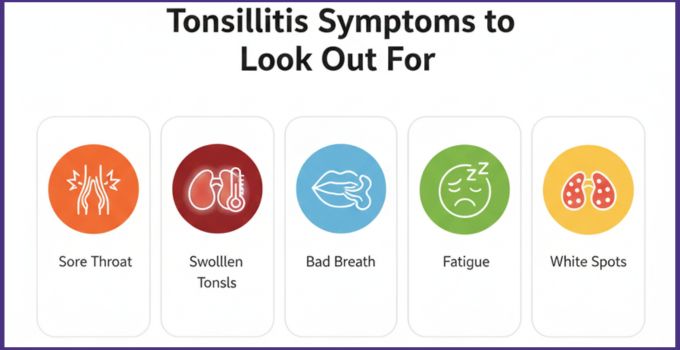
Tonsillitis comes with signs that are hard to ignore. You may notice:
Throat pain or difficulty swallowing
Swollen or red tonsils
Fever
White or yellow spots on the tonsils
Neck gland swelling
Bad breath
Fatigue
A muffled voice
A common confusion is how tonsillitis differs from strep throat; the distinction is simple:
Tonsillitis can be viral or bacterial
Strep throat(Streptococcus pyogenes throat) is caused only by a specific bacteria
A doctor can confirm the exact cause through a throat swab.
Expert Insight: Dr. Rohan Mehta, (Senior ENT Consultant, Bengaluru ENT Care Centre): “Most people believe tonsillitis always requires antibiotics, but the majority of cases are viral and recover well with rest, warm fluids, and supportive home care.”
Tonsillitis Causes
In India, multiple everyday factors contribute to frequent throat infections and tonsillitis.
Pollution, temperature shifts, low hydration, and weakened immunity play major roles.
1. Viral infections
These are the most common. Common cold viruses, flu viruses, and viral throat infections easily irritate the tonsils.
2. Bacterial infections
Less frequent but usually more painful. These may require tonsillitis antibiotics.
3. Daily-life triggers
Sudden temperature changes
Pollution and dust
Low water intake
Sharing food or drinks
Consuming cold items when already unwell
Your tonsils react to sudden irritants or overloads of germs, leading to inflammation.
Types of Tonsillitis
1. Acute Tonsillitis
It appears suddenly, often after a cold or weather change, and usually settles within a few days. With proper rest, hydration, and basic tonsillitis treatment, most people recover without complications.

2. Chronic Tonsillitis
This type keeps coming back, sometimes every few weeks or months, leading to ongoing throat pain, swelling, and discomfort. It develops when the tonsils stay irritated for long stretches or fail to heal completely between episodes, making each flare-up easier to trigger.

3. Follicular Tonsillitis
Small white or yellow spots (called follicles) appear on the tonsils, which show that the infection has reached deeper layers. This usually causes severe pain, fever, and difficulty swallowing and may require medical treatment.

Home Remedies and TonsillitisRemedy Options
Many mild cases respond very well to home care. Here are remedies that Indian households trust with clear explanations for each:
1. Warm Saltwater Gargles
Gargling with warm salt water 2–3 times a day helps reduce swelling and irritation. The salt draws out excess fluid from inflamed tissues, while the warm water relaxes the throat and reduces discomfort.
2. Steam Inhalation
Inhaling steam adds moisture to dry or irritated throat tissues. It helps reduce dryness, ease irritation, and make breathing comfortable. A quick 5-minute steam session can offer noticeable relief.
3. Warm Drinks
Warm liquids like soups, haldi doodh, warm water, and herbal tea soothe the throat and improve hydration. They relax strained throat muscles and make swallowing easier.
4. Honey and Ginger
Honey coats the throat and reduces irritation, while ginger provides gentle anti-inflammatory benefits. A teaspoon once or twice a day works well. Avoid honey for infants below one year.
5. Soft Foods
Meals like khichdi, dal, curd rice, mashed vegetables, and porridges reduce throat strain and ensure you get proper nutrition without discomfort.
6. Rest
Your immune system needs energy to fight infections. Adequate rest and sleep help your body recover faster and reduce the severity of symptoms.
These remedies help significantly in mild cases. If symptoms persist, worsen, or return frequently, medical care becomes necessary.
Expert Insight: Dr. Ayaan Pillai, (Consultant ENT Surgeon, Kolkata Voice & Throat Centre) said, “Warm saltwater gargles remain one of the most dependable remedies because they reduce swelling and wash away irritants from the tonsils.”
Tonsillitis Medicine and Treatment Options
Treatment depends on whether the infection is viral or bacterial.
1. Viral Tonsillitis
Antibiotics do not help in viral cases. Doctors usually recommend:
Pain-relief medicines
Anti-inflammatory tablets
Lozenges
Warm fluids
Hydration
Rest
Most viral tonsillitis cases improve within 5–7 days.
2. Bacterial Tonsillitis
This may require antibiotics to prevent complications.
Important reminders:
Only take antibiotics if prescribed by a doctor
Complete the full course
Do not reuse old medicines
3. Tonsillitis Medication for Chronic Cases
In chronic tonsillitis, doctors may suggest:
Long-term medication
Monitoring
Immunity-boosting lifestyle changes
Tonsillectomy (removal of tonsils) if infections are severe or repeated
Clinical Treatment Options
For moderate or severe cases, doctors may suggest:
Throat swab test
Blood tests
Nebulization
Antibiotics (if bacterial)
For recurrent infections that affect daily life, a tonsillectomy may be recommended.
How Long Does Tonsillitis Last?
Viral: 5–7 days
Bacterial: noticeable relief within 2–3 days after starting antibiotics
Chronic: symptoms return until treated properly
If your symptoms persist beyond a week, it’s important to seek a medical evaluation, as prolonged tonsillitis may indicate a bacterial infection, complications, or an underlying condition that requires targeted treatment.
Prevention Tips
Small habits can significantly reduce tonsil infections:
Wash hands regularly
Avoid sharing utensils or drinks
Keep surroundings clean
Avoid dust and smoke
Sleep well
Eat food that supports immunity
Avoid cold foods when already sick
These steps help prevent irritation and maintain throat health.
When You Should See a Doctor
Medical attention is necessary if you experience:
High fever
Difficulty swallowing
Severe tonsil pain
Breathing trouble during sleep
Ear pain
White patches that don’t fade
Symptoms lasting over a week
Frequent infections throughout the year
A doctor can diagnose the cause and recommend appropriate treatment.
Frequently Asked Questions
1. What are the early symptoms of tonsillitis?
Early symptoms, in some cases, include throat pain, difficulty swallowing, swollen tonsils, fever, tiredness, and white or yellow spots.
2. Can tonsillitis go away on its own?
Mild viral tonsillitis often improves within 5–7 days with home care. Bacterial tonsillitis may need antibiotics.
3. What is the difference between tonsillitis and strep throat?
Tonsillitis can be viral or bacterial, while strep throat is caused only by Streptococcus bacteria.
4. How long does tonsillitis last?
Most cases improve in a week. Bacterial infections improve faster once treatment begins.
5. Which foods should I avoid?
Avoid spicy, oily, fried, crunchy, and very cold foods as they can irritate the throat.
6. Is tonsillitis contagious?
Yes. It can spread through coughing, sneezing, or sharing food and drinks.
7. What is follicular tonsillitis?
A type of tonsillitis where tiny white or yellow spots appear on the tonsils, indicating deeper infection.
8. When is tonsillectomy needed?
It’s recommended for chronic or severe cases where tonsillitis keeps returning and disrupts daily life.
Wrapping Up
Tonsillitis can be uncomfortable, but with early recognition and proper care, recovery becomes much smoother. Most cases improve with home remedies and basic medication, while others may require medical treatment. Paying attention to your symptoms and acting early helps prevent complications and keeps your throat healthy in the long run.
Read Also
References
Nimmana BK, Paterek E. Tonsillitis. [Updated 2025 Jul 7]. In: StatPearls [Internet]. Treasure Island (FL): StatPearls Publishing; 2025 Jan-. Available from: https://www.ncbi.nlm.nih.gov/books/NBK544342/
InformedHealth.org [Internet]. Cologne, Germany: Institute for Quality and Efficiency in Health Care (IQWiG); 2006-. Overview: Tonsillitis. [Updated 2023 Jan 2]. Available from: https://www.ncbi.nlm.nih.gov/books/NBK401249/
Guntinas-Lichius O, Geißler K, Mäkitie AA, et al. Treatment of recurrent acute tonsillitis-a systematic review and clinical practice recommendations. Front Surg. 2023;10:1221932. Published 2023 Oct 10. doi:10.3389/fsurg.2023.1221932
Disclaimer: The information shared in this blog is meant for general educational purposes only and should not be taken as medical advice. Always consult a qualified healthcare professional for diagnosis, treatment, or medical guidance related to your health. The content is based on reliable sources, but it may not be suitable for every individual’s condition. We do not assume responsibility for any actions taken based on this information. Readers are encouraged to exercise caution and use their discretion when making healthcare decisions.















Comments