

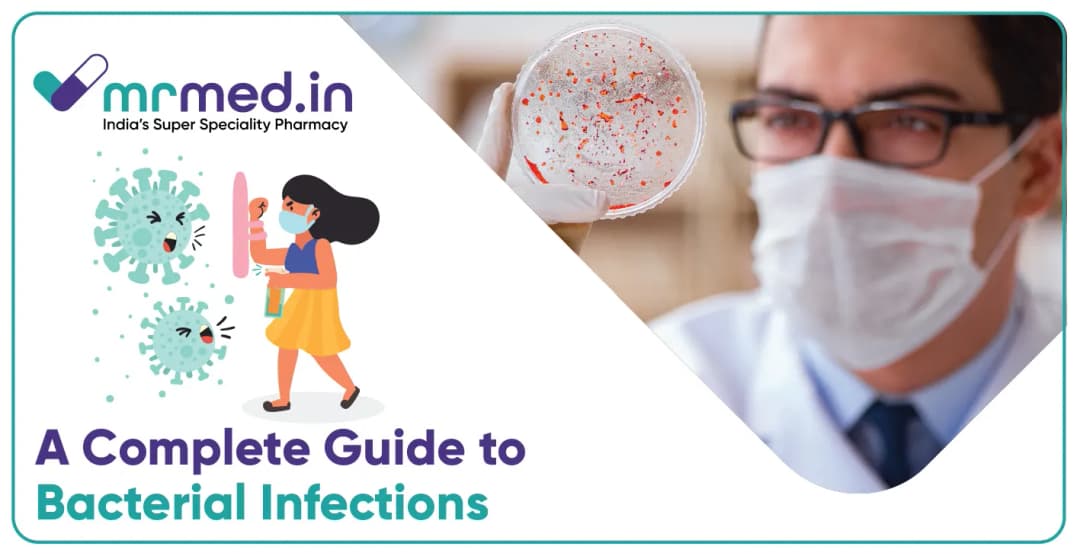
Bacteria or Virus? How to Tell What’s Making You Sick





Last updated on 21 Apr 2026
Ever had a sore throat that just wouldn’t quit? Or maybe a nasty skin infection that made you Google symptoms like a detective on a case? Yep, we’ve all been there. Bacterial infections are a common part of life—some are mild and annoying, while others can be downright dangerous if left untreated.
But don’t worry! We’re here to break it all down for you—what bacterial infections are, how to spot them, and most importantly, how to treat them. No complicated medical jargon, just clear, relatable info to keep you informed (and hopefully, a little entertained).
What Exactly Is a Bacterial Infection?
A bacterial infection happens when harmful bacteria enter your body and multiply, causing illness. Unlike viruses (which hijack your cells), bacteria are living organisms that can thrive on their own. Some are harmless—even helpful (hello, gut bacteria!)—but others? Not so friendly.
Bacterial infections can affect just about any part of the body—your skin, throat, stomach, nails, eyes, you name it. Some go away on their own, while others need a little help from antibiotics.
How Do You Know If It’s a Bacterial Infection?
Bacterial infection symptoms can vary depending on where the infection is, but there are some telltale signs:
Fever – Your body is trying to fight off the bacteria, and raising your temperature is one way it does that.
Fatigue – Feeling drained? Your immune system is working overtime.
Pain & Swelling – Whether it’s a sore throat, a swollen wound, or an achy stomach, inflammation is a big red flag.
Pus or Discharge – (Yep, gross but important.) If you notice yellow or greenish pus from a wound or infection site, bacteria are likely to blame.
Redness & Warmth – Skin infections, in particular, cause redness, tenderness, and a warm sensation.
Persistent Symptoms – Viral infections (like colds) tend to clear up within a week. If your symptoms are sticking around or getting worse, it could be bacterial.
What Are the Different Types of Bacterial Infections?
Bacteria don’t discriminate—they can infect any part of your body. Here are some of the most common examples of bacterial infections:
1. Bacterial Skin Infections
Think boils, impetigo, or cellulitis. These are caused by bacteria sneaking into cuts, scrapes, or hair follicles. If you see redness, swelling, or oozing pus, you might be dealing with a bacterial skin infection.
2. Bacterial Throat Infections
Ever had strep throat? That’s a bacterial throat infection! It comes with a fiery sore throat, trouble swallowing, and sometimes white spots on your tonsils.
3. Bacterial Sinus Infection
Your sinuses feel like they’re stuffed with cement? If your congestion lasts more than 10 days and you’re dealing with thick, yellow mucus, you might have a bacterial sinus infection.
4. Bacterial Eye Infections
Red, itchy, and crusty eyes? Bacterial conjunctivitis (aka pink eye) might be the culprit. It’s contagious, so wash your hands and avoid touching your face.
5. Vaginal Bacterial Infections
Bacterial vaginosis (BV) is a common condition where the natural balance of bacteria in the vagina is thrown off. Symptoms include unusual discharge and a fishy odour, but don’t panic—it’s easily treatable.
6. Bacterial Nail Infections
Pain, swelling, and pus around the nail? That could be a bacterial nail infection, often caused by biting nails or frequent exposure to water.
7. Bacterial Infection in Stomach
Food poisoning from bacteria like Salmonella or E. coli can hit hard, leading to nausea, vomiting, diarrhoea, and stomach cramps. It’s unpleasant, but most cases resolve on their own with rest and hydration.
8. Oral Bacterial Infections
Got swollen, bleeding gums? That could be a bacterial gum infection like gingivitis or periodontitis, which can lead to tooth loss if ignored.
What’s the Difference Between a Viral and Bacterial Infection?
This one confuses a lot of people! While both can make you feel miserable, there are key differences:
Feature | Bacterial Infection | Viral Infection |
Caused by | Bacteria (living organisms) | Viruses (non-living, need a host) |
Treatment | Often needs antibiotics | Usually clears up on its own |
Duration | Can last longer if untreated | Usually resolves in 7-10 days |
Examples | Strep throat, UTIs, food poisoning | Flu, common cold, COVID-19 |
How Are Bacterial Infections Treated?
1. Antibiotics for Bacterial Infections
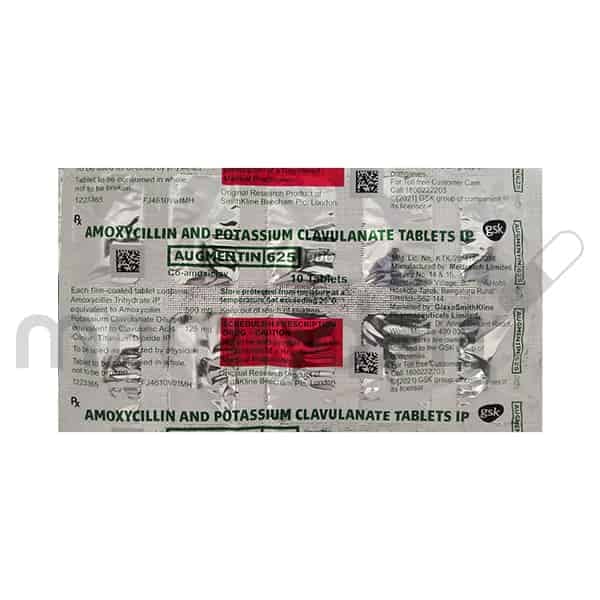
Antibiotics are the go-to treatment for bacterial infections, but they only work if the infection is actually bacterial. Taking them for a viral infection won’t help (and can make bacteria more resistant in the future).
2. Home Remedies & Self-Care
Rest – Your body needs energy to fight off the infection.
Hydration – Drink plenty of water to flush out toxins.
Warm Compress – For skin infections, a warm compress can help reduce swelling and pain.
Salt Water Gargle – If you’ve got a bacterial throat infection, gargling with warm salt water can ease symptoms.
3. Over-the-Counter Relief
While antibiotics are the main treatment for bacterial infections, over-the-counter (OTC) medications can help relieve symptoms and support recovery.
1. Pain relievers like ibuprofen (Advil) or acetaminophen (paracetamol) can help reduce fever, pain, and inflammation. These are especially useful for bacterial throat infections, sinus infections, and bacterial skin infections.
2. Antihistamines and decongestants can ease nasal congestion caused by bacterial sinus infections, making it easier to breathe. Look for products containing pseudoephedrine or diphenhydramine.
3. Hydrocortisone creams and antiseptic ointments can soothe irritation and promote healing in bacterial skin infections. Spreading a light layer over the affected areas can help reduce itching, redness, and discomfort.
4. Saltwater gargles and throat lozenges can help relieve the pain of a bacterial throat infection by soothing inflammation and keeping the throat moist.
5. Probiotics can help restore gut health, especially after taking antibiotics, which sometimes disrupt beneficial bacteria in the digestive system.
What Is the Strongest Antibiotic for Bacterial Infections?
Not all antibiotics are created equal. The type of antibiotic you need depends on the infection and how severe it is. Doctors usually prescribe the mildest effective option first, but in serious cases, they might use stronger antibiotics.
Important: Never take antibiotics without a doctor’s prescription, and always finish the full course—even if you feel better! Stopping early can allow bacteria to survive and become resistant.
Frequently Asked Questions (FAQs)
1. How do you prevent bacterial infections?
The best way to prevent bacterial infections is by practising good hygiene. Frequently wash your hands with soap, particularly before meals or after touching shared surfaces. Ensure wounds are properly cleaned and covered to block bacteria from entering the body. Avoid close contact with people who have contagious bacterial infections, and maintain a strong immune system with healthy foods exercise, and adequate sleep. If you frequently get infections, consider talking to a doctor about additional prevention methods, such as vaccines for certain bacterial diseases.
2. Can bacterial infections go away on their own?
Some mild bacterial infections, like minor skin infections or mild food poisoning, can clear up on their own as the immune system fights them off. However, more serious infections, like strep throat or bacterial sinus infections, may require antibiotics to prevent complications. If symptoms persist, worsen, or include high fever, difficulty breathing, or severe pain, it’s best to see a doctor. Leaving a bacterial infection untreated can sometimes lead to more severe conditions, such as sepsis or the infection spreading to other parts of the body.
3. Are bacterial infections contagious?
Yes, many bacterial infections can spread from person to person, especially through direct contact, respiratory droplets (coughing, sneezing), or contaminated surfaces. For example, bacterial throat infections like strep throat and bacterial eye infections like conjunctivitis (pink eye) are highly contagious. To lower the risk of spreading or catching an infection, wash your hands frequently, avoid sharing personal items like towels or utensils, and cover your mouth when sneezing or coughing. If you have a contagious bacterial infection, staying home until you’re no longer infectious can help protect others.
4. Can probiotics help prevent bacterial infections?
Probiotics, found in fermented foods like yoghurt, kimchi, and kombucha, as well as in supplements, can help sustain a proper balance of beneficial bacteria in your gut. A strong gut microbiome can improve digestion, boost immunity, and reduce the risk of bacterial infections, particularly in the stomach and intestines. Some research suggests that probiotics may help prevent antibiotic-associated infections, such as Clostridium difficile (C. diff) infections, by replenishing good bacteria in the gut. While probiotics are beneficial, they should not replace antibiotics when medical treatment is necessary. If you’re considering probiotics, talk to a healthcare professional about the best option for you.
5. What happens if a bacterial infection is left untreated?
If left untreated, bacterial infections may worsen and extend to different areas of the body. For example, an untreated bacterial throat infection could lead to complications like rheumatic fever, while an untreated skin infection could spread deeper and cause cellulitis or even sepsis. Certain infections, such as bacterial pneumonia or urinary tract infections, can become life-threatening if ignored. The severity depends on the type of bacteria and the individual’s immune response. Seeking timely medical treatment, whether through antibiotics or home care, can prevent serious complications.
Final Thoughts
Bacterial infections are common, but with the right knowledge, you can spot them early and get the right treatment. Whether it’s a sore throat, a sinus infection, or something more serious, knowing the symptoms and when to seek help makes all the difference.
Stay healthy, wash your hands, and when in doubt - see a doctor!
Read also
References
https://www.cdc.gov/antimicrobial-resistance/data-research/facts-stats/index.html
https://www.who.int/news-room/fact-sheets/detail/antimicrobial-resistance
https://www.mdpi.com/journal/life/topical_collections/bacterial
Disclaimer: The content in this blog is for general informational purposes only and is not a substitute for professional medical advice, diagnosis, or treatment. Always consult your doctor or a registered dietitian before making any changes to your medicines or diet, especially if you have a medical condition or are taking prescribed medication. While the information is based on trusted sources, individual needs and results may vary. MrMed does not promote or endorse any specific food or treatment mentioned unless explicitly stated.













Comments