

.png&w=1080&q=75&dpl=dpl_4whoxTpEisfWjq2UkEhDXS7s1JB3)
Signs Your Digestive Problems Need Medical Attention





Last updated on 27 Mar 2026
People commonly experience digestive discomfort as a normal part of their lives. The stomach becomes disturbed by three main factors: consuming a heavy meal, experiencing stress, and exhibiting irregular eating patterns. Persistent symptoms with increasing severity warrant medical evaluation. People who notice early signs of health problems should take action to help prevent the development of chronic health issues.
Key Takeaways
• Occasional stomach issues are normal, but persistent symptoms need attention |

What Are Common Digestive Problems Symptoms?
A community-based study from rural Uttar Pradesh in 2024 found that 21.7% of adults had functional gastrointestinal disorders, with dyspepsia being the most common at 14.9%, followed by dyspepsia-IBS overlap at 4.1% and IBS alone at 2.7%.
Occasionally, people may have mild digestive symptoms. Some of the common signs include:
Gas & bloating.
Indigestion/Acid Reflux.
Constipation/Diarrhoea.
Nausea.
Abdominal Discomfort.
These types of signs usually last only a short time. But if these symptoms persist or worsen, or affect daily activities, they could indicate deeper issues with your digestive health.
Early Signs of Gastrointestinal Disease
Detection of early-stage gastrointestinal disease is essential to not lead to serious complications later on. If you experience any of the symptoms below, kindly raise the concern with your doctor:
● Frequent abdominal pain.
● A change in bowel movements.
● Excessive gas/bloating or feeling excessively full shortly after beginning to eat.
Signs of Stomach Problems in Adults
Dr Uday Chand Ghoshal, Professor and Head of Gastroenterology at Sanjay Gandhi Post Graduate Institute of Medical Sciences (SGPGIMS), Lucknow, and one of India's leading experts on functional gastrointestinal disorders, has stated that IBS and functional dyspepsia are significantly underdiagnosed in India, with most patients consulting multiple general practitioners and receiving symptomatic treatment for years before seeing a gastroenterologist.
Many adults overlook signs of stomach-related issues until the signs become extreme. Some symptoms of stomach problems include:
1. Continual discomfort in the abdomen.
2. Burning in the chest (acid reflux).
3. Loss of appetite.
4. Difficulty swallowing.
5. Repeatedly throwing up.

Signs Your Digestive Problems Are Serious
Recognising when your digestive concerns are significant is extremely important.
If you experience the following symptoms, an urgent medical appointment should be made immediately:
Blood in stool or black/tarry stools.
Unexplained weight loss.
Severe, prolonged abdominal pain.
Chronic, alternating diarrhoea/constipation.
Vomiting blood.
Difficulty swallowing.
These are all indicators of serious digestive conditions and should never go unnoticed.
Warning Signs of Digestive Issues You Should Not Ignore
There are signs that require urgent attention, also referred to as "red flags." There are several symptoms to watch for closely.
Long-Term Bloating and Abdominal Pain.
Recent Change in Bowel Habits.
Anaemia for no apparent reason.
Ongoing Nausea and/or Vomiting.
Pain That Wakes You Up During The Night.
These symptoms indicate you need a doctor's appointment to check for underlying digestive disorders.
When Digestive Problems Need Medical Attention
Most individuals choose to wait until the condition appears to have resolved itself before seeking assistance.
A doctor should be consulted when:
You have experienced symptoms for more than 1 to 2 weeks.
Pain is persistent and/or severe.
Over-the-counter medication is ineffective for alleviating any/all associated symptoms.
The symptoms are impacting one or more activities of daily living, such as eating and sleeping.
Be aware that knowing when to seek medical care for gastrointestinal issues enables timely treatment and reduces the risk of complications.
Digestive Problems Treatment Options
The ISG guidelines in 2024 recommend that lifestyle modification is the first-line approach for functional gastrointestinal disorders in India, including dietary changes, stress management, regular physical activity, and avoidance of known triggers such as spicy food, carbonated drinks, tobacco, and alcohol.
Treatment depends on the cause of the condition.
Medical Treatments
• Medications for acid reflux, infections, or inflammation.
• Antibiotics for bacterial infections.
• Probiotics to support gut health.
• Surgery in severe cases.
Lifestyle-Based Treatment
For mild cases, digestive problems treatment may include:
• Eating smaller, balanced meals.
• Avoiding trigger foods.
• Staying hydrated.
• Regular physical activity.
How to Fix Digestive Issues Naturally
Many people seek natural remedies for digestive problems, and establishing good habits can be key. Good habits to follow are:
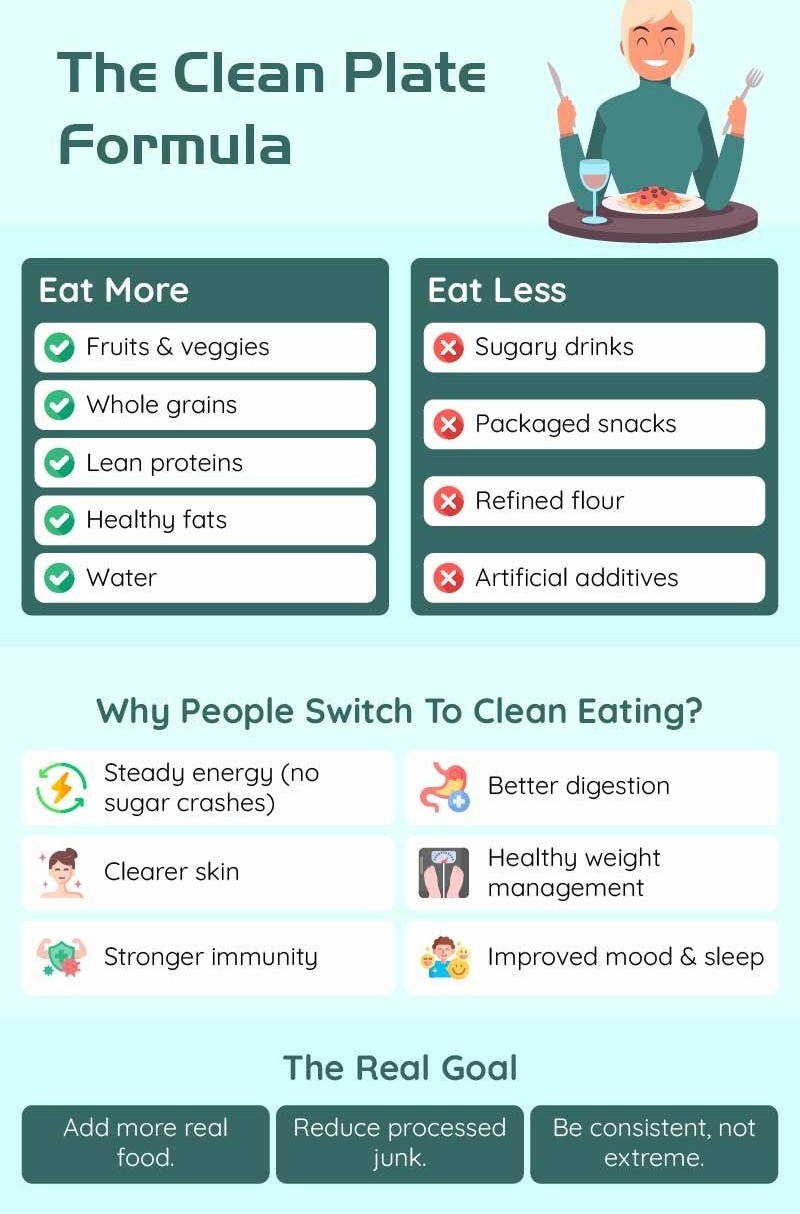
Consume fruits, vegetables, and grains high in fibre
Drink enough water each day.
Reduce the intake of processed and oily foods.
Manage stress effectively.
Consume meals at the same time every day.
Daily implementation of these steps will help treat mild digestive difficulties.

Role of Stress and Hormones in Digestion
Stress plays a major role in digestive health.
What Does Cortisol Do to the Digestive System?
The hormone cortisol helps manage stress. It has a number of effects on your digestive system, including:
Slowing down digestion.
An increasing amount of acid is produced in your stomach.
Altering the balance of bacteria in your intestines.
Therefore, high levels of cortisol may contribute to poor digestive health, resulting in problems such as:
Bloating.
Excessive Stomach Acidity.
Discomfort.
FAQs
1. When should I see a doctor for digestive problems?
You should see a doctor if symptoms last more than 1–2 weeks, become severe, or include warning signs like weight loss, blood in stool, or persistent pain.
2. How do I know if my digestive problem is serious?
If your symptoms are long-lasting, worsening, or affecting daily life, they may be serious and need medical attention.
3. What are the red flags of digestive disorders?
Red flags include blood in stool, unexplained weight loss, severe abdominal pain, vomiting blood, and difficulty swallowing.
4. Which digestive symptoms should not be ignored?
Symptoms like persistent pain, sudden bowel changes, chronic diarrhoea, or ongoing nausea should not be ignored.
5. How do you know if digestive problems are serious?
Digestive problems are serious if they do not improve, worsen over time, or come with warning signs like fatigue or weight loss.
6. What does cortisol do to the digestive system?
Cortisol slows digestion, increases acid production, and can cause symptoms such as bloating and indigestion.
7. Is cabbage hard to digest?
Cabbage can be difficult to digest for some people, causing gas or bloating, especially when eaten raw.
8. How do I fix my digestive issues?
You can improve digestion by eating healthy foods, staying hydrated, reducing stress, and maintaining regular meal habits. If symptoms persist, consult a doctor.
Final Thoughts
Not every stomach issue is cause for concern, but ignoring persistent symptoms can lead to more serious health problems over time. Being aware of changes in your body and acting early can make a significant difference. If something feels unusual or does not improve, it is always better to seek medical advice and address the issue promptly.
Read Aso
References
Milivojevic V, Milosavljevic T. Burden of gastroduodenal diseases from the global perspective. Curr Treat Options Gastroenterol [Internet]. 2020 [cited 2026 Mar 26] https://pubmed.ncbi.nlm.nih.gov/32100272/.
Drossman DA, Hasler WL. Rome IV — functional GI disorders: disorders of gut-brain interaction. Gastroenterology [Internet]. 2016 [cited 2026 Mar 26];150(6):1257–1261 https://pubmed.ncbi.nlm.nih.gov/27147122/.
Fikree A, Byrne P. Management of functional gastrointestinal disorders. Clin Med [Internet]. 2021 [cited 2026 Mar 26];21(1):44–52 https://pmc.ncbi.nlm.nih.gov/articles/PMC7850197/.
Disclaimer
This article is written for general awareness and educational purposes only. It is not medical advice. The information shared here about digestive problems, including symptoms, causes and treatment options, should not be used to replace the advice of a qualified doctor or gastroenterologist. Digestive symptoms vary widely between individuals and may be linked to many different underlying conditions.
















Comments