

What Is the Brain-Gut Connection and Why Does It Matter?





Last updated on 02 Jan 2026
The connection between the brain and gut has become one of the most exciting areas of modern health research. Scientists have discovered that our digestive system is far more than a food-processing organ; it communicates directly with the brain through a complex network of nerves, hormones, and chemical messengers. This relationship influences not only digestion but also mood, stress levels, and overall mental well-being. Understanding this connection helps explain why gut health plays such a critical role in psychological health and why supporting both systems is key to long-term wellness.

Brain-Gut Axis: The Science Behind It
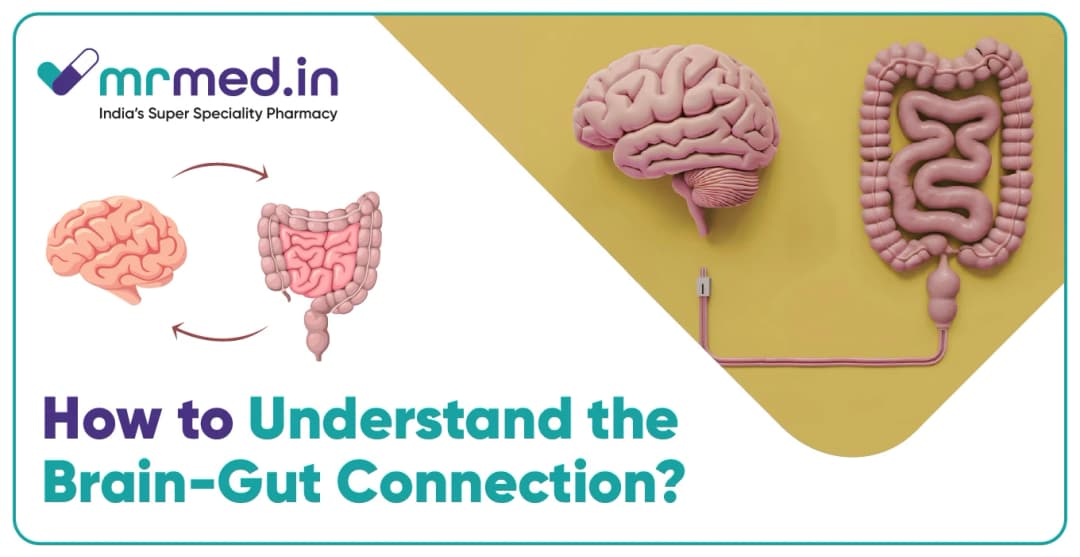
Dr. Sharma explains that the gut and brain communicate through the gut–brain axis, a two-way system that links the central nervous system (CNS) with the enteric nervous system (ENS), often referred to as our “second brain.” He emphasises that about 90% of the body’s serotonin, a key mood-regulating neurotransmitter, is produced in the gut, highlighting the profound impact of gut health on emotional well-being and stress response.
-
The brain-gut connection is explained through the gut-brain axis, a two-way communication network between the central nervous system and the enteric nervous system.
-
This communication occurs via the vagus nerve, neurotransmitters, immune signalling, and microbial metabolites, enabling constant information exchange between the gut and brain.
-
The digestive system contains millions of neurons, often referred to as the “second brain,” which regulate bowel movements and send signals that influence mood, decision-making, and cognitive performance.
-
Advances in modern imaging techniques and molecular biology have revealed the intricate workings of brain-gut communication in detail.
-
Research indicates that stress, diet, and microbiome diversity have a direct impact on neurological health.
Research on the Gut-Brain Link
Researchers at Amity University, Madhya Pradesh articulated how gut microbiota imbalances can disrupt the HPA axis and contribute to major depressive disorder (MDD), highlighting gut-targeted therapeutic avenues.
The field of gut-brain link research has undergone significant expansion in recent years. Studies published between 2020 and 2025 confirm that changes in the gut microbiome can alter emotional states, influence cognitive performance, and even affect the development of psychiatric disorders.
For example, experimental trials show that gut bacteria produce short-chain fatty acids, serotonin, and dopamine precursors, which are vital for brain health. Disturbances in this system can disrupt sleep, mood regulation, and memory processing. This has led to increased attention on therapeutic strategies that target both the digestive tract and the nervous system simultaneously.
Gut Health and Mental Health
-
Modern studies have highlighted the multiple ways in which gut health affects mental health.
-
An unhealthy digestive tract can:
-
Trigger inflammation.
-
Disrupt neurotransmitter balance.
-
Heighten stress responses.
-
A balanced microbiome can:
-
Support a positive mood.
-
Provide stable energy.
-
Improve resilience against psychological disorders.
-
The microbiome and brain connection shows that:
-
Diets rich in fibre, fermented foods, and probiotics reduce the risks of depression and anxiety.
-
Highly processed foods, artificial sweeteners, and chronic stress reduce microbiome diversity, leading to mood disturbances.
-
Clinicians increasingly recommend considering digestive health when treating conditions like depression, anxiety, and stress-related disorders, rather than relying only on brain-focused approaches.
Signs of Poor Gut-Brain Health
Recognising early signs of poor gut-brain health helps in taking preventive steps before chronic conditions arise. Some common indicators include:
-
Persistent digestive discomfort (bloating, constipation, diarrhoea).
-
Increased feelings of anxiety or stress without a clear cause.
-
Poor sleep quality and brain fog.f
-
Food sensitivities or unexplained fatigue.
-
Mood swings are linked with dietary changes.
Healthcare providers increasingly recommend evaluating gut health when patients present with persistent mental health complaints.
Psychology of the Brain-Gut Relationship
The brain-gut relationship psychology is central to understanding how thoughts and emotions influence digestive processes. Stress and worry can trigger gut sensitivity, while chronic gastrointestinal issues may worsen mental distress.
This circular pattern is often observed in disorders such as irritable bowel syndrome (IBS), where both psychological therapy and dietary adjustments provide relief. Psychologists now emphasise the importance of mind-body awareness in improving both digestive and emotional health.
Stress and the Gut-Brain Axis
One of the most studied areas is the brain-gut axis stress response. Stress hormones like cortisol can alter gut motility, microbiome composition, and barrier function, leading to inflammation. This stress-related imbalance can in turn, send negative signals back to the brain, worsening anxiety or depressive states.
Patients with chronic stress often develop gastrointestinal problems, and treating the gut simultaneously with stress management techniques (such as mindfulness, exercise, and relaxation therapies) produces better outcomes.
The Brain-Gut Anxiety Connection
Researchers have mapped the brain-gut anxiety connection and found that disruptions in gut bacteria can increase sensitivity to stressors. People with anxiety disorders often exhibit less microbiome diversity, and improving gut health with prebiotics, probiotics, or dietary adjustments has been shown to reduce symptoms.
This has opened doors to innovative therapies that focus not only on the brain but also on the gut for managing anxiety disorders.
Gut-Brain Connection for Depression
The gut-brain connection for depression is now a major area of psychiatric research. Several studies highlight that patients with major depressive disorder frequently show altered gut microbiota compared to healthy individuals. Clinical trials testing probiotics, also called psychobiotics, reveal potential improvements in mood and reduction in depressive symptoms.
This finding has given rise to integrative treatment approaches combining antidepressant medication with gut-targeted interventions such as diet, probiotics, and lifestyle therapies.
Role of Psychobiotics and Diet
The concept of psychobiotics refers to specific probiotics and prebiotics that positively influence mental health through the gut-brain axis. These include strains like Lactobacillus and Bifidobacterium, which produce compounds that regulate mood and stress resilience.
Equally important is the gut-brain diet, which emphasises high-fibre foods, omega-3 fatty acids, fermented products, and polyphenol-rich fruits and vegetables. Clinical evidence suggests that such diets enhance microbial balance, improve immune function, and reduce risks of anxiety and depression.
Clinical Applications in 2025
By 2025, healthcare guidelines will emphasise the integration of digestive and mental health care. Multidisciplinary clinics now offer joint assessments of gut and psychological well-being. Interventions such as microbiome testing, diet-based therapies, stress management, and targeted supplementation are part of personalised treatment plans.
This shift reflects the growing understanding that addressing only the brain or only the gut is insufficient. Instead, a whole-body strategy that honours the gut-brain axis produces the most sustainable results.
Practical Tips for a Healthy Gut-Brain System
-
Eat a balanced gut-brain diet with plenty of plant-based foods.
-
Incorporate fermented foods like yoghurt, kefir, kimchi, or sauerkraut.
-
Manage stress through yoga, meditation, or breathing exercises.
-
Get adequate sleep to support microbiome repair and mental health.
-
Stay active, as exercise improves both gut bacteria diversity and mood.
-
Avoid overusing antibiotics and processed foods, which can harm the microbiome.
Final Thoughts
The connection between the brain and gut is more than a medical curiosity; it’s a foundation for overall health. By nurturing digestive health, supporting mental wellbeing, and managing stress, individuals can strengthen this two-way system and protect themselves against a wide range of physical and psychological challenges. Investing in the gut-brain relationship is no longer optional; it is an essential part of modern healthcare and everyday life.
Read also
-
Medications and Digestion: Avoiding the Constipation Pitfall
-
Cancers That Cause Constipation: Early Warning Signs and Symptoms
References
-
https://www.hopkinsmedicine.org/health/wellness-and-prevention/the-brain-gut-connection
-
https://www.health.harvard.edu/diseases-and-conditions/the-gut-brain-connection
-
https://www.kauveryhospitalsbangalore.com/blog/the-gut-brain-connection
Disclaimer: The content in this blog is for general informational purposes only and is not a substitute for professional medical advice, diagnosis, or treatment. Always consult your doctor or a registered dietitian before making any changes to your diet, especially if you have a medical condition or are taking prescribed medication. While the information is based on trusted sources, individual needs and results may vary. MrMed does not promote or endorse any specific food or treatment mentioned unless explicitly stated.












Comments