

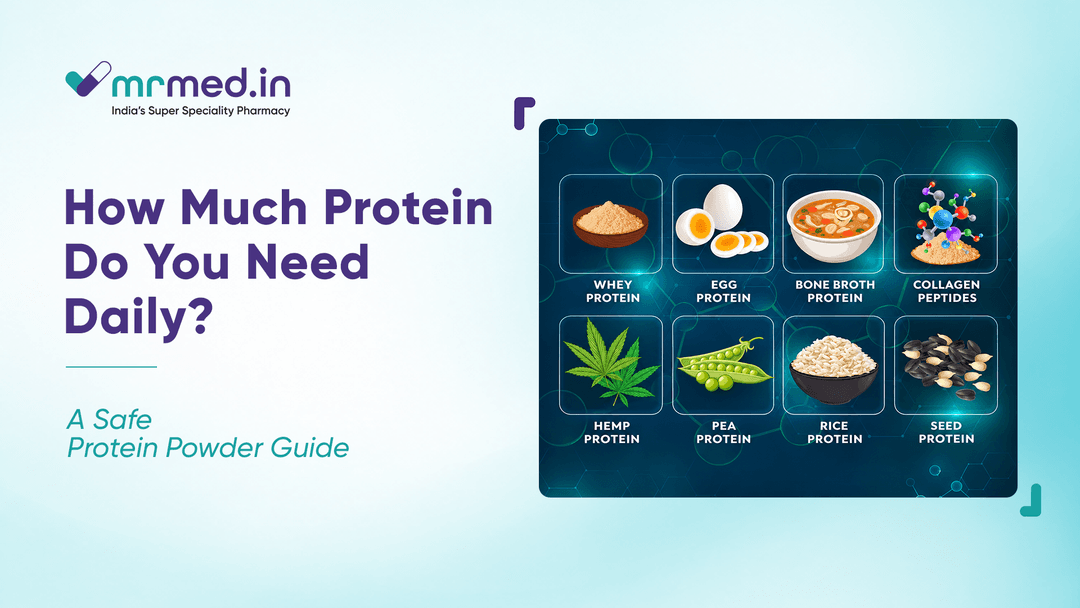
How Much Protein Do You Need Daily? A Safe Protein Powder Guide





Last updated on 03 Nov 2026
Protein has effectively become the buzzword in every fitness conversation. You've got high-protein breakfast bowls, high-protein snacks, gym folk with protein in their shaker bottles everywhere. It's absolutely everywhere.
But does everyone actually need a protein shake? How much protein is enough? And is drinking whey protein every day as harmless as social media makes it sound?
The answer depends on your body weight, activity level, diet, and overall health. Protein is vital for muscle repair, for immunity and for general health. Eating more than your body requires doesn't necessarily translate into better results.
Let's look at your daily protein requirement, the best protein sources for Indians, the various types of protein powders and what you need to know before you go ahead and start using them.
Key Takeaways
|
Why Protein Matters More Than You Think
Protein is not just for people who lift weights. It is an essential macronutrient (a nutrient required in relatively large amounts) that supports several everyday functions.
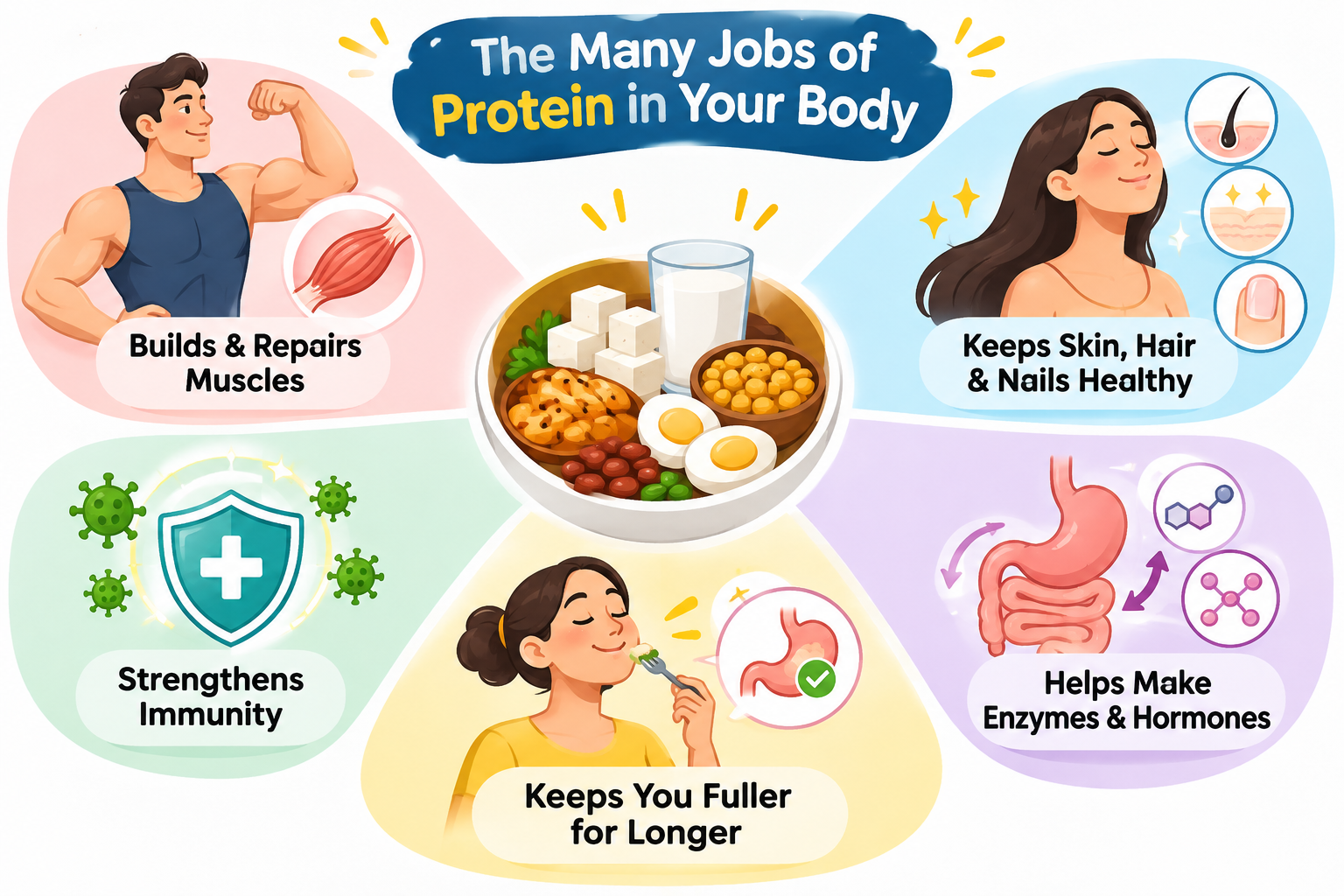
Your body requires 9 essential amino acids (EAAs) which it cannot make for itself. They have to come from food or supplements.
This is why protein quality is just as important as the total amount you eat.
Daily Protein Requirements: How Much Do You Really Need?
The answer is different for everyone. Your requirements vary based on your body weight, age, level of physical activity, nutritional status, and overall health.
According to the Indian Council of Medical Research and National Institute of Nutrition (ICMR-NIN), the recommended dietary allowance (RDA) for healthy adults is approximately 0.83 g of protein per kg of body weight per day.
For regular exercisers, particularly resistance-trained individuals, protein requirements may be higher.
Here is a practical comparison:
Lifestyle | Approximate daily protein intake |
Generally healthy adults | 0.83 g/kg body weight |
Regularly active individuals | Individualised according to activity |
Strength-training individuals | Around 1.4–2.0 g/kg in sports nutrition guidance |
People managing weight loss | Individualised, with adequate protein to help preserve muscle |
These are just general reference points, not targets that every single person has to adhere to. For instance, for a healthy adult of 60 kg, the calculation is very simple:
60 × 0.83 = 49.8 g of protein per day.
Therefore:
A 60kg man or woman will generally require about 50g per day.
However, someone who strength trains, is pregnant or breastfeeding, is ill or has a medical condition may require a different amount.
Best Protein Sources for Indians: Food Before Supplements
Before spending money on protein powders, take a look at what is already available in your kitchen. Here are some practical vegetarian and non-vegetarian protein sources.
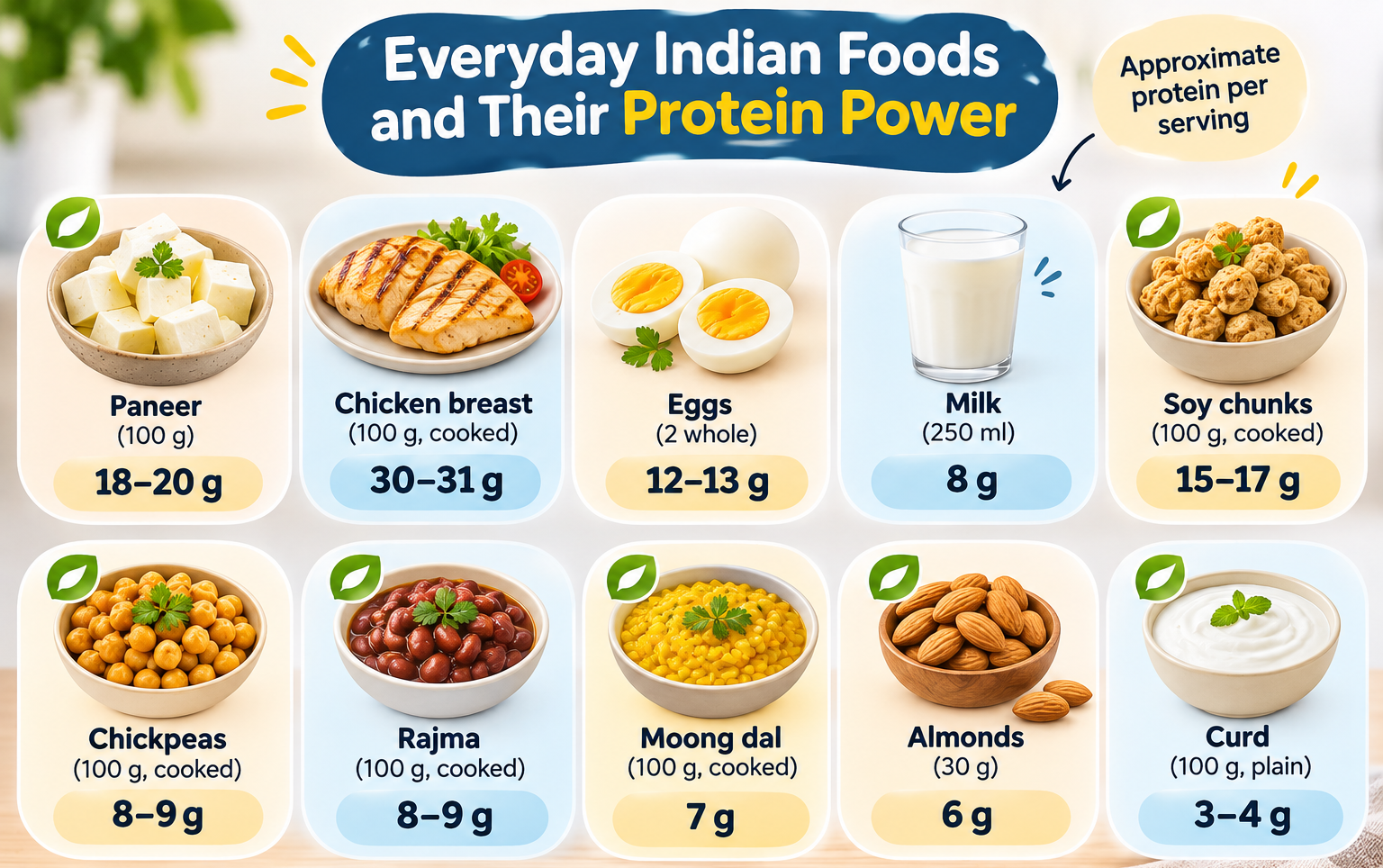
Values are approximate and will vary with the type of food, the method of preparation and cooking. The soy chunks are given as a cooked weight, not dry weight.
A simple Indian high-protein meal combination
You don't need a fancy meal plan to up your daily protein intake.
For example:
Breakfast: Two eggs or besan chilla with curd.
Lunch: Dal, rice, curd and a vegetable preparation.
Evening snack: roasted chana or a glass of milk.
Dinner: Paneer, tofu, chicken or fish with roti and vegetables.
The idea is to include a protein source in different meals rather than putting most of your protein in one meal.
Types of Protein Powders and How They Differ
If you struggle to meet your nutritional requirements through food alone, protein powders can offer a convenient alternative.
However, not all protein powders are the same. They differ in their source, processing, amino acid composition and digestibility.
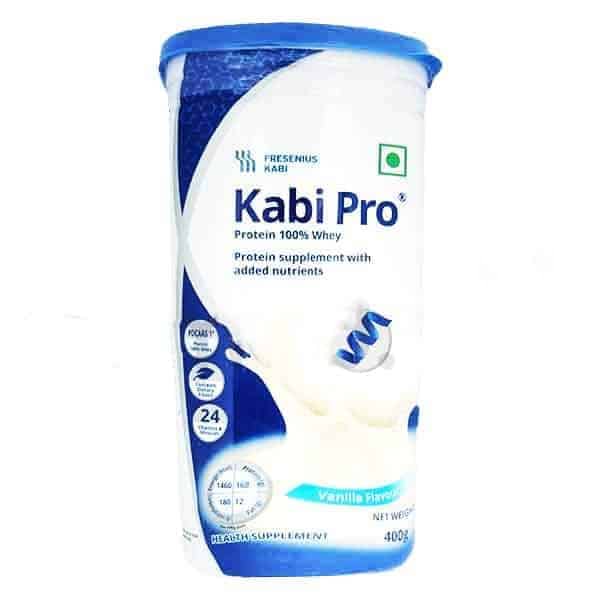
1. Whey Protein
Whey protein is obtained from milk during the cheese-making process. It contains all nine essential amino acids and is particularly rich in branched-chain amino acids (BCAAs), including leucine, which plays a role in muscle protein synthesis.
It's widely used by people doing strength training and all sorts of physical activity.
There are three forms which are generally available.
Whey Protein Concentrate (WPC)
Contains protein along with varying amounts of carbs, fat and lactose.
Usually less processed and more affordable than isolate.
Suitable for people who tolerate dairy and want a general-purpose protein supplement.
Whey Protein Isolate (WPI)
Undergoes further processing to remove most of the fat and lactose.
Typically contains a higher proportion of protein per serving.
May be better tolerated by some people with lactose sensitivity (though of course not necessarily lactose free).
Often costs more than the concentrate.
Whey Hydrolysate
Whey protein which has been partially hydrolysed into smaller peptides.
Designed to be easier and faster to digest.
Often more expensive and does not necessarily offer superior muscle-building results for everyone.
2. Casein Protein
Casein is another milk protein. It's digested and absorbed more slowly than whey and therefore provides a more gradual release of amino acids.
It can be eaten before bed or at any time when you're not eating.
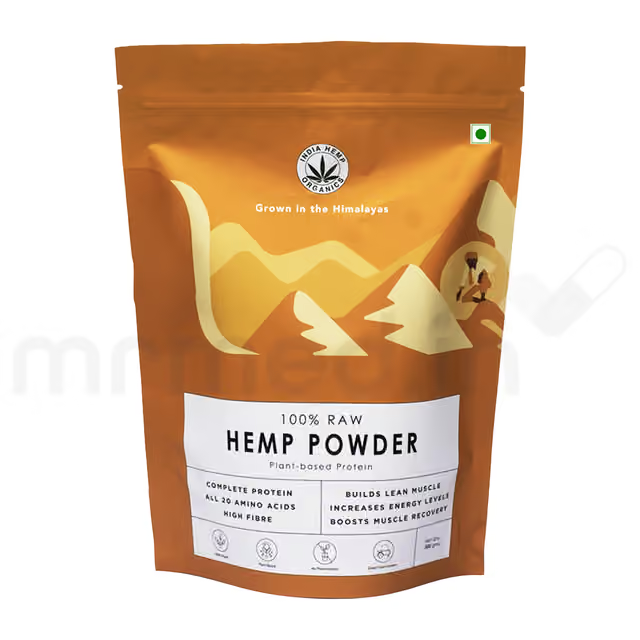
3. Plant-Based Proteins
Plant-based protein powders are made from sources such as soy, peas, rice and other legumes.
They're perfectly viable alternatives for the vegetarian/vegan folk as well as those who simply don't want to eat any dairy.
Soy protein is a particularly good plant protein as it contains all nine of the essential amino acids.
Protein Powder Side Effects
Some people experience bloating, gas or digestive discomfort, particularly if they have difficulty digesting lactose. But one of the most common concerns is whether protein powder damages the kidneys.
In healthy adults, available evidence does not establish that moderate, appropriate protein intake automatically causes kidney damage. However, high-protein diets require greater caution in people with existing kidney disease.
The kidneys are responsible for getting rid of the waste products that are generated when the body metabolises protein. In people with impaired renal function, too much protein can be a real problem as it places an extra burden on the kidneys.
A review published in the Indian Journal of Nephrology in 2025 by Archana Sinha and Dr Narayan Prasad emphasised the importance of individualised dietary recommendations for people with kidney disease. The authors state: "Customized dietary advice rather than a blanket ban on proteins is required."
Expert takeaway: If you've got chronic kidney disease, reduced kidney function or any other condition that affects protein metabolism, then you should talk to your treating doctor or your renal dietitian before you go ahead and take any protein supplements or increase your protein intake.
Whey Protein vs Plant Protein: Which One Should You Choose?
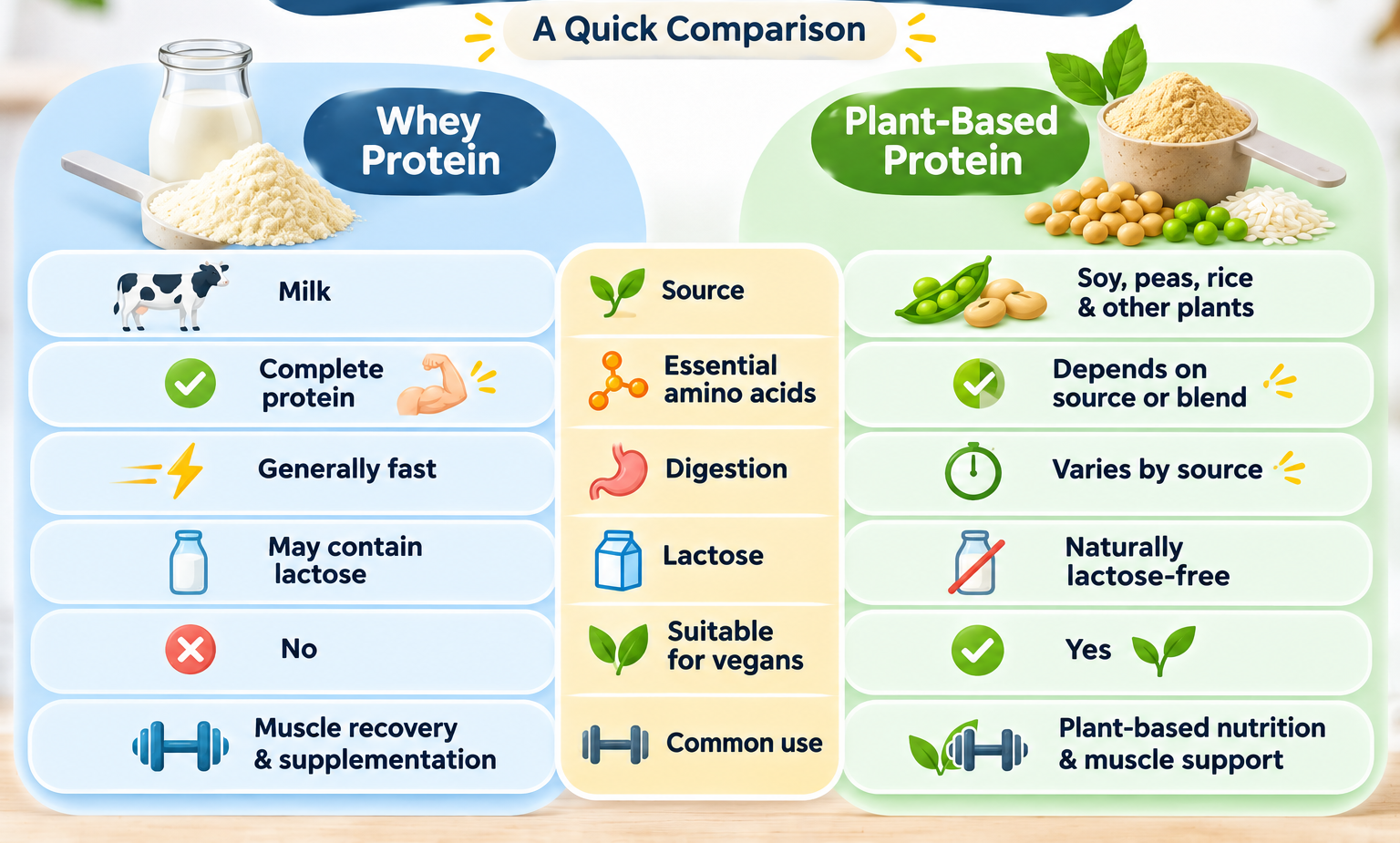
Both can help you meet your daily protein requirements. The better option depends on your dietary preferences, digestive tolerance and nutritional needs.
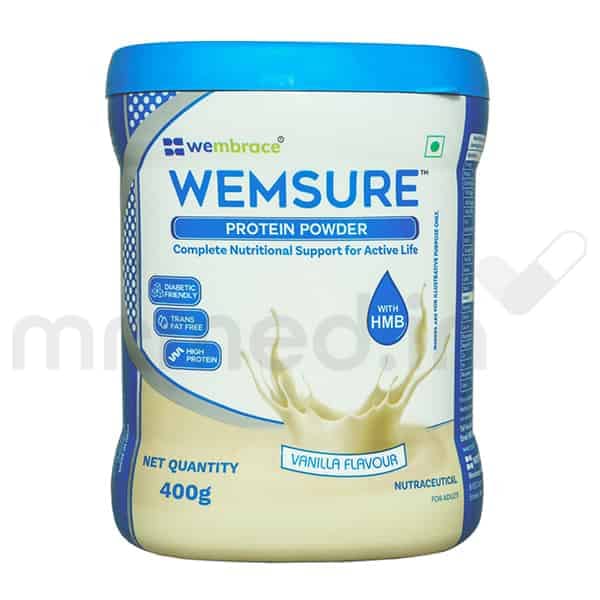
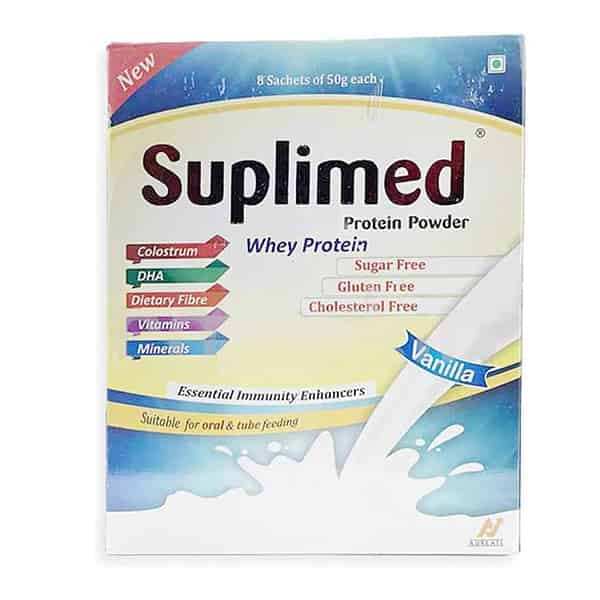
Choosing the Best Protein Powder in India: A Safe Buying Guide
It's the product that meets your nutritional needs, is appropriate for your health requirements and has full transparency around its ingredients.
Before you buy it, make sure you check the following:
FSSAI compliance: Check the manufacturer's details, the FSSAI licence and the relevant product category.
Protein per serving: Look at the actual grams of protein rather than going on about high protein or muscle formula.
Ingredient list: look out for any unnecessary added sugars, excessive amounts of flavouring and any ingredients you might be sensitive to.
Allergen info: look for milk, soy and other potential allergens.
Independent testing: go for products that have some form of independent third-party testing or at least some verifiable quality certification if available.
Authenticity: Buy from authorised sellers and check the packaging (pack size, batch number, manufacture and expiry dates).
In India, health supplements and nutraceuticals are regulated under the Food Safety and Standards Authority of India (FSSAI) framework. However, an FSSAI licence should not be mistaken for proof that a product is clinically superior or suitable for every individual.
Conclusion
Protein is vital, but more isn't always better. If you're after weight loss, muscle gain or simply to maintain good health, then the first step is to work out your own daily requirements.
For the vast majority of people, a balanced Indian diet will provide all the protein they need. Protein powders can offer convenience when there is a genuine nutritional gap, but they should not replace wholesome meals or be treated as a shortcut to better health.
Before starting a supplement, assess your diet, understand your requirements and get professional advice if in any doubt. The best approach is not to go in for the maximum amount of protein; it's to get the right amount from good sources.
FAQs
Q1. How much protein do I need daily if I do not exercise?
For healthy adults, the ICMR-NIN recommendation is around 0.83g/kg/day. Your requirements will vary depending on age, health and nutritional status.
Q2. Can I get enough protein without protein powder?
Absolutely. Foods such as dal, chickpeas, rajma, soy chunks, paneer, milk, curd, eggs, fish and chicken can all provide sufficient protein. A varied diet with the right mix of cereals and pulses will also provide all the essential amino acids.
Q3. Is whey protein better than plant protein?
Neither is universally better. Whey is a complete dairy protein with a very high essential amino acid content. Plant-based proteins such as soy and appropriately formulated plant-based blends can also provide high-quality protein.
Q4. Does protein powder cause kidney damage?
There's no evidence that eating the right amount of protein will damage healthy kidneys. If you do have kidney disease, however, excessive protein intake may not be appropriate. Always speak to your doctor before you start any supplements if you have impaired kidney function.
Q5. How much protein powder should I be taking per day to gain muscle?
There is no fixed daily powder dosage. For healthy individuals undertaking regular strength training, sports nutrition guidance commonly recommends approximately 1.4–2.0 g of protein per kg of body weight daily.
Q6. Which is the best protein powder in India for vegetarians?
Vegetarians can consider whey protein if they consume dairy or plant-based options such as soy, pea and blended pea-rice protein. The choice should depend on nutritional requirements, ingredients, allergies and individual tolerance.
Q7. Is Protein Powder Safe for Daily Use?
The ICMR-NIN Dietary Guidelines for Indians 2024 advise against routine use of protein supplements for muscle building. They note that most people, including many athletes, can meet their requirements through a well-planned diet.
Read also
References
Medical Disclaimer: This article is intended for general educational purposes and should not replace personalised medical or nutritional advice. Consult a qualified healthcare professional before making significant dietary changes or starting supplements.












Comments