

India's Counterfeit Drug Crisis Is Killing People, And You Probably Don't Know You're at Risk





Last updated on 29 Aug 2026
You trust medications because they bring healing to patients without causing any detrimental effects. But what if the tablet you take looks real, feels real, and still does nothing, or worse, causes damage? The uncomfortable reality of counterfeit medicines operates throughout India. Many people assume fake drugs are rare or easy to spot.
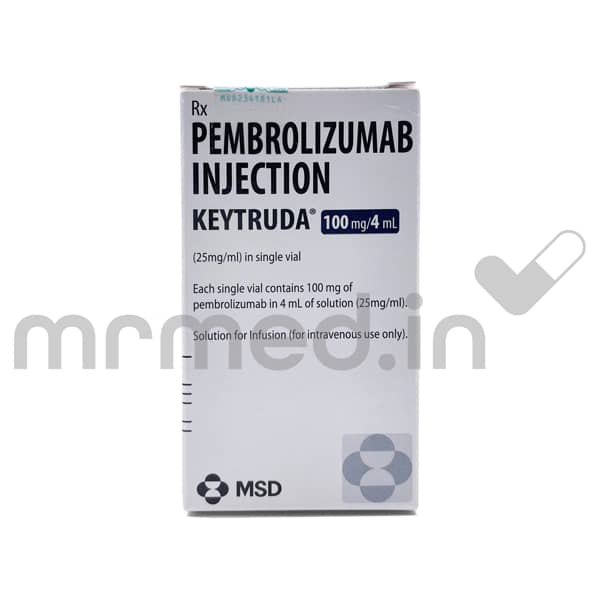
The statement is incorrect because fake drugs exist in the market. Counterfeit drugs have entered the supply chain for both common painkillers and high-value cancer treatments, which include Keytruda. The actual danger lies in the possibility that you might unknowingly consume the product.
Key Takeaways
• Counterfeit medicines include fake, substandard, and misbranded drugs. |
What Are Counterfeit Drugs?
Counterfeit drugs are medicines that are deliberately mislabelled or falsely presented.
They include:
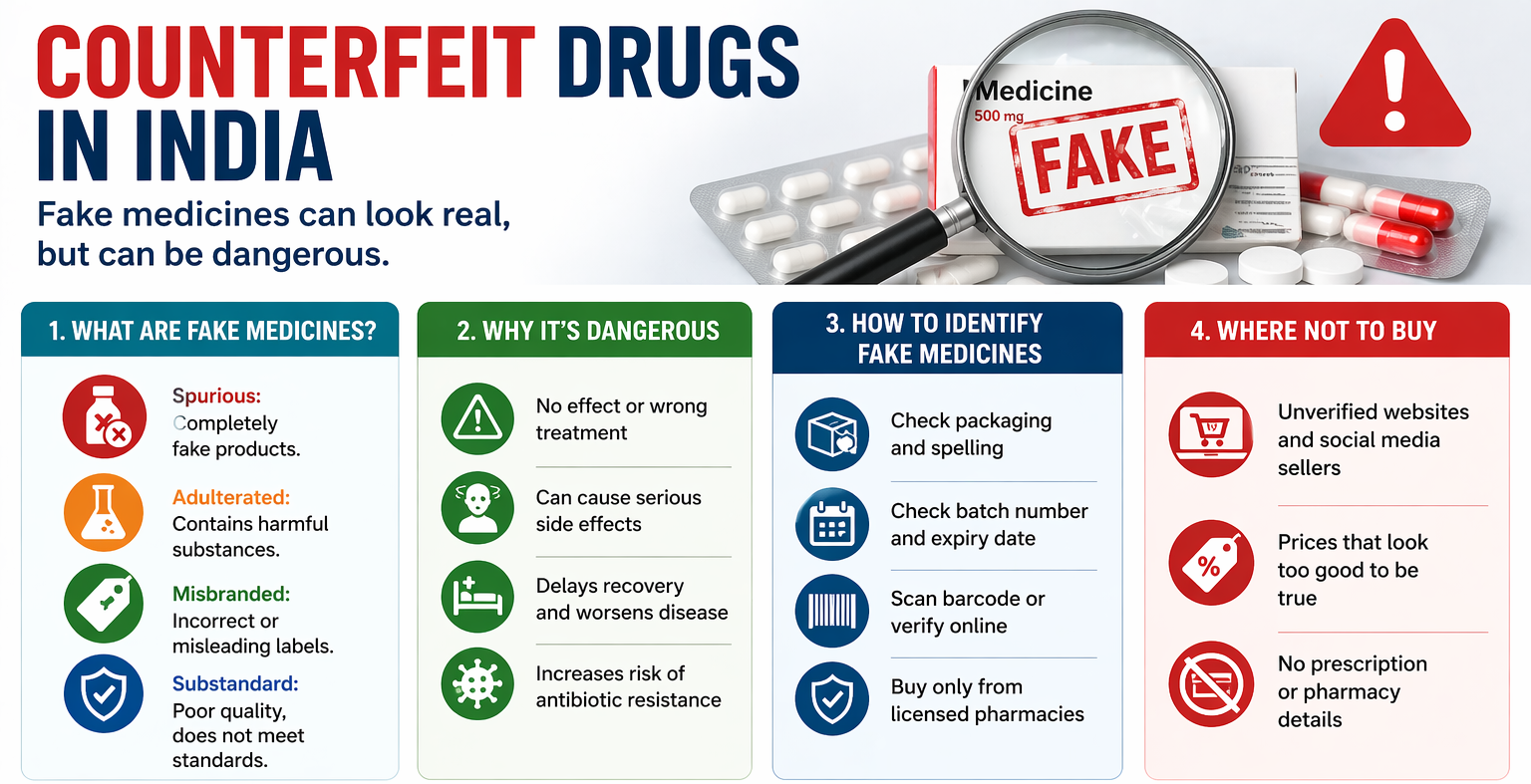
• Spurious drugs: Completely fake products.
• Adulterated drugs: Contaminated with harmful substances.
• Misbranded drugs: Incorrect or misleading labels.
• Substandard drugs India: Poor-quality medicines that do not meet standards.
The Current Drug Crisis in India
The counterfeiting of prescription drugs is escalating in India, although it is not new. Some reasons include high drug prices, the improper use of online pharmacies, inadequate supply chain management in many regions, and a lack of patient awareness about counterfeit products.
Counterfeit drugs have been an increasing problem within India over the last couple of years, especially with regard to antibiotics and even chemotherapy drugs.
Are Medicines in India Safe?
Medicines acquired from controlled sources in India are typically effective and secure. Because of the prevalence of counterfeit drugs, however, there are disparities in the distribution of pharmaceuticals throughout the nation.
The location of purchase of a drug is the determining factor in the safety of that drug.
Medicines purchased at a licensed pharmacy will generally be safe.
Medicines from unlicensed or unknown sources are likely to be counterfeit.
Counterfeit Drug Statistics India
India is among the world's leading pharmaceutical manufacturers. Even a small amount of counterfeit medication significantly affects millions of people worldwide.
Reports suggest:
Substantial small quantity of prescription drug fraud.
High-cost medications are more often targeted by counterfeiters.
Rural areas are at a greater risk of counterfeit drugs.
All of these reports paint an accurate picture of the issues associated with counterfeit drugs in India today.
High-Risk Categories of Fake Medicines
There are a variety of medications that are frequently forged:
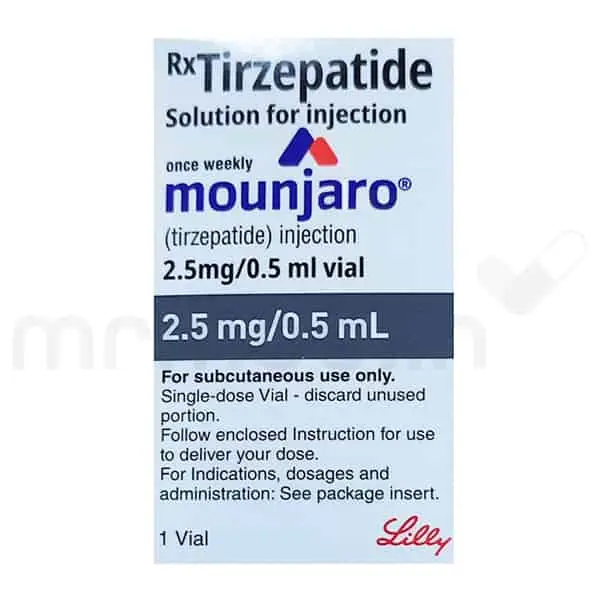
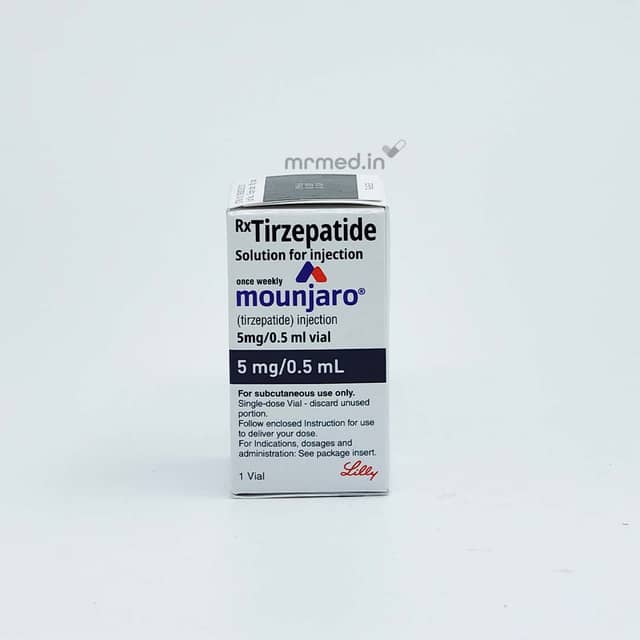
Drugs used to lose weight.
Insulin is prescribed for diabetics.
Counterfeit medications used to treat cancer.
Antibiotics.
Common medications, such as paracetamol in India, may be fake.
High demand, coupled with high costs, gives counterfeiters an additional incentive to establish themselves in the market.
Expired vs Fake Medicines: Difference
It is essential to know what separates expired from counterfeit medications. Expired drugs may not work as effectively as they did when they were first purchased; counterfeit drugs can be dangerous and worthless. Both are dangerous, but counterfeits are much more dangerous than expired drugs.
How to Identify Fake Medicines
According to Dr Randeep Guleria, former Director of AIIMS New Delhi, counterfeit medicines are a serious health threat as they may contain no active ingredient or harmful substances, leading to treatment failure and increased risk to patients.
By identifying counterfeit medicines, you can help protect yourself from any harm they may cause.
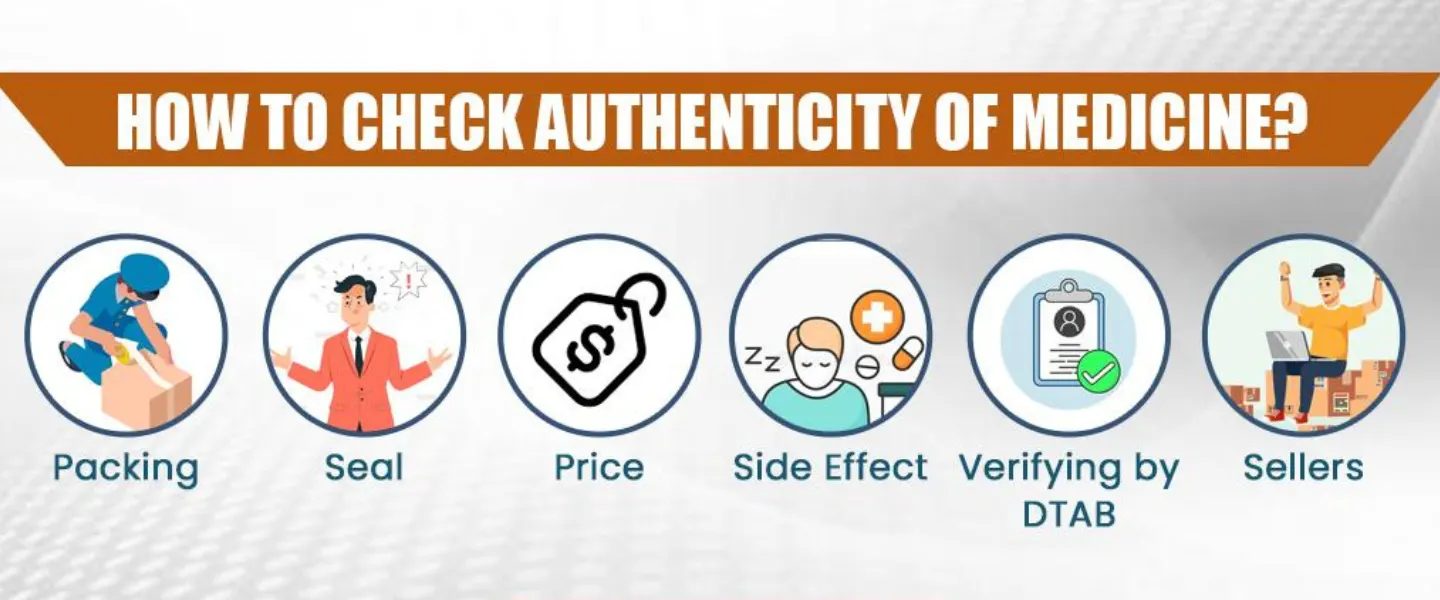
Basic identification checks for counterfeit medicines:
Spelling errors on the label or package.
Confirm the batch number or Expiry date.
Verify Manufacturer Name.
Determine the Colour, Size, and shape of the Tablet.
Advanced methods to identify counterfeit medicines:
Use the Barcode Reader to confirm your medicine's barcode against available standards.
Use Online Search Engines to locate websites providing information about counterfeit medicines.
Download an App that ranks & tracks how genuine your medicines are.
Online Pharmacy Risks
The rise of digital platforms has increased cases of online pharmacy fake drugs in India.
Online Pharmacy Trust Checks
• Check pharmacy license.
• Look for prescription requirements.
• Avoid heavy discounts.
Always verify a pharmacy's license in India before buying.
CDSCO and Drug Safety in India
The Central Drugs Standard Control Organisation regulates drug quality and regularly issues alerts on spurious and unsafe medicines, advising patients to purchase only from licensed pharmacies.
The Central Drugs Standard Control Organisation monitors drug quality and releases alerts.
CDSCO Fake Drugs List
• Regular updates on unsafe medicines.
• Drug safety alerts India notifications.
• Enforcement against illegal manufacturers.
Legal Action and Penalties
India has enacted laws which prohibit the manufacture and distribution of counterfeit pharmaceuticals.
Penalties for violating counterfeit drug statutes in India are:
Severe financial penalties.
Imprisonment.
Revocation of all licenses and registration associated with the manufacture of drugs.
These penalties help maintain a high level of pharmaceutical quality in India's drug distribution network.
How to Report Fake Medicines in India
If you think medicine is fake:
How do I report fake medicines in India?
Call your local drug agency.
File a report with a drug inspector in India.
• Report using the official health portal.
Real Risk: Why This Matters
The World Health Organisation reports that low- and middle-income countries may have up to 10% of medicines that are substandard or falsified, highlighting the scale of the global issue.
Fake medicines do not just fail treatment. They can:
• Delay recovery.
• Worsen disease.
• Cause serious side effects.
• Increase antibiotic resistance.
This makes the counterfeit drug crisis in India a major public health issue.
How to Stay Safe
To reduce risk:
• Buy only from licensed pharmacies.
• Avoid self-medication.
• Check packaging carefully.
• Follow prescription guidelines.
These steps help reduce exposure to counterfeit medicines.
Frequently Asked Questions
1. What percentage of drugs are counterfeit in India?
Estimates vary, but studies suggest a small percentage of drugs are counterfeit or substandard, which still affects a large population due to India’s size.
2. Which drug is most abused in India?
Painkillers, antibiotics, and sedatives are among the most commonly misused drugs, especially when taken without a prescription.
3. What are the 14 banned drugs in India?
The government has banned several fixed-dose combinations that were considered unsafe or ineffective. The list is updated periodically by health authorities.
4. How to check if the tablet is original?
Check the packaging, batch number, and expiry date, and buy from licensed pharmacies. You can also verify through the barcode or official apps.
5. How can I avoid buying fake medicines online?
Always use verified platforms, check pharmacy licenses, and avoid deals that seem too good to be true.
6. What should I do if I suspect a fake medicine?
Stop using it immediately and report it to local health authorities or a drug inspector.
Final Thoughts
India’s counterfeit drug crisis is real, and it is closer than most people think. The danger lies not just in fake medicines but in the assumption that everything available is safe. Staying informed, checking medicines carefully, and choosing trusted sources can protect your health. In a system where risks exist, awareness is your strongest safeguard.
Read Also
References
World Health Organisation. Substandard and falsified medical products [Internet]. Geneva: WHO; 2023 [cited 2026 Apr]. Available from: https://www.who.int/news-room/fact-sheets/detail/substandard-and-falsified-medical-products
National Health Authority, Government of India. Digital Health and Drug Safety Initiatives [Internet]. New Delhi: NHA; 2024 [cited 2026 Apr]. Available from: https://nha.gov.in/
Ministry of Health and Family Welfare, Government of India. Drugs and Cosmetics Act and Rules [Internet]. New Delhi: MoHFW; 2024 [cited 2026 Apr]. Available from: https://www.mohfw.gov.in/
Disclaimer
This article is for general informational purposes only and is not a substitute for medical advice. Information about counterfeit medicines is intended to raise awareness and may not cover all possible risks. Always consult a qualified healthcare professional before using any medication. Purchase medicines only from licensed and trusted pharmacies. If you suspect a medicine is fake, stop using it and seek medical help immediately.














Comments