

Shigella Outbreak in Kerala: Symptoms, Causes, Prevention Tips, and Latest Updates





Last updated on 24 Jun 2026
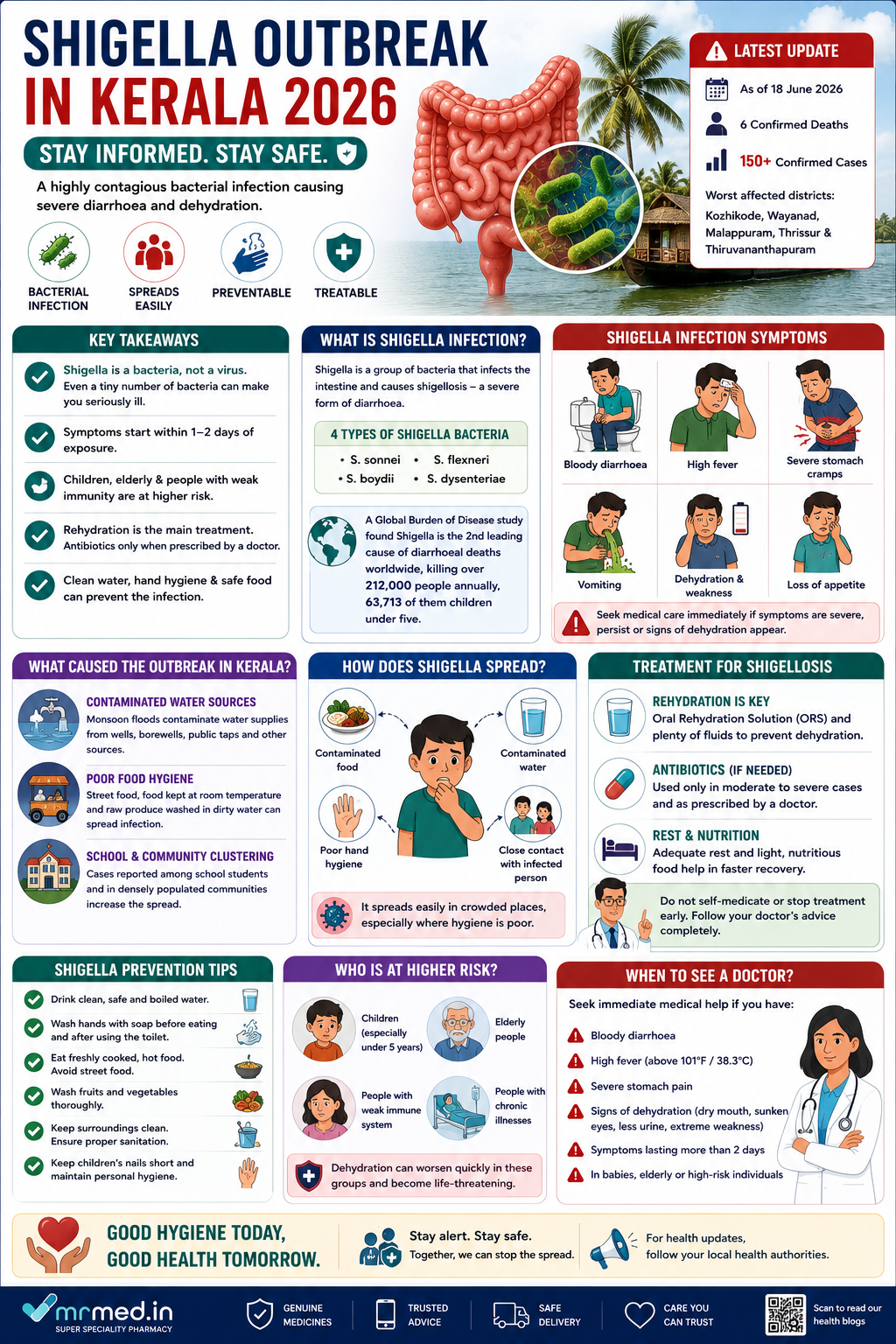
There are health stories that stay in the news for a day or two, and then there are ones that deserve your full attention, especially if you live in Kerala, are planning to travel there, or have young children. The Shigella outbreak in Kerala in 2026 falls firmly into the second category. As of 18 June 2026, the state has recorded six deaths and over 150 confirmed cases across multiple districts, with the monsoon season expected to push numbers higher. This blog gives you everything you need to know: what Shigella disease is, how to recognise it, how it spreads, what the latest Shigella cases in Kerala show, and what you can do to protect yourself and your family.
Key Takeaways
|
What Is Shigella Infection? Understanding the Basics
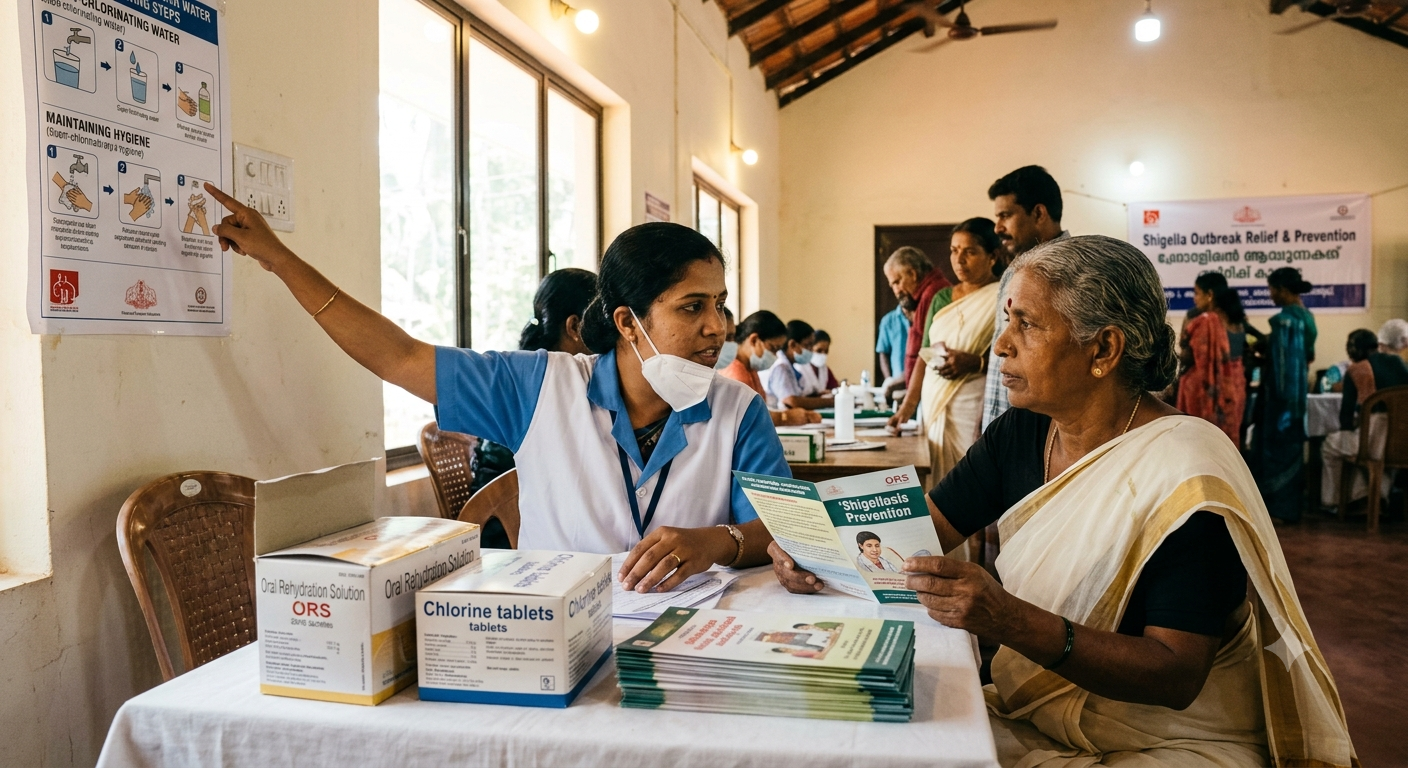
The global scale of the problem contextualises why the Kerala outbreak is taken so seriously: a Global Burden of Disease study in The Lancet Infectious Diseases found Shigella was the second leading cause of diarrhoeal deaths globally in 2016, killing over 212,000 people annually, 63,713 of them children under five.
Many news reports have used the term Shigella virus, but this is a common misconception. Shigella is a group of bacteria that causes an intestinal infection known as shigellosis. It is highly contagious and spreads through contaminated food, water, poor hygiene, or direct contact with an infected person. Even a very small number of bacteria can cause illness.
There are four species of Shigella bacteria: S. sonnei, S. flexneri, S. boydii, and S. dysenteriae. Of these, Shigella flexneri and S. dysenteriae tend to cause the most severe disease and are most commonly associated with outbreaks in developing countries.
Is Shigella dangerous? For most healthy adults, it causes a week or so of miserable illness. For young children, the elderly, and the immunocompromised, it can escalate into life-threatening dehydration, bloodstream infection, or, in rare cases, seizures related to high fever, particularly in children under five.
Shigella Outbreak Kerala 2026: What Has Happened So Far
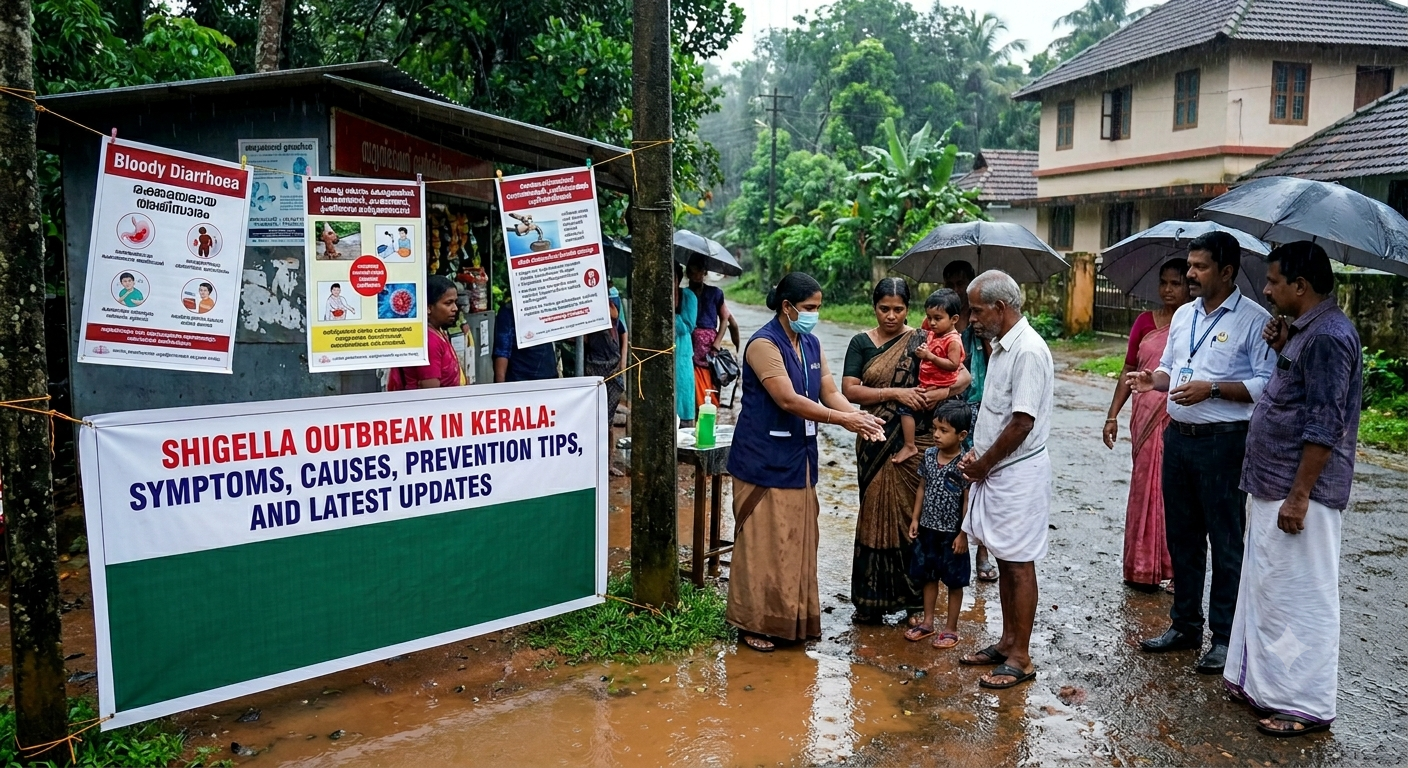
Kerala Health Minister K Muraleedharan confirmed at a press briefing: "This month, 70 cases of Shigella were reported. A total of 146 have been reported till now. Five deaths have occurred" in the affected districts of Wayanad, Kozhikode and Thiruvananthapuram.
Updated date 18/06/2026 shows that there was a sixth confirmed death (the last being a 75-year-old woman from Malappuram) and a seventh confirmed death (a 7-year-old boy, Arjav, from Pookkottur in Malappuram whilst receiving treatment at the Kozhikode Government Medical College Hospital) due to Shigella in Kerala.
Overall, Kerala now has 146 confirmed cases of Shigella with five confirmed deaths so far this year (Kozhikode accounted for the highest number of cases with 74 Shigella cases registered). There were also fatalities in Malappuram and Thrissur districts.
The government response has been swift. The state government formed a high-level expert committee to address the rising Kerala Shigella outbreak. Health Minister K Muraleedharan announced this decision. Prominent public health expert Dr S S Lal will chair this high-power advisory panel, while Health Department Principal Secretary Dr Sharmila Mary Joseph will coordinate the committee's initiatives.
The multi-sectoral panel also includes representatives from Ayush, animal husbandry, and food safety departments. Food safety officials launched aggressive inspection drives across food outlets in Thrissur, conducting 60 inspections and fining nine establishments for major hygiene violations. Authorities have also initiated super-chlorination of local water sources to prevent further transmission.
What Caused the Shigella Outbreak in Kerala?
Three overlapping factors have driven the Shigella outbreak India has been witnessing in Kerala in 2026:
Contaminated water sources: Kerala experiences floods and inundation of potable water supplies from June through September during the monsoon season. Many areas lack proper drainage systems and are affected by water entering through bore wells, hand-dug wells, public taps, or other sources located at lower altitudes than the floodwaters themselves. The Government of Kerala has already implemented urgent measures to ensure that households have access to safe drinking water and to improve sanitation practices to prevent further infection in high-risk areas.
Poor food hygiene: Following the death of a 43-year-old man from Kodakara due to a Shigella infection, food safety inspectors have begun conducting extensive inspections of food establishments in Thrissur. Possible food sources of Shigellosis include food sold on the street, food kept at room temperature, and raw produce rinsed off with contaminated water.
School and community clustering: Twenty-five students from Wayanad were admitted to Sultan Bathery Taluk Headquarters Hospital after an outbreak of Shigellosis at a local primary school, which resulted in two students testing positive for the infection. A medical team from Calicut Medical College has been assigned to assist Wayanad Medical College. School environments, due to variation in hand hygiene and the use of communal facilities, provide ideal conditions for Shigella to spread quickly among students.
What Are the Symptoms of Shigella Infection?
Recognising Shigella infection symptoms early is the single most important thing a patient or caregiver can do. Here is a clear breakdown:
Symptom | Typical Timeline | Severity |
Watery diarrhoea | Day 1-2 | Mild to moderate can precede bloody stools |
Bloody or mucous-laden stools | Day 2-4 | Characteristic of Shigella: seek medical help immediately |
High fever (38°C-40°C) | Day 1 onwards | Can be very high in children; risk of febrile seizures |
Severe stomach cramps | Day 1-3 | Painful and persistent |
Nausea and vomiting | Day 1-2 | Worsens fluid loss |
Urgency and frequency | Throughout illness | Tenesmus: painful urge to pass stools even when empty |
Dehydration signs (dry mouth, sunken eyes, no urine) | If untreated | Medical emergencies, especially in children and elderly |
Symptoms usually begin 1 to 2 days after exposure and can last for about a week. Young children, elderly individuals, and people with weakened immune systems are at greater risk of complications.
The burden of Shigella infection in children is not a local concern; it is a documented global emergency. A 2025–2026 multicountry surveillance study in The Lancet Global Health found that Shigella is present in 7 per cent of all acute diarrhoea cases in South Asian children under three and is associated not only with illness but with long-term growth impairment.
How Does Shigella Spread From Person to Person?
How does Shigella spread is one of the most important questions for household management. The answer is: with alarming ease.
Shigella spreads via the faecal-oral route, meaning bacteria from the faeces of an infected person enter the mouth of another. This sounds clinical, but in practice, it happens through:
Drinking or eating food contaminated with faecal matter in the water supply
Touching surfaces that an infected person has touched without washing hands
Changing nappies of an infected child without gloves and thorough hand washing
Eating raw food salads, fruits, and vegetables washed in contaminated water
Swimming in contaminated water bodies
What foods can cause Shigella infection? The main way to contract Shigella is through the faecal-oral route, which often occurs via consumption of contaminated food and/or water. In addition to that, if a person does not maintain proper hand hygiene after having contact with someone who is infected, then they can be easily infected.
Examples of high-risk foods include: raw or undercooked shellfish, unpeeled fruit, salad made without cooking (raw) and foods that were prepared using contaminated water or by someone who was infected.
Shigellosis Symptoms and Treatment: What to Do If You Are Ill
Shigellosis treatment follows a clear clinical hierarchy. Most cases are managed at home with supportive care. Severe cases require hospitalisation.
For Mild to Moderate Cases
Oral Rehydration Solution (ORS): The first and most critical intervention. ORS sachets (available at any pharmacy) replace lost fluids and electrolytes. Give frequently in small sips.
Zinc supplementation: Recommended for children under five, it reduces duration and severity.
Rest and dietary modification: Light, easy-to-digest foods. Avoid dairy, fatty foods, and high-fibre foods until stools normalise.
Do NOT use anti-diarrhoeal medicines (such as loperamide/Imodium) for Shigella infections without medical advice, as they can worsen complications by prolonging the bacteria's presence in the gut.
For Moderate to Severe Cases
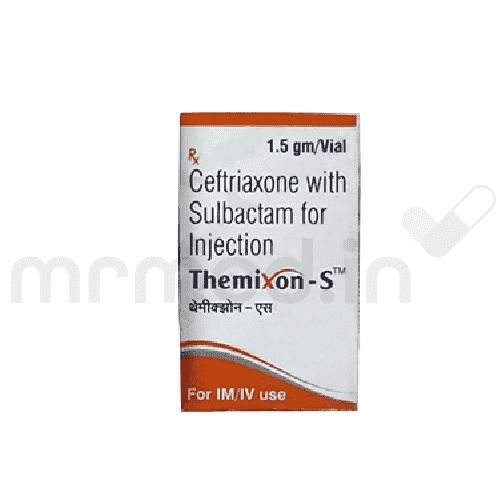
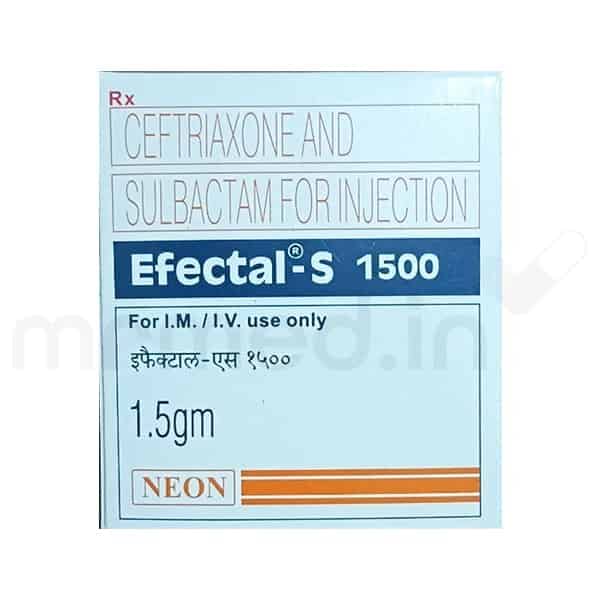
Antibiotics: Prescribed by a doctor after confirmation or strong clinical suspicion. Commonly used antibiotics include Azithromycin, Ciprofloxacin, and Ceftriaxone. Healthcare providers may prescribe targeted antibiotics for severe cases, especially in young children or elderly patients.
Hospitalisation: Required for bloody diarrhoea with high fever, inability to keep fluids down, severe dehydration, or neurological symptoms.
Do not self-medicate with antibiotics. Antibiotic-resistant Shigella strains are increasingly being reported globally. Using the wrong antibiotic or an incomplete course of treatment worsens resistance and may not clear the infection.
Shigella Causes and Prevention: How to Protect Yourself
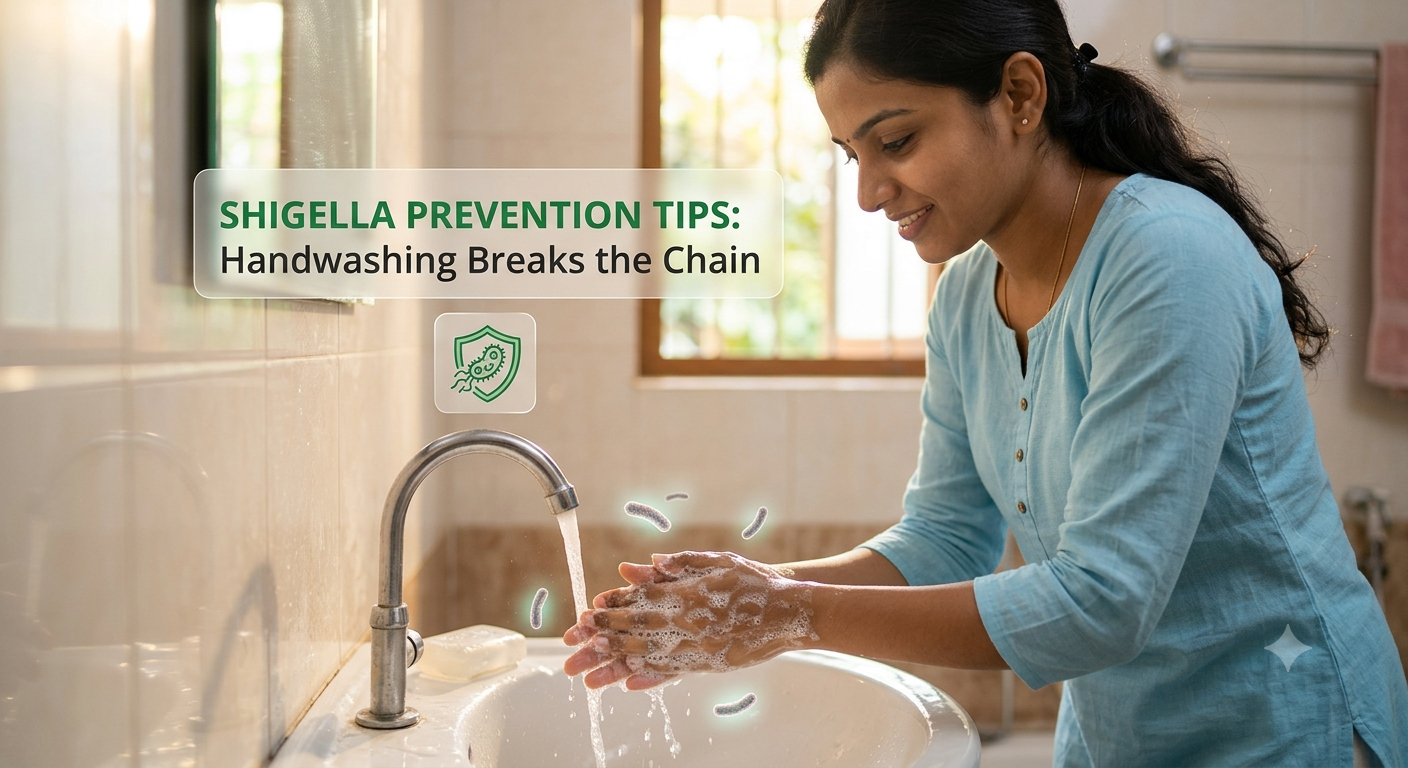
Shigella prevention does not require expensive products or complicated protocols. It requires consistent, everyday habits.
Prevention Measure | Why It Works |
Wash hands with soap for 20 seconds — after toilet use, before eating, after changing nappies | Breaks the faecal-oral transmission route directly |
Drink only boiled or bottled water during the outbreak | Kills Shigella bacteria, which cannot survive boiling |
Avoid raw salads and unpeeled fruit outside the home | Reduces exposure to contaminated wash water |
Do not share towels, utensils, or cups with anyone who has diarrhoea | Prevents household transmission |
Keep children with diarrhoea at home from school | Prevents school cluster outbreaks like those seen in Wayanad |
Report symptoms early to a health centre | Allows contact tracing and faster containment |
Ensure food is cooked thoroughly and eaten hot | Cooking kills Shigella in food |
What the Kerala Disease Outbreak Today Means for Travellers
If you are travelling to Kerala, particularly Kozhikode, Wayanad, Malappuram, Thrissur, or Thiruvananthapuram districts during June or July 2026, exercise heightened caution. Drink only bottled or boiled water. Avoid ice of unknown origin. Stick to freshly cooked hot food from hygienic establishments. Carry ORS sachets. If you develop diarrhoea with fever within a week of travelling, mention your travel history to your doctor.
FAQs
Q1. What are the symptoms of Shigella infection?
Bloody diarrhoea, high fever, severe stomach cramps, and vomiting usually start 1 to 2 days after exposure. Seek medical help immediately if stools are bloody or the person cannot keep fluids down.
Q2. How does Shigella spread from person to person?
Through contaminated food or water, and by touching surfaces that an infected person has touched without washing hands. Even tiny amounts of bacteria can cause infection.
Q3. What caused the Shigella outbreak in Kerala?
Contamination of water sources was exacerbated by monsoon flooding, poor food hygiene at some eateries, and school clustering. Kozhikode and Wayanad are the worst-hit districts.
Q4. Is Shigella dangerous?
For healthy adults, it usually resolves within a week. For children, the elderly, and the immunocompromised, dehydration can become life-threatening quickly. Six deaths have been recorded in Kerala in 2026.
Q5. How is Shigella infection treated?
Primarily with ORS for rehydration and zinc for children under five. Antibiotics are added for moderate-to-severe cases only under medical supervision. Never self-medicate with antibiotics.
Final Thoughts
The 2026 Shigella outbreak in Kerala is a significant public health emergency, but one that can be prevented and treated with timely intervention. The bacteria can spread through contaminated water and contaminated food, and the most important step everyone can take to prevent infection is practising good hand hygiene.
If you or your child experiences bloody diarrhoea, high fever and severe abdominal cramping, you should not wait to see if things will improve by themselves; you should seek medical attention immediately. Receiving treatment early reduces your risk of complications, shortens your recovery time, and lowers the likelihood of further spreading the bacteria to other members of the community.
There is ongoing monitoring of the outbreak in Kerala, and the government's expert committee is working to contain cases and facilitate recovery as quickly as possible. The community is also an important participant in containing this outbreak and should follow hygiene guidelines, drink only safe water, and prevent individuals with symptoms from entering shared communal areas until they fully recover.
Read Also
References
Herriman R. Outbreak News Today [Internet]. 2026 Jun 14 [cited 2026 Jun 18]. India: Shigella outbreak in Kerala state. Available from: https://outbreaknewstoday.substack.com/p/india-shigella-outbreak-in-kerala
Rajput K. Medical Dialogues [Internet]. New Delhi: Medical Dialogues; 2026 Jun 18 [cited 2026 Jun 18]. Shigella outbreak: Kerala reports one more death, 12 new cases. Available from: https://medicaldialogues.in/state-news/kerala/shigella-outbreak-kerala-reports-one-more-death-12-new-cases-173091
Asian News International. Republic World [Internet]. Mumbai: Republic World; 2026 Jun 09 [cited 2026 Jun 18]. Keralam health department issues alert over Shigella cases, urges public to follow preventive measures. Available from: https://www.republicworld.com/india/keralam-health-department-issues-alert-over-shigella-cases-urges-public-to-follow-preventive-measures-2026-06-09-127491
Disclaimer: This article is for general informational purposes only and is not a substitute for professional medical advice. If you or your child is experiencing symptoms of Shigella infection, seek immediate medical attention at your nearest health facility.











Comments