

Understanding Epilepsy: What Really Happens in the Brain and Why It Matters





Last updated on 02 Jan 2026
Epilepsy is one of the most widely recognised neurological conditions in the world, yet it remains deeply misunderstood. Myths, stigma, and misinformation often overshadow the scientific reality of how the brain works during an episode, what causes seizures, and how people with the condition can live full and healthy lives. Understanding the mechanics of the disorder not only benefits patients and their families but also fosters a more informed and empathetic society.
This guide breaks down, in simple terms, what happens inside the brain, why seizures occur, how different types vary, and what everyone should know about early recognition and care.
What Happens in the Brain During a Seizure
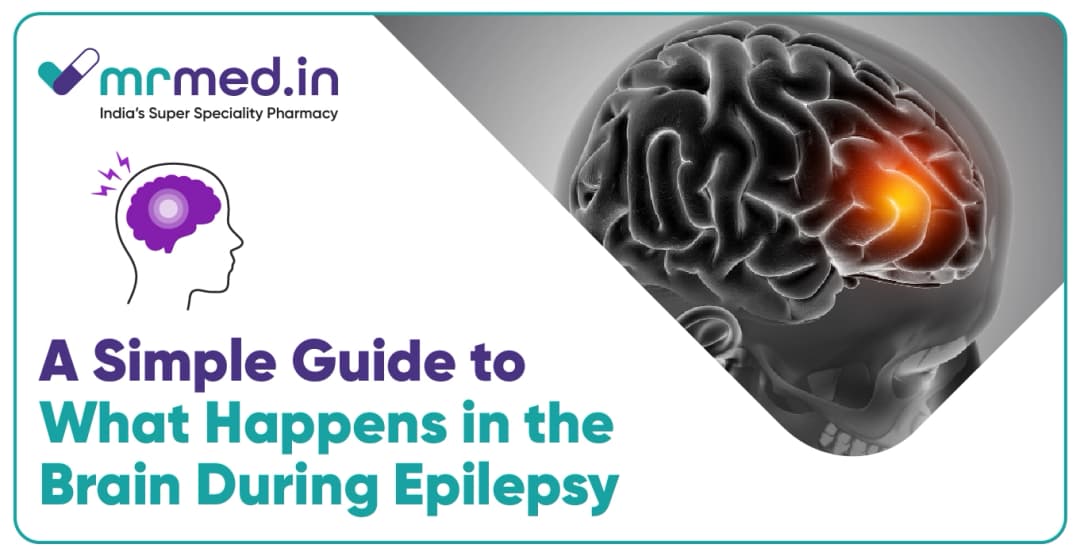
A seizure occurs when there is a burst of uncontrolled electrical activity in the brain. Think of it like an electrical storm, a sudden surge of signals that disrupts normal communication. Depending on where this disturbance occurs, a person may experience involuntary movements, changes in awareness, strange sensations, or a complete loss of consciousness.
This abnormal electrical activity is the core factor behind what many people search for as what is epilepsy, since repeated, unpredictable seizures form the basis of the diagnosis. Epilepsy itself is not a single condition but rather a group of disorders characterised by recurring episodes of dysfunctional brain activity.
The Difference Between Seizures and Epilepsy
Dr Sathish Jain, formerly Professor of Neurology at the AIIMS, New Delhi. The Indian Epilepsy Centre emphasises, “Epilepsy demands more than just stopping seizures; it requires a full understanding of brain dynamics, lifestyle triggers, and long-term monitoring. Early diagnosis, consistent treatment, and family education are the cornerstones we emphasise at our centre. By demystifying seizures and engaging patients as active partners, we can shift epilepsy from a label of limitation to one of managed possibility.”
Many people use the terms interchangeably, but they are not the same. A single seizure does not automatically mean a person has an ongoing neurological condition. High fever, head injury, severe infection, or even substance withdrawal can trigger seizures once or twice without long-term consequences.
Because this distinction is often misunderstood, medical professionals frequently explain seizures vs epilepsy to caregivers and families. The core difference: epilepsy refers to a long-term disorder marked by a tendency for recurrent, unprovoked seizures.
Understanding Epilepsy as a Neurological Disorder
A community-based study from Rajasthan reported an active epilepsy prevalence of 1.1 per 1,000 population, with 76% of those affected carrying a psychiatric comorbidity (anxiety/depression) and large treatment gaps still present.
When a person has epilepsy, their brain has a persistent vulnerability to abnormal electrical activity. This can be due to structural changes, genetic factors, chemical imbalances, or unknown causes. The condition varies widely; some individuals outgrow it, some manage it fully with medication, and others require more specialised care.
This is why descriptions such as epilepsy disorder emphasise the chronic nature of the condition rather than a single event.
Why Awareness Matters More Today Than Ever
Awareness reduces stigma and encourages earlier diagnosis, safe first aid practices, and improved mental health support.
In many public campaigns, health groups highlight epilepsy awareness to encourage communities to understand the symptoms, respond responsibly during emergencies, and support individuals managing the condition long-term.
What Causes Epilepsy? A Look at the Common Triggers
A review of Indian studies estimates the prevalence of epilepsy at about 1% of the population, meaning around 10-12 million persons in India are living with epilepsy.
Although the condition affects people differently, several factors are known, scientifically, to elevate risk. Discussions around epilepsy causes and symptoms help families recognise early warning signs, seek timely medical assistance, and avoid potential triggers.
Common causes include:
Brain injury from accidents or trauma
Stroke, especially in older adults
Brain infections such as meningitis or encephalitis
Genetic variations affecting brain networks
Birth-related complications
Developmental disorders
Metabolic disturbances
In nearly half of all cases, no clear cause is found, something known as idiopathic epilepsy.
Recognising the Symptoms
Indian Guidelines for the Management of Epilepsy (GEMIND) emphasise early recognition, structured evaluation, and consistent treatment to reduce the treatment gap and improve outcomes in India.
Symptoms depend entirely on which part of the brain is affected and the severity of the abnormal electrical activity. They may include:
Sudden, involuntary jerking of limbs
Episodes of staring or unresponsiveness
Confusion or altered awareness
Strange sensory experiences, such as odd smells or visual distortions
Temporary loss of consciousness
Repetitive movements like lip-smacking or blinking
Because symptoms vary, patients often search for epilepsy facts to understand their own triggers and patterns more clearly.
Types of Epilepsy: Why No Two Cases Look Alike
Epilepsy is not a uniform condition; it comes in many forms. When learning about types of epilepsy, it becomes clear that classification helps predict treatment effectiveness and long-term outcomes.
Here are the most common categories:
1. Focal (Partial) Epilepsy
Abnormal activity begins in one part of the brain. Symptoms depend on the affected region; movement, sensation, memory, or awareness can be impacted.
2. Generalised Epilepsy
Electrical disturbance affects both sides of the brain simultaneously. This includes tonic–clonic seizures, absence seizures, and myoclonic jerks.
3. Combined Generalized and Focal Epilepsy
Some individuals experience a mix of both focal and generalised episodes.
4. Unknown Epilepsy
When doctors cannot clearly identify the type, further testing (MRI, EEG) helps guide treatment.
Correct classification ensures treatment is personalised and effective.
How Epilepsy Affects Daily Life
Epilepsy brings psychological, social, and lifestyle challenges. Individuals may face reduced confidence, restrictions on driving, or worry about seizures occurring in public. Children may struggle academically if seizures interfere with concentration.
However, with proper treatment, many people lead completely normal lives working, studying, and engaging in all daily activities.
Some supportive measures include:
Maintaining consistent sleep patterns
Avoiding known triggers like flashing lights in certain conditions
Taking medications on time
Regular follow-ups with a neurologist
Families who understand the meaning often find it easier to adapt supportive lifestyle routines and eliminate stigma.
Modern Treatment Approaches
Epilepsy Society of India & Indian Council of Medical Research (ICMR) emphasise that treatment should be tailored, resource-sensitive and delivered via multidisciplinary teams.
Treatment strategies depend on the type and severity of seizures. Modern medicine offers various options:
1. Anti-seizure Medications
These control abnormal electrical signals and prevent seizure recurrence. Many patients achieve complete seizure control with medication alone.
2. Surgical Interventions
For cases caused by structural abnormalities or drug-resistant epilepsy, neurosurgery may significantly reduce episodes.
3. Vagus Nerve Stimulation and Deep Brain Therapy
These involve electrical devices implanted in the body that help regulate brain activity.
4. Dietary Therapies
The ketogenic diet is often recommended for children with drug-resistant epilepsy.
Breakthroughs in neuroscience continue to provide new hope for better seizure control and improved quality of life.
Why Early Diagnosis Saves Lives
Prompt diagnosis allows immediate treatment, reducing the risk of:
Severe, prolonged seizures
Brain damage from repeated episodes
Injury during seizure attacks
Social and behavioural complications
Neurologists encourage everyone to recognise early signs so that medical intervention is not delayed.
FAQs
1. Can a person have just one seizure and not have epilepsy?
Yes. A single seizure may happen due to fever, infection, injury, or metabolic imbalance and does not automatically indicate a long-term condition.
2. Are all seizures dramatic or violent?
No. Many seizures involve mild symptoms like staring spells, confusion, or brief jerks. Not all involve convulsions.
3. Is epilepsy a lifelong disorder?
Not always. Some people outgrow it, while others manage it fully with medication.
4. Can flashing lights trigger seizures?
Only for some individuals with photosensitive epilepsy. This is not always the case.
5. Is it safe to restrain someone during a seizure?
No. Never hold someone down. Instead, keep them safe by clearing the surroundings and placing them on their side.
Final Thoughts
Understanding epilepsy requires awareness, empathy, and factual knowledge. When families and communities educate themselves, patients benefit from an environment that fosters confidence, safety, and dignity. With the right treatment and lifestyle guidance, individuals with epilepsy can lead active, fulfilling lives free from unnecessary stigma.
Read also
References
https://www.mayoclinic.org/diseases-conditions/epilepsy/symptoms-causes/syc-20350093
https://www.ninds.nih.gov/health-information/disorders/epilepsy-and-seizures
Disclaimer: The content in this blog is for general informational purposes only and is not a substitute for professional medical advice, diagnosis, or treatment. Always consult your doctor, especially if you have a medical condition or are taking prescribed medication. While the information is based on trusted sources, individual needs and results may vary. MrMed does not promote or endorse any specific food or treatment mentioned unless explicitly stated.


















Comments