

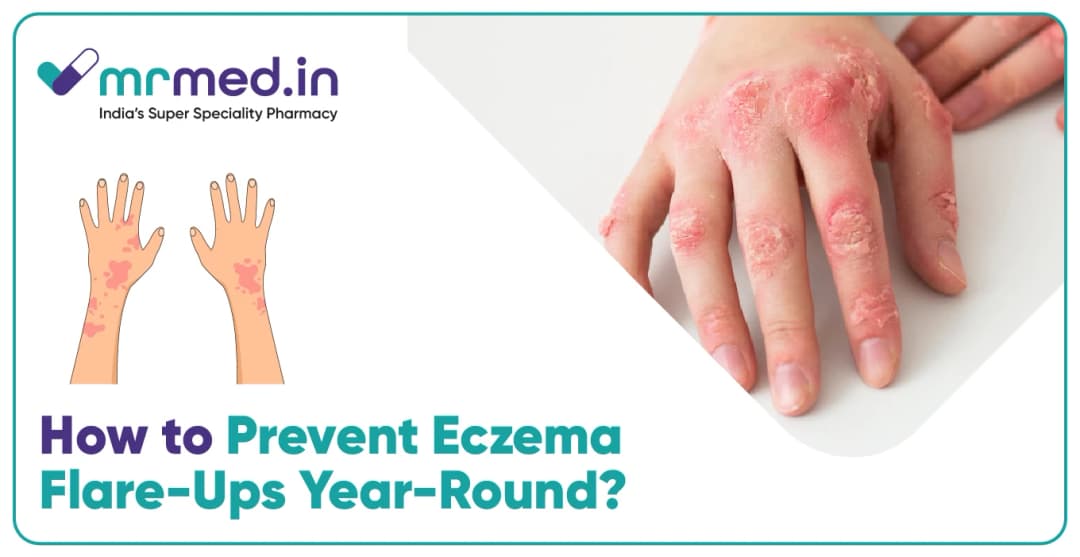
Eczema Triggers and Prevention: How to Control Flare-Ups All Year Round





Last updated on 02 Jan 2026
Eczema, also known as atopic dermatitis, is a chronic skin condition characterised by redness, dryness, and intense itching. For millions of people worldwide, flare-ups can disrupt daily routines, affect sleep, and lower confidence. While there is no permanent cure, eczema can be controlled with the right habits, skincare routine, and awareness. The key lies in recognising what causes flare-ups and how to manage them effectively.
Understanding Eczema and Its Nature
Eczema is not rare in India. In a 2023 systematic review, the prevalence of atopic dermatitis in Indian children ranged from 3.1% to 7.21%, and among all age groups from 0.98% to as high as 9.2%.
Eczema develops when the skin barrier becomes weak and more vulnerable to irritants, allergens, and infections. Genetics, environmental exposure, and immune system overactivity all play a role in the development of this condition. The condition can appear at any age, but it is especially common in children and may persist into adulthood. Because triggers vary widely from one person to another, personalised care is essential.
Common Eczema Triggers You Should Know

Flare-ups often occur when the skin comes into contact with specific irritants or allergens. Identifying eczema triggers can help reduce their impact:
-
Weather fluctuations: Sudden temperature drops, dry winter air, or extremely hot and humid climates can exacerbate symptoms.
-
Environmental allergens: Dust mites, mould, pollen, and pet dander can make eczema more severe.
-
Chemical irritants: such as harsh soaps, detergents, perfumes, and skin products containing alcohol, often strip away moisture.
-
Sweating: Excessive perspiration during workouts or in hot weather can exacerbate itching.
-
Foods: Dairy, eggs, soy, nuts, and gluten are common food sensitivities in some individuals.
-
Stress: Emotional stress does not directly cause eczema, but it can worsen flare-ups by triggering immune responses.
-
Infections: Bacterial or fungal infections on already inflamed skin may intensify eczema.
Keeping a journal of flare-up patterns and daily activities can help narrow down individual triggers.
Environmental Triggers of Eczema
The environment in which you live has a significant impact on your skin health. Some of the most impactful environmental triggers of eczema include:
-
Air pollution: Smog, smoke, and chemical pollutants can irritate sensitive skin.
-
Hard water: Mineral-heavy water can disrupt the skin barrier and worsen dryness.
-
Indoor air: Dry heated air in winter removes natural moisture from the skin.
-
Workplace conditions: Jobs that involve exposure to cleaning agents, solvents, or dust may worsen eczema symptoms.
Minimising exposure through protective clothing, air purifiers, and switching to skin-safe cleaning products can make daily living easier.
Seasonal Eczema Care
Skin behaves differently in each season, which is why seasonal eczema care is important. Adapting your routine can help prevent unnecessary irritation throughout the year.
-
Winter: Cold, dry air exacerbates eczema flare-ups. Use thicker moisturisers, install a humidifier indoors, and avoid long hot showers.
-
Summer: Sweat and heat can trigger itching. Wear breathable clothing, shower after sweating, and use lightweight emollients.
-
Spring: High pollen counts often worsen allergic reactions. Keep windows closed, wash clothes frequently, and limit outdoor exposure when pollen is high.
-
Autumn/Fall: Temperature fluctuations and lower humidity may cause dryness. Adjust moisturisers to match the weather and continue layering clothes carefully.
How to Prevent Eczema Flare-Ups
In India, the standard treatment workflow developed by ICMR / DHR similarly underscores this: “avoidance of provoking agents, moisturisers and early treatment are the aim of eczema management.”
While flare-ups can’t be completely avoided, following practical strategies can significantly reduce their frequency. Here’s how to prevent eczema flare-ups effectively:
-
Daily moisturising: Apply fragrance-free creams or ointments at least twice a day.
-
Gentle bathing habits: Use lukewarm water, mild cleansers, and pat the skin dry instead of rubbing.
-
Protective measures: Gloves while washing dishes, masks during pollen season, and soft bedding can help.
-
Diet monitoring: Track foods that may trigger flare-ups and consult a doctor about potential elimination diets.
-
Stress control: Yoga, mindfulness, and regular exercise help lower stress-related flares.
-
Avoid scratching: Keep nails short, wear cotton gloves at night, and use cold compresses for relief.
Prevention is always easier than treating an existing flare-up, so consistency matters.
The Role of Clothing in Eczema Management
What you wear directly affects skin comfort. Choosing the best clothes/fabrics for eczema can reduce irritation and improve daily life. Washing clothes with mild detergents and avoiding fabric softeners also prevents unnecessary irritation.
|
Fabric Type |
Effect on Skin |
Recommendation |
|
Cotton |
Soft, breathable, absorbs sweat |
Best everyday choice |
|
Bamboo fabric |
Hypoallergenic, moisture-wicking |
Excellent for sensitive skin |
|
Linen |
Light, airy, good in summer |
Suitable for hot climates |
|
Wool |
Rough, itchy, traps heat |
Should be avoided |
|
Synthetic blends |
May trap sweat and irritants |
Use with caution, prefer natural blends |
Everyday Habits That Reduce Eczema Risk
Besides skincare and clothing, small daily habits can have a big impact:
-
Maintain a home humidity level between 40% and 50% to prevent dry air.
-
Drink plenty of water to support skin hydration from within.
-
Choose hypoallergenic personal care products.
-
Change your bed sheets and pillowcases frequently to prevent dust buildup.
-
Wear sunscreen suitable for sensitive skin when outdoors.
These practices help strengthen the skin barrier and reduce the chance of unexpected flare-ups.
Medical Management and Professional Care
Dr Sandipan Dhar, Professor of Pediatric Dermatology at the Institute of Child Health, Kolkata, and former President of the Indian Society for Pediatric Dermatology, explains: “In India, Regular use of fragrance-free moisturisers, timely medical advice, and patient education are essential to prevent relapses. Awareness efforts must go beyond general advice and focus on practical, accessible skin care guidance tailored to Indian conditions such as heat, humidity, and pollution.”
Even with prevention, some people may experience frequent or severe symptoms. Medical help is important when:
-
Rashes spread rapidly or cover large areas.
-
Home care measures don’t relieve flare-ups.
-
Skin shows signs of infection, such as pus, pain, or fever.
Dermatologists may recommend topical corticosteroids, antihistamines, immunomodulators, or phototherapy as treatment options. For severe cases, newer biologic therapies are available. A professional can also confirm whether allergies are contributing to the condition.
FAQs
1. Can diet cause eczema flare-ups?
Certain foods can worsen symptoms in some people. Common culprits include dairy, nuts, eggs, and soy. Keeping a food diary helps identify patterns in your eating habits.
2. Does stress really affect eczema?
Yes. Stress does not cause eczema, but it can intensify flare-ups by increasing immune activity. Stress management is a crucial part of care.
3. Is eczema contagious?
No, eczema is not contagious. It is linked to immune responses, genetics, and environmental factors.
4. Can adults suddenly develop eczema?
Yes. While common in childhood, eczema can appear in adults due to environmental or lifestyle changes.
5. What’s the best way to soothe itching?
Cool compresses, fragrance-free moisturisers, and prescribed topical treatments can help. Avoid scratching to prevent infections.
Final Thoughts
Living with eczema requires patience and awareness, but it does not have to limit your quality of life. By staying alert to personal triggers, making small lifestyle adjustments, and following a consistent care routine, you can minimise flare-ups and keep your skin healthy all year round. With the right prevention strategies and medical guidance when needed, eczema can be effectively controlled, allowing for a more comfortable and less stressful daily life.
Read also
-
Atopic Dermatitis Symptoms, Stages, and Diagnosis: How to Identify It Early
-
Atopic Dermatitis Treatment Options: Creams, Biologics, and Natural Remedies
References
Disclaimer: The content in this blog is for general informational purposes only and is not a substitute for professional medical advice, diagnosis, or treatment. Always consult your doctor or a registered dietitian before making any changes to your diet, especially if you have a medical condition or are taking prescribed medication. While the information is based on trusted sources, individual needs and results may vary. MrMed does not promote or endorse any specific food or treatment mentioned unless explicitly stated.












Comments