


Irregular Periods: Common Causes Explained





Last updated on 30 Jun 2026
Periods may not always arrive at the same frequency within a specified time frame or follow a consistent pattern, which could suggest an irregular menstrual cycle. Hormonal imbalance, stress, thyroid dysfunction, polycystic ovarian syndrome (PCOS), alterations in physical size/weight, and medications may be among the many factors contributing to irregular menstrual cycles.
Key Takeaways:
|
Irregular menstrual cycles can occur at any number of life phases (e.g., adolescence, childbearing years, perimenopause), and knowing what the cause is can help direct timely diagnosis and treatment.
What Are Irregular Periods?
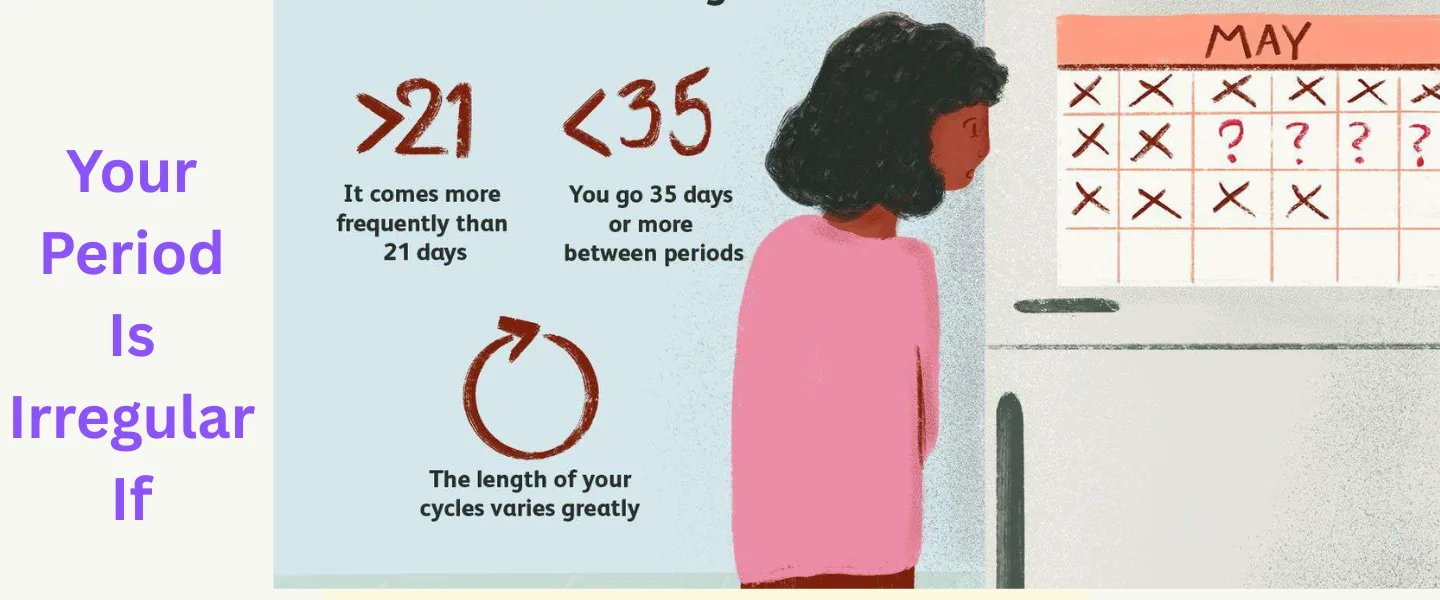
Irregular menstruation means that your menstrual cycle pattern has changed considerably from what it had been before. These cycles may be shorter (less than 21 days) or longer (more than 35 days), and they may vary without notice.
Some common symptoms of irregular menstrual cycles include:
Missed time.
Late or early.
Heavy or light.
Bleeding between cycles.
Different time lengths of bleeding.
A lot of people ask if irregular periods are normal. There can be occasional changes, but when periods become infrequent or irregular, the cause often requires further investigation to find out what is going on.
What Causes Irregular Periods?
A study published in the Indian Journal of Community Medicine in 2026 found that up to 30–35% of adolescent girls in India experience irregular menstrual cycles, especially during the early years after menarche.
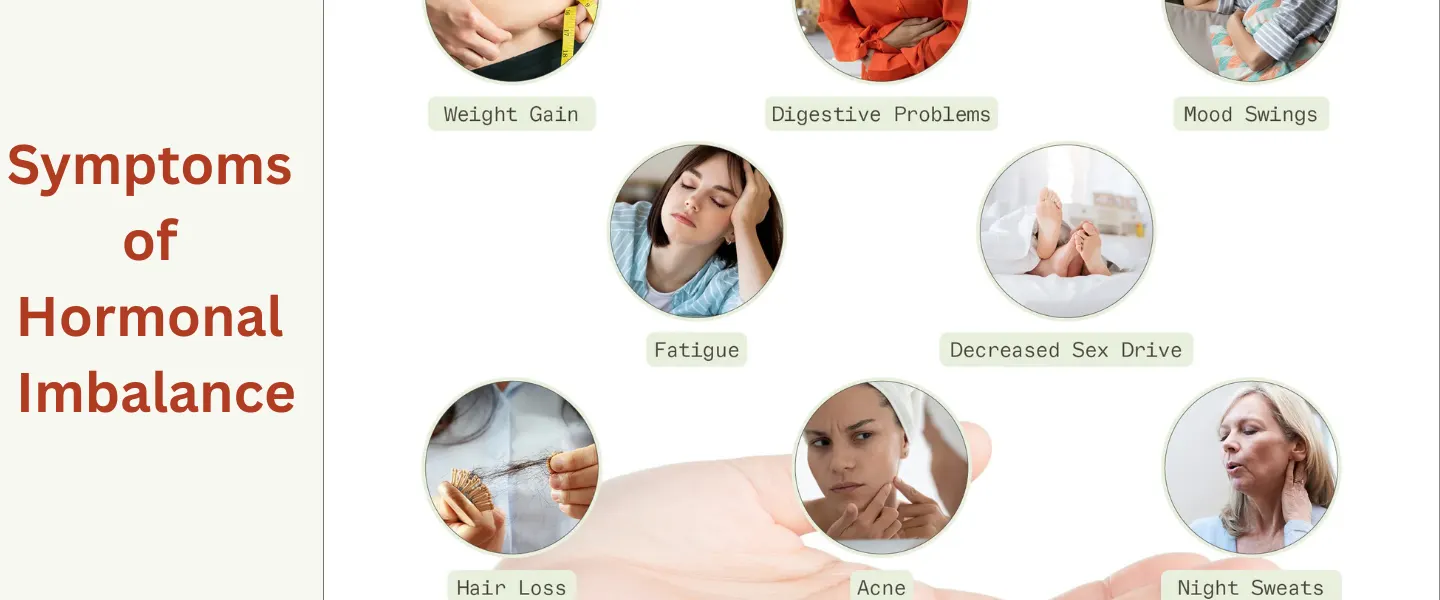
Irregular periods have many causes; most are due to hormonal imbalances. Hormones affect ovulation and menstruation, so changes in one or both can affect the length of your cycle.
There are many reasons that a woman may have irregular periods, including:
Hormonal Imbalance.
Stress.
Polycystic Ovary Syndrome (PCOS).
Weight Changes.
Birth Control Use.
Chronic Illness.
Understanding the reason for an irregular period will help you determine what type of treatment may be appropriate for you.
How Does Stress Affect the Menstrual Cycle?
Irregular periods and stress are closely connected. Stress affects the hypothalamus, a brain region that controls hormone release.
When stress levels rise:
Ovulation may be delayed.
Periods may be skipped.
Cycle timing becomes unpredictable.
Long-term stress can lead to persistent irregular cycles.
Can PCOS Cause Irregular Periods?
Dr Neerja Bhatla – Professor of Obstetrics and Gynaecology, AIIMS New Delhi: Irregular periods are often linked to hormonal imbalance, thyroid disorders, or PCOS. Early medical evaluation helps identify the cause and ensures timely treatment, preventing long-term reproductive and metabolic complications.
Common features include:
Missed periods.
Delayed cycles.
Excess androgen hormone levels.
Weight gain.
Acne.
PCOS is one of the most common causes of irregular menstruation, and the solution requires long-term management.
How Does Thyroid Function Affect Periods?
Irregular periods and thyroid disorders often occur together. Thyroid hormones regulate metabolism and reproductive hormones.
Both underactive and overactive thyroid conditions may cause:
Missed periods but not pregnant.
Heavy bleeding.
Irregular cycle timing.
Thyroid testing is often part of the diagnosis of irregular periods.
Can Birth Control Affect Period Regularity?
Irregular periods after birth control are common, especially after stopping hormonal contraceptives.
Temporary irregularity may occur due to:
Hormonal adjustment.
Delayed ovulation.
Endometrial changes.
Cycles usually stabilise over time.
Are Irregular Periods Common in Teenagers?
Irregular periods in teenage girls are often due to immature hormonal regulation.
During the early years after menstruation begins:
Hormones may fluctuate.
Ovulation may not occur regularly.
Cycles may vary widely.
This usually improves as hormonal balance develops.
How Do Weight Changes Affect Menstrual Cycles?
Irregular cycle and weight loss or gain can affect hormone levels.
Low body weight may reduce hormone production, while excess weight can disrupt hormone balance.
Both situations may lead to irregular cycles.
How Do Irregular Periods Change With Age?
The Indian Council of Medical Research (ICMR) in 2025 recommends early screening, hormonal testing, and medical management for women with irregular periods, especially when PCOS is suspected.
Causes of irregular periods in 30s often include:
Stress.
PCOS.
Thyroid disorders.
Causes of irregular periods in 40s commonly involve:
Perimenopause.
Hormonal fluctuations.
Declining ovarian function.
Age plays an important role in menstrual cycle changes.
What Are the Effects of Irregular Periods on the Body?
Effects of irregular periods on body may include:
Difficulty predicting ovulation.
Reduced fertility.
Hormonal imbalance.
Emotional stress.
Underlying health condition detection.
Persistent irregular cycles should be evaluated.
What Are the Treatment Options for Irregular Periods?
Treatment options for irregular periods depend on the cause.
Treatment for irregular periods may include:
Thyroid treatment.
Lifestyle changes.
Weight management.
Stress reduction.
Proper diagnosis helps determine the best treatment plan.
What Are the 8 Types of Abnormal Menstruation?
8 types of abnormal menstruation include:
Amenorrhea – absence of periods.
Oligomenorrhea – infrequent periods.
Menorrhagia – heavy bleeding.
Polymenorrhea – frequent cycles.
Dysmenorrhea – painful periods.
Metrorrhagia – bleeding between periods.
Hypomenorrhea – very light bleeding.
Irregular menstruation – unpredictable cycles.
Understanding these types helps identify abnormalities.
Frequently Asked Questions
1. Are irregular periods dangerous?
Occasional irregularity is common, but persistent changes may indicate hormonal or medical conditions.
2. Can stress cause irregular periods?
Yes. Stress affects hormone regulation and can delay or stop ovulation.
3. Is PCOS a common cause of irregular periods?
Yes. PCOS is one of the most frequent causes of irregular cycles.
4. Can thyroid problems cause irregular periods?
Yes. Thyroid disorders disrupt hormone balance and affect cycle regularity.
5. When should irregular periods be evaluated?
If irregularity persists for several months or worsens, medical evaluation is recommended.
Final Thoughts
Irregular periods are common but should not be ignored when persistent. Hormonal imbalance, stress, thyroid disorders, and PCOS are major contributors. Early diagnosis and proper treatment help restore cycle balance and protect reproductive health.
Read Also
References
https://my.clevelandclinic.org/health/diseases/14633-abnormal-menstruation-periods
https://www.mayoclinic.org/diseases-conditions/amenorrhea/symptoms-causes/syc-20369299
https://www.manipalhospitals.com/patiala/blog/causes-of-abnormal-periods/
Disclaimer
This article is intended for educational and informational purposes only. It does not constitute medical, legal, or regulatory advice. Qualified healthcare professionals and authorised regulatory authorities should always make drug approval decisions, prescribing choices, and treatment plans.
















Comments