

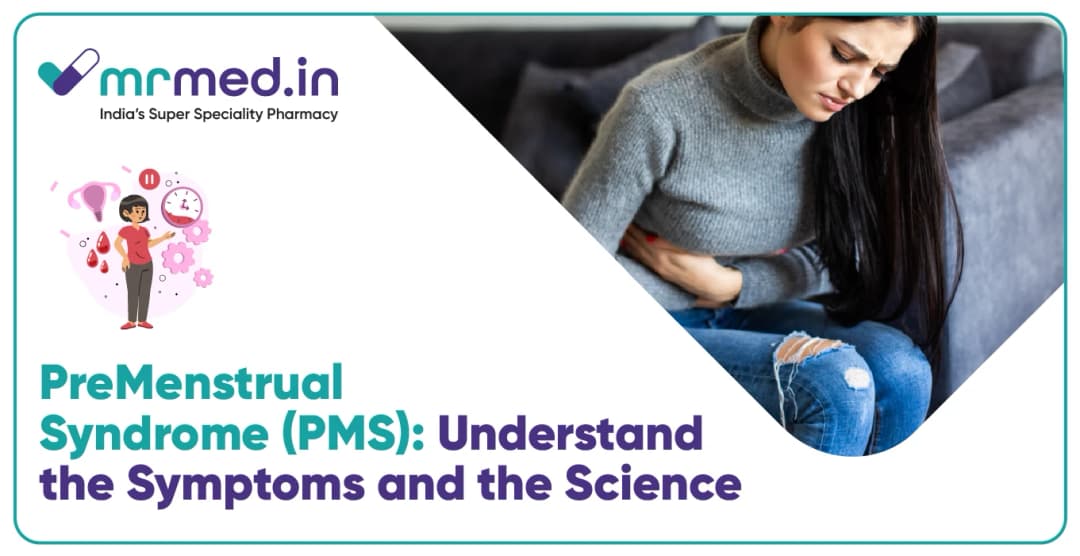
What Is PreMenstrual Syndrome? Common Symptoms and Why They Happen





Last updated on 02 Jan 2026
The Mood, the Cravings, and the Chaos Before Periods
If you’ve ever felt bloated, moody, or just “not yourself” a few days before your period, you’re not alone. Many women across India experience this rollercoaster of emotions and physical changes every month, and it has a name: Premenstrual Syndrome, or simply PMS.
While most of us joke about it or dismiss it as “that time of the month,” premenstrual syndrome is actually a medically recognised condition that can affect mood, body, and overall well-being. The good news? Once you understand why it happens, managing it becomes much easier.
What Is Premenstrual Syndrome?
Here's a simple premenstrual syndrome definition:
It's when your body and mood change before your period starts. These changes typically begin 5-10 days before menstruation and resolve once bleeding starts.
What is the meaning of premenstrual syndrome in plain words? Your hormones fluctuate every month, and during this shift, you may experience physical and emotional changes. Some women barely notice it. Others feel completely unlike themselves.
Here's what you need to know: the introduction of premenstrual syndrome as a medical term happened decades ago, but many Indian women still hear "it's just mood swings" or "period drama." The truth? PMS (premenstrual syndrome) is medically recognised, incredibly common, and absolutely real.
According to a PubMed-published article, a systematic review & meta-analysis covering India found a pooled prevalence of PMS at approximately 43% (95% CI: 0.35-0.50) among Indian women of reproductive age.
How Common Is This?
Here's something that might surprise you: the prevalence of premenstrual syndrome is incredibly high. Studies show that about 75% of women who menstruate experience some form of PMS. In India, specifically, research indicates that three out of four women experience these symptoms regularly.
The issue? Most don't talk about it. Many don't even realise what they're experiencing has a name. Urban Indian women, especially those juggling work, family, and social pressures, often report more intense symptoms. Stress, irregular sleep patterns, and poor eating habits can exacerbate the situation.
Why Does PMS Happen? (Premenstrual Syndrome Causes)
Now for the important part, what causes premenstrual syndrome? Understanding the "why" makes it easier to manage.
Your menstrual cycle is regulated by hormones, primarily estrogen and progesterone. During the first half of your cycle, estrogen levels rise and you generally feel good—energetic, confident, focused. However, after ovulation (around day 14), estrogen levels drop, and progesterone levels rise. This is when PMS symptoms typically start.
Here's what happens inside your body during this phase:
Hormonal shifts: When estrogen drops suddenly, your brain chemistry changes. This affects serotonin, a chemical that controls mood, sleep, and appetite. Low serotonin equals mood swings, food cravings, and anxiety.
Fluid retention: Progesterone causes your body to hold onto water, leading to bloating and breast tenderness.
Blood sugar changes: Hormonal fluctuations mess with your blood sugar levels, making you tired, irritable, and desperately craving chocolate or chips.
Brain sensitivity: During this phase, the emotional centre of your brain becomes hyperactive. This is why small things feel overwhelming, and that dog food commercial suddenly seems like the saddest thing ever.
The causes of premenstrual syndrome PMS also include lifestyle factors: chronic stress increases cortisol levels, poor nutrition leads to vitamin deficiencies, and lack of exercise affects hormone balance. If your mother or sister has PMS, you're more likely to experience it too, genetics plays a role.
Common Premenstrual Syndrome Symptoms
So, what are the symptoms of premenstrual syndrome? They fall into two main categories:
Physical Symptoms:
Bloating and water retention (your jeans suddenly don't fit)
Breast tenderness or swelling
Headaches or body aches
Fatigue (you could sleep for days)
Food cravings (especially sweet or salty items)
Acne breakouts
Constipation or digestive issues
Emotional Symptoms:
Sudden mood swings (happy to angry in seconds)
Irritability (everyone annoys you)
Anxiety or feeling on edge
Sadness or crying spells
Difficulty concentrating
Feeling overwhelmed by small tasks
Most women experience a mix of both. Your symptoms may vary from month to month, depending on factors such as stress levels, diet, and sleep quality. Some months are manageable, others feel unbearable.
Dr Ramya Arun Kumar (Consultant Obstetrician & Gynaecologist, Bengaluru) says, “PMS is a combination of physical, emotional, and behavioural symptoms that appear before a woman’s period due to post-ovulation hormonal changes, causing fatigue, bloating, breast tenderness, anxiety, and irritability.
Risk Factors of Premenstrual Syndrome
Certain factors increase your chances of experiencing more severe symptoms. The main risk factors of premenstrual syndrome include:
Age: Women between 25 to 40 typically experience the most intense symptoms
Stress: High-pressure jobs, family responsibilities, financial worries
Family history: If your mom had it, you probably will too
Lifestyle: Poor diet, lack of exercise, irregular sleep patterns
Mental health history: Past depression or anxiety can worsen PMS
Smoking and alcohol: Both can intensify symptoms
According to a published article in the Industrial Psychiatry Journal, a study in South India found that PMS was present in 48% of working women, and ~35% of those reported alower quality of work-life.
When PMS Becomes Severe
Most PMS is manageable, but sometimes symptoms cross the line into severe premenstrual syndrome territory. If your symptoms are so intense that you can't function normally, missing work, avoiding social situations, and having relationship conflicts, it might be PMDD (Premenstrual Dysphoric Disorder), a more serious condition.
Warning signs include: persistent sadness, panic attacks, suicidal thoughts, or symptoms that last the entire month. This requires professional help immediately.
Premenstrual Syndrome Diagnosis
The premenstrual syndrome diagnosis isn’t based on a single test. Doctors usually identify PMS by:
Tracking symptoms for at least two menstrual cycles.
Checking whether symptoms disappear after menstruation starts.
Ruling out thyroid problems, anxiety disorders, or depression.
If symptoms are extreme, the doctor may check for PMDD (Premenstrual Dysphoric Disorder), a more severe form of PMS.
Management of Premenstrual Syndrome
Good news: you don't have to suffer silently. Here's how to deal with premenstrual syndrome effectively.
A. Lifestyle Changes That Help:
Food choices: Eat small, frequent meals to stabilise blood sugar. Include calcium-rich foods (yoghurt, paneer), magnesium sources (bananas, almonds), and vitamin B6 (chickpeas, fish). Reduce salt intake a week before your period to minimise bloating. Cutting back on caffeine can increase anxiety and breast tenderness.
Movement matters: Yoga for premenstrual syndrome is genuinely helpful. Gentle poses, such as child's pose, cat-cow, and legs-up-the-wall, improve blood flow and reduce cramps. Even a 20-minute walk releases endorphins that naturally boost your mood.
Sleep routine: Aim for 7-8 hours nightly. Poor sleep worsens every PMS symptom. Keep your bedroom cool and dark, and avoid screens for at least an hour before bed.
Stress management: Practice deep breathing when irritability hits. Try this: inhale for 4 counts, hold for 4 counts, and exhale for 6 counts. Repeat five times. It calms your nervous system instantly.
B. Natural Remedies for Premenstrual Syndrome:
Many women prefer natural approaches before trying medication. Popular home remedy for premenstrual syndrome include:
Chamomile tea: Reduces anxiety and helps with sleep
Ginger tea: Eases bloating and nausea
Heating pad: Relieves cramps and body aches
Magnesium supplements: Can reduce mood swings (consult a doctor first)
Evening primrose oil: Some find it helps with breast tenderness
C. Medical Premenstrual Syndrome Treatments:
If lifestyle changes aren't enough, several premenstrual syndrome medication options exist:
Pain relievers: Ibuprofen or paracetamol for cramps and headaches. Take them as symptoms start, not after pain becomes severe.
Hormonal birth control: Pills or IUDs can regulate hormone fluctuations, reducing PMS intensity for many women.
Antidepressants: For severe emotional symptoms, doctors may prescribe SSRIs. These adjust serotonin levels and can be taken only during the luteal phase or daily.
Diuretics: Help reduce bloating and water retention.
Any medicine for premenstrual syndrome should be prescribed by a doctor. Don't self-medicate based on internet advice.

FAQs
1. What is premenstrual syndrome (PMS)?
It’s a mix of physical and emotional symptoms that appear before menstruation and go away once the period begins.
2. What are the symptoms of premenstrual syndrome?
Common ones include mood swings, bloating, headaches, fatigue, and breast tenderness.
3. What are the effects of premenstrual syndrome?
Effects of premenstrual syndrome include irritability, headache, breast tenderness, and changes in appetite or sleep patterns.
4. How is premenstrual syndrome diagnosed?
By tracking symptoms for 2–3 cycles and ruling out thyroid or mood disorders.
5. What is the best medicine for premenstrual syndrome?
Painkillers, hormonal therapy, or antidepressants, based on the doctor’s advice.
6. Are there natural remedies for premenstrual syndrome?
Yes, herbal teas, magnesium, and yoga are great natural solutions.
7. How to define premenstrual syndrome?
Define premenstrual syndrome as a condition that causes mood swings, bloating, cramps, and fatigue before menstruation.
Final Thoughts: Your Period Doesn’t Have to Be a Battle
PMS may be common, but it doesn’t have to control your life. Understanding your cycle, maintaining a balanced lifestyle, and seeking help when needed can make a world of difference.
Premenstrual syndrome is a reminder that your body is powerful and sensitive. it deserves care, not frustration. Whether through medicine for premenstrual syndrome or simple self-care routines, the goal is to live in sync with your cycle, not against it.
Remember, your period is a part of your health, not your enemy.
Read Also
References
Kwan I, Onwude JL. Premenstrual syndrome. BMJ Clin Evid. 2015;2015:0806. Published 2015 Aug 25.
https://www.webmd.com/women/pms/ss/slideshow-premenstrual-syndrome-pms
https://womenshealth.gov/menstrual-cycle/premenstrual-syndrome
Disclaimer: The information shared in this blog is meant for general educational purposes only and should not be taken as medical advice. Always consult a qualified healthcare professional for diagnosis, treatment, or medical guidance related to your health. The content is based on reliable sources, but it may not be suitable for every individual’s condition. We do not assume responsibility for any actions taken based on this information. Readers are encouraged to exercise caution and use their discretion when making healthcare decisions.












Comments