

Anaemia During Cancer Treatment: Causes, Tests and Management





Last updated on 11 Nov 2026
Cancer treatment can take a toll on the body’s ability to produce healthy blood cells. When red blood cell production slows down or haemoglobin levels fall, patients may develop anaemia during cancer treatment. Tiredness is common, but some people also notice dizziness, headaches or breathlessness during activities they could manage easily before.
Anaemia in cancer patients is not always caused by chemotherapy. The cancer itself, internal bleeding, kidney problems and nutritional deficiencies can also lower haemoglobin. Knowing what has caused the drop is important because the treatment will depend on it.
Key Takeaways
|
Cancer-Related Anaemia: An Overview
Haemoglobin is the protein in red blood cells that carries oxygen. When its levels drop, the body gets less oxygen, which can lead to tiredness and breathlessness. Even simple activities, such as walking around the house or climbing a flight of stairs, may become tiring.
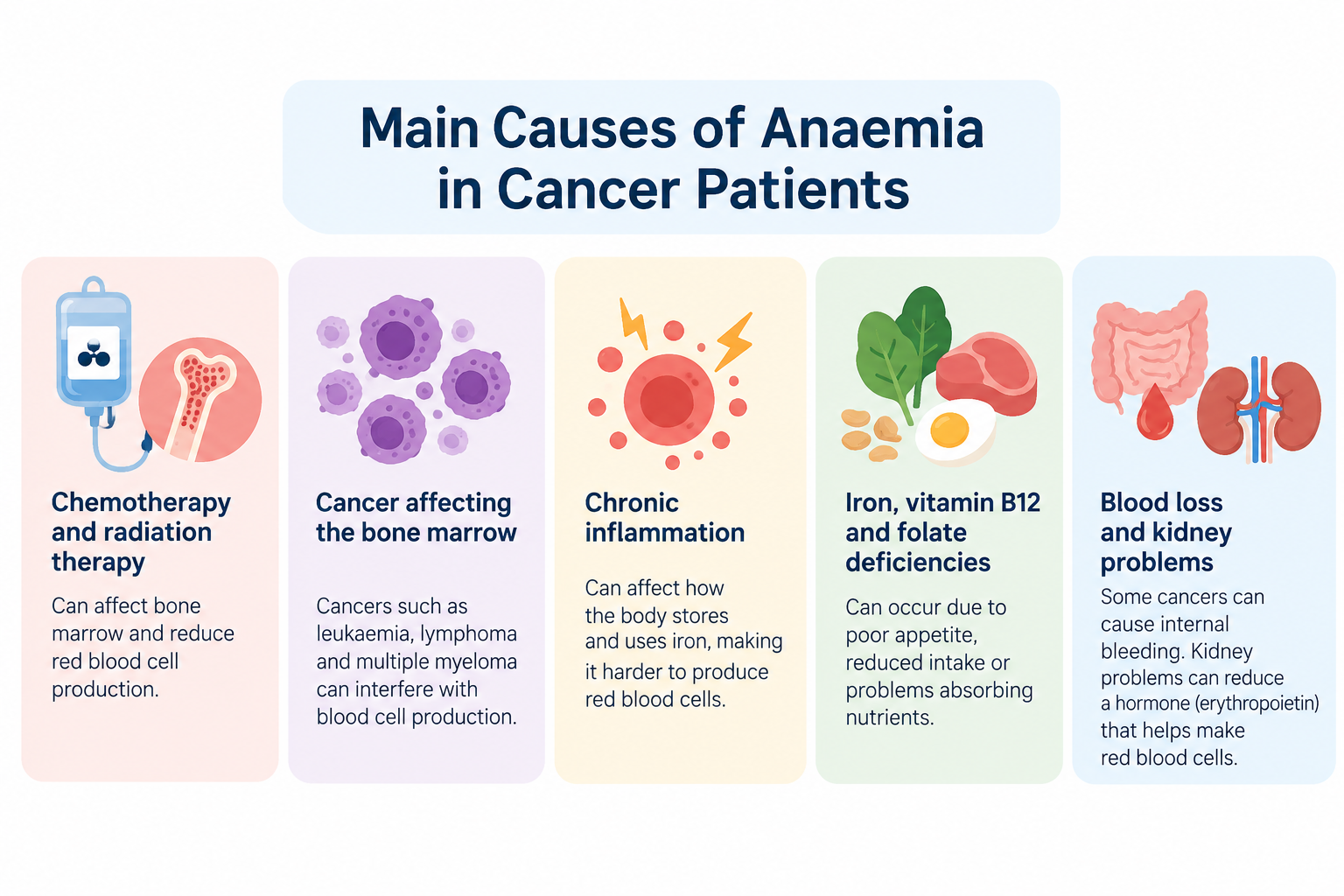
Cancer-related anaemia can develop before a patient starts treatment or during the course of it. Some cancers affect the bone marrow directly. Others cause inflammation that interferes with the way the body uses iron. Chemotherapy and radiation therapy can also slow down the production of new blood cells.
A 2025 review in The American Journal of Medicine included 42 studies of 65,179 cancer patients from 40 countries. Anaemia rates differed considerably, from 12.8% in some studies to 100% in others. The figures depended on the cancer types studied, the treatments patients received and how anaemia was diagnosed.
Major Causes of Anaemia in Cancer Patients
A patient’s haemoglobin may fall for several reasons. Sometimes, more than one factor is involved.
Recognising the Symptoms of Anaemia During Chemotherapy
Some patients notice that they tire more easily, while others may not have obvious symptoms until their haemoglobin falls further. The change can be gradual, making it difficult to recognise at first.
Common chemo-induced anaemia symptoms include:
Feeling tired or weak throughout the day.
Breathlessness while walking or doing routine activities.
Dizziness or feeling light-headed.
Pale skin, gums or nail beds.
Frequent headaches or difficulty concentrating.
A faster or more noticeable heartbeat.
Struggling with activities that were previously manageable.
The difficulty is that several of these signs can also occur as other chemotherapy side effects. A patient who feels exhausted may assume it is simply part of cancer treatment, but anaemia could be contributing to it. Mentioning these changes to the oncology team can help determine whether a blood test is needed.
Chest pain, fainting, confusion or severe breathlessness should not be ignored. These symptoms need urgent medical attention.
Tests Used to Diagnose Cancer-Related Anaemia
A complete blood count is usually among the first tests doctors request when anaemia is suspected. Other investigations may be needed to understand why haemoglobin has fallen.
Complete Blood Count (CBC): Measures haemoglobin, red blood cell count and haematocrit. It also gives the mean corpuscular volume (MCV), which shows the average size of red blood cells.
Iron studies: Ferritin, serum iron and transferrin saturation help assess the body’s iron stores and how much iron is available for red blood cell production.
Vitamin B12 and folate tests: Help identify deficiencies that may be affecting the formation of healthy red blood cells.
Reticulocyte count: Measures immature red blood cells and gives doctors an idea of how actively the bone marrow is producing new ones.
Kidney function tests: Help check whether reduced kidney function could be contributing to low haemoglobin.
Depending on the results, a doctor may also request a peripheral blood smear, tests for internal bleeding or, in selected cases, a bone marrow examination.
In 2023, Dr Purvish M. Parikh and other Indian cancer specialists published guidelines on cancer-related anaemia. Their recommendations include checking iron, vitamin B12 and folate levels, along with red blood cell counts and reticulocytes. These tests give doctors more information about the reason for low haemoglobin.
Understanding Haemoglobin Levels in Cancer Patients
A haemoglobin report gives the result in grams per decilitre (g/dL). In adults, a reading below 12 g/dL in non-pregnant women or 13 g/dL in men is generally considered anaemia.
The World Health Organization’s guidance on haemoglobin cut-offs provides these values for diagnosing anaemia. However, a low reading alone does not tell doctors which treatment a patient needs. They also look at symptoms, medical history and the cancer treatment being received.
Doctors may check haemoglobin levels more than once during chemotherapy, as they can fall or change during treatment. These blood counts help them understand how the anaemia is progressing and whether further tests or changes to its management are needed.
Management and Treatment of Cancer-Related Anaemia
There isn’t one treatment that works for every patient. Doctors choose anaemia treatment based on the cause, haemoglobin level and symptoms.
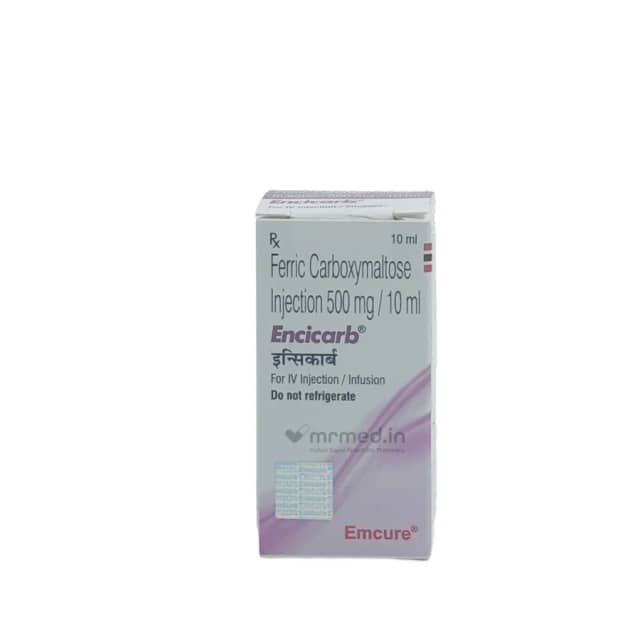
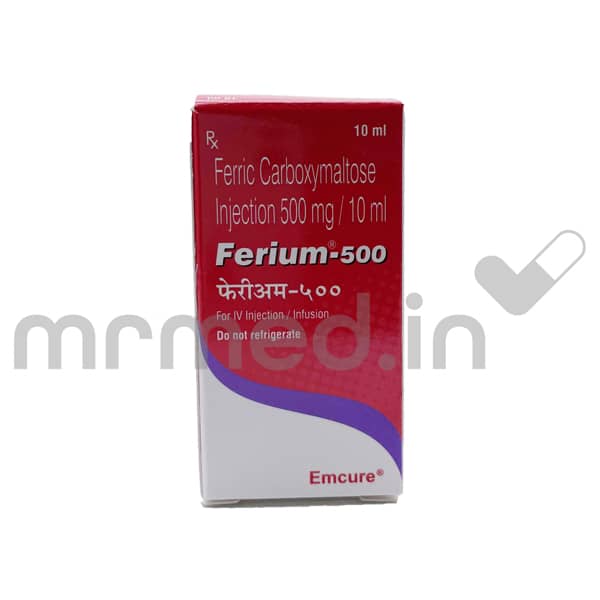
Iron replacement: Oral or intravenous iron may be prescribed when tests confirm iron deficiency. Iron supplements will not necessarily help if the anaemia is caused by inflammation or reduced bone marrow activity.
Vitamin B12 and folate: Supplements may be given when a deficiency in either nutrient is affecting red blood cell production.
Red blood cell transfusions: A transfusion may be needed when haemoglobin is very low, symptoms are severe or a quicker improvement is necessary.
Erythropoiesis-stimulating agents (ESAs): These medicines encourage the bone marrow to make more red blood cells. The ASCO/ASH clinical practice guidelines recommend considering them for selected patients receiving chemotherapy with non-curative intent and haemoglobin below 10 g/dL. They are generally not recommended during curative treatment because of potential risks, including blood clots.
Reviewing cancer treatment: If chemotherapy is affecting blood counts, the oncologist may consider changing the dose or schedule. Patients should not make these changes themselves.
The Indian expert guidelines led by Dr Parikh also discuss iron replacement in cancer-associated anaemia. They highlight the need to assess iron levels before deciding on supplementation. Intravenous iron may be considered in suitable patients, depending on their test results and clinical condition.
Nutritional Support to Maintain Haemoglobin Levels
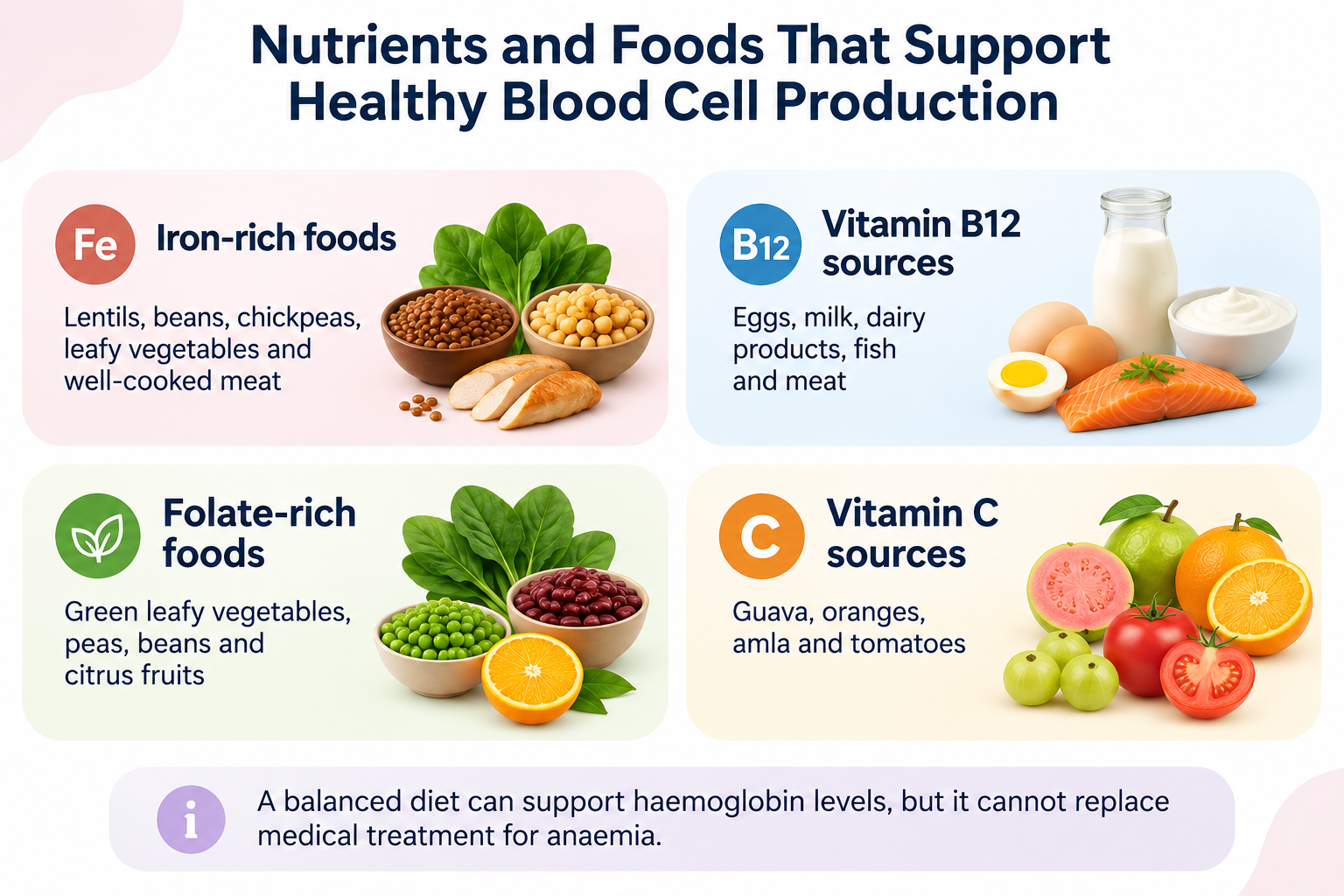
Food can help when anaemia is linked to poor intake or a lack of essential nutrients. Patients looking at how to increase haemoglobin during chemotherapy should first find out whether they have an iron, vitamin B12 or folate deficiency. Eating more iron-rich foods alone may not help if chemotherapy has affected bone marrow activity.
Some useful food sources include:
Patients who want to know how to increase haemoglobin naturally for cancer patients should also consider their appetite, digestion and ability to tolerate different foods during treatment. Smaller meals may be easier to manage when nausea or loss of appetite is a problem.
A balanced diet can help fill nutritional gaps, but it cannot correct every form of cancer-induced anaemia. Patients should speak to their oncology team before taking iron tablets, herbal preparations or high-dose vitamins, as some supplements may be unsuitable during treatment.
Long-Term Anaemia After Chemotherapy
For some patients, haemoglobin takes time to recover after chemotherapy ends. Red blood cell production may remain low while the bone marrow recovers from treatment.
However, low haemoglobin after chemotherapy is not always due to the treatment itself. Kidney problems, nutritional deficiencies, blood loss and ongoing cancer can also be responsible. If haemoglobin remains low, doctors may repeat blood counts and investigate these other possibilities. The need for further treatment will depend on the findings.
FAQs
1. Is anaemia common during chemotherapy?
Yes. Chemotherapy can affect the bone marrow and reduce red blood cell production. How often it happens and how severe it becomes depend on the cancer, medicines used and the patient’s health.
2. What haemoglobin level is considered low during chemotherapy?
In adults, levels below 12 g/dL in non-pregnant women and 13 g/dL in men are generally considered low. Doctors also consider symptoms, medical history and how much the level has fallen when deciding on treatment.
3. What is the best treatment for chemotherapy-induced anaemia?
The treatment depends on what is causing the anaemia. Iron or vitamin replacement may help when there is a deficiency, while some patients may need a blood transfusion or an erythropoiesis-stimulating agent.
4. Can iron supplements treat all types of cancer-related anaemia?
No. Iron supplements are useful when iron deficiency is confirmed. They may not improve anaemia caused by inflammation or chemotherapy-related bone marrow suppression.
5. Can haemoglobin levels improve naturally after chemotherapy?
Yes. Haemoglobin may return to normal as the bone marrow recovers after chemotherapy. Eating well can help, but anaemia that continues after treatment should be checked by a doctor.
6. When should cancer patients seek medical attention for anaemia?
Patients should tell their oncology team if they have persistent tiredness, dizziness, breathlessness or a noticeable drop in physical strength. Chest pain, fainting, confusion or severe breathlessness requires urgent medical attention.
Read Also
References
Disclaimer
This article is for educational purposes only. Patients should consult their oncology team for diagnosis and treatment of anaemia during cancer care.














Comments