

Brachytherapy in Oral Cancer Treatment: Precision and Preservation





Last updated on 02 Jan 2026
Key Takeaways
|
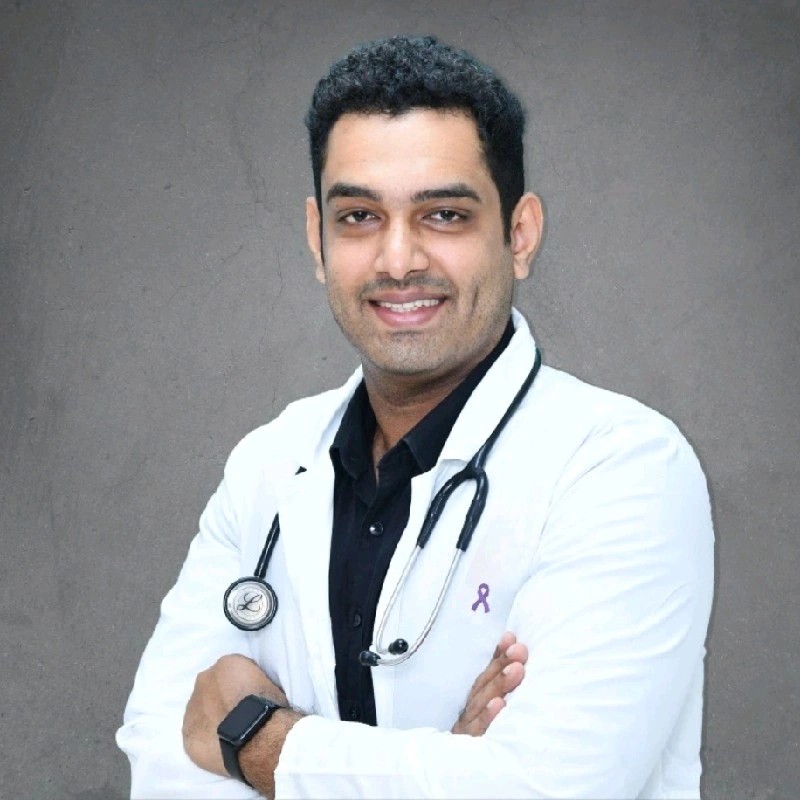
Dr Abhishek Krishna, Consultant in Radiation Oncology, Bangalore, explains that cancer treatment is no longer simply about surviving the disease; it has become much more focused on balancing function, aesthetics, and overall health and well-being. Patients value being able to communicate clearly, eat comfortably, and maintain their sense of dignity during their daily activities. As such, newer targeted methods of treating oral cancers with radiation have led many physicians to reconsider their approach to using radiation for treating patients with these types of cancers.
Where Brachytherapy Fits in Oral Cancer Care
Doctors plan oral cancer treatment by assessing the tumour’s size, depth, location, and spread. Brachytherapy may be used on its own or combined with surgery, depending on the case.
It uses an implanted radiation source instead of radiation delivered from outside the body. This allows a higher dose of radiation to be given directly to the tumour.
Surrounding healthy tissues receive less radiation damage. Brachytherapy is especially effective for small, localised tumours of the tongue or floor of the mouth.
How the Treatment Is Delivered
Brachytherapy is performed under sedation to ensure patient comfort. Thin tubes, called catheters or applicators, are placed directly into the tumour area.
These applicators deliver a controlled dose of radiation over a planned schedule.The overall treatment duration is usually shorter than external radiation therapy.
This method allows doctors to target the tumour precisely while protecting nearby healthy tissue. In suitable patients, brachytherapy may be used alone or combined with surgery to reduce the risk of cancer recurrence.
Benefits and Outcomes
Brachytherapy is an effective treatment for controlling cancer that is limited to the oral cavity. It is especially useful for patients with localised oral cancer.
One major advantage is better preservation of normal mouth function. Patients treated with brachytherapy are more likely to retain clear speech and the ability to swallow.
Short-term side effects may include soreness and swelling of the mouth, as well as difficulty eating. These symptoms are usually temporary and improve with time and supportive care.
Follow-Up and Supportive Care
Successful outcomes depend not only on treatment but also on long-term oral cancer care and management. Patients require regular follow-up visits to monitor healing, manage side effects, and detect recurrence early. Speech therapy, nutritional support, and dental care are often part of recovery planning.
Final Thoughts
Brachytherapy offers a focused, tissue-preserving approach for selected patients with oral cancer. By delivering radiation exactly where it is needed, it helps balance effective cancer control with preservation of daily function. When chosen carefully and delivered by experienced teams, it represents a thoughtful step forward in patient-centred cancer care.
FAQs
1. What is brachytherapy for oral cancer?
It is a form of radiation treatment where the radiation source is placed inside or very close to the oral tumour to target cancer cells precisely.
2. How is brachytherapy different from external beam radiation?
Brachytherapy delivers radiation from within the body, while external beam radiation comes from outside and passes through healthy tissues to reach the tumour.
3. Who is a good candidate for oral cancer brachytherapy?
Patients with small, localised oral tumours and no extensive lymph node involvement are usually considered suitable.
4. Is brachytherapy painful?
The procedure itself is done under anaesthesia. Some soreness may occur afterwards, but pain is usually manageable with medication.
5. Does brachytherapy preserve speech and swallowing?
Yes, in many cases, it helps preserve speech and swallowing better than broader radiation approaches.
Read also
Disclaimer: The information provided in this article is for general awareness and educational purposes only. It should not be taken as a substitute for professional medical advice, diagnosis, or treatment. Always consult your doctor or a qualified healthcare provider with any questions regarding liver cancer, its stage, or treatment options. Do not ignore professional advice or delay seeking care because of information presented here. While insights are shared by Dr. Abhishek Krishna, Consultant Radiation Oncologist, and are based on reliable medical sources, individual patient needs and outcomes may vary. MrMed does not endorse or promote any specific hospital, product, or treatment unless clearly stated.













Comments