

Beyond Ozempic: New GLP-1 Alternatives Coming in 2026?





Last updated on 05 May 2026
Obesity care is moving faster than at any point in modern medicine. What started with a few powerful incretin drugs has accelerated into a global competition to build therapies that are stronger, safer, and more accessible. As 2026 approaches, the next generation of metabolic medicines is taking shape, with new molecules, new delivery formats, and a renewed push for affordability in India.
This article examines where the science is heading, why demand is shifting beyond today’s GLP-1 options, and how India’s treatment landscape may change over the next two years.
Understanding the Next Evolution of Metabolic Medicines
India’s GLP-1 market is accelerating fast: Mounjaro launched in March 2025 and hit about ₹50 crore quarterly sales within months, and Wegovy launched in June 2025 and is scaling.
Therapies such as Ozempic, Mounjaro, and Wegovy proved that manipulating gut hormones could create powerful metabolic improvements.
These medicines were originally used for glucose control, but later became highly effective options for weight reduction across diverse populations.
Researchers now believe the future lies in medicines that target multiple hormones at once, not just GLP-1 alone.
Newer agents are being designed to regulate hunger signals, insulin sensitivity, digestive speed, and thermogenesis simultaneously.
This multi-pathway approach could offer stronger, faster, and more sustained results compared to older single-pathway treatments.
India is experiencing a rising interest in Indian pharma GLP-1 manufacturing, with companies exploring biosimilar pathways, cost-efficient production, and expanded access.
The growing obesity burden in India is pushing both global and domestic companies to accelerate innovation in this area.
Why the World Is Looking Beyond Existing GLP-1 Options
NFHS-5 data show that about 24% of Indian women and 23% of Indian men are overweight or obese, with obesity alone at 6.4% in women and 4% in men (15–49 years).
Not all individuals respond uniformly to Semaglutide or Tirzepatide, and some experience diminishing weight-loss effects over time.
A portion of users struggle with digestive discomfort or appetite suppression that becomes too intense or unsustainable.
Concerns continue around the GLP-1 side effects' long-term safety, including gallbladder disease, lean-mass reduction, and micronutrient imbalances.
Long-term dependence raises additional questions about cost, accessibility, and affordability for patients needing lifelong therapy.
Global shortages, high demand, and supply inconsistency are also influencing the shift toward next-generation alternatives.
In India, demand is rising for cheaper weight loss injections in 2026 due to limited affordability compared to other chronic therapies.
The 2026 Pipeline: What New Therapies Are Coming?
1. Triple-Agonist Molecules
Triple-agonist molecules act on GLP-1, GIP, and glucagon receptors, giving them a broader metabolic footprint than earlier versions.
These medications may regulate appetite, enhance insulin response, and increase energy expenditure more effectively.
Early studies suggest that weight reduction could surpass results seen in tirzepatide vs semaglutide weight loss comparisons.
Molecules within the Eli Lilly weight loss pipeline are widely discussed for their potential to outperform dual agonists like Mounjaro.
Once-weekly use and improved metabolic flexibility may make them popular choices upon approval.
2. Retatrutide and Multi-Hormone Modulators
Retatrutide is among the most anticipated candidates due to its extremely strong weight-loss outcomes in trials.
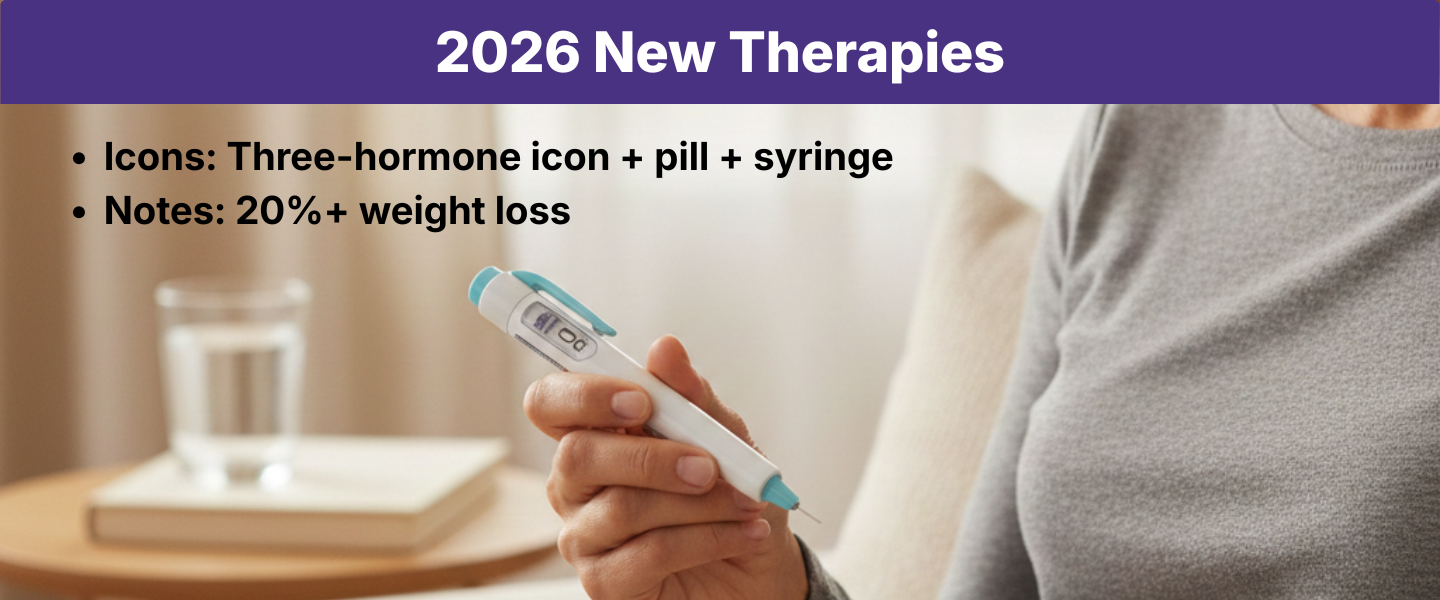
Participants in the retatrutide weight loss trial results showed reductions exceeding 20 % of body weight, among the highest of any medication recorded to date.
If approved in India, retatrutide may offer one of the most effective alternatives to existing medicines such as Wegovy and Mounjaro.
A future Wegovy vs Retatrutide comparison could reshape clinical guidelines and physician decision-making.
Multi-hormone modulation could become the new standard for long-term obesity treatment.
3. Oral Appetite-Hormone Modulators
Several companies are working on oral GLP-1 weight-loss pills designed to reduce dependence on injectables.
Oral formulations aim to provide convenience, easier travel, and no need for refrigeration or injection equipment.
If these medicines match injectable efficacy, they may appeal to individuals unwilling to use injections for long periods.
4. Updated Versions of Metabolic Injections
New injectables under development aim to minimise nausea, fullness, slowed digestion, and other common side effects of earlier GLP-1 therapies.
These formulations may provide steadier appetite regulation and more predictable glucose control.
Improved dosing flexibility could support individuals managing chronic metabolic conditions alongside obesity.
Affordability: Will India See Cheaper Options by 2026?
Dr Awadhesh Pandey, Endocrinologist and Diabetes specialist, active Indian clinician and commentator on obesity pharmacotherapy. He stresses that GLP-1 therapies work well but need long-term medical use and should not be treated as short “fat-loss courses.” He highlights that India’s big change in 2026 will come from semaglutide generics.
One of the most pressing questions is whether upcoming therapies will be accessible. Many patients still struggle with the Mounjaro India price, which remains relatively high due to import costs and limited supply channels.
As patents begin to expire globally, analysts expect discussions around an Ozempic generic 2026 pathway to surface. Several Indian companies have already expressed interest in developing biosimilar versions of international injectables once regulatory timelines allow.
Local production could transform the market by:
Increasing availability in tier-2 and tier-3 cities
Lowering monthly treatment expenses
Reducing supply disruptions
Supporting more sustainable long-term treatment plans
Additionally, upcoming Anti-Obesity Medications developed in India may compete directly with international brands. This may reduce the need for imported versions of obesity medication therapies and significantly expand treatment access.
How India’s Obesity Treatment Landscape May Change
Semaglutide generics/biosimilars in India: the most immediate and highest impact “alternative” for India in 2026 because of pricing.
India’s metabolic health challenges require a blend of medicine, lifestyle support, and long-term monitoring. As urbanisation grows and sedentary living increases, the demand for effective therapies will continue rising. Newer options may eventually join existing treatments such as GLP-1 drugs like Ozempic, Wegovy, Semaglutide, and Tirzepatide.
Experts also highlight the importance of medical supervision, regular screening for nutritional deficiencies, and long-term follow-ups to ensure safe and effective outcomes. This is especially important as more patients turn to Ozempic alternatives for weight loss without fully understanding the metabolic pathways involved.
Key Differences Between Current and 2026 Weight-Loss Medications
Lilly press release: “Lilly’s Phase 2 Retatrutide Results Published in NEJM show up to 17.5% mean weight reduction at 24 weeks.” 26 June 2023.
Feature | Current Medicines (2025) | 2026 Pipeline Medicines |
Main Options | Ozempic, Wegovy, Mounjaro | Orforglipron, Retatrutide |
Expected Weight Loss | 10–18% | 20% or higher |
How They Work | GLP-1 or dual-agonist | Multi-pathway (GLP-1 + GIP + glucagon) |
Ease of Use | Mostly injections | Improved injections + oral options |
India Affordability | Expensive due to imports | Likely cheaper with Indian manufacturing |
FAQs
1. What makes the upcoming 2026 therapies different from existing ones?
New medicines focus on multi-pathway action, potentially offering stronger results than current GLP-1 receptor agonist therapies. They are designed for improved tolerability, reduced GI side effects, and higher accessibility.
2. Will these new treatments be more affordable than current injectables?
India may benefit from local manufacturing, which could reduce costs compared to the current monthly expense of Anti-Obesity Medications available today.
3. Are oral versions expected to replace the injectable options?
Oral formulations are being developed to complement injectables. They appeal to users seeking a simpler dosing method and may expand the oral GLP-1 weight loss pill category.
4. How do triple-agonist drugs compare with older therapies?
Early trials indicate higher weight-loss percentages than what many people see in tirzepatide vs semaglutide weight loss results. These upcoming treatments may set new benchmarks for effectiveness.
5. Will India get new obesity treatments at the same time as global markets?
Approval timelines depend on regulatory review, safety data, and supply readiness. Several new obesity medications are likely to arrive in India shortly after global regulatory approvals in 2026.
Final Thoughts
The next frontier of obesity and metabolic treatment is expanding rapidly. With improved formulations, oral alternatives, triple-agonist therapies, and growing innovation within India, 2026 could mark a turning point in how individuals manage long-term weight and metabolic health. As always, medical supervision, scientific guidance, and sustainable lifestyle habits remain essential for safe and effective results.
Read also
Ozempic for Weight Loss and Diabetes: Medical Advantages and Risks
Mounjaro Injection for Weight Loss: Price in India, Uses & Side Effects
References
Disclaimer: The information shared in this blog is meant for general educational purposes only and should not be taken as medical advice. Always consult a qualified healthcare professional for diagnosis, treatment, or medical guidance related to your health. The content is based on reliable sources, but it may not be suitable for every individual’s condition. We do not assume responsibility for any actions taken based on this information. Readers are encouraged to exercise caution and use their discretion when making healthcare decisions.












Comments