

How to Protect Your Skin and Muscle Mass While Taking GLP-1 Medications





Last updated on 13 Oct 2026
GLP-1 medications have changed how many people approach weight loss. Medicines such as semaglutide help regulate appetite, increase feelings of fullness and support weight reduction when prescribed appropriately. However, losing weight can bring changes beyond the number on the weighing scale.
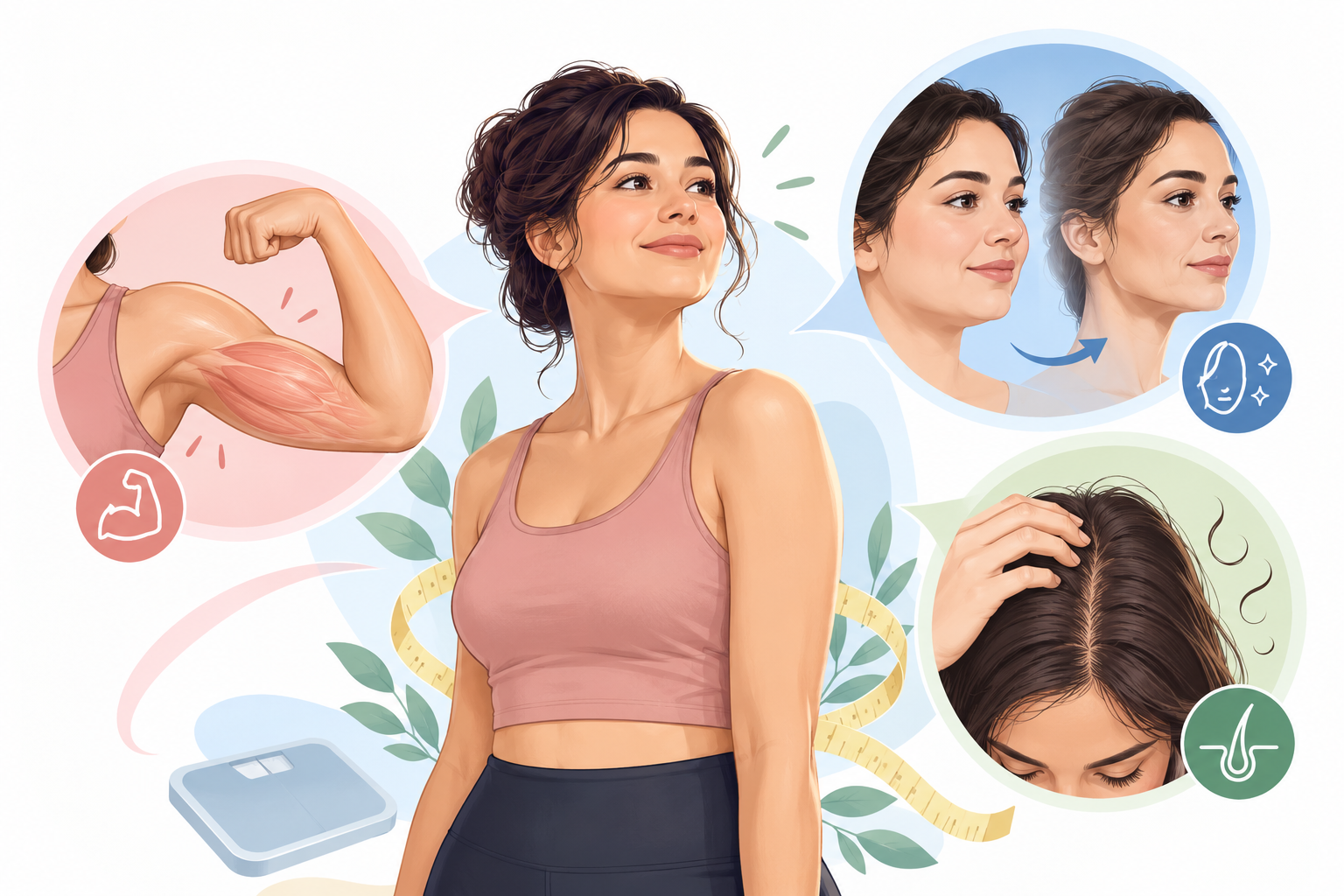
Some people notice reduced muscle mass, changes in facial appearance or increased hair shedding during treatment. These concerns can be unsettling, especially when the goal is to improve overall health and feel more confident in your body.
Understanding why these changes happen and how to recognise them can help you approach weight loss more effectively. Here is an overview of the three main concerns associated with GLP-1-assisted weight loss and where to find more detailed guidance.
Key Takeaways
|
Muscle Loss During GLP-1 Weight Loss
Weight loss involves losing body fat, but some loss of lean mass, which includes muscles and other non-fat tissues, can also occur. This is not unique to GLP-1 medications. It can happen with other forms of calorie restriction, particularly when weight loss is substantial or food intake becomes inadequate.
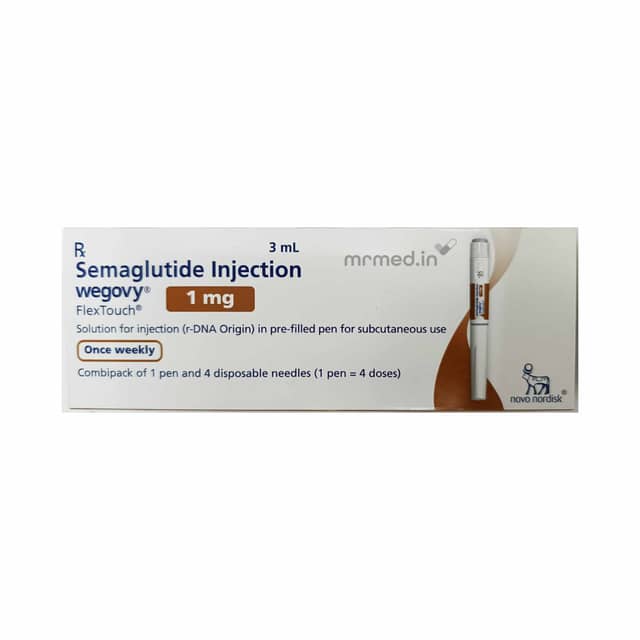
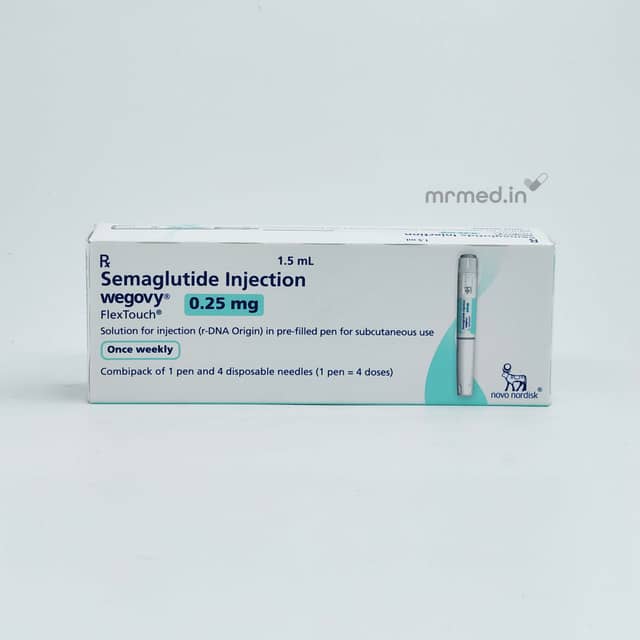
Medicines such as Ozempic and Wegovy contain semaglutide, which can reduce appetite and the amount of food you eat. If your body does not receive enough energy and nutrients, it may lose muscle alongside fat. This is why concerns about muscle loss on Ozempic, Wegovy, and GLP-1 muscle loss have become increasingly common.
Muscle plays an important role in strength, mobility, balance and everyday activities. Losing too much muscle can affect physical function and make it harder to maintain long-term weight loss.
Signs that may warrant attention include reduced strength, difficulty performing familiar physical activities and persistent muscle weakness.
However, these symptoms can have other causes, so they should not automatically be attributed to muscle loss. The goal is not simply to lose weight, but to improve body composition, meaning the balance of fat and lean tissue in your body. This approach is often called body recomposition.
You may have heard the term “Ozempic face” used to describe a face that appears thinner, less full or more hollow after significant weight loss. Although the name suggests a medication-specific effect, these changes can occur with weight loss from many causes.
It is also important to distinguish facial volume loss from dehydration or skin dryness. Reduced fluid intake, which can occur when appetite and thirst-related habits change, may affect how the skin looks and feels.
Loose skin after weight loss is another related concern. Its extent varies from person to person, and skincare alone cannot always prevent it.
Hair Loss During GLP-1 Treatment
Hair thinning is another concern reported by some people taking GLP-1 medications. It can be particularly worrying when it occurs alongside visible changes in weight or appearance.
One possible explanation is telogen effluvium, a temporary form of hair shedding that can occur after a significant physical change, including rapid weight loss. During this process, more hair follicles than usual enter the resting phase of the hair growth cycle, leading to increased shedding several weeks or months later.
Temporary shedding may improve as the body adjusts, but recovery varies. Persistent, severe or patchy hair loss deserves medical assessment rather than being assumed to be a normal part of weight loss.
Supporting Healthy Weight Loss While Taking GLP-1 Medications
Muscle loss, facial changes and hair shedding are not inevitable outcomes of GLP-1 treatment. They are also not necessarily signs that a medication is harming you. The reasons can differ between individuals, and several factors may contribute to more than one concern.
A few principles can help you approach treatment with your overall health in mind:
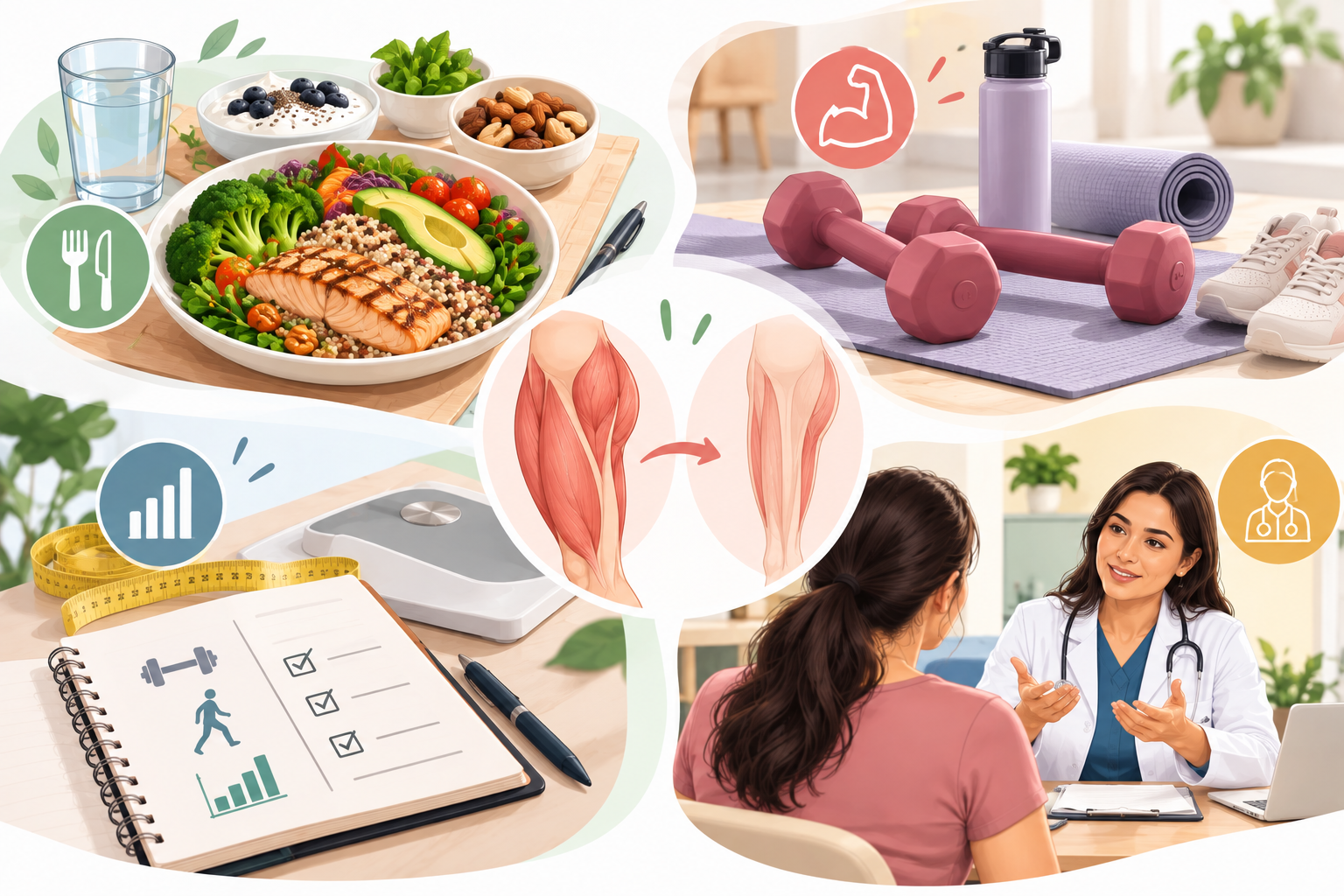
Focus on overall nutrition: Eating substantially less can make it difficult to meet your nutritional needs. Aim for balanced meals that provide adequate energy, protein, vitamins and minerals.
Pay attention to physical function: Changes in strength, stamina or your ability to perform daily activities are worth discussing with your healthcare professional.
Monitor changes over time: Notice persistent hair shedding, changes in skin condition or unexpected physical weakness rather than focusing only on weight.
Seek personalised advice: Your nutritional needs, exercise routine and treatment plan may need to be adjusted according to your health, age, rate of weight loss and medical history.
Do not stop or change your medication dose because of appearance-related concerns without speaking to your prescribing clinician.
FAQs
Q1. Can you lose muscle while losing weight on GLP-1 medications?
Yes. Some lean mass may be lost alongside body fat during weight loss. The amount varies between individuals and depends on factors such as the extent of weight reduction, nutritional intake, physical activity and overall health.
Q2. Does everyone taking Ozempic develop Ozempic face?
No. Facial changes vary depending on the amount of weight lost, age, genetics and skin elasticity. Some people notice reduced facial fullness, while others experience little visible change.
Q3. Is hair loss from semaglutide permanent?
Not necessarily. Hair shedding associated with weight loss may be temporary, but recovery depends on the underlying cause. Persistent or severe hair loss should be assessed by a healthcare professional.
Q4. How can I protect my skin and muscle mass while taking GLP-1 medications?
The approach depends on the concern. Adequate nutrition and appropriate physical activity can support muscle health, while skin care can help maintain hydration and protect the skin barrier. Consult the dedicated guides above for more details
Q5. Can GLP-1 medications cause loose skin after weight loss?
GLP-1 medications do not directly cause loose skin. However, significant weight loss during treatment can reduce the fat that supports the skin, making it appear looser or less firm. The extent of loose skin depends on factors such as age, genetics, skin elasticity and the amount of weight lost.
Read more:
References
Medical Disclaimer: This article is intended for general educational purposes and should not replace professional medical advice. GLP-1 medications should be used under appropriate medical supervision.














Comments