

How Diabetes Medications Support Blood Sugar Control Beyond Diet





Last updated on 11 Mar 2026
High blood sugar is often managed with medication, especially if diet and exercise changes have not been sufficient. Metformin, insulin, SGLT2 inhibitors, and GLP-1 receptor agonists can effectively manage blood glucose levels; however, each offers a different approach. All of these medications, when combined with a healthy diet and exercise regimen, can help decrease the risk of developing long-term complications from diabetes.
Key Takeaways
|
The Lancet Diabetes and Endocrinology in 2023 reported that India has 101 million people living with diabetes and 136 million with prediabetes, making it one of the highest-burden nations globally.
Managing diabetes typically needs lifestyle changes and diabetes medication. Diabetes medications help maintain stable blood sugar by improving how the body uses insulin, decreasing the amount of glucose produced by the liver, and increasing insulin sensitivity.
Today, there are many types of prescription medications available to manage type 2 diabetes, including oral and injectable options that help maintain stable glucose levels over time. Understanding how diabetes medications work will help patients and caregivers make informed choices about their treatment and overall diabetes management.
What Are Diabetes Medications?
Blood sugar control medications help keep blood sugar levels within a normal range for patients with diabetes. They help the body use glucose efficiently, thereby lowering the risk of complications such as heart problems, neuropathy, and kidney dysfunction.
Many patients with type 2 diabetes will develop insulin resistance (this is when the body is not able to use insulin properly) and need to be treated with medication by their physician to help control blood sugar, improve their sensitivity to insulin, stimulate the production of insulin from their pancreas and remove excess glucose from the blood.
How Diabetes Drugs Lower Blood Sugar?
Diabetes medications help to manage blood sugar levels by targeting specific mechanisms of action depending on the drug’s class.
These medicines control glucose levels in the body through several important processes, including:
Insulin secretion stimulation by the pancreas
Increased insulin sensitivity in the body
Decreased hepatic production of glucose
Delayed gastric emptying reduces the absorption of carbohydrates from the gastrointestinal tract.
Renal excretion of excess glucose
Each of these mechanisms allows medications to help stabilise blood glucose levels and assist patients in managing their diabetes.
What Medications Are Used When Diet Alone Doesn’t Control Diabetes?
Usually, the first method of treating diabetic patients is making alterations to their lifestyle; however, many patients require an additional level of medication once they have tried making lifestyle changes. Hence, many patients often question what types of medication will be prescribed if they do not achieve blood glucose level control through diet alone.
Type 2 diabetes medications can be classified as such:
Metformin
Sulfonylureas
DPP-4 inhibitors
SGLT2 inhibitors
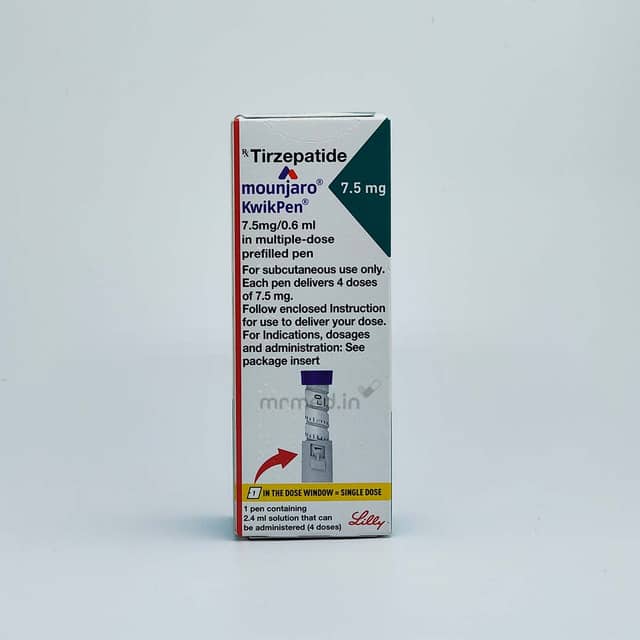
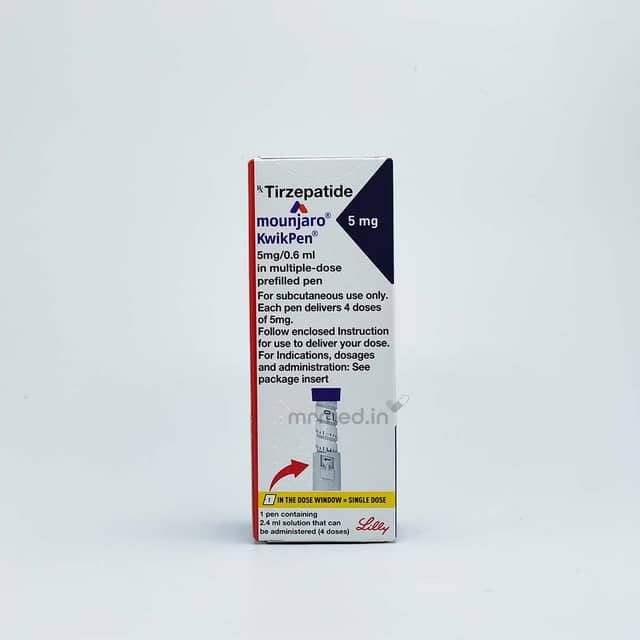
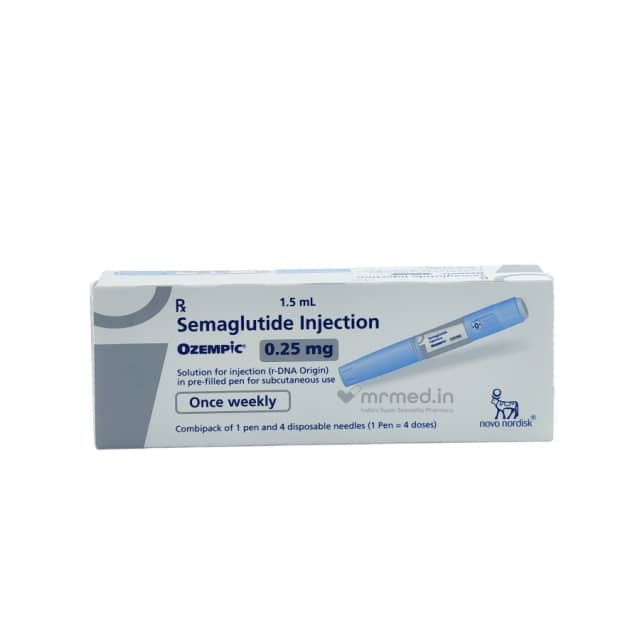
GLP-1 receptor agonists
Insulin
Depending on the health status of the patient, blood sugar levels, and the treatment goals of the patient, many patients can be prescribed multiple forms of type 2 diabetes medication.
.png "MrMed")
Common Types of Diabetes Medications
1. Metformin
Doctors typically prescribe metformin to patients with a new diagnosis of type 2 diabetes as their first medication to help regulate their blood glucose levels. It works by decreasing the amount of glucose produced by the liver and increasing the body's sensitivity to insulin.
The Benefits of Metformin Include:
Decreasing insulin resistance.
Reducing the amount of glucose produced by the liver.
Promoting normal blood glucose levels.
Reducing risks of weight gain.
Due to Metformin's proven effectiveness and safety record, it is recommended as the primary medication for individuals in the early stages of type 2 diabetes.
2. Insulin
For those who cannot produce sufficient insulin, using insulin to manage their blood glucose is vital. Insulin allows glucose to be transported from the blood into cells, where it is utilised as an energy source.
Insulin therapy is typically used by those with Type 1 diabetes, but is also available to those with Type 2 diabetes who are significantly and poorly controlled.
Insulin will:
Quickly decrease blood glucose levels
Help cells to touch and take in glucose via improved glucose uptake.
Reduce the risk of complications from elevated blood glucose levels
Promote overall metabolic health.
.png "mr med")
3. SGLT2 Inhibitors
New-generation diabetes medicines for blood sugar control, such as SGLT2 inhibitors, enable the body to eliminate excess glucose through urinary excretion; these medications prevent its reabsorption back into circulation in the kidney tubules.
Benefits associated with SGLT2 Inhibitors:
Lowered blood glucose concentrations
Assistance with controlling body weight
Decreased incidence of cardiovascular mortality in stratified groups of individuals (i.e., at-risk patients).
Protection of renal function.
These newer anti-diabetic drugs will offer additional benefits beyond controlling glucose levels and provide a clearer picture of how to use medications to achieve glycemic goals.
4. GLP-1 Receptor Agonists
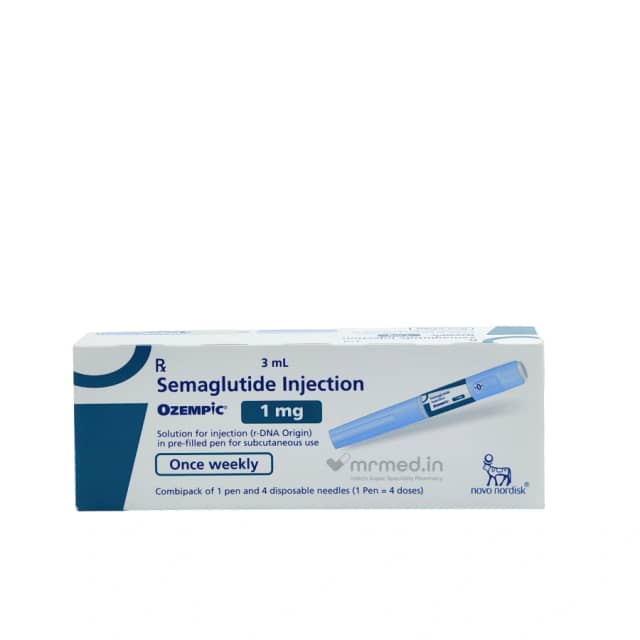
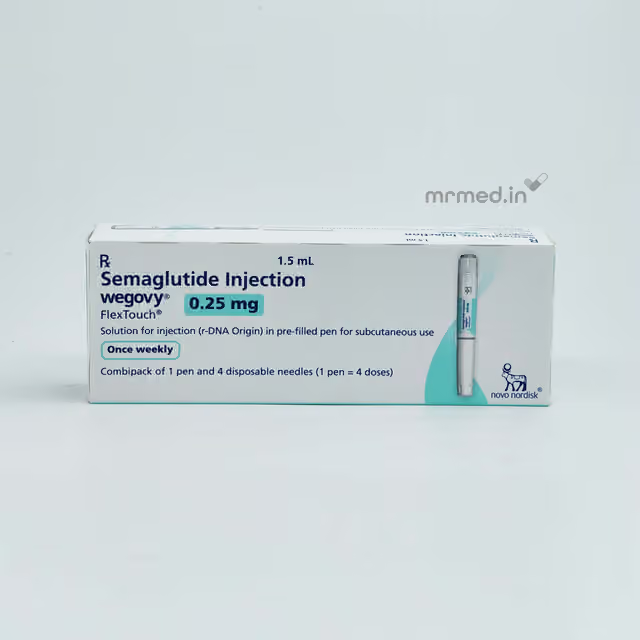
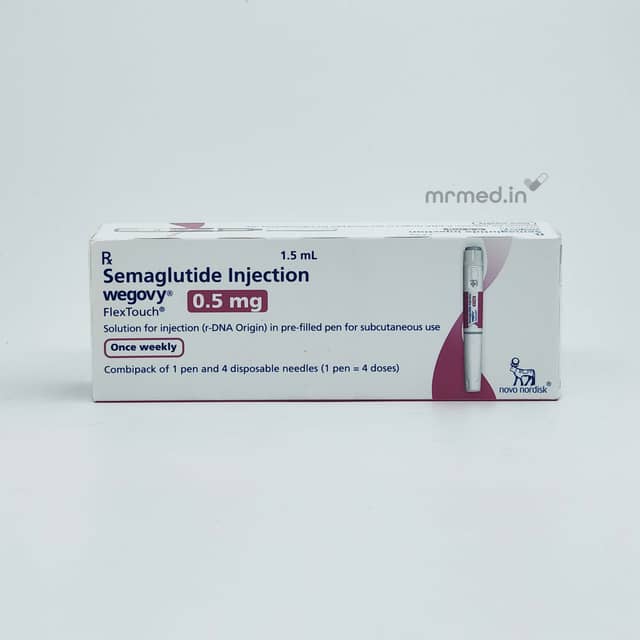
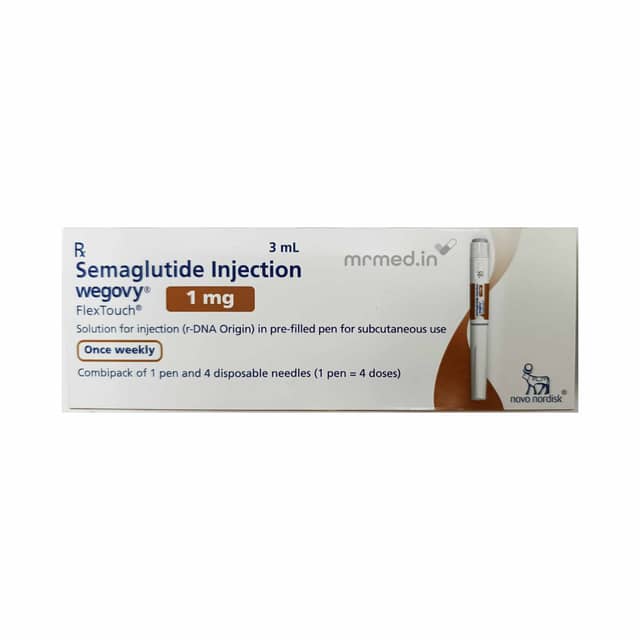
Another class of treatment includes GLP-1 receptor agonist medications used to manage diabetes. These act like an existing hormone that helps to manage blood glucose levels after eating.
GLP-1 medications can work in several ways:
Stimulate the pancreas to release insulin when glucose levels are raised
Slow the movement of food through the stomach to prevent sudden increases in blood glucose.
Decrease appetite and help with weight management.
Decrease the amount of glucagon produced by the liver.
The combination of these actions often makes GLP-1 receptor agonist medications the most effective treatment for those with type 2 diabetes who require additional metabolic support.
Benefits And Side Effects Of Diabetes Medications
.png "mr med")
People diagnosed with type 2 diabetes mellitus benefit from taking glucose management medications. The medications provide multiple advantages for managing type 2 diabetes Mellitus; however, they can also produce unwanted side effects for some users.
Benefits
Better blood sugar control
Less risk of developing complications related to diabetes
Increased energy & improved health
Improvements in metabolism
Possible side effects
Stomach discomfort
Some nausea
Increased urination with some medications
Low blood sugar from any of the diabetes medicines
Healthcare providers closely monitor patients to ensure the safety/efficacy of the patient’s current diabetes medication for controlling blood sugar.
Can Diabetes Medication Replace Diet?
People often want to know if they can use diabetes drugs instead of making dietary changes. Medications can help manage blood pressure, but healthy lifestyle choices remain important.
A balanced nutrition plan containing whole grains, fruits, vegetables, lean proteins, and healthy fats will help maintain stable blood sugar levels and improve overall health. Even the best medication for type 2 diabetes can only be effective when those who use it also make healthy dietary choices and engage in regular exercise.
What Are the Most Effective Medications for Type 2 Diabetes?
Indian guidelines in 2022 recommend early intensification of treatment, if HbA1c targets are not met within 3 months of starting metformin, a second agent (preferably an SGLT2i or GLP-1) should be added promptly.
The most effective medications for type 2 diabetes will vary from patient to patient due to unique needs (medical) & glucose levels. Metformin is usually the starting point when treating patients with diabetes to help them monitor their condition; unfortunately, metformin does not work for everyone. Therefore, many patients may require additional therapies, so doctors often use medications that perform these functions when prescribing other medications (e.g., SGLT2 inhibitors & GLP-1 analogues).
How do SGLT2 inhibitors and GLP-1 drugs work for diabetes?
As per Dr Anoop Misra & Dr V. Mohan et al., Diabetes Therapy 2022, the combination of SGLT2 inhibitors and DPP-4 inhibitors targets at least six of the eight pathophysiological defects in type 2 diabetes, making it a highly rational choice for the Asian-Indian patient.
SGLT2 inhibitors and GLP-1 medications both play a role in managing Type 2 diabetes mellitus by decreasing blood glucose levels in different ways. SGLT2 inhibitors increase the amount of glucose excreted by the kidneys into the urine. At the same time, the GLP-1 medications help regulate blood glucose levels by promoting the pancreas to secrete insulin, reducing the amount of glucose produced by the liver, and helping individuals feel satiated. All of these medications help the individual better manage their diabetic condition by improving control of their blood glucose levels.
Why Diabetes Medications Are Important?
People with diabetes must consistently keep their blood sugar within a target range. If blood sugar is not properly managed, it may rise to excessive levels, damaging blood vessels, nerves, and organs. Diabetes medication is designed to help a person balance their glucose levels, reduce complications associated with high blood glucose, and improve overall well-being.
By understanding how each type of diabetes medication works, people with DM will take an active role in managing their healthcare and treatment regimen.
Frequently Asked Questions
1. How do diabetes medications help control blood sugar?
Diabetes medications lower blood sugar by improving insulin sensitivity, increasing insulin production, reducing liver glucose production, or promoting the excretion of excess glucose in the urine.
2. What medications are used when diet alone doesn’t control diabetes?
Doctors may prescribe metformin, SGLT2 inhibitors, GLP-1 receptor agonists, DPP-4 inhibitors, sulfonylureas, or insulin therapy depending on the patient’s condition.
3. Does metformin lower blood sugar without insulin?
Yes, metformin for diabetes control reduces hepatic glucose production and improves insulin sensitivity without increasing insulin secretion.
What’s Worth Remembering?
Managing diabetes effectively consists of eating well, exercising regularly, and taking prescribed medications to keep blood sugar levels normal. If diet and exercise alone aren’t enough to control blood glucose, additional medications that lower blood glucose can be taken to help regulate blood sugar and reduce the chance of developing serious complications. Some diabetes medications include metformin, SGLT2 inhibitors, and GLP-1 receptor agonists. All these medications help improve the body’s ability to use glucose for energy and help a person with T2DM better manage their diabetes. When used in conjunction with healthy lifestyle habits and regular physician monitoring, these medications will help maintain normal blood glucose levels and support good overall health.
Read Also
References
World Health Organisation. Diabetes [Internet]. Geneva: World Health Organisation; [cited2026Mar9].Availablefrom: https://www.who.int/news-room/fact-sheets/detail/diabete
American Diabetes Association. Standards of care in diabetes—2024 [Internet]. Arlington (VA): American Diabetes Association; [cited 2026 Mar 9]. Available from: https://diabetesjournals.org/care
National Institute of Diabetes and Digestive and Kidney Diseases. Diabetes medicines [Internet]. Bethesda (MD): NIDDK; [cited 2026 Mar 9]. Available from: https://www.niddk.nih.gov/health-information/diabetes/overview/managing-diabetes/diabetes-medicines
Disclaimer: The content in this blog is for general informational purposes only and is not a substitute for professional medical advice, diagnosis, or treatment. Always consult your doctor or a registered dietitian before making any changes to your diet, especially if you have a medical condition or are taking prescribed medication. While the information is based on trusted sources, individual needs and results may vary. MrMed does not promote or endorse any specific food or treatment mentioned unless explicitly stated.














Comments