

How GLP-1 Medications Help Manage Type 2 Diabetes: Benefits, Safety & Real-World Results





Last updated on 02 Jan 2026
Key Takeaways
|
Type 2 diabetes is one of the most common health conditions in India. And while lifestyle changes are important, sometimes the body needs an extra helping hand to control blood sugar. That’s where GLP-1 for type 2 diabetes is making a real difference.
You may have already heard about weekly injections that help control sugar, reduce cravings, and even support weight loss. These medicines, called GLP - 1 diabetes medicines, are slowly becoming a preferred option for many people with diabetes, especially those who struggle despite tablets and diet.
Let’s know how they work and when they may be the right choice.
What Are GLP-1 Medications?
GLP-1 stands for glucagon-like peptide-1, a natural hormone your body releases after eating. It signals your pancreas to release insulin only when sugar levels rise. In people with diabetes, this system does not work well.
GLP-1 diabetes treatment copies this natural hormone so the body responds the way it should.
Common examples you may have heard of in India include:
Other antidiabetic injections from the GLP-1 family
These medications are injected either once daily or once weekly, depending on what the doctor prescribes.
How GLP-1 Lowers Blood Sugar
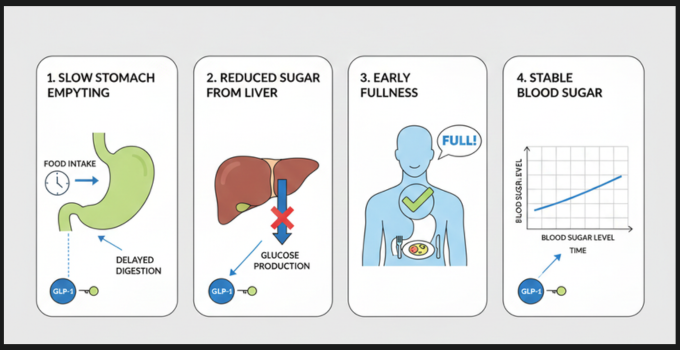
Here is what happens in your body after a GLP-1 dose:
Your body releases insulin after meals (not when sugar is normal)
Your liver reduces extra sugar production.
Your stomach empties slowly, which helps control sugar spikes after meals.
You feel full sooner, so you eat less.
This helps with glycemic control without frequent drops in sugar.
That’s why GLP-1 is seen as more natural than some older treatment options, as it lowers blood sugar.\
Dr Ambrish Mithal, an endocrinologist & diabetologist at MAX Hospitals Gurugram, cautioned that while GLP-1 Medicines (like semaglutide or tirzepatide) are powerful, they are not magic pills. Patients must maintain a balanced diet, adequate protein intake, and regular strength training to preserve muscle mass during weight loss.
GLP-1 vs Insulin for Type 2 Diabetes
Both play important roles, but in different ways.
Feature | GLP-1 Medications | Insulin |
Works with meals | Yes | Yes |
Natural insulin support | Yes | No external insulin added |
Helps with weight loss | Yes | No may cause weight gain |
Hypoglycemia risk | Lower | Higher |
Convenience | Once daily or weekly | Daily or multiple injections |
Doctors may combine both if needed, depending on diabetes control.
So, GLP-1 vs insulin for type 2 diabetes is not a competition; each supports the body differently.
Real-World Benefits of GLP-1 Medicines
People using GLP-1 injection for diabetes have reported several practical improvements.
The most recognised benefits:
Better blood sugar control throughout the day
Reduced appetite and cravings
Support for sustainable weight loss
Lower risk of heart attack and stroke in many patients
More stable energy and fewer sugar swings
The biggest plus? Most people need only one injection a week when prescribed a weekly GLP-1.
GLP-1 for A1C Reduction: Why It Matters
A1C is a blood test that shows sugar control over three months. Poor A1C can lead to heart disease, nerve problems, kidney failure, and eye issues.
GLP-1 medicines significantly lower A1C, especially when tablets alone are not enough. Doctors consider it one of the most effective tools in modern glycemic control.
This is why many people now ask their doctor, “What is the best GLP-1 medicine for diabetes for me?”
The answer always depends on:
Current A1C numbers
Weight concerns
Previous treatments tried
Your doctor will choose what best fits your health goals.

As per a PubMed-published article (2025) comparing GLP-1 agents, Tirzepatide may reduce HbA1c and body weight more than some earlier GLP-1 medicines, offering potentially greater benefit for some patients.
Safety and Side Effects: What You Should Know
GLP-1 medicines are considered highly safe, but like any treatment, side effects can occur.
Most common early effects:
Mild nausea
Bloating
Temporary change in bowel habits
These typically reduce as your body adjusts.
Doctors usually:
Start with a lower dose
Slowly increase it
Suggest taking it with small meals.
Immediate medical attention is needed only if symptoms such as severe stomach pain occur; this is rare but must be assessed promptly.
People with a history of pancreatitis or certain thyroid issues may require extra evaluation before starting treatment.
Who Should Consider GLP-1 Diabetes Treatment?
Your doctor may recommend a GLP-1 if:
Tablets do not control sugar
You are overweight or obese.
You have heart risk factors or fatty liver disease.
You get frequent sugar spikes after meals.
For many, GLP-1 medicines serve as a turning point in better diabetes management.
GLP-1 Diabetes Medicines and Weight Support
While the main purpose is diabetes treatment, many patients observe:
Better portion control
Reduced emotional eating
Gradual, healthy fat reduction

This can improve insulin resistance and overall well-being over time.
Incretin Therapy Diabetes: The Science Behind the Support
The term incretin therapy for diabetes simply means medications that mimic the body’s natural incretin hormones, like GLP-1.
Because they work only when sugar is high, they provide smart, targeted control rather than constant forced insulin release.
This results in:
Fewer sugar crashes
Improved daily confidence in managing diabetes
Real-World Success Stories: What Patients Report
Across India, people using GLP-1 medicines describe:
More freedom with food choices (with limits)
More confidence during travel and social events
Better lifestyle motivation because they feel progress
Healthcare professionals also report fewer emergency department visits for high-sugar episodes among patients with stable GLP-1 use.
In The Indian Express, Chennai-based diabetologist Dr V. Mohan said My patient, Latha, had Type 2 diabetes and was on daily insulin shots. Her body weight was well above the normal range. Usually, Type 2 diabetes patients can use both insulin and GLP-1 medicines, and combining them is a common and effective treatment strategy. But once she was on GLP-1 therapy, she didn’t need insulin anymore. She had better blood sugar control, experienced weight loss and had a reduced risk of hypoglycemia or blood sugar plunges.
FAQs
1. Are GLP-1 medications safe for type 2 diabetes?
Yes. GLP-1 diabetes medicines are considered safe when prescribed by a doctor. Some people may experience mild nausea or stomach discomfort initially, which usually settles as the body adjusts. Regular follow-ups help ensure the treatment suits your health needs.
2. Do GLP-1 injections help with weight loss?
Yes. GLP-1 injection for diabetes slows digestion and reduces appetite, which supports healthy weight loss. This can improve insulin sensitivity and help with better glycemic control when combined with diet and physical activity.
3. When should a doctor recommend GLP-1 for type 2 diabetes?
Doctors may suggest GLP-1 for type 2 diabetes when tablets alone are not managing sugar levels, or when weight gain, heart disease risks, or high A1C continue despite treatment. It is commonly suggested for people struggling with lifestyle changes.
4. How fast do GLP-1 medications work?
Improvement in blood sugar may be seen within the first few weeks, but A1C changes usually take around three months. Doctors start with a lower dose to reduce side effects and gradually adjust based on progress.
5. Can GLP-1 replace insulin in type 2 diabetes?
Not always. GLP-1 vs insulin for type 2 diabetes depends on how well the pancreas still produces insulin. Many people start with GLP-1 before insulin. Some may need both medicines together to achieve better blood sugar control.
6. What lifestyle should be followed while taking GLP-1 injections?
A balanced diet, regular physical activity, reduced sugar intake, good sleep, and hydration enhance treatment outcomes. Avoid overeating high-fat food to minimise stomach discomfort in the early weeks.
7. Are GLP-1 diabetes Medicines available in India?
Yes, GLP-1 medications such as semaglutide for diabetes and tirzepatide for diabetes are available in India by prescription. These antidiabetic injections should be purchased only from licensed pharmacies with guidance from a diabetes specialist.
8. How GLP-1 lowers blood sugar
GLP-1 medicines help release insulin only when blood sugar is high and slow digestion, preventing sharp rises after meals. They also reduce excess sugar production in the liver, supporting steady glucose levels with a lower risk of lows.
9. Best GLP-1 medicine for diabetes
There is no single best GLP-1 because the right choice depends on A1C goals, weight needs, health conditions, and dosing preference. Your clinician selects the option that fits your treatment plan and daily routine.
Final Thoughts
Diabetes can feel overwhelming, especially when numbers don’t improve despite so much effort. GLP-1 for type 2 diabetes offers a modern approach that supports the body naturally with benefits that go beyond lowering sugar.
If you think GLP-1 treatment could help you, the best next step is a conversation with your doctor. They will review your condition, past treatments, weight goals, and heart health before deciding the right plan for you.
Remember: You’re not managing diabetes alone. With the right tools and support, better days are absolutely possible.
Read Also
References
Rajput R, Sinha B, Lodha S, Deb P, Das S, Agarwal S, et al. GLP-1 Receptor Agonists Critical Review: Revisiting Its Positioning for Type 2 Diabetes Mellitus in Routine Clinical Practice in India. Clin Diabetol. 2022;11(4):269–93
CDSCO approves Danish drugmaker Novo Nordisk's injection for Type 2 diabetes patients CDSCO approves Danish drugmaker Novo Nordisk's injection for Type 2 diabetes patients
Ray S, Bhansali A, et al. Efficacy and Safety of Oral Semaglutide in Managing Type 2 Diabetes: Indian Clinical Experience. Clin Diabetol. 2024
Erukulapati RS, et al. Approach to a Newly Diagnosed Adult with Type 2 Diabetes Mellitus: Role of GLP-1 Receptor Agonists. Clin Diabetol. 2023;12:
Kalra S, Kalra B. A Review on Semaglutide: An Oral Glucagon-Like Peptide-1 Receptor Agonist for Type 2 Diabetes Mellitus. Diabetes Ther. 2020 Jul 28;11(9):1965–1982. doi: 10.1007/s13300-020-00894-y
Disclaimer: The information shared in this blog is meant for general educational purposes only and should not be taken as medical advice. Always consult a qualified healthcare professional for diagnosis, treatment, or medical guidance related to your health. The content is based on reliable sources, but it may not be suitable for every individual’s condition. We do not assume responsibility for any actions taken based on this information. Readers are encouraged to exercise caution and use their discretion when making healthcare decisions.











Comments