

Oral Tablets vs. Injections Semaglutide: Understanding Your Choices





Last updated on 12 Jan 2026
|
Obesity medications are no longer only talked about amongst those who work in weight loss clinics; they are becoming much more commonly talked about within society today. A lot of people are curious to know about semaglutide, specifically its effectiveness compared to taking it via pill versus injection. Some find pills to be the simplest option, while others prefer injections due to their longer history of use. Knowing the difference between the two methods can help make a better, more informed decision.
What Semaglutide Does Inside the Body
Dr Ambrish Mithal, Chairman & Head, Endocrinology & Diabetes, Max Healthcare, New Delhi. He explained that GLP-1 drugs mimic a natural hormone that increases insulin and enhances satiety, and that they were originally diabetes medicines but are now crucial in managing both diabetes and obesity. He cautions they are powerful medical tools, not cosmetic shortcuts.
Like any medication, GLP-1 treatments require a doctor's supervision.
Semaglutide is a medicine that helps control hunger and slows how quickly food leaves the stomach after eating.
This reduces food cravings and helps people manage portion sizes more easily.
It also helps maintain steadier blood glucose levels.
Because of these effects, semaglutide is used for diabetes management and weight loss support.
Both oral semaglutide and injectable semaglutide are available as treatment options.
People choosing semaglutide for weight management often compare oral vs injection based on effectiveness and lifestyle convenience.
How Tablets and Injections Are Taken
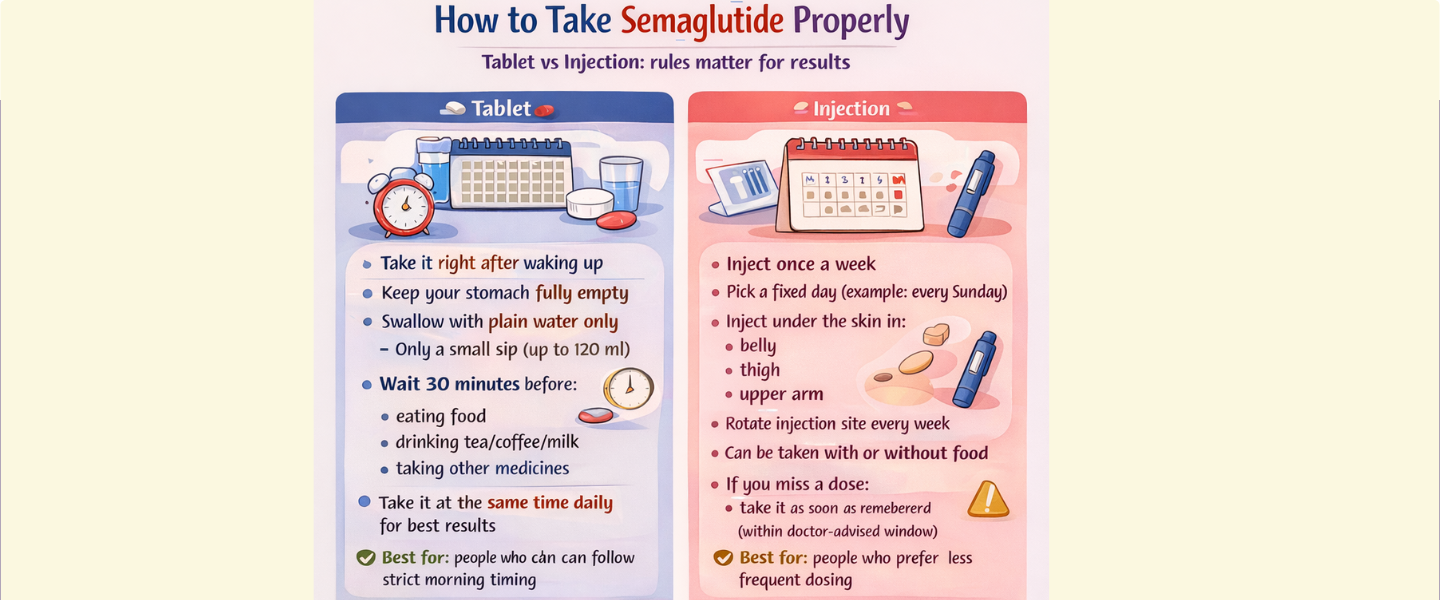
The way semaglutide enters the body differs greatly between tablets and injections.
For semaglutide tablets, patients must follow strict intake rules to ensure absorption:
Take the first dose immediately after waking up
Take it on an empty stomach
Use only a small amount of water
Do not eat or drink anything for at least 30 minutes after taking the tablet
This specific regimen helps achieve the maximum absorption rate for oral semaglutide.
Many patients prefer semaglutide injections because:
It is usually taken once a week instead of daily
It does not require strict timing with food or drinks
It fits more easily into day-to-day routines
Most patients can learn to self-inject semaglutide with minimal training.
Choosing between oral semaglutide and injectable semaglutide for weight loss depends on lifestyle fit, convenience, and personal preference.
Frequency and Daily Commitment
You need to administer daily tablets as directed to get the most benefit from them; failure to do so will directly affect weight loss. People who are more likely to remember to take their injections weekly will have a clearer understanding of the effect of semaglutide on their weight loss. The quicker and more stable results seen in clinical trials are largely attributed to this advantage for people who have difficulty with a daily schedule when taking their medications and for people who prefer the convenience of weekly injections.
Absorption and Effectiveness
When comparing oral and injectable routes for semaglutide relating to how effectively they work; when you inject semaglutide, it goes directly into the bloodstream; therefore, your body will have access to a higher concentration of semaglutide at one time than if you took oral semaglutide, which must first go through the digestive tract before being absorbed into the bloodstream and distributed around your body.
This is particularly important for those wondering if oral semaglutide provides the same benefits as injection semaglutide.
The level of adherence to the medication regimen, the prescribed dosage amounts, and each person's individual reaction to the medication will determine whether oral semaglutide works similarly to injectable semaglutide.
Weight Loss Expectations
Many individuals inquire about how quickly weight loss occurs. Non-diabetic individuals using oral semaglutide for weight loss may experience some appetite suppression within a matter of weeks and then continue to lose weight slowly for a number of months.
This is why there is no definitive answer to the question "Does Oral Semaglutide Have Any Advantages over Injectable Semaglutide In Terms of Weight Loss?" Effectiveness will ultimately depend on individual factors such as body type and routine, as well as one's ability to tolerate the medication.
Side Effects and Tolerance
According to the National Institutes of Health 2024, GLP-1 receptor agonists slow gastric emptying, increase insulin secretion, and reduce appetite by acting on gut-brain signalling pathways. Tirzepatide additionally targets the GIP receptor, which may enhance satiety and metabolic effects in some patients.
Common side effects of both forms of semaglutide (oral and injection) include nausea, feeling full, bloated, or mild gastrointestinal upset, particularly with the first dose increase of either form. For some, the injections may cause fewer gastrointestinal disturbances than the oral form; conversely, some people may find the oral form gentler than injections.
Individual differences such as this help determine which semaglutide weight-loss brand is considered the best.
Storage and Practical Use
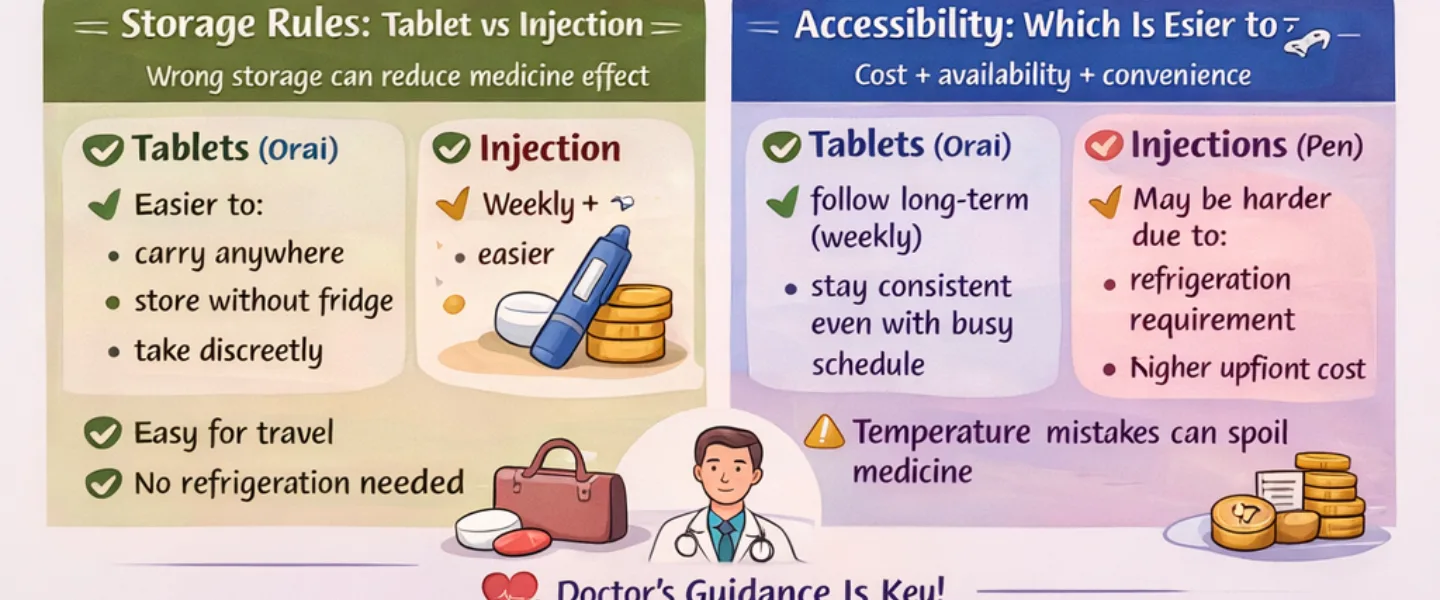
Tablets are easier to store and transport. For injectable medications, refrigeration is usually required before the first injection. This can cause difficulty for the travelling public.
People interested in buying semaglutide online tend to consider storage/handling factors in their purchasing decisions.
Cost and Availability Considerations
There is a price difference between Semaglutide tablets and Semaglutide injections based on brand name, dose, and available supplies. While Tablets like Rybelsus might seem cheaper at first glance, paying for them every day can become expensive. On the other hand, Semaglutide injections may initially appear more costly but are given once a week.
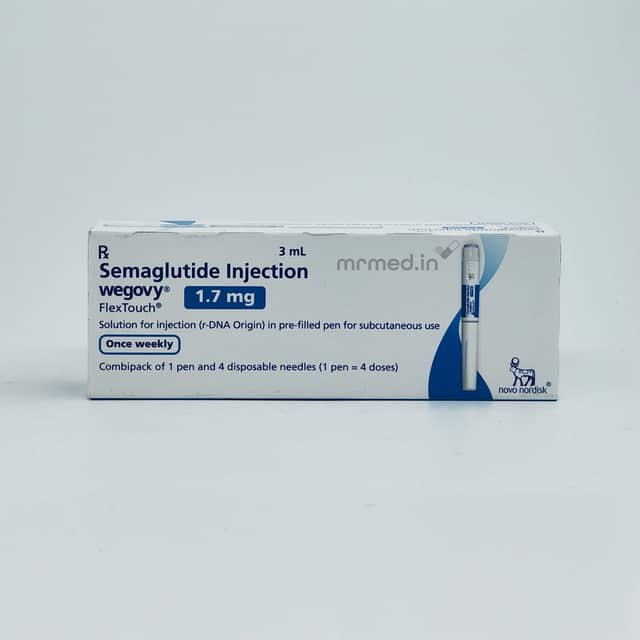
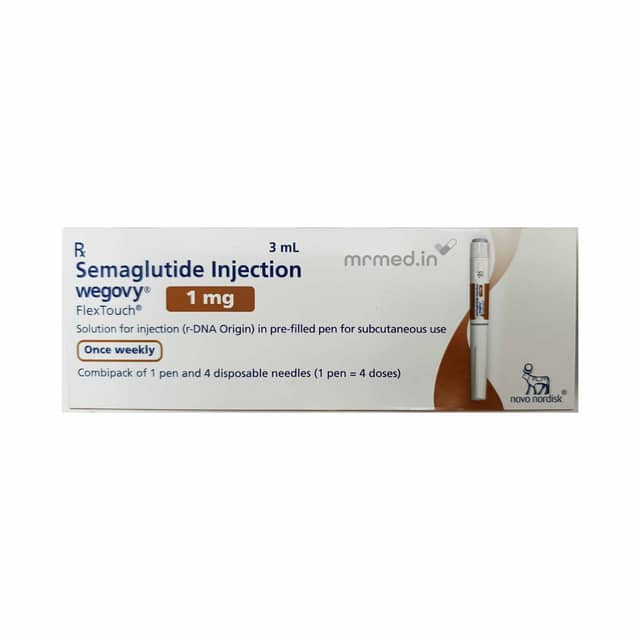
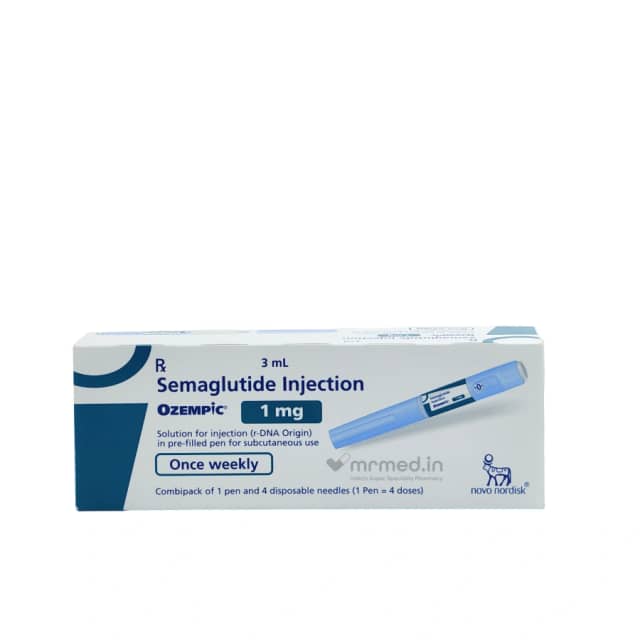
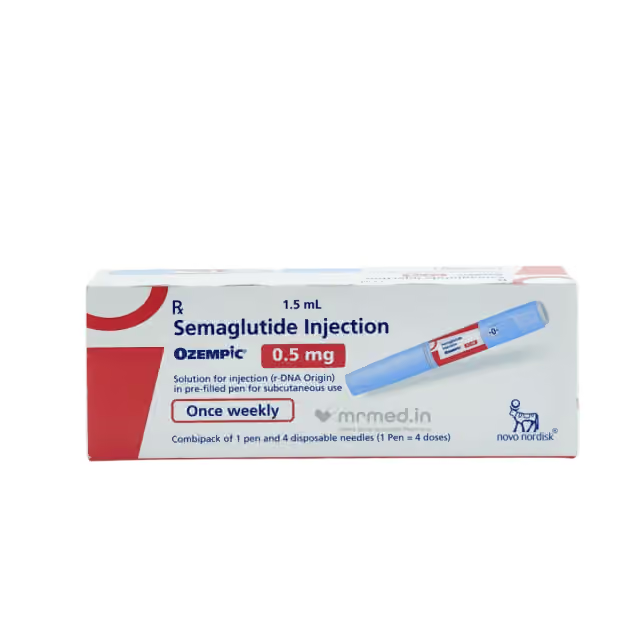
Recently, there has been a lot of interest surrounding oral Wegovy and the Wegovy Pill; this interest has increased further with the announcement regarding the launch of oral Wegovy in India in 2026. Until launch, injectable options such as Wegovy Injection and Ozempic Injection continue to establish the market better than oral options.
There are many people confusing GLP-1 Pill pricing with GLP-1 injectable pricing; however, like other drugs, pricing will likely change based on availability and government regulations.
Switching Between Forms
Often, patients seek advice, asking whether it is possible to transition from injectable Semaglutide to oral Semaglutide. In certain instances, it may be done with medical supervision. It will be necessary to adjust the dosage of this medication and to monitor the patient to ensure the treatment remains effective and does not cause any side effects.
Adapting this type of flexibility for patients gives them the option to continue their treatment plan, even as their lifestyle or ability to tolerate certain medications may change.
Regulatory Approval and Safety
According to WebMD, the FDA approved once-daily semaglutide for adults with obesity or who are overweight with weight-related health conditions, to be used alongside diet and exercise to help lose weight and maintain it.
Injectables have been approved before oral tablets and have the most data regarding their long-term effectiveness, whereas Tablets have only been approved with more regulated usage instructions. The difference in approval from the FDA factors into why Injectable is the most common First-Line Therapy for Weight Loss.
Final Thoughts
When deciding whether to use tablets or injections as your treatment option, remember that the question is not which is better overall, but which would be best suited for your needs. For example, some individuals may enjoy a daily regimen of conditioner whereas others may find it easier to follow a weekly schedule. Either way, both tablets & injections are effective tools to aid in weight loss when taken as recommended, in conjunction with a healthcare professional's guidance.
Understanding the differences between these approaches allows you to establish your goals for losing weight and will help avoid potential disappointment throughout the process of losing weight.
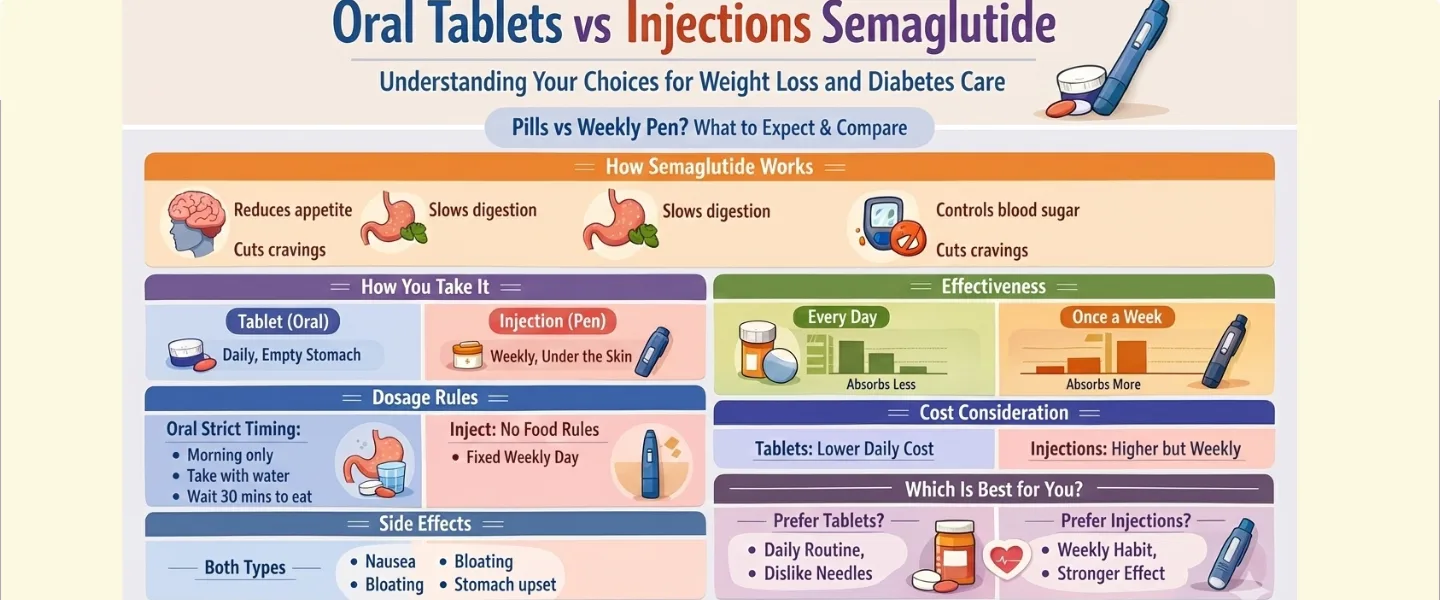
Simple Comparison Table: Oral Tablets vs Injections (Semaglutide)
Feature | Oral Semaglutide (Tablet) | Injectable Semaglutide (Injection) |
Administration | Swallowed tablet | Injected under skin (pen) |
Frequency | Daily | Weekly |
Dosing Rules | Must be taken empty stomach + water only + wait 30 mins | No food timing rules; fixed weekly day |
Bioavailability (Absorption) | Lower absorption (less medicine enters body) | Higher absorption (more reliable effect) |
Effectiveness | Good results if taken correctly | Often stronger average weight-loss results |
Common Side Effects | Nausea, acidity, bloating | Nausea, fullness, constipation/diarrhoea |
Storage | Easy to store and carry | Refrigeration needed before first use (usually) |
FAQs
1. What is the main difference between semaglutide tablets and injections?
While injections have a once-weekly schedule and can typically be followed without too many restrictions, tablets are always scheduled on a daily basis and have a higher rate of compliance with that schedule.
2. Which works better for weight loss: oral tablets or injections?
Injection medication generally produces a higher percentage weight loss as a result of more effective absorption; however, tablets that are taken at the correct time and dosed according to prescription may also produce significant weight loss.
3. Is oral semaglutide as effective as injection?
Not necessarily. Because of the lower absorption rates of tablets, weight loss results could be somewhat less than injection results if the dosing instructions are not adequately adhered to.
4. How fast will I lose weight on oral semaglutide?
The majority of patients experience improvements in appetite after using prescription weight-loss medication for several weeks, and the most substantial visual changes in a patient’s appearance associated with the medication may not be noted until between 1 – 3 months, and they continue to increase until approximately 6 months post-treatment.
5. Can oral semaglutide be used for weight loss in non-diabetics?
The prescribing doctor takes into consideration several factors, including the patient’s BMI, concurrent health problems, and other conditions to determine if the use of a prescription weight-loss medication is appropriate.
6. What are the common side effects of oral semaglutide and injections?
Both types of medication can produce nausea, vomiting, acid regurgitation, bloating, constipation or diarrhea, particularly when initiating therapy or increasing the dosage.
7. Which is easier to use for long-term treatment?
Injections are often the preferred choice for many people because they are administered once a week; however, tablets have to be taken each day at the same time of day and therefore require more discipline to take correctly.
8. Can I switch from injectable semaglutide to oral tablets?
There is a possibility of switching from one form of drug to another; however, switching should be done according to your physician's guidance to avoid potential side effects or to prevent the loss of therapeutic effectiveness.
9. Is it safe to buy semaglutide online in India?
You should only obtain medications from a licensed pharmacy that has received a valid prescription. Do not order from web sites you do not know, as counterfeit medications are widespread and can be dangerous to consume.
10. Which semaglutide option is best for me?
The option that is best for you will be determined based on your weight-loss goals and budget, your medical history, your ability to tolerate side effects associated with each medication class, and your ability (or preference) to adhere to the regimen of taking tablets as prescribed versus receiving weekly injections.
Read Also
References
Disclaimer: The content in this blog is for general informational purposes only and is nota substitute for professional medical advice, diagnosis, or treatment. Always consult your doctor or a registered dietitian before making any changes to your diet, especially if you have a medical condition or are taking prescribed medication. While the information is based on trusted sources, individual needs and results may vary. MrMed does not promote or endorse any specific food or treatment mentioned unless explicitly stated.














Comments