

How Romiplostim Works: Understand Platelet Production and Chemotherapy-Induced Thrombocytopenia





Last updated on 24 Mar 2026
Romiplostim increases platelet production by stimulating bone marrow production and is therefore very useful for the management of chemotherapy-induced thrombocytopenia (decreased platelet count due to chemotherapy) caused by bone marrow suppression, thereby reducing the risk of bleeding complications.
Key Takeaways
|
Bruising easily, frequent nosebleeds, or bleeding gums during cancer treatment can feel alarming. These are often signs of thrombocytopenia, a condition where your platelet count drops below normal. Platelets are essential for blood clotting, and without enough of them, even minor injuries can lead to excessive bleeding.
One of the most effective options for thrombocytopenia treatment is Romiplostim injection, a medication that increases platelet levels. But how exactly does it work, especially in cases of chemotherapy-induced thrombocytopenia?
Let’s go into More Detail about this.
What Is Thrombocytopenia And Why Does It Matter?
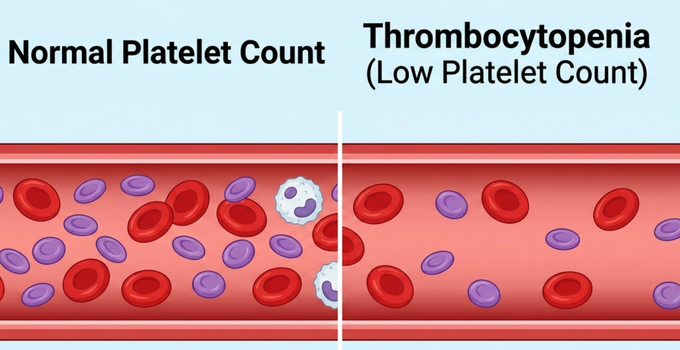
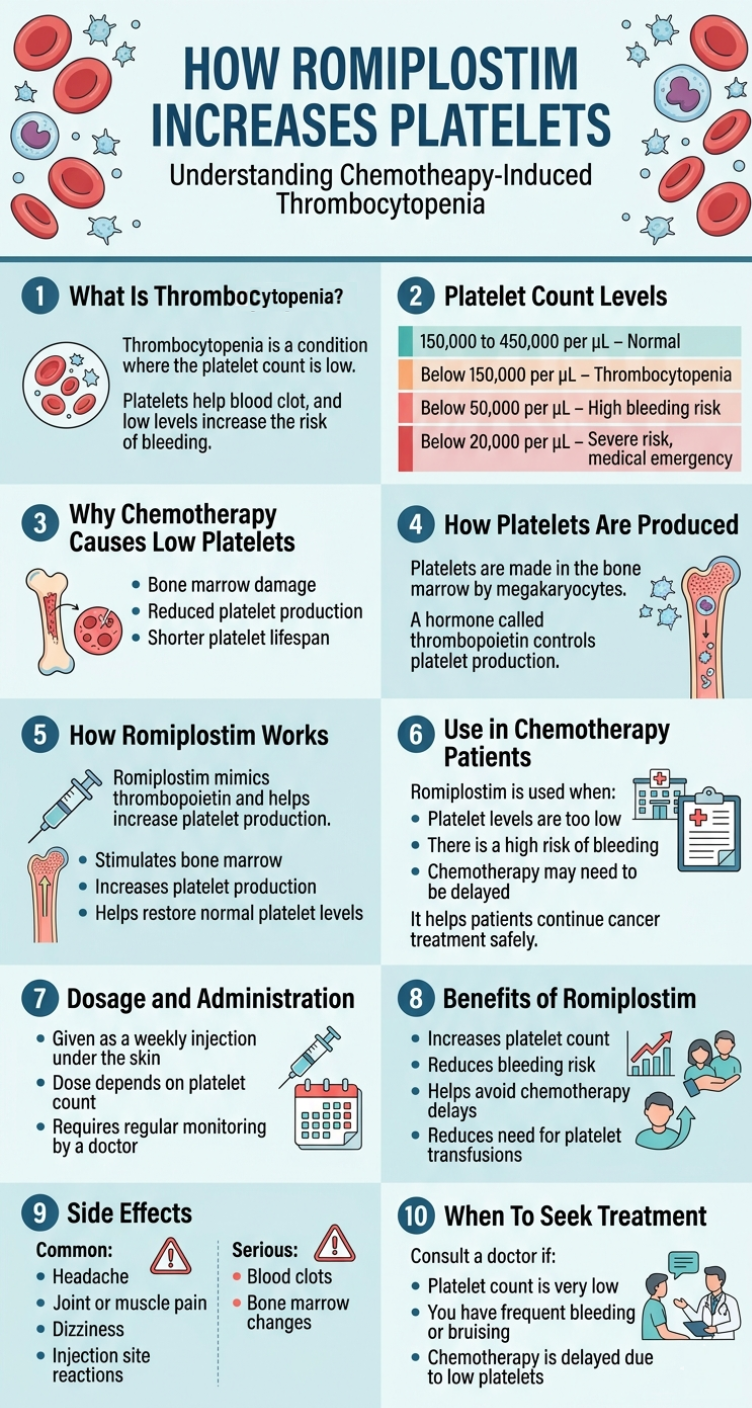
Thrombocytopenia is a condition associated with an abnormally low platelet count in the blood. Platelets play a crucial role in the body’s ability to stop bleeding by forming clots; therefore, having low levels of platelets will increase your risk for developing serious bleeding problems.
Normal vs Low Platelet Count:
Platelet Count | Meaning |
150,000 to 450,000/µL | Normal |
Below 150,000/µL | Thrombocytopenia |
Below 50,000/µL | Increased risk of bleeding |
Below 20,000/µL | Severe risk, medical emergency |
Having a low count of platelets can create complications while running/doing treatments for Cancer or possibly hindering your health as a whole. It is important to treat Thrombocytopenia, as it has affected the timing.
What Causes Thrombocytopenia During Chemotherapy?
Chemotherapy works by killing off rapidly growing cells, like those found in most forms of cancer; unfortunately, this is also the way that chemotherapy damages healthy cells that make platelets inside the bone marrow.
One of the key reasons why chemotherapy causes fewer platelets:
Bone Marrow Cell Damage
Decreased Production of Platelets
Platelet Life Span Is Less
Fewer platelets lead to chemo-induced thrombocytopenia, a common side effect of chemotherapy that may lead to treating your cancer differently than anticipated based on these factors.
How Platelet Production Works And How Romiplostim Helps Increase Platelets
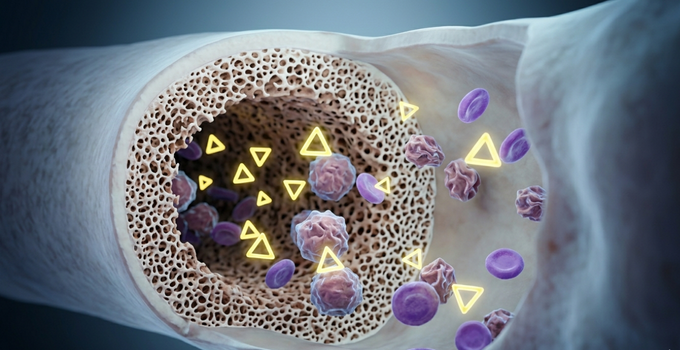
Platelet formation occurs in the bone marrow by large cells called megakaryocytes. A hormone called thrombopoietin regulates platelet production by signalling the body to generate more platelets as needed. During chemo, however, this system can often be impaired, leading to reduced platelet production and the subsequent development of thrombocytopenia.
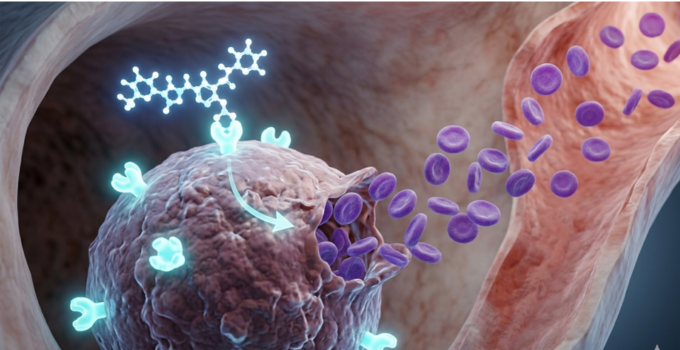
Romiplostim is critical in these circumstances. It mimics the effects of thrombopoietin, thereby stimulating the body’s own ability to restart platelet production. Romiplostim binds to specific receptors in the bone marrow and stimulates megakaryocytic development, followed by increased platelet production.
Romiplostim:
Signals bone marrow to increase platelet production
Increases production of platelets (when the body is unable to do so effectively)
Helps restore normal levels of platelets in patients with thrombocytopenia
Romiplostim enhances the body’s natural mechanism for producing platelets, resulting in improved platelet counts and supporting patients undergoing chemotherapy-induced thrombocytopenia treatment. (e.g., chemotherapy).
How Is Romiplostim Used In Chemotherapy-Induced Thrombocytopenia?
As physicians treat patients with romiplostim for low platelets after undergoing chemotherapy, romiplostim has become an important therapeutic option for these patients. A physician may use romiplostim in cases where a chemotherapy patient's platelet levels are too low to continue treatment, when a patient is at risk for bleeding, or when other possible therapies are unsuccessful. Romiplostim provides an additional therapeutic option for the management of thrombocytopenia associated with chemotherapy in order to allow patients to continue with chemotherapy with little interruption.
What Is The Recommended Romiplostim Dose In Chemotherapy-Induced Thrombocytopenia?
The romiplostim dose in chemotherapy-induced thrombocytopenia related to cancer treatment will differ from patient to patient based on each individual's situation. Romiplostim is administered as a subcutaneous injection (injected under the skin). In most cases, the injection is given weekly; however, the dose administered will vary based on the patient's response (measured via platelet count).
The physician closely monitors the platelet count to ensure the treatment remains both safe and effective.
What Are The Benefits Of Romiplostim In Thrombocytopenia Treatment?
There are several benefits of romiplostim in managing low platelet levels.
Some key benefits are:
It increases platelets effectively.
It reduces the chance of bleeding.
It helps not to delay chemotherapy.
It decreases the need for platelet transfusions.
Thus, romiplostim is an important option in the treatment of chemotherapy-induced thrombocytopenia.
How To Manage Chemotherapy-Induced Thrombocytopenia?
Patients are frequently interested in the optimum ways to control chemotherapy-related thrombocytopenia. Typical Treatments Include:
Medications (such as romiplostim)
Platelet transfusions (if severe)
Dosing changes to be made to chemotherapy
Steps taken to limit injuries or risk of bleeding
A combination of medical care and lifestyle precautions is usually required.
What Are The Possible Romiplostim Side Effects?
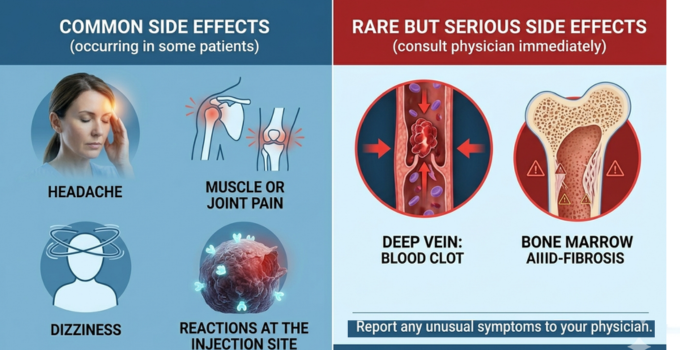
As with any drug, romiplostim may have side effects; this does not occur in all patients, but it can occur.
Commonly reported side effects of romiplostim include:
Headache
Muscle or joint pain
Dizziness
Reactions at the injection site
Rare but serious side effects of romiplostim include:
Changes to your bone marrow
Any unusual symptoms experienced should always be reported to your physician.
When Should You Consider Treatment For Low Platelet Count?
Treatment is necessary when platelet levels drop significantly or symptoms appear.
You will need to consider treatment for thrombocytopenia if:
Your platelet count is extremely low
You are having problems with excessive bleeding or bruising
You have been unable to receive needed chemotherapy because of low platelets
Early treatment can reduce the chance of complications and improve your chances of recovery from thrombocytopenia.
FAQs
1. What is the romiplostim mechanism of action?
Romiplostim mimics thrombopoietin and stimulates the bone marrow to increase platelet production.
2. What are the 4 T's of thrombocytopenia?
The 4 T’s are Thrombotic, Thrombocytopenic, Timing, and Other causes, used to assess certain conditions like HIT.
3. How does romiplostim increase platelet count?
Yes, romiplostim increases platelet count by stimulating platelet production in the bone marrow.
4. When is romiplostim used for low platelet count?
It is used when platelet levels are very low or when other treatments are not effective.
5. Is romiplostim chemotherapy or immunotherapy?
Romiplostim is neither chemotherapy nor traditional immunotherapy; it is a platelet growth factor.
6. What are the romiplostim contraindications?
It should be used cautiously in patients with a history of blood clots or certain bone marrow disorders.
7. Which drugs stimulate platelet production during chemotherapy?
Drugs like romiplostim and eltrombopag are commonly used to stimulate platelet production during chemotherapy.
What's Worth Remembering?
Managing thrombocytopenia during therapy for malignancies has become increasingly feasible, as has maintaining or increasing platelet counts with different routes of administration and pharmacologic agents. Patients receiving chemotherapy gain confidence in these options upon understanding the mechanisms of action by which romiplostim enhances platelet production.
Romiplostim is one of several drugs that stimulate platelet production and thereby contribute to higher platelet counts, reduced bleeding risk, and the seamless continuation of the patient's therapy. It is a safe and effective treatment for thrombocytopenia when used properly and under close follow-up by a healthcare provider.
Read also
References
Parameswaran R, Lunning M, Mantha S, Devlin S, Hamilton A, Schwartz G, et al. Romiplostim for the management of chemotherapy-induced thrombocytopenia. Support Care Cancer. 2014;22(5):1217–22. Available from: https://pubmed.ncbi.nlm.nih.gov/24414994/
Kuter DJ. Thrombopoietin receptor agonists for chemotherapy-induced thrombocytopenia: a new solution for an old problem. Blood Adv. 2022. Available from: https://pmc.ncbi.nlm.nih.gov/articles/PMC9821429/
Bussel JB, Soff G, Balduzzi A, Cooper N, Lawrence T, Semple JW. A review of romiplostim mechanism of action and clinical applicability. Drug Des Devel Ther. 2021;15:2243–2256. Available from: https://pmc.ncbi.nlm.nih.gov/articles/PMC8165097/
Li J, et al. Romiplostim in chemotherapy-induced thrombocytopenia: A review of the literature. J Clin Med. 2024. Available from: https://pmc.ncbi.nlm.nih.gov/articles/PMC11319220/
Disclaimer: The content in this blog is for general informational purposes only and is not a substitute for professional medical advice, diagnosis, or treatment. Always consult your doctor or a registered dietitian before making any changes to your diet, especially if you have a medical condition or are taking prescribed medication. While the information is based on trusted sources, individual needs and results may vary. MrMed does not promote or endorse any specific food or treatment mentioned unless explicitly stated.














Comments