

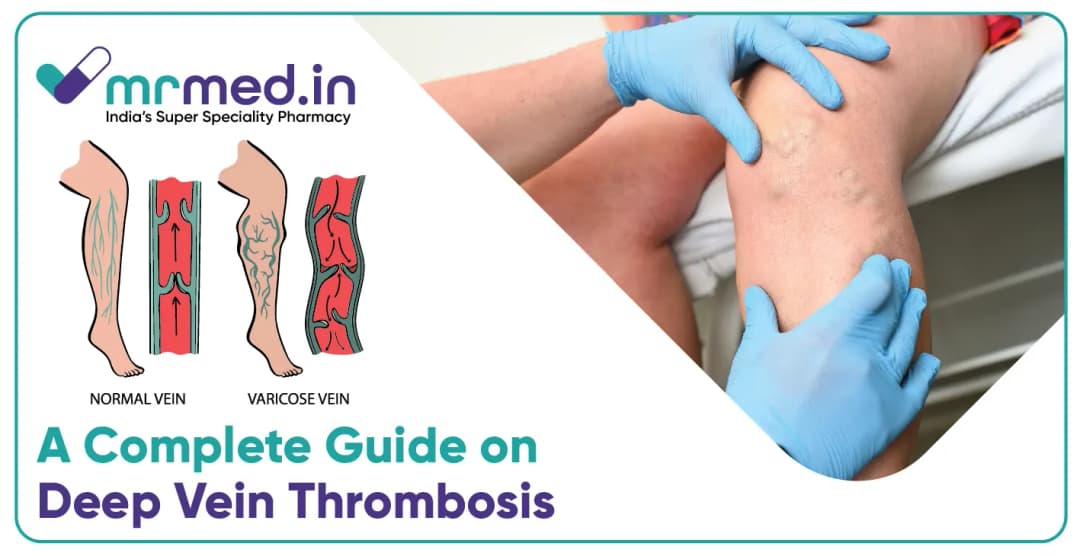
Understanding Deep Vein Thrombosis (DVT): Symptoms, Causes, and Risks





Last updated on 25 Apr 2026
Blood clots can be a silent, yet dangerous threat to your health, especially when they form deep within the veins of your legs. Deep Vein Thrombosis (DVT) is one such condition that can lead to life-threatening complications if not treated promptly. The objective of this blog is to unravel the mystery behind DVT—its causes, symptoms, diagnosis, and the best treatment options available.
Also, we’ll explore expert recommendations on the most effective treatments to fight blood clots and protect your health. Read on to discover everything you need to know about this serious condition!
What is Deep Vein Thrombosis (DVT)?
Deep Vein Thrombosis (DVT) is a condition where a blood clot forms in a deep vein, usually in the legs. It can lead to serious complications if the clot breaks free and travels to the lungs, causing a pulmonary embolism. Key points about DVT:
Commonly occurs in the legs but can affect other deep veins.
Risk factors include prolonged immobility, surgery, and certain medical conditions.
Symptoms may include swelling, pain, and redness in the affected area.
It can lead to life-threatening complications if untreated, such as pulmonary embolism.
Preventive measures include staying active, wearing compression stockings, and staying hydrated.
What are the most common causes of Deep Vein Thrombosis?
Deep Vein Thrombosis occurs when a blood clot forms in one of the deep veins, usually in the leg. A study indicated that in India, the incidence of deep vein thrombosis (DVT) following major orthopaedic surgeries is notably high. Studies have shown that 22.6% of patients who underwent total hip replacement and 48.6% of those who had knee replacement surgery developed DVT.
Several factors can contribute to the development of a blood clot in the leg, leading to the formation of DVT. The primary DVT causes, and DVT risk factors include:
1. Prolonged immobility: Sitting or lying down for extended periods, such as during long flights or bed rest, slows blood flow and increases the risk of clot formation.
2. Injury to veins: Traumatic injury to the leg or surgery can damage veins, making blood clotting more likely.
3. Medical conditions: Conditions like cancer, heart disease, and inflammatory bowel disease can increase the likelihood of clot formation.
4. Hormonal factors: Hormonal treatments, such as birth control pills or hormone replacement therapy, can raise the risk of developing blood clots in the legs.
5. Genetics: Some people have a genetic predisposition to clotting disorders, making them more susceptible to recurrent DVT episodes.
6. Obesity: Excess weight puts additional pressure on the veins, impairing blood circulation and contributing to DVT development.
These risk factors increase the chance of getting blood clot formation and can lead to serious complications, such as pulmonary embolism (PE), where the clot travels to the lungs.
What are the symptoms of Deep Vein Thrombosis?
The symptoms of Deep Vein Thrombosis (DVT) are often subtle and can go unseen, especially in the early stages. However, recognising the signs of deep vein thrombosis is important for timely intervention. The common Deep Vein Thrombosis symptoms include:
Swelling in the leg: Swelling, especially in one leg, is one of the hallmark signs of DVT.
Pain or tenderness: A feeling of pain or tenderness in the affected leg, often accompanied by warmth, may occur.
Red or discoloured skin: The skin may appear reddish or bluish, particularly in the area where the clot has formed.
Swollen veins: The veins in the affected leg may become more visible or engorged.
It's important to note that not everyone with DVT experiences all these symptoms. In some cases, DVT may be present with no symptoms, making it harder to diagnose without medical intervention.
What are the diagnoses for DVT?
Diagnosing Deep Vein Thrombosis typically involves a combination of physical examination, medical history, and diagnostic tests. A doctor will likely perform the following:
1. Ultrasound: The most common and effective method for Deep vein thrombosis diagnosis, an ultrasound uses sound waves to detect the presence of a blood clot.
2. D-dimer test: This blood test measures the level of D-dimer, a substance released when a blood clot breaks up. Elevated levels of D-dimer may suggest the presence of DVT.
3. CT or MRI scan: In some cases, especially when DVT is suspected in other parts of the body, a CT or MRI scan may be used for further evaluation.
Early diagnosis is important, as untreated DVT can result in dangerous complications like a pulmonary embolism or long-term damage to the veins in the leg. So, if you suspect DVT, it is important to seek medical attention ASAP for proper evaluation and treatment.
What are the available treatment options for DVT?
Treating Deep Vein Thrombosis (DVT) involves a careful, multi-pronged approach to stop the clot from getting bigger and to minimise the risk of serious complications. The main focus is not only to treat the existing blood clots but also to prevent new ones from forming.
Treatment options for DVT include medications and non-invasive interventions to help with recovery and prevent further complications. Here's a list of common Deep vein thrombosis treatment options and their possible side effects:
Treatment Option | Description | Side effects |
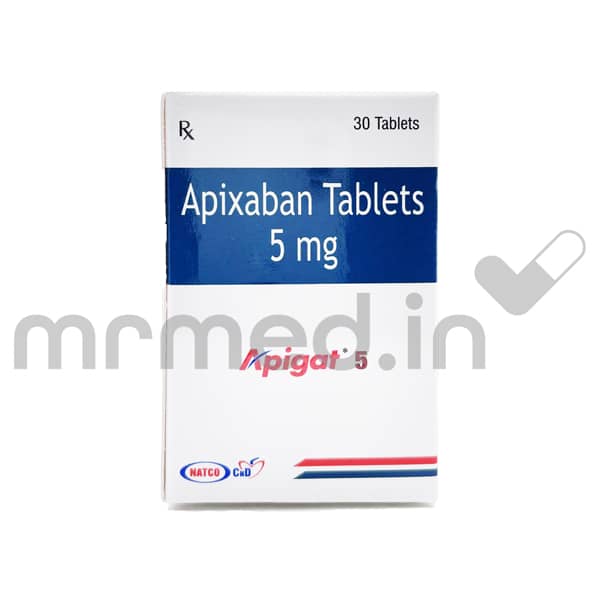
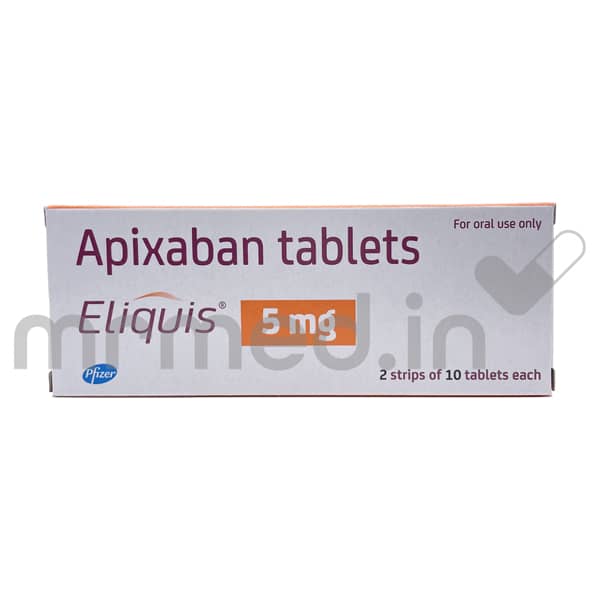
Blood Thinners (Anticoagulants) | The most common Deep vein thrombosis medications include heparin, warfarin, and newer oral anticoagulants like rivaroxaban and apixaban. These prevent the clot from growing and forming new ones. | Increased risk of bleeding, bruising, gastrointestinal issues, or allergic reactions. |
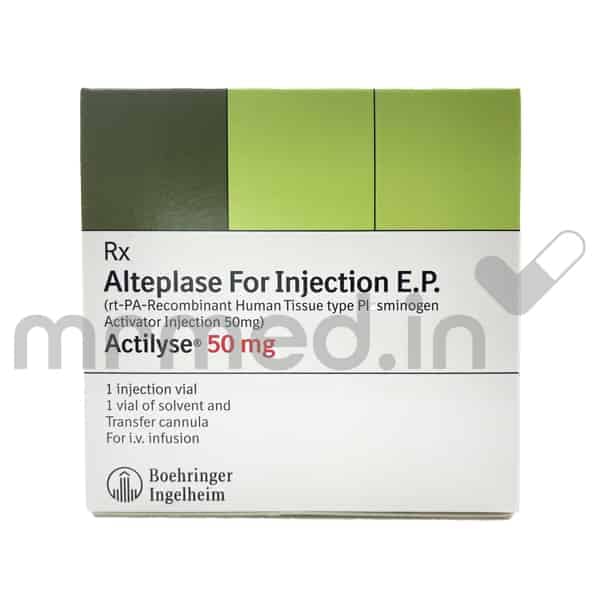
Thrombolytics | Thrombolytics, also known as clot-busting drugs, are used in severe cases of DVT to dissolve blood clots. Common examples include Alteplase (tPA), Reteplase, and Tenecteplase. These DVT medications are typically used under close medical supervision due to the risk of bleeding. | Bleeding, including internal bleeding, allergic reactions, or low blood pressure. |
Compression Stockings | Special stockings are worn to improve blood flow and reduce swelling in the affected leg. | Skin irritation, discomfort, or restricted blood flow if improperly fitted. |
Inferior Vena Cava (IVC) Filter | A device is inserted in patients who cannot take blood thinners to prevent clots from reaching the lungs and causing a pulmonary embolism. | Infection, blood clots around the filter, damage to the vein, or filter dislodgement. |
Surgical Removal of Clot | In severe cases where other treatments are ineffective, surgery may be performed to physically remove the clot from the vein. | Infection, bleeding, vein damage, and risk of anaesthesia complications. |
When to see a doctor for DVT?
If you experience any signs of deep vein thrombosis (DVT), it’s essential to seek medical attention immediately. DVT is a medical emergency, and delaying treatment can lead to serious complications like pulmonary embolism.
You should see a doctor if:
You notice unexplained leg swelling, pain, or tenderness.
You have a history of blood clots or recent surgery.
You have been immobile for extended periods, such as after a long flight or bed rest.
You experience redness or warmth in the affected leg.
You are aware of any known DVT risk factors.
Early diagnosis and treatment can effectively manage DVT and prevent life-threatening outcomes.
Expert’s opinion about deep vein thrombosis:
Dr Jyoti B. Sharma, senior consultant at Fortis Hospital in Noida, said, "Sitting for a long period of time everyday may cause this disease. People taking long flights are often diagnosed with DVT."
Frequently Asked Questions
1. What are effective methods for preventing blood clots and deep vein thrombosis?
Preventing blood clots involves staying active, avoiding long periods of immobility, and maintaining a healthy weight. Deep vein thrombosis prevention includes using compression stockings, taking prescribed medications, and performing leg exercises to improve circulation, especially during long flights or bed rest.
2. What is the pathophysiology of deep vein thrombosis leg and its treatment?
Deep vein thrombosis leg occurs when a blood clot forms in a deep vein, typically in the lower leg. The deep vein thrombosis pathophysiology involves blood stasis, endothelial injury, and hypercoagulability, which lead to clot formation. Blood clot in leg treatment includes blood thinners, clot-dissolving medications, and sometimes compression therapy to prevent complications like pulmonary embolism.
3. Which vitamin helps in blood clotting?
Vitamin K plays a crucial role in blood clotting by activating proteins that help stop bleeding. It is essential for maintaining proper blood coagulation.
4. How to remove blood clots in the brain without surgery?
Blood clots in the brain may be treated with medications like blood thinners or clot-dissolving drugs. Doctors may recommend monitoring and supportive care to manage symptoms. Non-surgical treatments depend on the clot's size and location.
5. What is the difference between deep vein thrombosis and varicose veins?
Deep vein thrombosis (DVT) leg occurs when a blood clot forms in a deep vein, leading to swelling and pain. Varicose veins are enlarged, twisted veins near the skin's surface, usually without clotting. Deep vein thrombosis causes include prolonged immobility, while varicose veins are caused by weakened vein walls.
Wrapping up
Deep Vein Thrombosis (DVT) is a serious condition that requires prompt treatment. Understanding its causes, symptoms, and risk factors helps with prevention and timely care. Blood thinners are essential in managing clots and reducing complications. Consult a doctor if you suspect DVT for proper diagnosis and treatment.
"Sitting is the new smoking, so stay active to reduce your risk."
References
1. Waheed SM, Kudaravalli P, Hotwagner DT. Deep Vein Thrombosis. [Updated 2023 Jan 19]. In: StatPearls [Internet]. Treasure Island (FL): StatPearls Publishing; 2025 Jan-. Available from: https://www.ncbi.nlm.nih.gov/books/NBK507708/
2. McLendon K, Goyal A, Attia M. Deep Venous Thrombosis Risk Factors. [Updated 2023 Mar 17]. In: StatPearls [Internet]. Treasure Island (FL): StatPearls Publishing; 2025 Jan-. Available from: https://www.ncbi.nlm.nih.gov/books/NBK470215/
3. Stone J, Hangge P, Albadawi H, Wallace A, Shamoun F, Knuttien MG, Naidu S, Oklu R. Deep vein thrombosis: pathogenesis, diagnosis, and medical management. https://pmc.ncbi.nlm.nih.gov/articles/PMC5778510/
4. Beckman MG, Hooper WC, Critchley SE, Ortel TL. Venous thromboembolism: a public health concern. https://pubmed.ncbi.nlm.nih.gov/20331949/
Disclaimer: This information is provided for educational purposes only and is not a substitute for professional medical advice, diagnosis, or treatment. Deep Vein Thrombosis (DVT) can be life-threatening if left untreated. Always seek immediate medical attention if you experience symptoms or suspect a blood clot.













Comments