

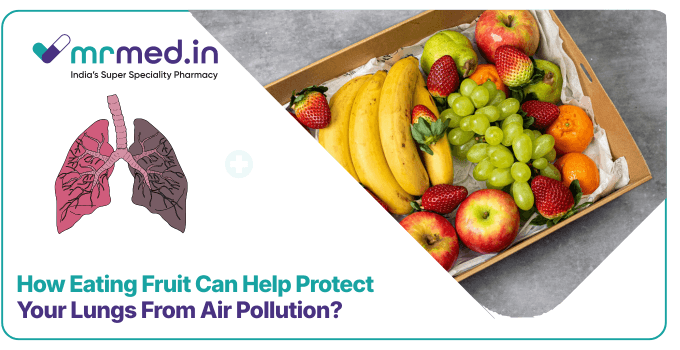
How Eating Fruit Can Help Protect Your Lungs From Air Pollution?





Last updated on 17 Jan 2026
Keytakeaways
|
Air quality problems due to air pollution affect more than just large metropolitan areas; cities that experience high levels of pollution, such as Chennai, Delhi NCR, and Bengaluru, are examples of what can happen when humans produce significant amounts of particulate matter from vehicles, construction, etc.
Exposure to these pollutants over time can cause chronic lung damage from irritation, and the effects are not always immediately obvious. A diet rich in fruits provides antioxidants and phytochemicals that can help protect lung tissue and support the body's response to air pollution's effects on overall health.
In this article, we'll look at the evidence supporting fruit consumption as a way to help defend against the harmful effects of air pollution on the lungs and identify which fruits you should eat regularly for optimal respiratory health.
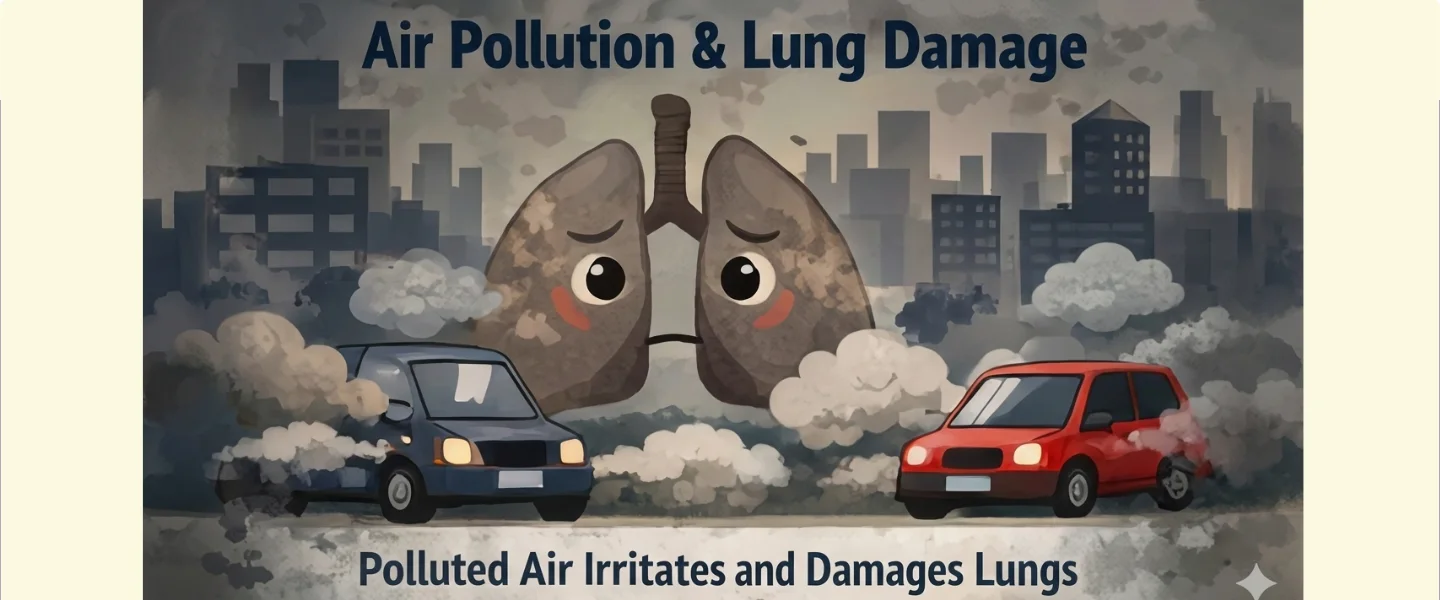
Why Air Pollution Damages the Lungs
Polluted air contains harmful particulate matter that can be inhaled into the airways and lungs. Particle sizes vary, with the smallest particles being able to penetrate deep into the lungs
The National Centre for Disease Control (NCDC), MoHFW, in 2024 states that air pollution, especially PM2.5 and PM10, can harm the lungs and worsen breathing problems. It advises reducing outdoor exposure on high-AQI days and using masks for protection, especially for children, the elderly, and people with asthma or COPD.
Some potential health effects of inhalation include:
Irritation of the nasal passages, throat, and chest.
Coughing, wheezing and difficulty breathing.
Increased sensitivity of asthma and allergy conditions.
Increased likelihood of developing respiratory infections such as bronchitis.
Compromised ability of the lungs to recover/repair after injury over time.
Those who regularly breathe polluted air can develop chronic lung stress due to ongoing exposure, especially individuals with pre-existing respiratory conditions.
The Link Between Fruit Intake and Better Lung Support
The body's daily repair of damage occurs with the assistance of naturally occurring, nutrient-rich fruit, which provides nutrients that promote the body's repair process. Fruits do not protect you from inhaling pollutants; rather, they improve your body's internal defensive systems. With more fruit consumed over a lifetime, studies indicate:
A lifetime of eating fruit will improve your breathing capacity over time.
A lifetime of eating fruit will help reduce irritation in your airways.
A lifetime of eating fruit will help individuals exposed to pollution recover.
A lifetime of eating fruit will lower the risk of chronic respiratory diseases.
Eating fruit provides a means of dietary protection against air pollution and supports the development of resilient lungs from within.
How Pollution Triggers Oxidative Stress in the Lungs
The major impact of polluted air is oxidative stress. Harmful free radicals are produced by air pollution and attack lung cells, causing irritation and swelling of lung tissue, which can lead to the destruction of lung cells over time. Therefore, if you are exposed to polluted air continually over a period of time, the damage done to your lungs by pollution will continue to increase due to these free radical attacks.
Fruits assist in minimising damage to lung cells caused by free radicals because fruits have naturally occurring antioxidants that counteract the effects of free radicals. Because of this, researchers have established a link between an individual’s consumption of antioxidants and the health of their lungs.
Do Antioxidants in Fruit Improve Lung Function in Polluted Areas?
ICMR reported that in 2017, around 77% of India’s population was exposed to PM2.5 levels above 40 µg/m³, exceeding India’s recommended limit.
Research indicates that consuming more antioxidants improves respiratory function (respiratory health). Specifically, consuming antioxidants may provide the following benefits:
1. Reduction of oxidative stress levels within the air passages/airways.
2. Supporting/keeping healthy the membranes which surround our lungs.
3. Gradually increasing the improvement/effectiveness of our body's breathing cycle.
4. Reducing the likelihood of developing chronic respiratory illnesses due to long-term exposure to pollutants.
Eating fruit regularly is a very practical way to protect yourself/protect your lungs from air pollution, particularly if you live in a highly polluted area.
How Vitamin C From Fruit Supports Respiratory Health
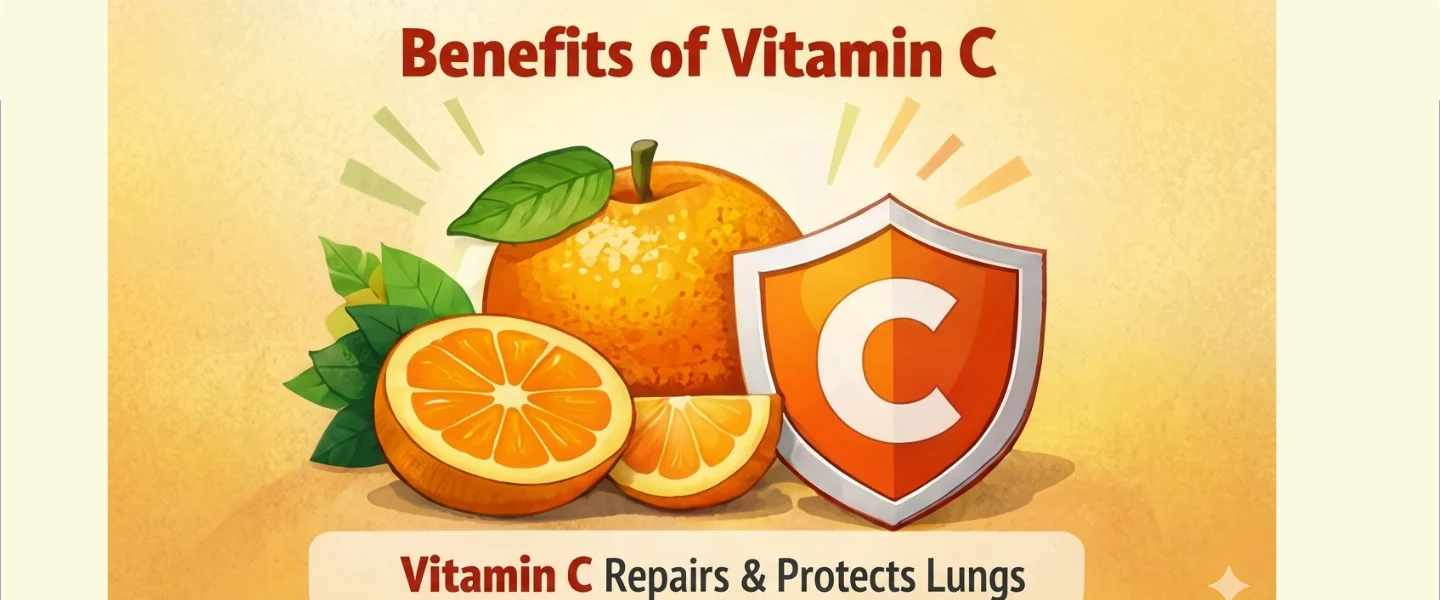
Vitamin C is commonly associated with supporting immunity, but it also plays an important role in supporting lung function as well. Vitamin C supports the following functions within the lung:
1. Tissue Repair - Vitamin C supports the repair of tissues within the airway.
2. Strength - Vitamin C helps strengthen lung cells from injury.
3. Reduced Lung Inflammation - Vitamin C decreases the amount of inflammation caused by pollution in lung tissue.
4. Immune Support - Vitamin C helps your body's immune system defend against toxins and other foreign invaders in your lungs when exposed to pollution.
So, if you have been exposed to pollutants that cause lung inflammation, vitamin C can help your body respond better and is, therefore, a great addition to any regimen for improving lung health naturally.
Here are some examples of fruits high in vitamin C:
Oranges and sweet limes
Guavas
Indian gooseberry (amla)
Kiwis
Strawberries
Papayas
Eating just one vitamin C-rich fruit daily will help to boost the body's lung defence system.
How Flavonoids in Fruit Help the Lungs
Dr Arvind Kumar, Chairman, Institute of Chest Surgery, Chest Onco-Surgery & Lung Transplantation, Sir Ganga Ram Hospital, New Delhi, said, “Air pollution affects lung health mainly through oxidative stress and airway inflammation. A fruit-rich diet supports lung defence because antioxidants like vitamin C and flavonoid compounds can reduce free-radical damage and inflammation.”
Flavonoids are found in various colourful fruits and have been investigated for their antioxidant and anti-inflammatory properties. They also have an association with respiratory health because flavonoids have the potential to:
Soothe airway inflammation.
Maintain the Elasticity of the Lung.
Enrich Oxygen Transfers.
Guard Against Long-Term Stress on Lung Tissue.
With the continual growth of pollution and the associated health risks to the environment, this information becomes increasingly pertinent.
Flavanoids-rich Fruits include:
Apples
Grapes
Berries
Citrus Fruits
Pomegranates
By adding these fruits to your diet, you will provide another avenue for maintaining healthy lungs.
How Fruits Reduce Inflammation Triggered by Pollution
Pollution causes continuous damage - not only initially, but also by producing chronic inflammation that causes gradual weakening of the lung tissue.
There is a well-established relationship between chronic inflammation caused by air pollution and how it limits your ability to breathe easily, makes it harder to control asthma and allergy symptoms, produces excess mucus, and reduces your lungs' ability to flex and stretch over time.
Fruits contain many nutrients and natural compounds that provide a natural way to reduce inflammation. The anti-inflammatory properties of fruits can help make you feel more comfortable and support recovery during periods of increased air pollution, especially for individuals with a cough, a tight chest, or trouble breathing.
Best Fruits for Lung Support in Polluted Cities
Below are some fruits that may support lung protection and recovery:
1) Amla
Very high in vitamin C and antioxidants.
2) Guava
One of the richest natural sources of vitamin C.
3) Oranges and sweet lime
Supports immune defence and airway tissue health.
4) Apple
Contains flavonoids and supports lung capacity.
5) Pomegranate
Strong antioxidant fruit, helpful for inflammation support.
6) Grapes
Rich in polyphenols that support cell protection.
7) Berries (strawberry, blueberry)
High in flavonoids and antioxidants.
A mix of fruits is better than relying on just one type.
How to Build a Daily Fruit Routine for Lung Health
It's not necessary to eat expensive superfoods; a consistent habit of eating fruit is the most important thing.
Examples of how to incorporate fruit into your daily training schedule:
A) Eat a piece of fruit with your breakfast.
B) Have a piece of fruit as an evening snack.
C) Include unsweetened citrus juice or amla juice, in moderation, 3-4 days/week.
D) Use whole fruits as opposed to using juice from bottles.
Following this practical guide and maintaining a consistent intake of fruit will help manage your lung health effectively over the long term, particularly when living in urban communities.
What Else Should You Combine With Fruit for Better Lung Defence?
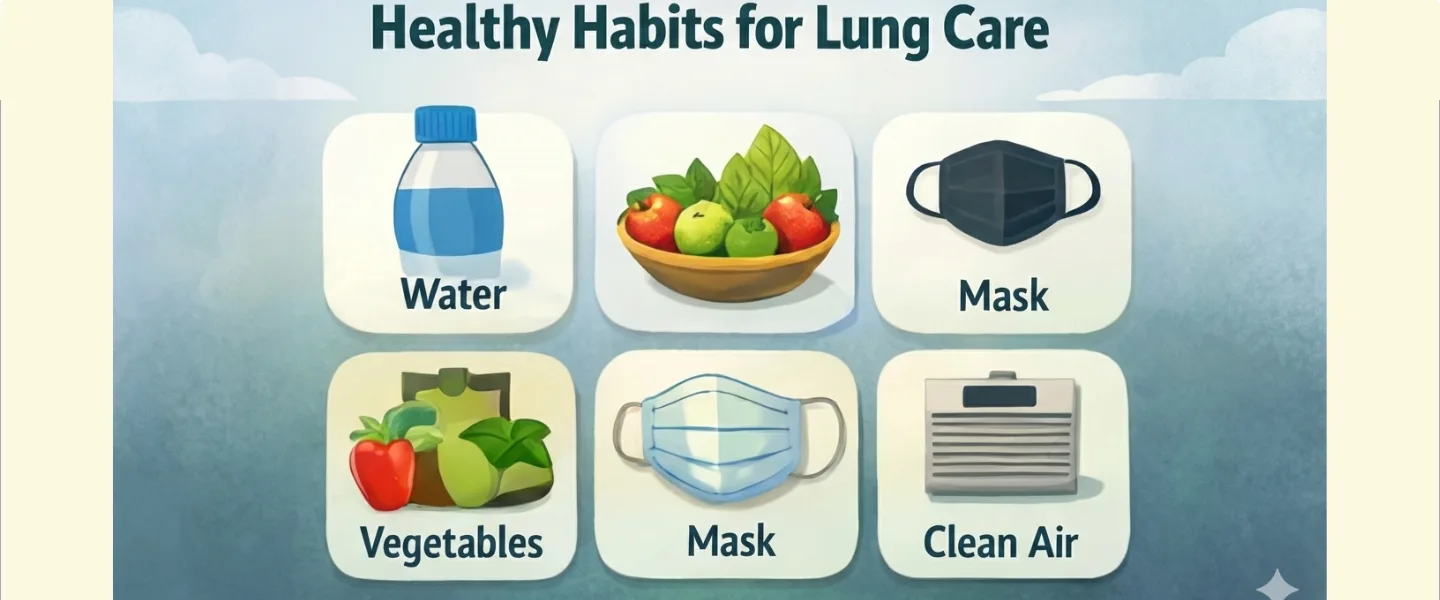
Consuming fruits promotes healthy lungs; however, the strongest protector against air pollution is a combination of all lifestyle changes listed previously.
Drink water to prevent dehydration.
Eat nuts and seeds for healthy fats.
Eat vegetables daily to boost your antioxidant intake.
Limit fried foods and processed foods.
Wear N95 masks when outside on high-pollution days.
Use indoor air filtration systems.
Use an air purifier in your home.
Combining these lifestyle changes will yield the maximum benefit of reducing pollutant-related lung damage while enhancing lung protection through modifications to an unhealthy diet.
Final Thoughts
While you can't regulate the quality of outdoor air, you are able to regulate your daily intake of nourishment. Incorporating fruit into your diet is one of the easiest ways to strengthen your lungs, alleviate irritation, and enhance long-term breathing comfort. A fruit-based diet won't cure anything, but it will provide ongoing assistance to your lungs, particularly if you live in highly polluted areas.
FAQs
1) How does eating fruit protect the lungs from air pollution?
The antioxidants and anti-inflammatory compounds found in fruits help protect the lung's structural support and promote healing.
2) Can fruit reduce lung damage caused by air pollution?
While fruits alone cannot prevent all pollution damage, consistently eating fruit may help lower your risk of long-term negative health effects from being exposed to polluted air.
3) Which fruits help protect the lungs from air pollution?
Common fruits that are good sources of vitamin C and antioxidants, as well as protective plant-based compounds, include amla, guava, orange, apple, pomegranate, grape, and berry.
4) Do antioxidants in fruit improve lung function in polluted areas?
Consuming antioxidants may help reduce lung oxidative stress and improve future pulmonary function by strengthening airways among those exposed daily to elevated levels of pollution.
5) How does vitamin C from fruit support respiratory health?
Vitamin C supports lung tissue recovery, fortifies lung cellular defence systems, and reduces inflammation. Furthermore, through the improvement of the immune system's defence mechanisms, Vitamin C decreases the levels of infection that contribute to respiratory difficulties
Read Also
References
https://www.womenshealthmag.com/health/a68505567/fruit-lung-health-air-pollution/
https://www.parashospitals.com/blogs/5-health-foods-ensure-lung-health
Disclaimer: The content in this blog is for general informational purposes only and is not a substitute for professional medical advice, diagnosis, or treatment. Always consult your doctor or a registered dietitian before making any changes to your diet, especially if you have a medical condition or are taking prescribed medication. While the information is based on trusted sources, individual needs and results may vary. MrMed does not promote or endorse any specific food or treatment mentioned unless explicitly stated.












Comments