


Infection Prevention Tips for Immunocompromised Patients: A Complete Safety Guide





Last updated on 02 Jan 2026
Key Takeaways
|
Staying safe from infections can feel like a full-time job when your immunity is low. A simple cold that others recover from in two days can drag on for weeks for you. A mild stomach infection can unexpectedly turn into a hospital visit. And in India, where crowds, seasonal infections, and rising pollution are part of daily life, the risk naturally feels higher.
Here is the good news. You can still live comfortably and confidently with the right precautions. Whether you are going through chemotherapy, recovering from a transplant, managing an autoimmune condition, living with HIV, or caring for an elderly family member, infection prevention does not have to be confusing.
Understanding What Immunocompromised Really Means
When someone is immunocompromised, the body is unable to fight germs as effectively as it should. That means infections spread faster, take longer to heal, and may become serious if ignored.
Common groups with low immunity include:
• Chemotherapy patients
• Organ transplant recipients
• People on immunosuppressants
• Individuals with HIV
• Elderly adults
• People with uncontrolled diabetes or chronic illness
• Babies and very young children
Knowing the risk helps you stay smarter and safer.
Randeep Guleria (former Director, All India Institute of Medical Sciences (AIIMS), Delhi). He has warned that fungal infections (e.g., Mucormycosis) are most often seen in people with low immunity, such as those with diabetes, on steroids, or immunocompromised, and stressed that “maintenance of hygiene is the major safeguard against fungal infections.”
Why Infection Prevention Matters Even More in India
India has a mix of factors that increase risk for people with low immunity. This includes overcrowding, pollution, poor air quality, humid weather, and rising antibiotic resistance. Simple infections can become complicated if not managed early.
This offers safe, practical, and medically accepted infection prevention tips for Indian families.
1. Spot Early Warning Signs You Should Never Ignore
Below is the signs of infection in an immunocompromised patient checklist, which helps you identify danger early.
A. General Symptoms
• Fever above 38 degrees Celsius
• New tiredness
• Loss of appetite
• Sweating or chills
B. Skin and Wounds
• Redness
• Warmth
• Pus
• Swelling
C. Respiratory Symptoms
• Cough with mucus
• Sore throat
• Shortness of breath
D. Digestive Symptoms
• Diarrhoea
• Vomiting
• Stomach cramps
E. Urinary Symptoms
• Burning while urinating
• Frequent urination
• Lower belly pain
For chemotherapy or transplant patients, a fever should be treated as an emergency.
2. Daily Infection Prevention Tips Every Low Immunity Patient Should Follow
These simple, everyday steps reduce most risks.
A. Hand Hygiene
• Wash hands for at least 20 seconds with soap.
• Use an alcohol based hand sanitiser when outside.
B. Masking
• Wear a surgical mask or N95 in hospitals, clinics, crowded areas, or during flu season.
C. Home Cleanliness
• Clean mobile phones, switches, door handles, and remotes regularly.
• Ask a family member to do the dusting instead of doing it yourself.
D. Food Safety
• Eat only freshly prepared meals.
• Avoid stale, uncovered, or reheated food.
E. Skin Care
• Clean and cover any cuts immediately.
• Keep skin moisturised to prevent cracks.
These are core infection prevention tips for maintaining daily safety.
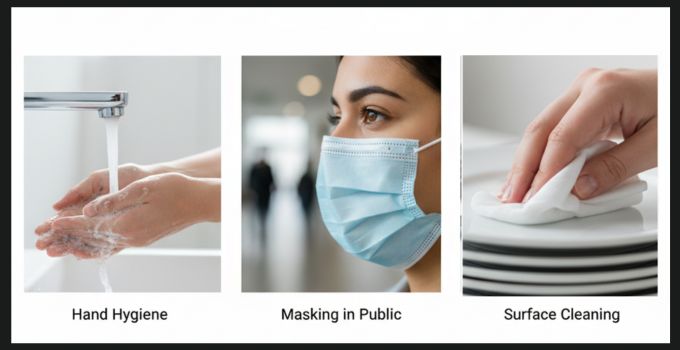
Dr Naresh Trehan, (Chairman & MD, Medanta, a leading super-speciality hospital), has said handwashing is a duty: “Many infections can be prevented by good handwashing by healthcare workers in hospitals and ICUs.
3. Infection Control at Home for Transplant and Chemotherapy Patients
The home environment matters as much as the hospital environment. Families play an important role in maintaining safe surroundings.
Home safety guide for chemotherapy patients
Area | What to Do | What to Avoid |
Kitchen | Wash vegetables well, boil water, and keep raw meat separate | Raw salads, half-cooked meat |
Bedroom | Keep the room well ventilated, and reduce dust | Strong perfumes or air fresheners |
Visitors | Allow only healthy visitors | Visitors with a cough or fever |
Pets | Wash your hands after touching pets | Cleaning pet waste or litter |
Laundry | Wash undergarments in warm water | Sharing towels and napkins |
These steps support infection control at home for transplant patients and provide general caring for immunocompromised patient safety guidelines.
4. Staying Safe in Hospitals and Clinics
People with low immunity often require frequent hospital visits. Here is how to reduce exposure.
Precautions for Immunocompromised Patients in the Hospital
• Visit during less crowded hours.
• Wear a mask throughout the visit.
• Carry your own water bottle.
• Avoid touching railings, lifts, counters, and waiting room furniture unnecessarily.
• Sit away from anyone who is coughing or sneezing.
Nursing Care of Immunocompromised Patients
Nurses usually follow strict protocols such as:
• Proper hand hygiene
• Use of gloves during procedures
• Regular temperature and vital checks
• Watching for early signs of infection
• Using neutropenic precautions if needed
These steps are supported by the standard and CDC immunocompromised guidelines.
5. Low Immunity Diet and Safe Eating Rules
Food safety is one of the most important parts of infection control. Contaminated or raw food can cause severe infections in people with weak immunity.
What to Eat
• Dal, rice, rotis, khichdi
• Freshly cooked vegetables
• Fully cooked eggs and chicken
• Homemade curd (if your doctor allows)
• Washed and peeled fruits
• Boiled or RO filtered water
What to Avoid
• Street food
• Raw sprouts
• Unwashed fruits
• Buffets and open food counters
• Unpasteurised milk
• Cut fruits sold by vendors
Table: Safe Foods for Immunocompromised Patients List
Safe Foods | Avoid These Foods |
Freshly cooked dal and sabzi | Raw salads from restaurants |
Boiled vegetables | Street chaat or pani puri |
Peeled fruits | Cut fruits outside |
Homemade curd | Heavy milkshakes from shops |
Well-cooked eggs and chicken | Half-cooked eggs or meat |
These rules fit both low low-immunity diet needs and the safe foods for immunocompromised patients list guidance.
6. Environmental Safety at Home
Air
• Use a HEPA filter if pollution levels are high.
• Ventilate the home early in the morning.
Water
• Use RO or UV filtered water.
• During monsoons, boil drinking water.
Surfaces
• Clean phones, keyboards, switches, and doorknobs frequently.
• Do not share razors, toothbrushes, combs, or nail cutters.
7. Social Precautions Without Feeling Isolated
You do not have to avoid social life entirely. You simply need to choose safer options.
Social Safety Tips:
• Choose outdoor seating over indoor restaurants.
• Avoid crowded peak hours in malls or metros.
• Prefer video calls when relatives have flu.
• Attend festivals during less crowded hours.
This is practical infection-prevention advice for immunocompromised people in India.
8. Medication, Vaccines, and Regular Follow Ups
Guidelines for Immunosuppressed Patients
• Take medicines on time.
• Never stop steroids suddenly.
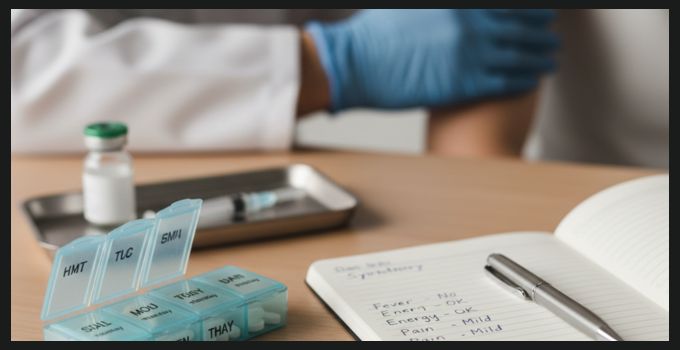
• Keep a weekly symptom diary.
• Talk to your doctor before taking new tablets or supplements.
Vaccines
Most immunocompromised adults can safely take inactivated vaccines. Live vaccines should be avoided unless approved by the doctor. Discuss all vaccines with your specialist.
9. When to Seek Medical Help Immediately
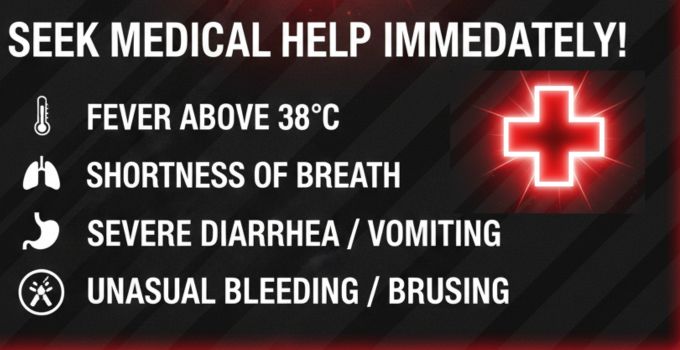
Seek help if you notice:
• Fever above 38 degrees Celsius
• Severe diarrhoea or vomiting
• Pain while urinating
• Shortness of breath
• Unusual Bleeding or bruising
• Sudden weakness
• Uncontrolled cough
Frequently Asked Questions
1. How to boost immunity?
Eat balanced meals, sleep well, reduce stress, take medicines regularly, and avoid infections. For immunocompromised patients, prevention is more important than boosting.
2. What vaccines are safe for immunocompromised adults in India?
Inactivated vaccines, such as influenza, pneumococcal, hepatitis B, and COVID non-live vaccines, are usually safe. Always check with your doctor.
3. How to avoid infection in low immunity?
Wash hands, avoid sick people, eat safe food, keep surroundings clean, and wear masks in crowds.
4. How to protect immunocompromised family members?
Stay home if sick, wash hands often, get vaccinated, avoid sharing utensils, and clean surfaces regularly.
5. Which is the best hand sanitiser for immunocompromised patients?
Any sanitiser with at least 70 per cent alcohol works well.
6. What are the isolation precautions for immunocompromised patients?
Avoid crowds, restrict sick visitors, maintain hand hygiene, wear masks in public, and keep rooms clean and well-ventilated.
7. Can immunocompromised patients eat outside food?
Prefer avoiding outside food. If needed, choose freshly cooked dishes from clean places.
8. Are raw fruits safe for low-immunity patients?
Yes, if washed and peeled at home. Avoid cut fruits sold by vendors.
9. Do air purifiers help immunocompromised patients?
HEPA purifiers reduce dust and pollutants and may help people with respiratory issues.
Wrapping Up
Living with low immunity can feel overwhelming, but staying safe does not have to be complicated. Small habits done consistently create the strongest protection. Whether you are a chemotherapy patient, a transplant survivor, someone with an autoimmune condition, or a caregiver supporting a loved one, every practical step you take adds up. Think of infection prevention as a shared responsibility between you, your family, and your healthcare team. With awareness, early action, and a little planning, you can live your daily life with more confidence and less fear.
Read Also
References
Basaran N, Ascioglu S. Epidemiology and management of healthcare‑associated bloodstream infections in non‑neutropenic immunosuppressed patients: a review of the literature. Ther Adv Infect Dis. 2017 Oct 17;4(6):171–191. Doi: 10.1177/2049936117733394.
Swaminathan S, Prasad J, Dhariwal AC, et al. Strengthening infection prevention and control and systematic surveillance of healthcare‑associated infections in India. BMJ. 2017 Sep 4;358:j3768. doi: 10.1136/bmj.j3768
Weber WP, Frei R, Blum MR, Pfisterer M, Glauser MP. “Risk of surgical site infection in immunocompromised patients: systematic review.” World J Emerg Surg. 2021 Jun 10;16(1):33. doi: 10.1186/s13017-021-00375-y.
Disclaimer: The information shared in this blog is meant for general educational purposes only and should not be taken as medical advice. Always consult a qualified healthcare professional for diagnosis, treatment, or medical guidance related to your health. The content is based on reliable sources, but it may not be suitable for every individual’s condition. We do not assume responsibility for any actions taken based on this information. Readers are encouraged to exercise caution and use their discretion when making healthcare decisions.











Comments