

Essential Winter Care Tips for Patients Undergoing Cancer Treatment





Last updated on 02 Jan 2026
Key Takeaways
|
Have you ever wondered why winter feels a little tougher when you are going through cancer treatment? Winter in India can be wonderful with cosy blankets, hot chai, and pleasant weather in many parts of the country. But for someone undergoing cancer treatment, the season can feel a bit more demanding.
Cold air, common flu infections, and dry environments can make treatment side effects more noticeable. When your immunity is already working extra hard because of chemotherapy or radiation, the winter months may require additional attention and care.
The goal is simple: make winter safer, warmer, and more comfortable for you throughout your treatment journey. These winter care tips for cancer patients are practical, India-friendly, and focused on improving day-to-day comfort and protection.
Why Winter Needs Extra Care During Cancer Treatment
Cancer treatment can affect the immune system, leaving the body more vulnerable to infections that circulate during winter. Seasonal viruses like flu and common cold spread quickly in crowded homes, offices, and markets. Dry air can worsen skin dryness and breathing discomfort. Many patients experience chemotherapy winter side effects, including fatigue, dryness, and increased nerve sensitivity.
Additionally, winter nights can be long and temperatures drop suddenly, especially in North and Central India. This combination of weakened immunity and cold exposure is why winter requires a bit more planning and mindful care for your safety and overall health.
5 Tips for Patients Undergoing Cancer Treatment
This section includes practical steps you can apply daily. Each tip comes with five simple actions to help you stay warm, nourished, and supported:
Dress Smart and Stay Warm
Layer clothing for adjustable comfort
Keep socks and gloves on especially during mornings and nights
Avoid direct contact with cold floors and surfaces
Cover your head and ears while stepping outdoors
Dry damp clothes quickly to avoid chills
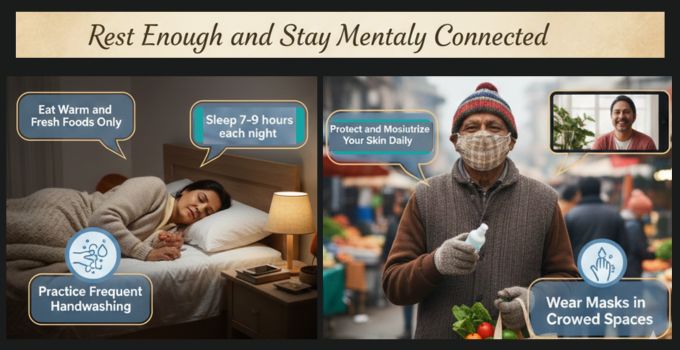
Eat Warm and Fresh Foods Only
Prefer soups, khichdi, dal-rice, and home-cooked meals
Use seasonal vegetables and avoid refrigerated leftovers
Warm beverages instead of cold drinks if sensitivity persists
Wash fruits properly and peel when needed
Avoid unhygienic street food this season
Protect and Moisturise Your Skin Daily
Apply moisturizer right after your bath
Use fragrance-free products to prevent irritation
Avoid very hot water for showering
Wear soft cotton inside layers to avoid friction
Rest Enough and Conserve Energy
Sleep 7–9 hours each night
Take short breaks throughout the day
Avoid unnecessary travel or long outdoor exposure
Ask family for help with physical tasks
Listen to your body and adjust your routine
Stay Mentally Connected and Positive
Talk to loved ones daily for emotional comfort
Join virtual support groups for shared strength
Enjoy activities like music, hobbies, or reading
Practice slow breathing or relaxation at bedtime
Celebrate small wins and acknowledge your progress
These habits make winter more manageable by supporting both the body and mind during treatment. Preventing flu is one of the biggest winter health priorities, especially when immunity is low during cancer treatment. Here are some highly effective cancer patient flu prevention tips that help reduce exposure to seasonal viruses while continuing daily routines safely.
Dr. Kapil Goyal, Consultant Medical Oncology, Rajiv Gandhi Cancer Institute & Research Centre, New Delhi said the immune system weakens due to cancer treatments, making patients more susceptible to respiratory infections like flu, colds, and pneumonia.
Understanding and Handling Cold Sensitivity
Some individuals going through cancer treatment notice that their hands and feet become extra sensitive to cold. This sensation can include numbness, tingling, or pain, especially in the fingers and toes. Managing and preventing peripheral neuropathy cold-weather symptoms early helps maintain comfort.
Staying warm isn’t just about comfort; it protects your nerves. Covering up properly outdoors, wearing gloves during cooking with cold foods, and avoiding cold metal surfaces can all help reduce discomfort. Even while at home, make sure your feet do not directly touch cold floors. Small adjustments can significantly reduce nerve pain and irritation.
Building Immunity with Seasonal Nutrition
Food becomes one of your biggest strengths during this time. A cancer Patient’s immune boosting diet in winter should focus on seasonal produce and warm home-cooked meals. Indian winter markets are full of nutritious vegetables like spinach, carrot, beetroot, sweet potato, and pumpkin, all supportive for healing and immune strength.
Fresh fruits such as oranges, guava, pomegranate, and amla are rich in vitamin C, which helps your body defend against infections. Including curd on days when the weather is mild, or switching to buttermilk or soups on colder days, supports digestion. Nuts and seeds like almonds, cashews, walnuts, sesame seeds, and sunflower seeds offer healthy fats for energy and warmth.
Choosing safe foods for cancer patients in winter is equally important. Avoid raw or stale foods, and always ensure proper hygiene when washing and cooking ingredients. Eating food that is warm and freshly prepared gives you better nutrition and reduces risk of stomach infections.
Hydration and Digestion: A Winter Priority Too
Most people drink less water during cold weather because thirst naturally reduces. But your body still loses fluids through breathing and daily activities. During treatment, dehydration can worsen fatigue, constipation, and skin dryness. Following hydration and nutrition tips, winter cancer treatment helps keep your body functioning smoothly.
Warm fluids like soups, clear broths, and herbal infusions are soothing and hydrating. Keep a flask of warm water nearby to remind yourself to take sips often. Avoid sugary drinks and too much tea or coffee because they may reduce hydration. Drinking regularly helps maintain energy and improves the body’s response to treatment.
Creating a Cozy, Safe Indoor Environment
India has diverse climates. Some regions experience severe cold, while others feel dry and breezy. No matter where you live, your home plays a big role in your comfort and well-being. Using home heating and humidity tips for cancer patients in winter can help your breathing, skin, and sleep quality.
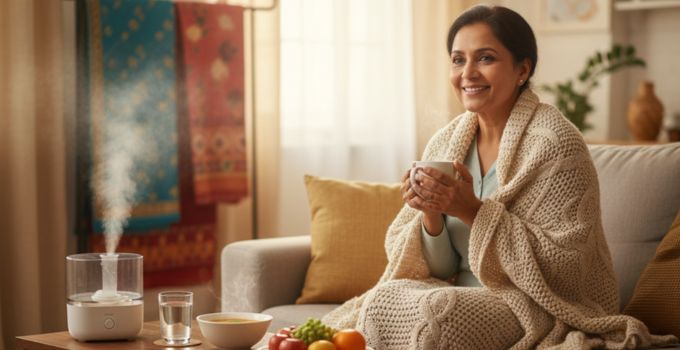
Keep indoor temperatures comfortable, not too hot, because overheating can also cause dehydration. A humidifier or placing a bowl of water near heat sources prevents dryness in the air. Allow fresh air into your room for a short time each day to improve ventilation. Ensure blankets and clothes are washed often and sun-dried to remove germs and moisture.
Maintaining a clean and warm home creates a positive environment for healing and relaxation.

Dr. Pratik Patil Cancer Specialist, Pune said Treatments like chemotherapy and radiation can weaken the immune system and increase sensitivity to the cold. Hypothermia, frostbite, dry skin and peripheral neuropathy are all risks if proper precautions are not taken in winter.
Protecting Yourself Against Infections This Season
Your immune system is already doing a big job during chemo or radiation. Infections like flu, fever, cold, or stomach upset make recovery harder. Simple hygiene habits can prevent winter infections in cancer patients undergoing treatment.
Even meeting guests at home can increase exposure if someone is unwell. Masks are still useful in ensuring safety in crowded areas or while traveling. Avoiding people with active cough or cold does not mean distancing from relationships: you can stay connected while keeping safe boundaries.
These are protective measures, not restrictions. They simply reduce risk so that you can continue treatment comfortably.
FAQs
Is it safe to get the flu shot during chemotherapy?
Your doctor will guide you on the right timing based on your immune strength and stage of treatment. Always follow medical advice for vaccines.What is the best moisturiser for chemotherapy dry skin India
A dermatologist can recommend gentle, fragrance-free creams with nourishing ingredients suitable for sensitive skin.How to avoid flu during chemotherapy?
Practice frequent handwashing, wear masks in crowded spaces, avoid meeting unwell individuals, and maintain strong hygiene habits.Why is winter more risky for someone undergoing cancer treatment?
Lower immunity, cold weather stress, and increased virus spread can lead to higher chances of infections and discomfort.What should a cancer patient do to reduce the risk of winter infections?
Stay warm, prioritize hygiene, monitor symptoms, eat nutritious foods, and avoid close contact with sick individuals.What foods should cancer patients avoid in winter?
Avoid street food, raw foods with questionable hygiene, stale leftovers, and very cold beverages that may irritate digestion.Can cancer patients travel during winter while on treatment?
Short and essential trips are usually fine if your doctor approves, but avoid crowded or poorly ventilated public areas. Wear a mask, keep a hand sanitizer with you, and stay warm during travel. If flu cases are high in your region, consider postponing non-urgent outings.Do cancer patients need room heaters or warm, humid air in winter?
Mild heating helps avoid cold exposure, but extremely hot, dry air can cause skin and throat dryness. Maintain comfortable warmth and use a humidifier or place a bowl of water nearby to keep the moisture balanced. Ensure proper ventilation too.
Final Thoughts
Winter can sometimes feel tough, but remember small changes can make a big difference. With careful nutrition, warmth, hygiene, hydration, and emotional support, you can move through this season with comfort and confidence while undergoing treatment.
Listen to your body, stay gentle with yourself, and seek medical advice whenever something feels unusual. You are doing your best each day, and that deserves all the warmth and positivity this winter.
Read also
References
Thom KA, Fowler KE, Weber DJ, et al. Infection prevention in the cancer center. Clin Infect Dis. 2013 May 7;57(4):579–585. doi: 10.1093/cid/cit290.
Delgado A, Blot S, Barlam T, et al. Infections in hospitalized cancer patients:World J Oncol. 2021 Dec 8;12(6):195–205. doi: 10.14740/wjon1410
Safdar A, Armstrong D, Singh N. Infections in Patients with Cancer: Overview, Principles and Practice of Cancer Infectious Diseases. 2011 Jan 4:3–15. doi: 10.1007/978-1-60761-644-3_1
Disclaimer: The information shared in this blog is meant for general educational purposes only and should not be taken as medical advice. Always consult a qualified healthcare professional for diagnosis, treatment, or medical guidance related to your health. The content is based on reliable sources, but it may not be suitable for every individual’s condition. We do not assume responsibility for any actions taken based on this information. Readers are encouraged to exercise caution and use their discretion when making healthcare decisions.












Comments