

What Causes Sudden Chest Discomfort?





Last updated on 12 Mar 2026
Chest discomfort can have many causes and is not always related to a heart attack. It may result from heart conditions, lung problems, digestive issues, muscle strain, or anxiety. Understanding the possible causes helps people recognise warning signs and seek medical care when necessary.
Key Takeaways
|
Sudden chest discomfort can feel frightening. Many people immediately think of a heart attack when they feel pain in the chest. However, chest pain does not always come from the heart. Several other conditions can cause a similar sensation, including muscle strain, digestive issues, anxiety, or lung problems.
In some cases, the discomfort may last only a few seconds. In others, it may continue for several minutes. Understanding the possible chest pain causes can help people respond calmly and seek medical care when needed.
This blog explains the common reasons behind sudden chest pain, when it may be serious, and when you should seek medical help.
Is Chest Pain Always A Heart Attack?
No, chest pain can indicate different issues, and it's not always a heart attack. Individuals need to realise that chest pain related to heart conditions is only one of many possible causes of chest discomfort. Other sources of chest pain include back strain and angles used during an activity, as well as a number of digestive conditions, such as gas build-up or acidity, which can cause burning or squeezing in the chest.
Just as there are many causes of chest pain, there are also specific warning signs associated with heart disease-related types of chest pain, and if they occur, one should seek evaluation.
Studies show that less than 10% of patients with chest pain are diagnosed with acute coronary syndrome, which includes heart attacks.
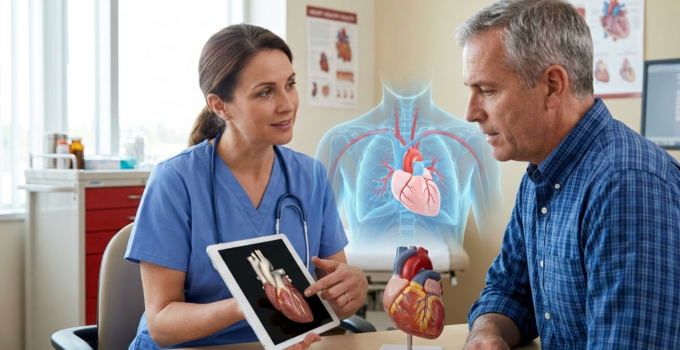
What Are The Heart-Related Causes Of Chest Pain?
A serious cause of chest discomfort is heart disease.
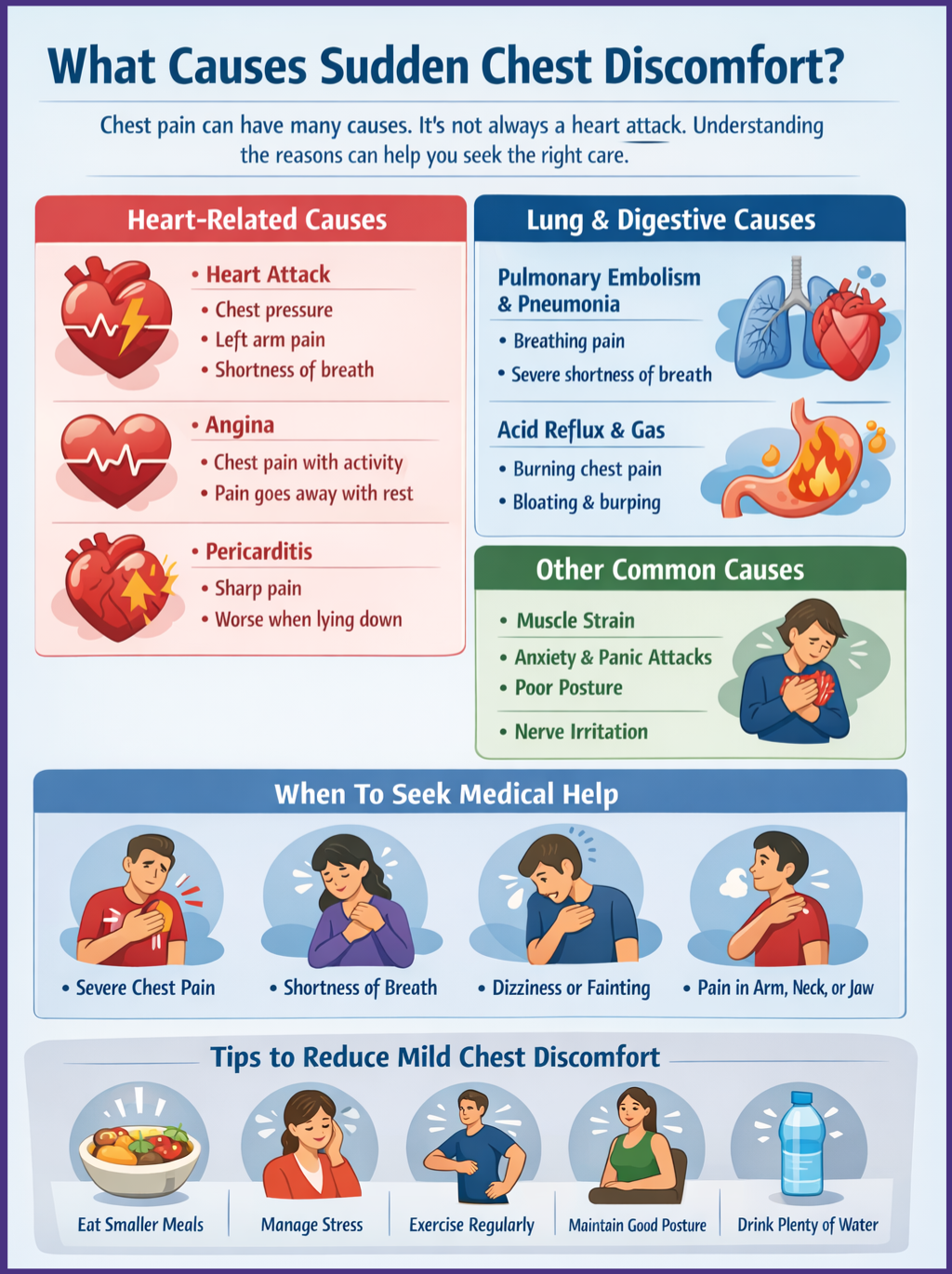
1. Heart Attack
A heart attack can occur when blood flow to the heart muscle is blocked. This may damage the heart and could be threatening.
Common heart attack symptoms may include:
Pressure or tightness that occurs in the centre of the chest
Pain spreading to the left arm, neck, jaw, or back
Shortness of breath
Sweaty/nauseated
Dizziness or fainting
If you experience these symptoms, call for help immediately.
2. Angina
Angina is chest pain caused by the heart muscle not getting enough oxygen. Usually, it occurs with physical activity or stress.
Symptoms of angina may include:
Chest pain or pressure
Chest pain or discomfort that goes away with rest
Pain in the shoulder or arms worsens to other areas of the body
3. Pericarditis
Pericarditis occurs when the membrane covering the heart becomes inflamed and can cause sharp pain when a person breathes deeply or lies down.
Sitting up or leaning forward may reduce the pain.
As per the NIH, Angina is chest pain or discomfort that occurs when part of your heart muscle does not receive enough oxygen-rich blood.
What Are the Causes of Chest Pain on the Left Side?
Chest Pain on Left Side Causes are:
Possible Cause | Description |
Heart conditions | Problems such as angina or a heart attack can cause pain on the left side of the chest. |
Chest wall muscle strain | Overuse of chest muscles from exercise, lifting, or sudden movement can cause pain. |
Rib injury | Fractured or bruised ribs may create sharp pain, especially when breathing or moving. |
Acid reflux can create a burning sensation that may feel like chest pain. | |
Anxiety or panic attack | Stress and anxiety can cause chest tightness, rapid heartbeat, and discomfort. |
What Are The Lung-Related Causes Of Chest Pain
Lung disorders can also cause chest pain.
Common Lung Disorders are:
1. Pulmonary embolism
A blood clot in the lungs may cause chest pain and shortness of breath.
2. Pneumonia
Lung infections can sometimes cause chest pain when breathing deeply.
3. Pleurisy
Infection/inflammation of the lining of the lungs (pleura), which creates tightness and sharp/quick pain upon taking a full or deep breath, will typically cause chest pain when breathing or coughing.
What Are the Digestive Causes of Chest Pain?
Digestive issues frequently cause chest discomfort that feels similar to heart pain.
1. Gas Pain in the Chest
Gas trapped in the stomach can cause pressure or sharp pain in the chest area.
Common gas pain in chest symptoms may include:
Bloating
Burping
Burning sensation in the chest
Pain that improves after passing gas
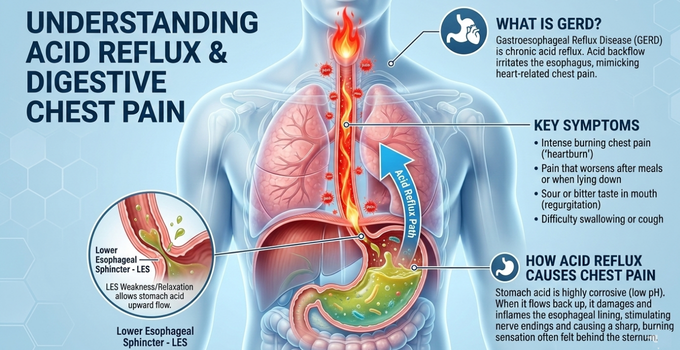
2. Acid Reflux (GERD)
Acid reflux occurs when stomach acid flows back into the oesophagus.
Symptoms may include:
Burning chest pain
Sour taste in the mouth
Pain after eating heavy meals
Chest discomfort while lying down
Can Anxiety Cause Chest Pain?
Anxiety attacks can produce a substantial amount of discomfort in the chest.
Examples of anxiety related to the chest would be:
Tightness in the chest
Increased heart rate
Trouble breathing
Feeling Lightheaded
Tingling In The Extremities.
Muscle tension caused by stress may also contribute to chest pain.
What Causes Chest Pain in Young Adults?
Chest pain in young adults often stems from muscle strain, poor posture, anxiety, digestive problems, and respiratory infections.
There are common causes:
Muscle strains from working out
Having bad posture
Anxiety and stress
Acid reflux
While having a heart attack when you are young is less likely, it is still possible; therefore, if you experience any persistent/severe symptoms, see a doctor.
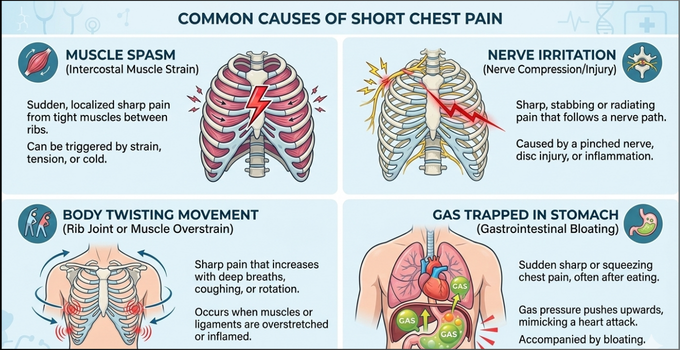
Why Do I Feel Sharp Chest Pain For A Few Seconds?
Minor conditions typically lead to short-lived chest pain due to a tightness feeling (e.g, a quick chest pain that lasts 2 - 5 seconds may also happen due to these different conditions):
1. Muscle Spasms
2. Nerve irritation
3. Distraction (e.g. twisting your body)
4. Air trapped in the stomach or intestines (e.g., GERD)
These symptoms will typically go away fairly quickly, but see your doctor if you continue to have frequent episodes of chest pain or are experiencing an increasing intensity of the chest pains.
Why Does Sudden Chest Pain While Resting Occur?
Sudden-onset chest pain at rest may cause concern for the patient. It might be the Different reasons
The following are possible causes:
Panic or anxiety attack
Coronary artery spasm
Heart rhythm disorder
Acid reflux
A physician should evaluate chest pain with an unknown cause.
How To Reduce Mild Chest Discomfort
If chest discomfort is not due to a serious health issue, simple lifestyle changes can help reduce it.
Here are some things you can do:
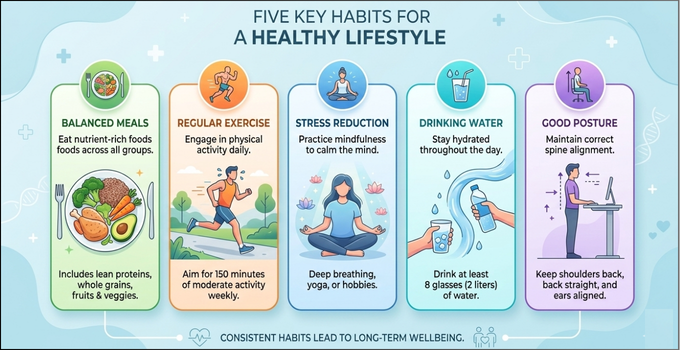
Eat smaller meals
Avoid large amounts of high-fat foods and those with a lot of spice.
Relieve stress by using relaxation strategies
Exercise regularly
Maintain good posture
Drink plenty of water
These may help relieve gas, stress-related chest discomfort and a strained muscle.
FAQs
1. What causes sudden chest pain?
Heart problems, muscle strain, digestive problems, lung problems, and anxiety are all possible reasons for chest pain to occur suddenly.
2. When to worry about chest pain?
You should be concerned about your chest pain when it is pressing, located under your left breast, and going down your left arm. If you have difficulty breathing, sweating, or dizziness, you should seek immediate medical attention, as this may indicate a serious heart problem.
3. Can anxiety or gas cause chest pain?
Anxiety and gas can cause chest pain/tightness. For example, an anxiety or panic attack can create pressure in the chest, while trapped gas can create sharp/burning sensations in the chest.
4. When should chest pain be considered an emergency?
Severe chest pain that lasts more than a few minutes, coupled with shortness of breath, nausea, or fainting, is now considered an emergency. Heart attack or other life-threatening events may cause this level of severity.
5. How to cure chest pain?
Treatment of chest pain is dictated by its cause and may require medication, dietary/lifestyle changes, or possibly surgery. Mild chest discomfort from gas or muscle strain may resolve with rest, adequate hydration, anda healthy diet.
6. Why do I randomly get chest discomfort?
Random chest discomfort may occur due to stress, poor posture, acid reflux, muscle tension, or sudden physical strain. In many cases, the pain is harmless, but it should be checked if it happens frequently.
7. Why do I have a weird and uncomfortable feeling in my chest?
A strange feeling in the chest can occur due to anxiety, digestive problems, muscle tension, or mild heart rhythm changes. If the sensation persists or becomes painful, medical evaluation is recommended.
8. What are the big 5 causes of chest pain?
The five main causes of chest pain include heart problems, lung diseases, digestive disorders, muscle or bone issues, and anxiety-related conditions. Doctors usually examine these categories to determine the exact cause.
9. How do I know my chest pain is not heart-related?
Chest pain that lasts only a few seconds, changes with movement, or improves with antacids may not be heart-related. However, a doctor should evaluate any new or unexplained chest pain to rule out serious conditions.
What’s Worth Remembering?
Sudden chest pain can occur for various reasons. Heart disease is just one possible reason for chest discomfort. In contrast, many chest pains are caused by something completely different, such as a digestive issue, muscle strain, anxiety, or lung disease.
Identifying potential causes of chest tightness may help a person recognise symptoms and decide whether they need medical attention. Anyone with severe, persistent, and unexplained chest pain should have it evaluated by a physician immediately.
Diagnosis and intervention can greatly impact your health and help you avoid or minimise serious consequences.
Read Also
References
Hsia RY, Hale Z, Tabas JA. A national study of the prevalence of life-threatening diagnoses in patients with chest pain. JAMA Intern Med. 2016;176(7):1029-1032. Available from: https://pmc.ncbi.nlm.nih.gov/articles/PMC10853047/
University of California, San Francisco (UCSF). Chest pain is common, but actual severity is often rare [Internet]. San Francisco: UCSF; 2016 [cited 2026 Mar 9]. Available from: https://www.ucsf.edu/news/2016/06/403211/chest-pain-common-actual-severity-rare
National Heart, Lung, and Blood Institute. Angina (Chest Pain) [Internet]. Bethesda (MD): National Institutes of Health; [cited 2026 Mar 9]. Available from:
https://www.nhlbi.nih.gov/health/anginaWebMD. What’s causing my chest pain? [Internet]. Atlanta: WebMD; [cited 2026 Mar 9]. Available from: https://www.webmd.com/pain-management/guide/whats-causing-my-chest-pain
Disclaimer: The content in this blog is for general informational purposes only and is not a substitute for professional medical advice, diagnosis, or treatment. While the information is based on trusted sources, individual needs and results may vary. MrMed does not promote or endorse any specific food or treatment mentioned unless explicitly stated.













Comments