

11 Best Supplements To Lower Blood Pressure





Last updated on 03 Nov 2026
High blood pressure can go unnoticed for years. You may feel well even when your readings are high, while the extra pressure gradually strains your heart and blood vessels. Left unmanaged, it can increase the risk of heart disease, stroke and kidney problems.
The scale of the problem in India is significant. The World Health Organization estimates that 188.3 million Indian adults aged 30–79 were living with hypertension in 2019.
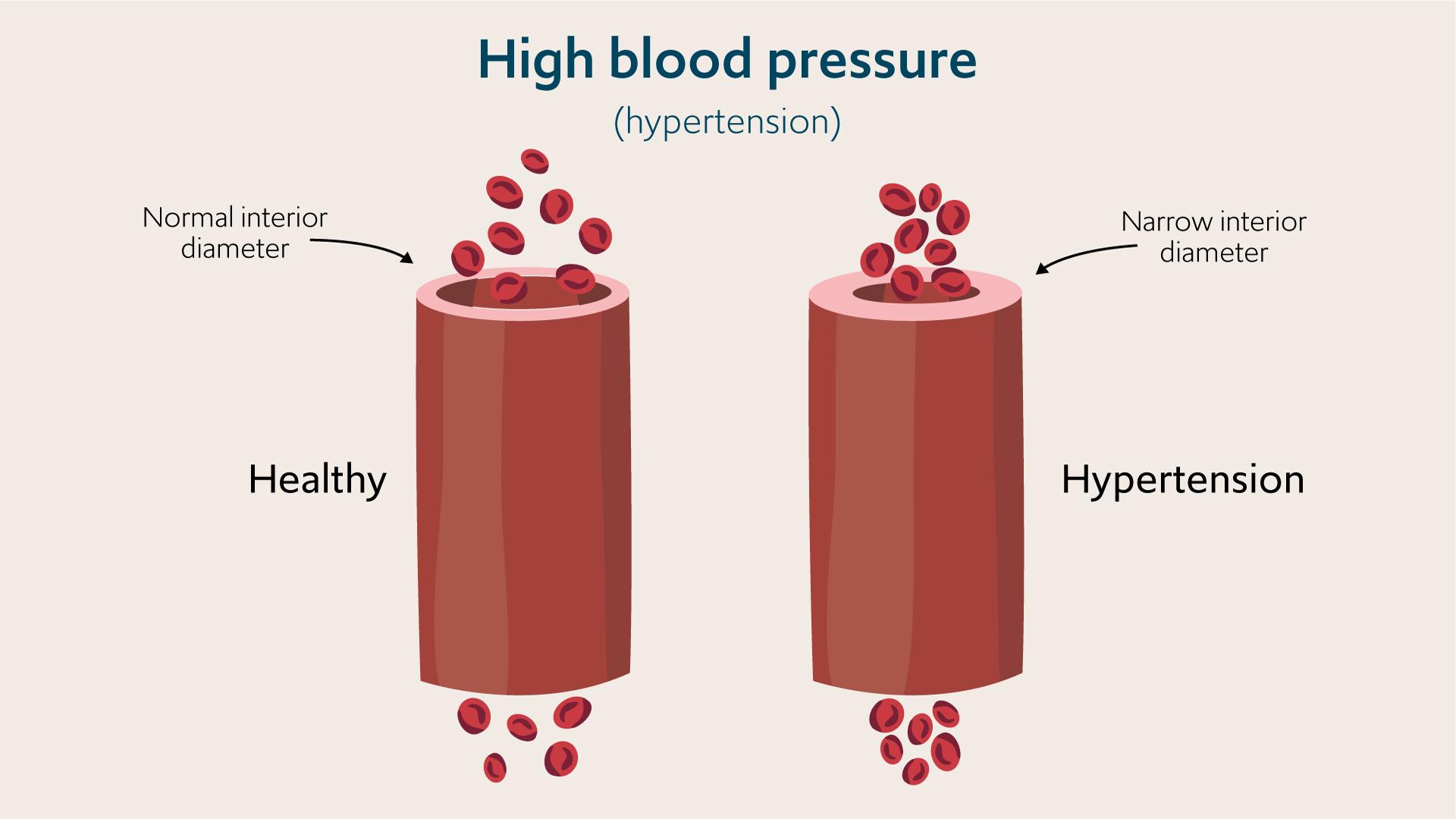
Some supplements may help lower blood pressure slightly, but results vary. Others have little convincing evidence behind them. Before adding one to your routine, it is worth knowing what it may do and whether it is safe for you.
Key Takeaways
|
Best Supplements to Lower Blood Pressure
No supplement works equally well for everyone. Your diet, medical history and current medicines all influence whether one might help.
1. Magnesium for Blood Pressure
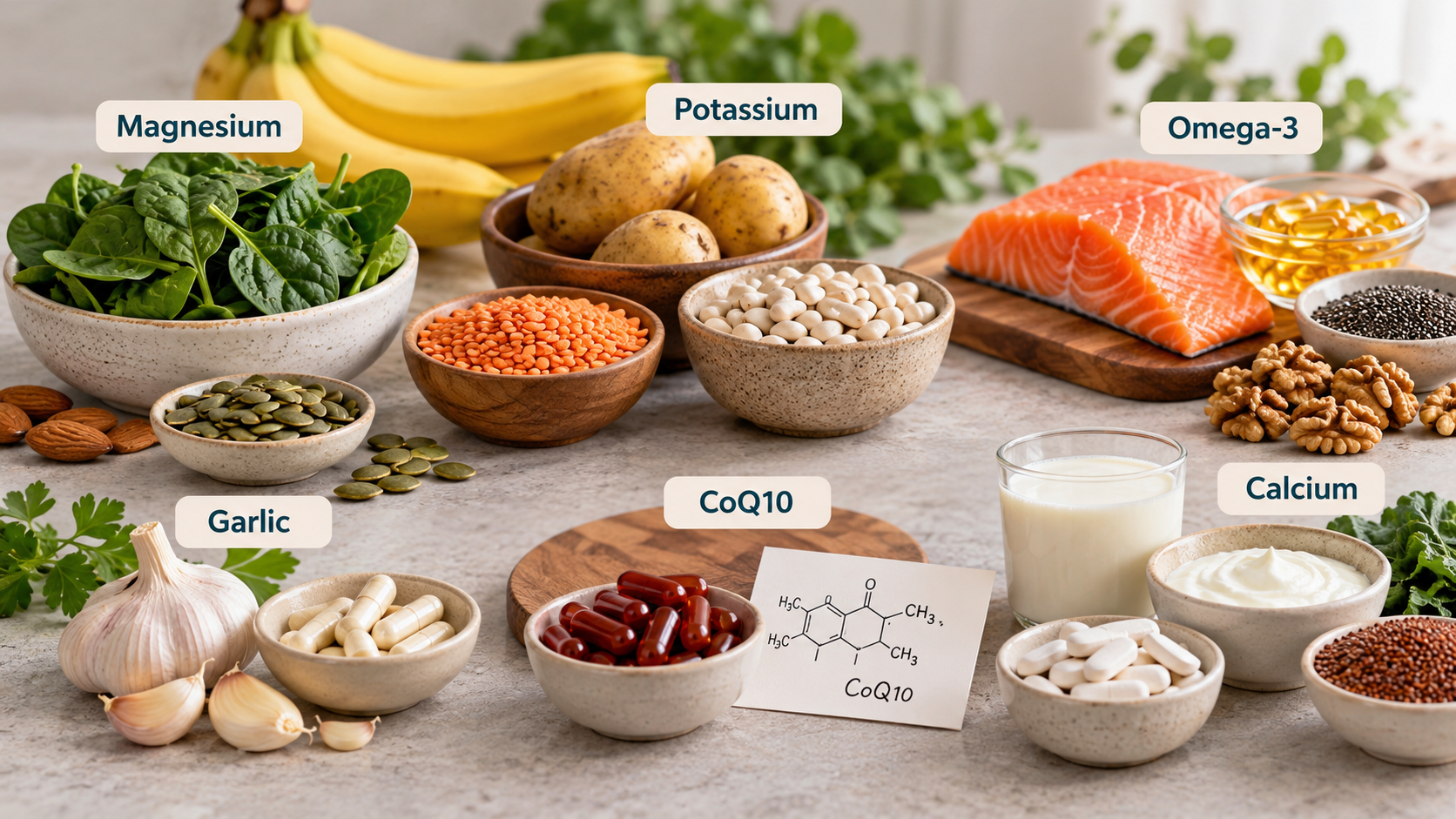
Magnesium supports normal muscle, nerve and blood vessel function. Almonds, pumpkin seeds, beans, lentils, spinach and whole grains are good sources.
Some research suggests magnesium supplements may lower blood pressure slightly. A review of 12 clinical trials involving 545 people with hypertension found an average reduction of about 2.2 mmHg in diastolic blood pressure.
Taking a supplement may offer little benefit if you already get enough magnesium from your diet. It can also cause diarrhoea and interact with some antibiotics and other medicines. If you have kidney problems, speak to your doctor before taking magnesium for blood pressure.
2. Potassium Supplements for High Blood Pressure
Potassium helps balance the effects of sodium, which can raise blood pressure. You can get it from foods such as bananas, potatoes, beans, lentils and spinach.
Getting enough potassium through food may help, particularly if you eat a lot of salt. Supplements are a different matter. Too much potassium can cause dangerous heart rhythm problems.
The risk is higher if you have kidney disease or take medicines such as losartan, certain ACE inhibitors or potassium-sparing diuretics. Ask your doctor before taking potassium supplements for high blood pressure. The NIH potassium fact sheet explains more about its benefits and risks.
3. Omega-3 for Blood Pressure
Omega-3 fatty acids, particularly EPA and DHA, support heart health and may help lower blood pressure slightly, although the effect varies. If you are considering an omega-3 supplement, you can explore Paradox Omega-3 Cardio Capsule as one option.
If you rarely eat fish, an omega-3 supplement may be worth discussing with your healthcare professional. Higher doses can cause side effects and may interact with medicines that affect blood clotting.
4. Garlic Supplements for Blood Pressure
Garlic is a staple in many Indian kitchens, but concentrated supplements are not the same as using it in cooking. Some studies suggest garlic supplements can lower blood pressure in people with hypertension. The evidence is still limited, and results differ between products and studies.
These supplements may cause stomach discomfort and increase the risk of bleeding, particularly if you take anticoagulants or certain other medicines. Garlic can remain part of a balanced diet, but it should not replace prescribed treatment. The National Center for Complementary and Integrative Health provides more information about garlic and its possible effects.
5. CoQ10 for Blood Pressure
Coenzyme Q10, commonly called CoQ10, is produced naturally by the body and helps cells generate energy. It is also available as a supplement. Research on CoQ10 for blood pressure has produced mixed results, so there is not enough consistent evidence to recommend it as a treatment for hypertension.
CoQ10 can interact with medicines such as warfarin. If you take blood pressure medicine or other regular medication, check with your doctor before using it.
6. Calcium Supplements and Blood Pressure
Calcium is important for healthy bones, muscles and nerves. Getting enough may have a small effect on blood pressure, but calcium supplements are not an established treatment for hypertension.
In India, milk, curd, ragi and green vegetables can help you meet your calcium needs. If you already take calcium for bone health or another medical reason, follow your doctor's advice. Taking extra calcium solely to lower blood pressure may not help.
Supplements to Avoid with High Blood Pressure
Some supplements can raise blood pressure or interfere with prescribed medicines. Be particularly careful with:
Licorice root: Products containing glycyrrhizin can cause the body to retain sodium and lose potassium, potentially raising blood pressure.
Ephedra or ma huang: These stimulants can increase blood pressure and heart rate and have been linked to serious cardiovascular complications.
St John's wort: This herb can interfere with several prescription medicines and affect how well they work.
Stimulant-based weight-loss supplements: Some contain ingredients that raise blood pressure and heart rate. Check with your doctor before using them.
Unverified herbal blends: Products promising to lower blood pressure quickly may contain poorly studied ingredients. Their safety and effectiveness may be uncertain.
Even natural products can cause side effects or interact with your medicines. Ask your doctor or pharmacist to check the ingredients before trying natural blood pressure supplements. The American Heart Association's guidance on high blood pressure offers further advice on managing the condition.
Supplements cannot replace BP Medicine
Supplements may offer some benefit, but they cannot reliably take the place of prescribed blood pressure medicine. The World Health Organization (WHO) recommends lifestyle changes to help manage hypertension. Many people also need medication to control their blood pressure and lower their risk of heart disease and stroke.
If you already take blood pressure medicine, do not stop or change your dose because you have started taking a supplement. Speak to your doctor before making any changes to your treatment. If you take blood pressure medicine, do not stop or change your dose because you have started taking a supplement. Speak to your doctor first, even if your readings improve.
If you are considering supplements for BP control, your doctor can help you weigh the possible benefits against the risks. Your medical history, current medicines and nutritional needs all matter.

Lifestyle Changes That Support Healthy Blood Pressure
Daily habits play an important role in blood pressure management.
Cut back on salt. Too much sodium can raise blood pressure. Watch your intake of packaged snacks, pickles, papads and other salty foods.
Eat a varied diet. Include vegetables, fruits, whole grains, pulses and nuts. Foods such as bananas, beans and leafy greens provide potassium. If you have kidney disease or take certain medicines, ask your doctor whether you need to limit your potassium intake.
Stay active. Regular walking, cycling or another suitable activity can support healthy blood pressure. Start at a manageable level and build a routine you can maintain.
Check your blood pressure. Regular readings help you and your doctor see whether your treatment is working. Follow your healthcare professional's advice on when and how to measure it.
Take prescribed medicines as directed. If you experience side effects or your readings remain high, speak to your doctor rather than stopping treatment yourself. If your blood pressure remains high, arrange a medical review. Adding more supplements may not help; your treatment may need adjusting.
FAQs
What are the top five supplements for lowering blood pressure?
Magnesium, potassium, omega-3, garlic and CoQ10 are often discussed for blood pressure management, but the evidence varies. Magnesium, omega-3 and garlic may offer modest benefits. Potassium can help, but supplements may be unsafe for people with kidney problems or those taking certain medicines. Research on CoQ10 remains mixed.
None is right for everyone. Your diet, health and current medicines matter when choosing a supplement.
What vitamin makes blood pressure go down?
No vitamin is proven to reliably lower high blood pressure. Low vitamin D levels have been linked to hypertension, but studies have not consistently shown that supplements reduce blood pressure.
If you have a vitamin D deficiency, your doctor may recommend supplements. Taking extra vitamins without a clear need is unlikely to control hypertension.
What supplements can help reduce high blood pressure?
Some evidence suggests magnesium, omega-3 and garlic supplements may lower blood pressure slightly. Getting enough potassium may also help, but potassium supplements need particular care.
Before taking supplements to lower blood pressure, speak to your healthcare professional, especially if you have kidney disease or take prescription medicines.
Does magnesium lower blood pressure?
Magnesium supplements may lower blood pressure slightly, although the effect varies. People who do not get enough magnesium from their diet may benefit more.
Nuts, seeds, beans and leafy greens are good food sources. Before taking magnesium for blood pressure, check with your doctor, particularly if you have kidney problems or take other medicines.
Does potassium lower blood pressure?
Potassium helps balance sodium and regulate blood pressure. Getting enough may be particularly helpful if you consume a lot of salt.
However, potassium supplements for high blood pressure can be dangerous for people with kidney disease or those taking certain medicines. Ask your doctor before using them.
Can omega-3 lower blood pressure?
Omega-3 may lower blood pressure slightly in some people. It occurs naturally in oily fish, such as sardines and mackerel, and is also available as a supplement.
If you are considering omega-3 for blood pressure, speak to your healthcare professional, particularly if you take blood-thinning medicines.
What is the best supplement for high BP?
There is no single best supplement for high BP. Magnesium, omega-3 and garlic may offer modest benefits, but results vary. Potassium supplements are only appropriate for some people.
Your health conditions, diet and current medicines should guide your choice.
Can supplements help with BP control without medication?
Some supplements may support blood pressure management, but they cannot replace prescribed treatment. If you want to use BP supplements alongside your current medicines, speak to your doctor first. They can check whether a supplement is suitable and whether it could interact with your treatment.
Also Read
Tricks to Lower Blood Pressure Instantly: What Should You Do?
Know What Causes Low Blood Pressure And Its Effects On Heart
References
http://www.who.int/publications/m/item/hypertension-ind-2023-country-profile
https://ods.od.nih.gov/factsheets/Magnesium-HealthProfessional/
https://www.nccih.nih.gov/health/hypertension-high-blood-pressure
https://ods.od.nih.gov/factsheets/VitaminD-HealthProfessional/
Disclaimer: This article is for educational purposes only and does not replace professional medical advice. Consult your healthcare professional before starting supplements, particularly if you have high blood pressure, kidney disease or take prescription medicines.












Comments