

Why Does Blood Pressure Fluctuate in Cold Weather?





Last updated on 06 Feb 2026
Blood pressure can often become unstable and increase due to winter weather conditions that constrict blood vessels at lower temperatures, reducing your body's ability to move blood throughout the body, increasing cortisol levels, and may change the way you normally do everyday activities like exercise and hydrate.
One or more of these factors can lead to sudden changes in blood pressure, with blood pressure rising or falling very quickly.
Key Takeaways:
|
Every year during winter, we see more patients who experience unstable blood pressure readings, who feel dizzy and have sudden blood pressure spikes. It’s important to be aware of any seasonal triggers, so you can help prevent complications before they occur.
Why Does Cold Weather Affect Blood Pressure So Strongly?
When you are in a cold environment, your body's metabolism must work harder to maintain body temperature. The blood vessels in your body constrict to help keep heat, increasing blood resistance and the workload on the heart, which in turn increases heart rate.
The physiological response is the primary reason that many individuals find that their blood pressure readings during cold weather are, on average, elevated.
The winter season is also associated with:
Reduced levels of activity.
Heavier meal consumption.
Lower consumption of fluids.
Higher levels of stress.
These factors create an environment conducive to unstable blood pressure readings.

How Blood Vessel Narrowing Raises Pressure in Winter
As per Dr Arvind Kumar, Senior Cardiologist at Medanta Heart Institute, Mumbai, cold temperatures cause blood vessels to tighten, which directly raises blood pressure. In India, winter spikes are common, especially among older adults and people with existing hypertension.
Vasoconstriction is the body’s natural response to cold temperatures. When you are exposed to cold, your blood vessels tighten and become narrower to conserve heat. This narrowing increases resistance to blood flow, which forces the heart to pump harder and causes blood pressure to rise.
As a result of this process:
The arteries have increased pressure.
Oxygen delivery has been reduced.
The heart works harder.
Because of this, physicians frequently observe elevated blood pressure levels during the winter season in patients whose blood pressure is normal during the warmer seasons.
Frequent contractions and relaxations of the blood vessels also contribute to blood pressure surges when a person is exposed to cold environments.
Why Blood Pressure Fluctuates Instead of Staying High
Some individuals experience abrupt changes in their blood pressure rather than a stable pattern throughout the day.
The following are reasons for fluctuations in blood pressure:
Abrupt temperature changes (going from a warm house to outdoor temperatures).
Increased levels of stress hormones when the air temperature is low.
Dehydration makes the blood thicker.
Inconsistent eating or sleeping schedules.
These factors contribute to more of the major causes of blood pressure fluctuations during the winter season.
The Hidden Role of Dehydration in Winter Blood Pressure
Studies from Indian hospitals in 2024 show that blood pressure readings increase by 5 to 10 mmHg on average during winter months, raising heart attack and stroke risk.
People drink less water when it is cold because their thirst signals drop.
But dehydration:
Makes blood thicker.
Reduces circulation efficiency.
Forces the heart to work harder.
This strong link between dehydration and blood pressure explains why some people experience sudden increases in blood pressure or even dizziness from low-volume flow.
In severe cases, dehydration can also contribute to low blood pressure in cold weather, especially in older adults.
How Reduced Activity Triggers Winter Fluctuations
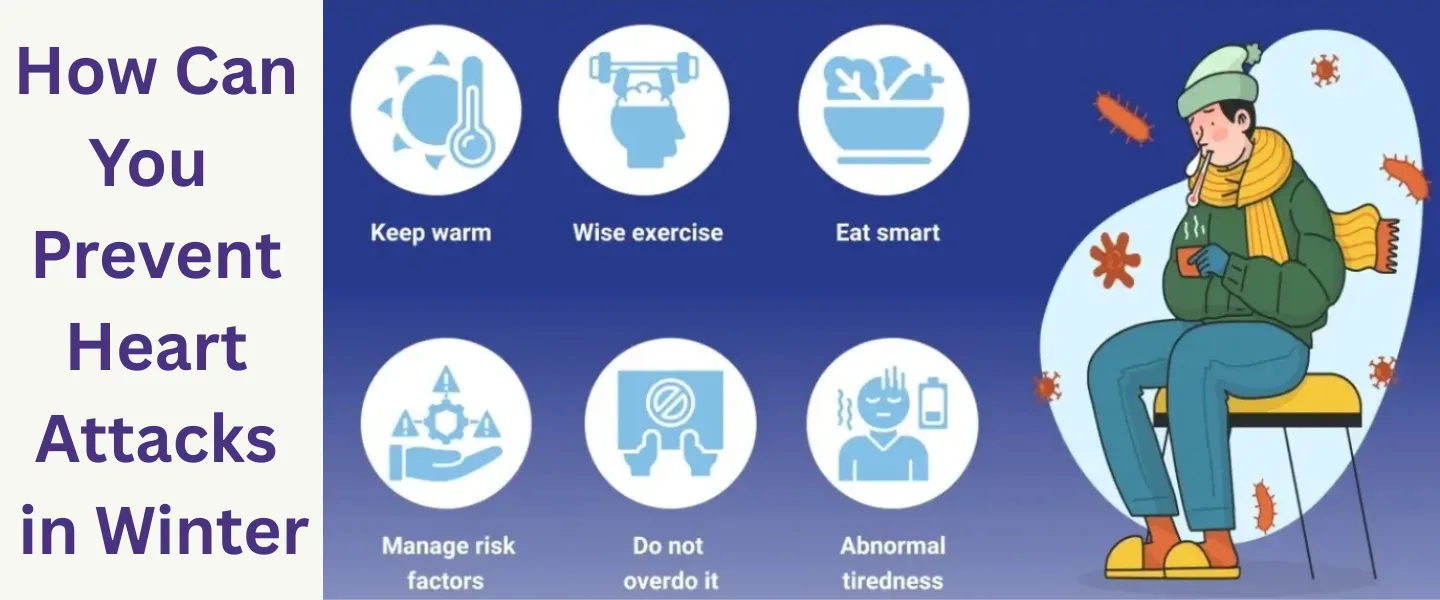
The Indian Council of Medical Research in 2025 advises regular blood pressure monitoring, staying hydrated, maintaining physical activity, and managing stress, especially in colder months when pressure tends to rise.
Cold discourages walking, exercise, and outdoor movement.
This leads to:
Slower metabolism.
Weight gain.
Poor circulation.
Reduced physical activity winter months allows blood pressure to rise gradually and fluctuate more often.
Why Morning Blood Pressure Surges Are Stronger in Winter
Blood pressure naturally rises in the early morning as hormones prepare the body for waking.
This stronger morning blood pressure surge happens because:
Blood vessels are already narrowed.
Stress hormones peak.
Circulation is slower after sleep.
This is why heart attacks and strokes occur more frequently in early winter mornings.
Stress and Seasonal Pressure Changes
Winter brings:
Work fatigue.
Poor sleep.
Less sunlight.
Holiday stress.
These raise cortisol and adrenaline, which tighten blood vessels.
The connection between stress and blood pressure winter months explains why emotional strain often triggers sudden spikes.
Why Elderly People Are More Affected
Age makes blood vessels less flexible.
In cold conditions:
Vessel narrowing becomes stronger.
Pressure rises faster.
Dizziness becomes more common.
This makes winter changes in elderly blood pressure more dangerous and unpredictable.
Falls, fainting, and complications increase during colder months.
Symptoms of Fluctuating Blood Pressure in Cold Weather
Common fluctuating blood pressure symptoms include:
Headaches.
Dizziness.
Blurred vision.
Chest tightness.
Fatigue.
Shortness of breath.
Cold hands and feet.
Some people feel nothing at all, which is why regular monitoring matters.
How Temperature Directly Impacts Circulation
Research consistently shows a strong link between temperature and blood pressure.
As the temperature drops:
Pressure rises.
Heart workload increases.
Circulation efficiency drops.
These winter blood pressure changes occur even in the absence of illness.
Simple Lifestyle Habits That Help Stabilise Winter Blood Pressure
These lifestyle tips for winter blood pressure can prevent major swings:
Habit | Benefit |
Drink warm water often | Prevents dehydration |
Walk daily indoors/outdoors | Improves circulation |
Eat lighter meals | Reduces strain |
Manage stress | Controls hormone spikes |
Keep warm | Prevents vessel tightening |
Monitor BP regularly | Detects early rises |
Consistency keeps readings steady.
When Should You Be Concerned?
Seek medical advice if you experience:
Frequent high readings.
Severe dizziness.
Chest pain.
Sudden pressure drops.
Uncontrolled spikes.
Cold-related fluctuations can worsen heart disease if ignored.
Frequently Asked Questions
1. Why does blood pressure rise more in winter than in summer?
Cold causes blood vessels to tighten, increasing resistance and raising pressure.
2. Can cold weather cause low blood pressure, too?
Yes. Dehydration and poor circulation may cause sudden drops in some people.
3. Should medication change in winter?
Doctors sometimes adjust doses based on seasonal readings.
4. Is winter hypertension dangerous?
Yes. It increases heart attack and stroke if uncontrolled.
5. How often should BP be checked in winter?
At least several times per week if you have hypertension.
Final Thoughts
Winter quietly places extra strain on your heart and blood vessels. From narrowed arteries to dehydration and reduced activity, many small changes combine to create unstable blood pressure. With awareness, regular monitoring, and simple daily habits, most winter-related fluctuations can be controlled safely.
Read Also
References
Disclaimer
This article is for educational purposes only and does not replace medical advice. Always consult a healthcare professional for diagnosis, treatment, or changes in medication.














Comments