

Silent Dehydration in Winter: Why Thirst Disappears But Risk Does Not





Last updated on 30 Jan 2026
Dehydration is common in winter because thirst decreases, even though the body continues to lose fluids through dry air, heating, and normal bodily functions.
Key Takeaways:
|
In winter, dehydration sneaks up on you and gets passed off as normal seasonal fatigue. Being mindful and following the basic practices of drinking water intermittently, opting for warm fluids and monitoring urine colour will ensure you are well-hydrated and avoid any unnecessary discomfort.
Winter has a sneaky way of making dehydration feel impossible. You’re not sweating, the air feels cool, and you barely notice thirst. So you drink less without thinking twice. Then comes the headache, the sluggishness, the dry lips, or constipation that seems to appear out of nowhere.
This is cold-weather dehydration, and it is far more common than people expect. The biggest issue is not that winter makes you lose less water. It’s winter makes you forget to replace it. The thirst response becomes weaker in cold weather, yet your body still loses fluid through breathing dry air, heated rooms, and even increased urination.
Let’s break down exactly why dehydration happens in winter and how to prevent dehydration in winter.
What are the causes of dehydration in winter?
Dehydration in winter happens mainly because thirst becomes weaker. Cold temperatures reduce the brain’s thirst signals, so you do not feel the need to drink as often.
Even in winter, your body loses fluid through urination, digestion, and breathing. Cold weather can increase urine output, leading to extra fluid loss even when you are resting or indoors.
Dry air plays a major role. Winter air holds very little moisture, and indoor heating dries the air further. This causes moisture loss from the skin, mouth, and lungs without visible sweating. Many people also rely more on tea or coffee and drink less plain water, which adds to the problem.
Because these changes feel subtle, dehydration can develop quietly over time.
“In winter, dehydration does not shout. It whispers.”
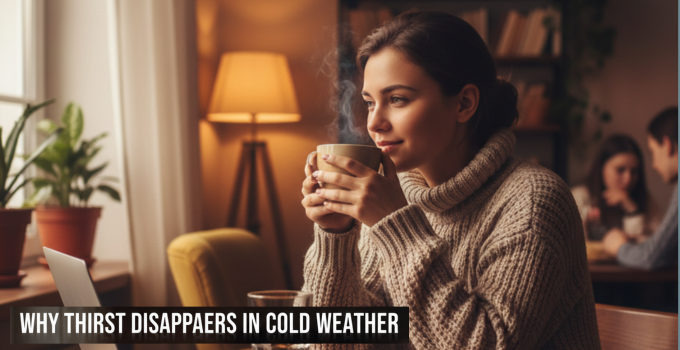
Why does thirst disappear in winter even when the risk stays high?
In colder climates, “Silent Dehydration” occurs after the warm weather has passed. During warmer months, people are more aware of their thirst; however, during colder months, this same feeling of thirst becomes subtler and, at times, disappears completely.
When you combine colder temperatures with the fact that individuals will not recognise when they are dehydrated until they have either experienced symptoms or gone too long without water, many individuals will ultimately feel the initial effects of dehydration before realising they are experiencing something else. Often, you will find that dehydration manifests as tiredness or headaches, highlighting the connection between dehydration and headaches during winter. As a result, many people misinterpret these feelings as "winter tiredness."
The honest answer is that while our bodies do use the thirst mechanism to signal the need for more fluids, it is less effective in colder weather, often leading to a false sense of security.
A recent Indian Express article cited an expert who pointed out that up to 75 % of Indians may be dehydrated to some degree, based on health data and medical observations. While this figure spans all seasons, it highlights that inadequate hydration is widespread, and this risk persists in winter when thirst cues drop but fluid loss continues.
Quick tip: If you only drink when you feel thirsty in winter, you are probably already behind on fluids. |
What are the symptoms of dehydration in winter?
Dehydration during the winter months can be somewhat hidden and can be very easily overlooked. Rather than an intense sense of thirst, most individuals feel minor discomforts that are mixed into a winter lifestyle.
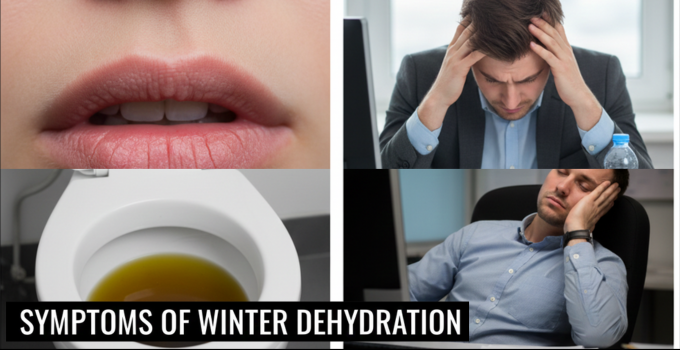
The most common signs of dehydration that we see during the winter months include:
Dry Mouth and Lips
Sluggishness or fatigue caused by dehydration
Dull Headaches (from dehydration)
Dark Urine or Little Urination
Dizziness/Light Headed
Constipation (from dehydration)
These are also signs of winter-related dehydration in individuals who feel they have been drinking "normally".
A quick and effective way to check for hydration is by evaluating the colour of your urine. A light straw colour usually indicates a fairly healthy level of hydration, while a dark yellow colour generally indicates the need for increased fluid intake.
Simple self-check: If your lips, head, and energy all feel off together, dehydration is often the missing link. |
What are the signs of dehydration that people often miss in winter?
Dehydration can manifest in obvious ways, but during the winter months, there are also a number of less obvious signs. A person may think that his or her dry skin is merely due to winter and that headaches are a result of stress.
Some of the warning signs that are frequently overlooked:
Waking up with a dry throat and bad breath
Having cracked lips that seem to never heal
Poor concentration or "brain fog"
Becoming tired by late afternoon for no real reason
Becoming constipated and not knowing why
These symptoms are often indicative of dehydration during the winter months, particularly if you spend a lot of time indoors near a heat source, or if you mostly drink tea or coffee rather than water.
Pause and checkIf you feel tired or foggy most afternoons, ask yourself when you last drank water, not coffee or tea. |
How does dry air dehydration make winter dehydration Symptoms worse?
Dehydration is caused by both external factors, such as dry air outside, and internal factors, such as dry air inside the home. The normal indoor environment has far lower humidity than the normal exterior environment because the indoor environment generally does not have any form of humidity (HVAC or human-made). The heating systems/dehumidifiers inside of homes remove additional moisture/dampness from indoor air, which leads to an additional loss of fluids through respiration because of dry air.
Dry air dehydrates without causing sweating; it leads to a slow loss of moisture from your mouth/throat/airways, resulting in an increasingly dehydrated state over time.
Dry air dehydration shows itself in the following ways for many individuals:
Tooth/throat discomfort
Nose dryness/slight irritation
Eye discomfort
Lip dryness
Individuals working in heated offices or with heating systems running overnight frequently experience dehydration upon waking during the winter months, despite having performed no strenuous physical activity at the end of the previous workday.
How much water should you drink in winter?
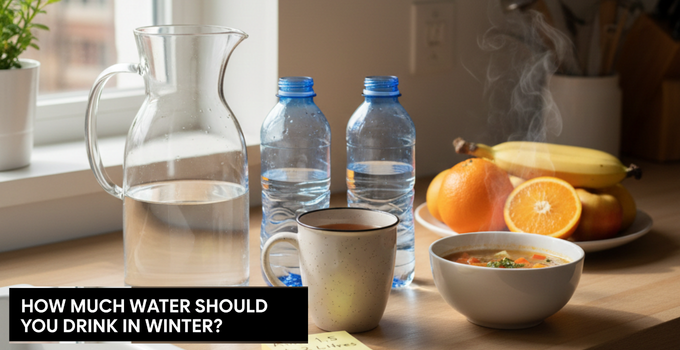
Most adults should consume about 1.5 to 2 litres of fluids each day during wintertime. You can adjust this amount based on activity level, body weight, and surrounding temperature.
The goal is not to focus exclusively on numbers, but to ensure you maintain proper hydration by staying attuned to your body and being conscious of how it feels when hydrated.
Example factors that indicate you are drinking enough fluids are:
Light-colored, clear urine
Consistent levels of energy
Fewer migraines or headaches
Less incidence of constipation
Hydration is more than just water alone. You can also get hydrated by drinking soups, eating fruits, drinking juices (some fruits are juicy), eating stews, etc.
Ultimately, do not feel obligated to drink water all of the time. Focus on preventing yourself from developing a habit of not drinking enough fluids during cold winter months when you may lose your thirst signals.
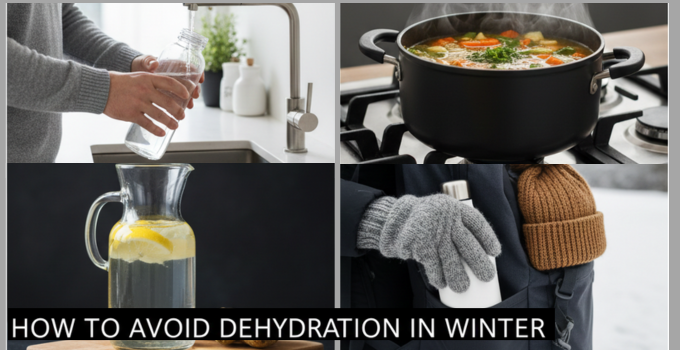
How to avoid dehydration in winter without forcing yourself to drink water all day?
Habits are more powerful than willpower when it comes to your body; therefore, you should habitually stay hydrated during the winter months instead of waiting until you feel thirsty to drink.
Realistic ways to stay hydrated during winter:
Drink one glass of water with breakfast and lunch
Keep a water bottle on your desk, visible at all times
If drinking cold isn't appealing, try warm instead
Add lemon or ginger to your drinks to make it easier to continue drinking
Use soup or broth in your daily meals
Drink water before going on long walks - don't wait until afterwards
Overall, these simple methods are the most successful ways to prevent dehydration in the wintertime. These habits focus on preventing dehydration in winter without making hydration feel like a chore.
FAQs
1. Why do I feel dehydrated in winter even when I drink tea or coffee?
Because tea and coffee don’t always make up for the water you’re missing. In winter, people naturally drink less water, plus heated rooms and dry air pull moisture from your body. So you can still end up dehydrated.
2. Can cold-weather dehydration happen indoors?
Yes, easily. Indoor heating dries the air, and you lose moisture every time you breathe. Since thirst is weaker in winter, you often don’t realise you’re drinking too little until symptoms start showing up.
3. What are the most common dehydration symptoms in winter?
Dry lips, dry mouth, headaches, tiredness, darker urine, dizziness, and constipation. The annoying part is that these can feel like “normal winter problems”, so many people don’t link them to dehydration.
4. Is thirst a reliable sign of dehydration in winter?
Not really. Winter often switches thirst off even when your body needs water. In cold months, dehydration tends to show up first as fatigue, headaches, dry mouth, or darker urine, not a strong thirst.
5. How much water should you drink in winter?
There’s no perfect number, but most adults do well around 1.5 to 2 litres a day. The simplest check is urine colour. If it’s pale, you’re likely fine. If it’s dark, you need more fluids.
What’s Worth Remembering?
If you tend to feel weighed down or foggy during the winter months, it may be a good reason to drink more water. Although you may not get thirsty in winter as often as in summer, you are likely still dehydrated due to your heating system (which may be drying your skin), environmental factors (such as dry air), and not drinking enough.
“Winter comfort can hide dehydration. Drink regularly, not just when thirst appears”
Read Also
References
Walavalkar SM, et al. Knowledge of dehydration and hydration practices among adults in India. J Soc Indian Physicists. 2023;3:1–8.
Ministry of Health and Family Welfare (MoHFW). Public Health Advisory: Extreme Heat/Heatwave [Internet]. Government of India; 2024 [cited 2026 Jan 28]. Available from: https://ncdc.mohfw.gov.in/wp-content/uploads/2024/03/NPCCHH_Public-health-advisory_Extreme-heat_Heatwave_2024.pdf
Li S, et al. Hydration Status in Older Adults: Current Knowledge and Future Challenges. Nutrients. 2023;15(5):110.
Disclaimer: The content in this blog is for general informational purposes only and is not a substitute for professional medical advice, diagnosis, or treatment. Always consult your doctor or a registered dietitian before making any changes to your diet, especially if you have a medical condition or are taking prescribed medication. While the information is based on trusted sources, individual needs and results may vary. MrMed does not promote or endorse any specific food or treatment mentioned unless explicitly stated.












Comments