

Epilepsy Treatment Explained: Medications, Surgery, and Natural Ways to Manage Seizures





Last updated on 02 Jan 2026
Key Takeaways
|
Epilepsy affects millions of people worldwide and remains one of the most misunderstood neurological disorders. While there is no universal cure, modern treatments have helped many individuals live stable, seizure-free lives. From medicines to surgery and supportive natural therapies, personalised care is key to better outcomes.
This guide explains the medical and lifestyle strategies used today, what patients can expect from their doctors, and how to manage health actively every day.
Why Treating Epilepsy Early Matters
The Indian Government’s operational guidelines estimate more than 10 million people with epilepsy (PWE) in India, with a prevalence of around 1% of the population.
Uncontrolled seizures can interrupt daily activities, increase the risk of injury, affect learning and work performance, and, in rare cases, lead to life-threatening complications. Early diagnosis and effective epilepsy management help improve quality of life and reduce long-term risks.
Doctors personalise treatment based on seizure type, frequency, cause, age, and response to therapy. Most people respond well to the first line of treatment when taken correctly.
Medications to Control Seizures
ICMR Standard Treatment Workflow (STW) – Epilepsy (2019) advocates monotherapy first, with drugs such as valproate, carbamazepine, levetiracetam, lamotrigine, etc., listing starting and maintenance doses and major side-effects.
The first approach in epilepsy treatment usually involves antiseizure medication (also called antiepileptic drugs or AEDs). These medicines work in different ways:
Reducing excessive electrical activity in the brain
Controlling how brain cells communicate
Preventing seizures from spreading
Commonly Prescribed AEDs
Your neurologist may prescribe medicines such as:
Valproate
Levetiracetam
Carbamazepine
Lamotrigine
Some medicines work better for particular seizure types, so accurate classification of epilepsy is essential.
Importance of Compliance
Missing doses is one of the most common reasons for recurring seizures. Patients are advised to take medicines exactly as prescribed, even when they feel completely fine.
Epilepsy Medicine Side Effects You Should Know
All medicines can have side effects, though many are temporary. These may include:
Drowsiness
Weight changes
Dizziness or mood shifts
Skin rashes
Doctors closely monitor dosing and adjust medicines over time to balance safety and seizure control.
If side effects are severe or persistent, patients should speak to their neurologist before discontinuing any medication.
When Medicines Are Not Enough: Surgical Treatments
Indian Epilepsy Society / Indian Epilepsy Association, with Dr M. Gourie-Devi as convenor; Prof Manjari Tripathi (AIIMS) attributes: Most people with epilepsy can be rendered seizure-free with appropriate, low-cost antiseizure medication if diagnosed correctly and treated consistently.
Around 30% of people do not fully respond to medication alone. In such cases, doctors may recommend epilepsy surgery or stimulation-based therapies.
Types of Surgery for Epilepsy
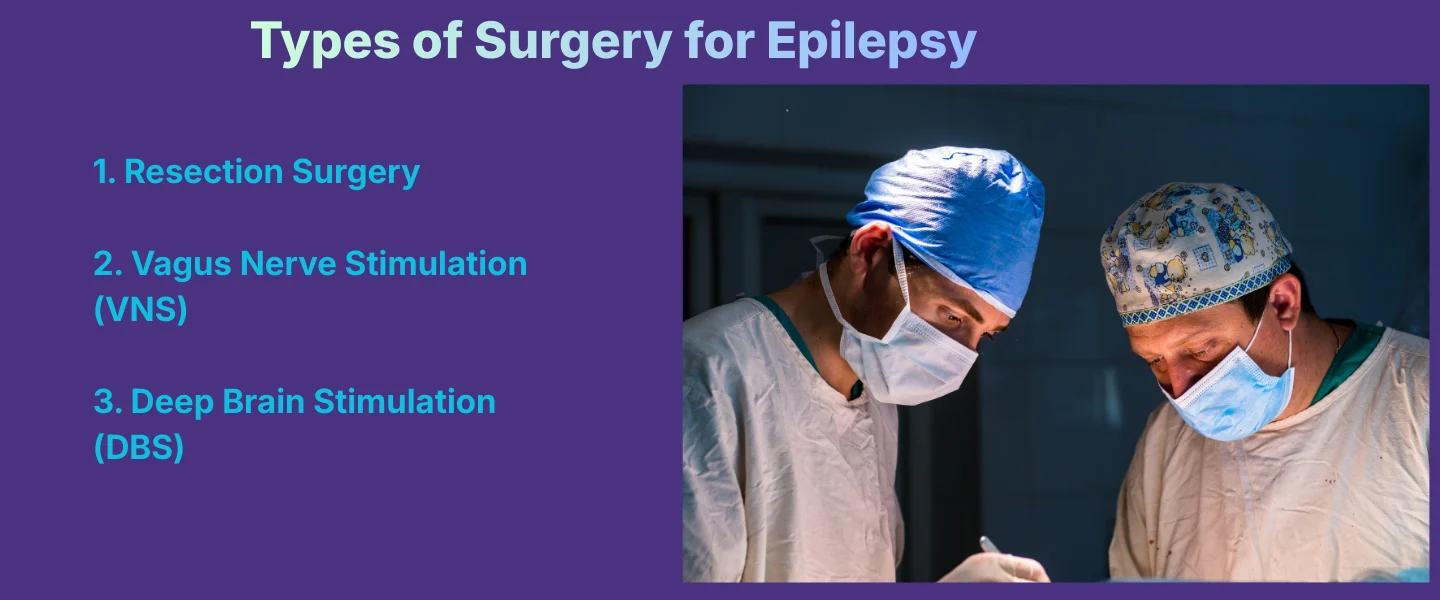
Resection Surgery
Surgeons remove the small, seizure-origin region of the brain (commonly the temporal lobe). Many patients become seizure-free afterwards.Vagus Nerve Stimulation (VNS)
A device implanted in the chest sends electrical impulses to the brain through the vagus nerve, reducing seizure frequency.Deep Brain Stimulation (DBS)
A tiny electrode is placed inside specific brain regions to regulate abnormal electrical signals.
Who Qualifies for Surgery?
Doctors conduct multiple tests, such as video EEG and MRI, to identify whether the seizure source is removable and whether surgery is safe.
Success rates can be very high when candidates are selected carefully.
Diet-Based Therapies to Reduce Seizures
Research supports the role of nutritional therapy along with medical care. The ketogenic diet epilepsy program is the most well-known dietary plan. It uses a high-fat, moderate-protein, and low-carbohydrate diet to reduce seizure activity.
Other options include:
Low-Glycemic-Index Treatment (LGIT)
Modified Atkins Diet (MAD)
These diets are usually supervised by neurologists and dietitians, especially in children.
How diet works: The shift from glucose to fats for energy produces ketones in the brain, helping stabilise neuronal activity.
Natural and Alternative Supportive Options
Prof. Manjari Tripathi, Professor, Department of Neurology, All India Institute of Medical Sciences (AIIMS), New Delhi, emphasised that with early diagnosis, correct seizure classification and rational antiseizure medication, up to 70% of people with epilepsy can achieve long-term seizure freedom. Yet, a large treatment gap persists in India due to a lack of awareness, stigma, and non-specialist access.
While medicines remain the foundation, natural treatment for epilepsy may help improve seizure control and overall wellness. These should be used only after medical approval.
Popular supportive therapies include:
Yoga, deep breathing, and meditation to regulate stress
Biofeedback to monitor and manage brainwave activity.
CBD-based therapies under medical guidance
Good sleep hygiene and regular exercise
Avoiding seizure triggers such as flashing lights or sleep deprivation
These approaches reflect growing patient demand for epilepsy alternative therapies, especially when seizures are linked to stress or lifestyle factors.
Day-to-Day Self-Management Tips for Epilepsy
Consistency and awareness help reduce seizure frequency. Doctors advise:
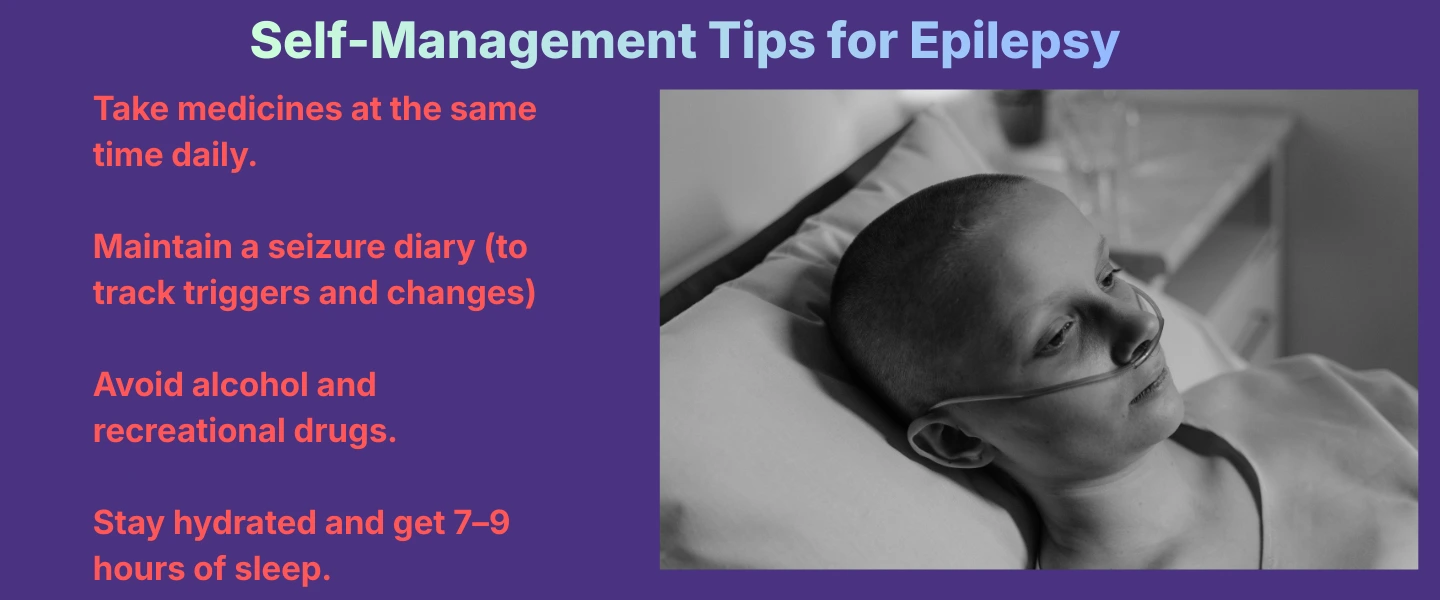
Take medicines at the same time daily
Maintain a seizure diary (to track triggers and changes)
Avoid alcohol and recreational drugs.
Stay hydrated and get 7–9 hours of sleep.
Use safety precautions: shower instead of bathing, and cook carefully.
Inform close friends or coworkers how to assist during a seizure.
Support systems help prevent stigma and make emergency responses quicker.
Should You Stop Medicines If Seizures Reduce?
Never discontinue AEDs without medical approval.
Some patients may successfully lower the dosage or taper off after several years of seizure freedom, but only after careful evaluation.
Sudden stoppage can provoke dangerous seizure recurrence.
A Team-Based Approach Helps You Live Well
Successful epilepsy management involves:
Neurologists
Neurosurgeons (if surgery is considered)
Dietitians (for ketogenic therapy)
Psychologists or counsellors (for emotional support)
A multi-disciplinary strategy gives the best outcomes.
FAQs
1) Can epilepsy be cured completely?
Some individuals become seizure-free, especially with surgery, but most aim for long-term control with medicines and lifestyle management.
2) What if one antiseizure medication doesn’t work?
Your doctor may change the dosage, switch medicines, or combine AEDs before exploring surgical options.
3) Is the ketogenic diet safe for everyone?
It must be medically supervised, especially for children or those with metabolic or kidney disorders.
4) Can lifestyle changes reduce seizures?
Yes. Managing stress, sleep, and triggers significantly contributes to seizure reduction.
5) Are alternative therapies enough to control epilepsy?
Never rely on them alone. They work only as supportive care alongside medically prescribed treatment.
Final Thoughts
Epilepsy is manageable, and treatment choices today are more effective than ever. With the right mix of medication, surgical advances, dietary therapy, and supportive natural practices, many people lead active, independent lives. Staying informed, following medical guidance, and tracking your triggers empower you to take control of your health and reduce seizure burden.
Read also
References
https://www.mayoclinic.org/diseases-conditions/epilepsy/diagnosis-treatment/drc-20350098
https://www.medicalnewstoday.com/articles/natural-remedies-for-epilepsy
Disclaimer: The information shared in this blog is meant for general educational purposes only and should not be taken as medical advice. Always consult a qualified healthcare professional for diagnosis, treatment, or medical guidance related to your health. The content is based on reliable sources, but it may not be suitable for every individual’s condition. We do not assume responsibility for any actions taken based on this information. Readers are encouraged to exercise caution and use their discretion when making healthcare decisions.














Comments