

How Serious Is Pulmonary Fibrosis? Everything You Need to Know





Last updated on 03 Jun 2026
Pulmonary fibrosis (PF) is a progressive disease that causes scarring of the lungs. As PF progresses over months to years, the lung tissue becomes thickened, stiff, and inflexible, thereby inhibiting the lungs' ability to fully expand and transfer adequate amounts of oxygen into the bloodstream.
Although PF typically progresses slowly, it may reach an advanced state and require active intervention to prolong and maintain your quality of life. By understanding the nature of PF, its course, and available treatments, you can make more timely decisions about your health care needs and improve your overall quality of life.
Key Takeaways
• Pulmonary fibrosis causes permanent scarring of lung tissue, making breathing difficult. |
What Is Pulmonary Fibrosis?
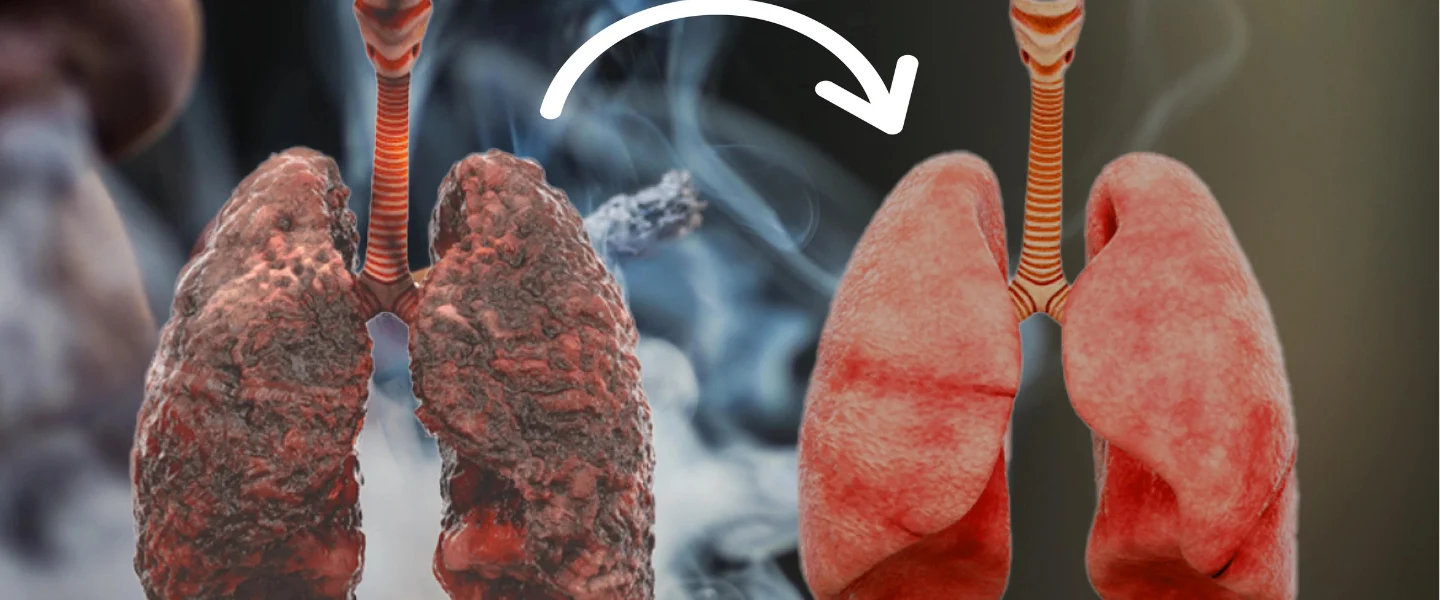
Pulmonary Fibrosis is a category of lung disorders characterised by scarring and damage to lung tissue. With continuous scarring, the ability for oxygen to transfer into the bloodstream is destroyed over time. One of the most frequently diagnosed types of pulmonary fibrosis is idiopathic, which is defined as having no known cause.
Pulmonary Fibrosis Symptoms and Early Signs
In 2022, Interstitial lung diseases affected around 4.5 to 8.9 lakh people in India. Recognising the early signs of pulmonary fibrosis can help with early diagnosis.
Early Stage Symptoms (Stage 1)
• Mild level of breathlessness occurring during exertion,
• Dry cough, remove the following repetitively for extended periods of time,
• Extreme fatigue,
• Mild level of discomfort in the chest area.
Stages of pulmonary fibrosis, Stage 1. The above-noted signs and symptoms are commonly ignored and/or misattributed to simply ageing or physical deconditioning.
Advanced Symptoms (Stage 4)
As pulmonary fibrosis progresses into the later stages, the signs and symptoms become more severe.
• Predominantly severe level of breathlessness, even present at rest.
• Continuous state of energy depletion noted by general weakness and/or fatigue.
• Evidence of low levels of oxygen as observed in the presence of a bluish hue on the lips.
• Considerable amount of unexplained weight loss.
• Susceptibility to recurrent and/or frequent respiratory infections.
It is important to note that the signs and symptoms below are defining characteristics of Stage 4 pulmonary fibrosis and are typical of the defined stage of severity.
Pulmonary Fibrosis Life Expectancy
People with pulmonary fibrosis are worried about how long they will live after being diagnosed. They may have a life expectancy of only 3-5 years after diagnosis, but there are various ways to extend that period.
While it is uncommon, patients can live for 20 years or more if they have early detection and treatment, as well as good lifestyle habits.
How Does Pulmonary Fibrosis Kill You?
The Indian Chest Society and ICMR-supported studies highlight that interstitial lung diseases, including pulmonary fibrosis, are becoming more common in India due to rising air pollution, smoking, and delayed diagnosis. Early detection and timely treatment are strongly recommended to slow disease progression.
Many people also want to know how they will die from their condition, and pulmonary fibrosis does not cause a sudden death.
It is a disease that affects your respiratory system over time:
Decrease in oxygen levels in the blood.
Increased strain on your heart, which can lead to other medical problems.
Eventually, going into respiratory failure.
Other complications, such as bacterial infection and pulmonary hypertension, may also worsen a patient's prognosis.
Is Pulmonary Fibrosis a Painful Death?
Many people worry about whether it is a painful death. Pulmonary fibrosis is typically not painful, but it can cause discomfort due to breathing difficulties. With proper medical care, oxygen therapy, and palliative support, symptoms can be managed to improve comfort.

1. Antifibrotic Medications
Antifibrotic drugs are the main treatment used to slow down lung damage, especially in idiopathic pulmonary fibrosis (IPF).
Pirfenidone
This medicine helps reduce inflammation and slows the formation of scar tissue in the lungs. It can help delay disease progression and preserve lung function over time.
Nintedanib
This drug blocks certain enzymes involved in fibrosis (scarring). It helps slow the decline in lung function and reduces the risk of worsening disease.
2. Oxygen Therapy
As lung function declines, oxygen levels in the blood may drop.
• Oxygen therapy provides extra oxygen through a mask or nasal tube.
• It helps reduce breathlessness and fatigue.
• It improves sleep and daily activity levels.
Some patients may need oxygen only during activity, while others may require it continuously.
3. Medications for Symptom Relief
Apart from antifibrotics, doctors may prescribe additional medicines to manage symptoms and complications:
• Cough suppressants – to control persistent dry cough.
• Bronchodilators – to help open airways and ease breathing.
• Corticosteroids (in selected cases) – to reduce inflammation.
• Antibiotics – if lung infections occur.
• Medications for pulmonary hypertension – to manage increased pressure in lung arteries.
4. Pulmonary Rehabilitation Programs
Pulmonary rehabilitation is a structured program designed to improve breathing and physical strength.
It includes:
• Supervised exercise training.
• Breathing techniques.
• Nutritional advice.
• Education about managing symptoms.
This helps improve stamina, reduce breathlessness, and enhance quality of life.
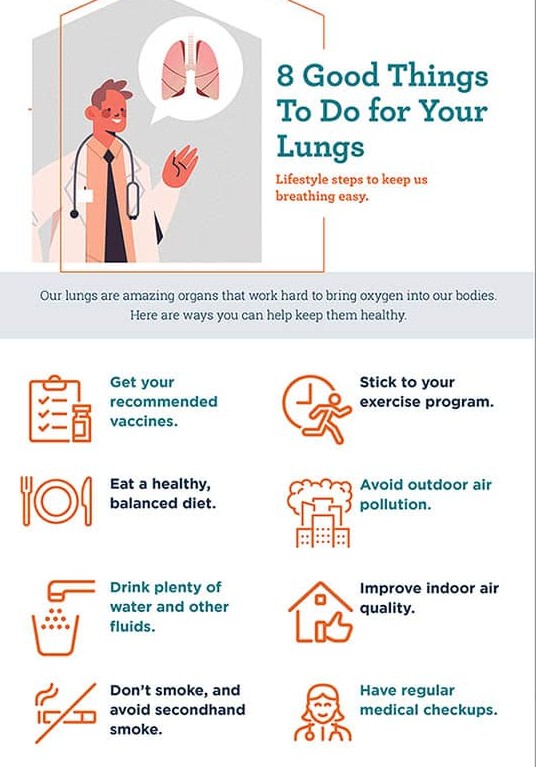
5. Lifestyle and Supportive Care
Medical treatment works best when combined with lifestyle changes:
• Quit smoking completely.
• Avoid air pollution and dust exposure.
• Maintain a healthy diet.
• Stay physically active within limits.
• Get vaccinated.
Exercises for Pulmonary Rehabilitation

Regular activity is essential. Exercises for pulmonary rehab help improve breathing and endurance.
Recommended Exercises
• Walking at a comfortable pace.
• Breathing exercises like diaphragmatic breathing.
• Light strength training.
• Stretching and flexibility exercises.
Always consult your doctor before starting any exercise program.
Pulmonary Hypertension in Pulmonary Fibrosis
Dr Sahajal Dhooria, MD, DM, Professor, Department of Pulmonary Medicine, PGIMER, Chandigarh, emphasises that in contrast to Western countries, where IPF is the most common ILD, sarcoidosis and hypersensitivity pneumonitis carry a higher burden in India, a distinction that is critical for correct diagnosis and treatment planning.
Pulmonary hypertension is one potential complication faced by some individuals who experience pulmonary fibrosis. Pulmonary hypertension can cause less oxygenated blood to reach your body; this can create the following sensations:
• Breathlessness.
• Swelling of the feet and legs.
• Feelings of Faintness or Lack of Energy.
Although these symptoms may feel small at first, they are serious enough for you to seek out your doctor immediately.
How to Live Better with Pulmonary Fibrosis
There are two approaches to managing this potential complication: medical treatment and lifestyle adjustments.
Helpful Healthy Behaviour Suggestions:
• Quit smoking immediately.
• Take all medication as prescribed.
• Stay within the limits of your body’s capability for physical activity.
• Eat a wholesome/healthy food plan.
• Pursue all means to avoid exposure to Infection and Pollution.
• Keep scheduled appointments for medical check-ups.
FAQs
1. Is pulmonary fibrosis fatal?
Advanced stages of pulmonary fibrosis can be life-threatening; however, early treatment and proper management of pulmonary fibrosis will help slow the progression of the disease and improve survival.
2. Should I worry about pulmonary fibrosis?
Although pulmonary fibrosis is an extremely serious illness, the individual rate at which someone progresses through the stages of disease is highly variable and, with appropriate medical care, the majority of people will experience a manageable set of symptoms for years.
3. What is Stage 4 pulmonary fibrosis?
Stage IV pulmonary fibrosis is the most advanced and severe stage; at this stage, the lungs are severely impaired, and respiratory symptoms may occur at rest.
4. How do you know when your pulmonary fibrosis is getting worse?
Symptoms of worsening pulmonary fibrosis include increased shortness of breath, increased cough frequency, fatigue, and increased difficulty performing daily tasks.
5. What is the difference between COPD and Pulmonary Fibrosis?
COPD causes airway blockage, making it hard to breathe out, and is often linked to smoking. Pulmonary fibrosis causes lung scarring, making the lungs stiff and reducing oxygen flow. Both affect breathing but in different ways and require different treatments and management.
Final Thoughts
Pulmonary Fibrosis is a serious disease; however, it does not mean that you will die immediately. Those who are diagnosed early, treated properly, and make lifestyle changes can manage their symptoms and maintain an acceptable quality of life.
The most important thing you can do is get medical attention for early signs of pulmonary fibrosis; do not wait until it becomes a problem. By being proactive and staying educated, you can greatly influence the progression of your disease.
Read Also
References
Dhooria S, Sehgal IS, Agarwal R, Muthu V, Prasad KT, Kathirvel S, et al. Management of Interstitial Lung Diseases: A Consensus Statement of the Indian Chest Society (ICS) and National College of Chest Physicians (NCCP). Lung India. 2020;37(Suppl):S1–S108 https://pmc.ncbi.nlm.nih.gov/articles/PMC7507933/.
Raghu G, Remy-Jardin M, Richeldi L, Thomson CC, Inoue Y, Johkoh T, et al. Idiopathic Pulmonary Fibrosis (an Update) and Progressive Pulmonary Fibrosis in Adults: An Official ATS/ERS/JRS/ALAT Clinical Practice Guideline. Am J Respir Crit Care Med. 2022;205(9):e18–e47 https://pubmed.ncbi.nlm.nih.gov/35486072/.
Disclaimer:
This article is for general informational purposes only and should not be considered medical advice. Pulmonary fibrosis symptoms, progression, and treatment may vary from person to person. Always consult a qualified doctor or lung specialist for proper diagnosis and treatment. Do not start, stop, or change any medication without medical guidance















Comments