


Lung Cancer Treatment in India: Roche’s New 7-Minute Injection Could Replace Hours of Hospital Infusion




Last updated on 09 Jun 2026
For lung cancer patients in India, hospital visits for treatment have been a gruelling ordeal. Every 3 weeks, patients spent 5 hours in the hospital for blood tests, fitness checks, IV preparation, and infusion. For someone already battling advanced lung cancer, that meant losing entire days to treatment logistics, physical exhaustion, and emotional strain. That is changing now.
Roche has just received DCGI (Drugs Controller General of India) approval for a subcutaneous immunotherapy injection that delivers the same clinical benefit in 7 minutes instead of hours. This breakthrough represents a fundamental shift in how advanced lung cancer treatment is delivered in India, not just treating the disease more effectively, but making the experience of being treated far more human.
This comprehensive guide explains the new lung cancer treatment approved in India, how it works, what it means for patients, and why this innovation matters for the 80,000 Indians diagnosed with lung cancer annually.
Key Takeaways
|
The Problem: Hours of Hospital Time for Advanced Lung Cancer Treatment
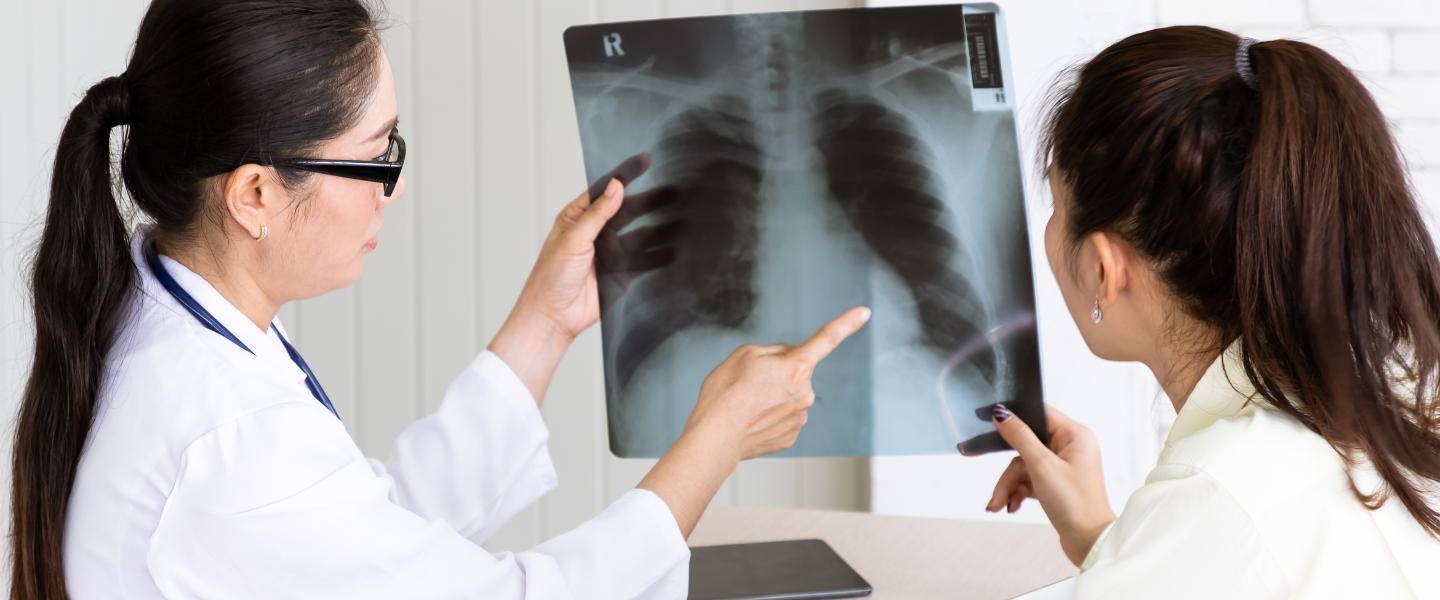
Lung cancer remains one of India's deadliest cancers. According to the Indian Council of Medical Research (ICMR), nearly 80,000 patients are diagnosed with lung cancer annually in India, and approximately 50 percent present with advanced or metastatic disease.
For these advanced patients, immunotherapy has been transformative, extending survival and improving quality of life. However, the treatment delivery method created its own burden.
The old reality:
Each immunotherapy infusion required 2–5 hours of hospital time.
Visits every 3 weeks meant 16–18 hospital visits per year.
Each visit required blood work, fitness assessment, IV preparation, and hours of sitting.
For frail patients already experiencing fatigue, nausea, and weakness, these long visits were physically and emotionally draining.
Working patients lost entire workdays; caregivers faced constant scheduling challenges.
What Is the New 7-Minute Lung Cancer Treatment Approved in India?
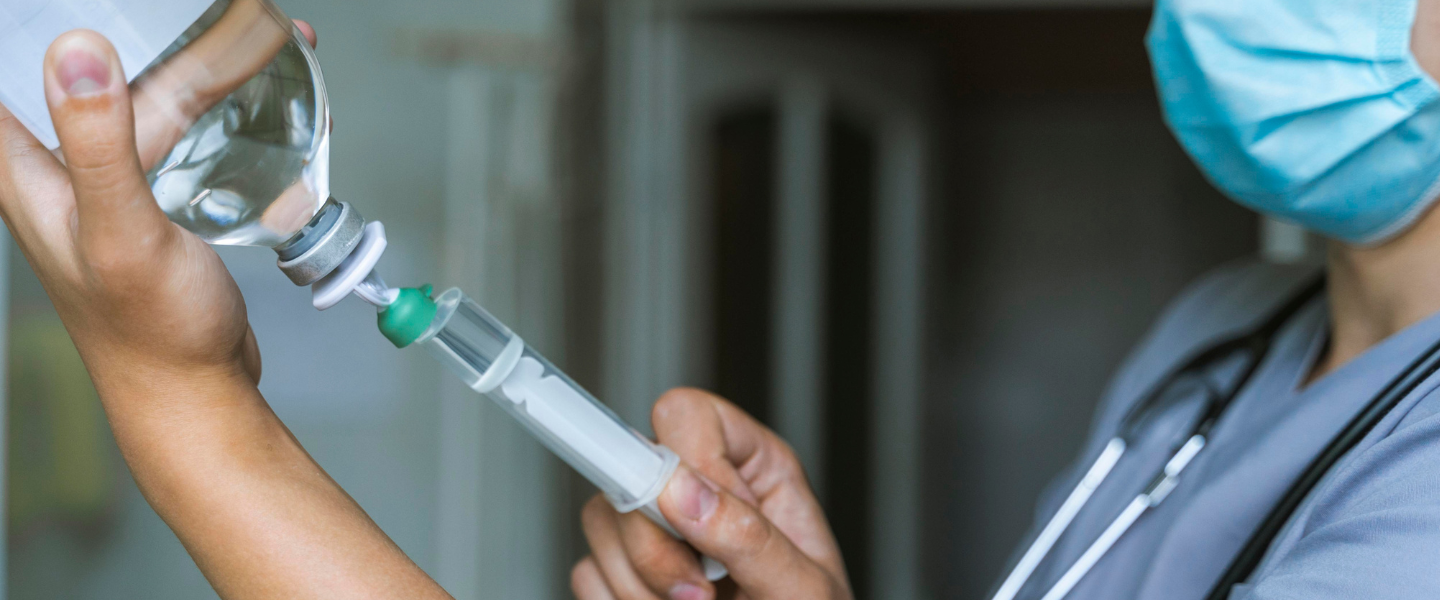
The new lung cancer treatment approved in India is subcutaneous atezolizumab (branded as Tecentriq), developed by Roche. It is an immunotherapy drug that works by blocking PD-L1, a protein that helps cancer cells hide from the immune system.
Key facts about Roche's 7-minute immunotherapy injection:
Drug name: Atezolizumab (brand name Tecentriq).
Administration: Subcutaneous injection (under the skin) instead of intravenous infusion.
Duration: 7 minutes per injection.
Frequency: Every 3 weeks (same as IV version).
Approval: DCGI approved in India in 2026.
Global availability: Already approved in 85+ markets, including the US, the UK, the EU, Australia, and Canada.
What Is Subcutaneous Immunotherapy for Lung Cancer?
Subcutaneous immunotherapy means the drug is injected under the skin (subcutis) rather than directly into a vein. This simple change in route of administration, from intravenous to subcutaneous, has profound implications for the patient experience.
How does Roche's 7-minute lung cancer injection work?
The drug (atezolizumab) works through a mechanism called immunotherapy or immune checkpoint inhibition:
Lung cancer cells produce a protein called PD-L1 that tricks the immune system into thinking the cancer is "self" and should not be attacked.
Atezolizumab blocks this PD-L1 protein, essentially removing the cancer's disguise.
This allows the patient's own immune cells (T cells) to recognise and attack the cancer.
The result is tumour shrinkage and improved survival.
Benefits of 7-minute cancer injections:
Time savings: 7 minutes vs. 2–5 hours per visit.
Convenience: Can be administered in outpatient clinics, reducing hospital bed pressure.
Reduced complications: Fewer IV-related complications (infection, thrombosis, infiltration).
Better quality of life: Patients retain more energy and can maintain work or family responsibilities.
Healthcare system relief: Frees up hospital beds and infusion chairs for more patients.
Same efficacy: Identical clinical outcomes to intravenous administration.
Advanced Lung Cancer Treatment: Is Subcutaneous as Effective as IV?
Is subcutaneous immunotherapy as effective as intravenous immunotherapy for lung cancer?
Yes, absolutely. According to clinical trials and regulatory approvals, subcutaneous atezolizumab achieves the same efficacy as intravenous atezolizumab.
Clinical evidence:
Global trials comparing subcutaneous vs. intravenous atezolizumab show no difference in:
Overall survival rates,
Progression-free survival,
Response rates,
Safety profiles.
According to Roche's clinical data, the subcutaneous formulation represents a true therapeutic equivalent with improved convenience and reduced treatment burden.
Lung Cancer Survival Rate: Impact of Modern Immunotherapy
Do lung cancer patients live longer with immunotherapy?
Yes. Modern immunotherapy, including atezolizumab, has significantly extended survival for advanced lung cancer patients.
Lung cancer survival rates in India:
Current statistics show:
With immunotherapy: Median overall survival is 12–18 months for advanced non-small cell lung cancer (NSCLC).
Without immunotherapy: Median overall survival 8–10 months.
Improvement: 2–8 additional months of survival, sometimes longer depending on patient factors.
How successful is immunotherapy for lung cancer?
Success rates vary by patient factors:
Response rate: 20–30 percent of advanced lung cancer patients achieve a partial or complete response.
Disease stability: Another 40–50 percent achieve disease stabilisation.
Overall benefit: 60–80 percent of patients benefit from immunotherapy in some form.
Duration: Benefits can last months to years for responders.
According to Dr Rajesh Chopra, Senior Oncologist at AIIMS Delhi, "Immunotherapy has transformed advanced lung cancer from a rapidly fatal disease to one where meaningful survival and quality of life are achievable. The subcutaneous formulation makes this accessible without the burden of hours in the hospital."
Lung Cancer Immunotherapy in India: Access and Availability
Is the 7-minute lung cancer injection available in India?
Yes. Following DCGI approval in 2026, subcutaneous atezolizumab is available at:
Major cancer centres affiliated with AIIMS, PGIMER, and Tata Memorial Centre.
Private cancer hospitals in metros (Delhi, Mumbai, Bangalore, Chennai, Hyderabad, Kolkata).
Select tertiary care hospitals with oncology departments.
Availability is expanding rapidly as supply increases.
How long does lung cancer immunotherapy take in India?
Subcutaneous formulation: 7 minutes per injection.
IV formulation (older): 30 minutes to 2 hours per infusion.
Frequency: Both are administered every 3 weeks.
How Roche Reduced Lung Cancer Treatment Time?
How Roche Reduced Lung Cancer Treatment Time?
The reduction from hours to 7 minutes was achieved through:
Formulation science: Developing a stable subcutaneous formulation of atezolizumab that achieves optimal absorption.
Bioequivalence testing: Rigorous clinical trials proving subcutaneous = intravenous in terms of drug delivery and outcomes.
Regulatory approval: Successfully navigating regulatory pathways in 85+ countries
Manufacturing: Scaling production of the subcutaneous formulation.
This represents years of research and development investment by Roche to improve patient experience without compromising efficacy.

FAQs
Q1. How Roche Reduced Lung Cancer Treatment Time?
Roche developed a subcutaneous (under-skin) formulation of atezolizumab instead of the intravenous version. This simplified administration method reduces treatment time from 2–5 hours to just 7 minutes, while maintaining identical clinical efficacy.
Q2. What is the new 7-minute lung cancer treatment approved in India?
It is subcutaneous atezolizumab (Tecentriq), an immunotherapy drug developed by Roche. DCGI approved it in India in 2026 for advanced lung cancer, allowing patients to receive the same treatment in 7 minutes instead of hours.
Q3. How does Roche's 7-minute lung cancer injection work?
The drug blocks the PD-L1 protein on cancer cells, removing the "disguise" that allows cancer to hide from the immune system. This allows the body's T cells to recognise and attack the cancer.
Q4. Is the 7-minute lung cancer injection available in India?
Yes. Following DCGI approval, it is available at major cancer centres including AIIMS, Tata Memorial, and private cancer hospitals in metro cities across India.
Q5. Is subcutaneous immunotherapy as effective as intravenous immunotherapy for lung cancer?
Yes. Clinical trials and regulatory approval confirm identical efficacy. Subcutaneous atezolizumab achieves the same survival, response rates, and safety as the IV formulation.
Q6. Do lung cancer patients live longer with immunotherapy?
Yes. Advanced lung cancer patients treated with immunotherapy gain 2–8 additional months of median survival compared to chemotherapy alone, with some responders achieving longer survival.
Final Thoughts
The shift from 5-hour hospital infusions to 7-minute injections represents more than a logistical convenience; it is a fundamental acknowledgement that the best medical advances must address both the disease and the human experience of treatment.
For the 80,000 Indians diagnosed with lung cancer annually, Roche's new subcutaneous immunotherapy offers hope: effective cancer treatment without the burden of losing entire days to hospital visits.
If you or a loved one has advanced lung cancer, discuss this new treatment option with your oncologist to determine if subcutaneous atezolizumab is appropriate for your situation.
Read Also
References
Max Healthcare Cancer Centres. Advanced lung cancer immunotherapy programmes [Internet]. India: Max Healthcare; 2024 [cited 2026 May 27] https://www.maxhealthcare.in/
All India Institute of Medical Sciences (AIIMS). Oncology and lung cancer treatment protocols [Internet]. New Delhi: AIIMS; 2024 [cited 2026 May 27] https://www.aiims.edu/index.php/en
WHO. Global cancer statistics and immunotherapy guidelines [Internet]. Geneva: WHO; 2024 [cited 2026 May 27] https://www.who.int/
Disclaimer: This article is for general informational purposes only and is not a substitute for professional medical advice. Always consult a qualified oncologist to discuss treatment options, eligibility, and personalised management of lung cancer. Clinical decisions should be based on individual patient factors, disease stage, and physician recommendations.












Comments