

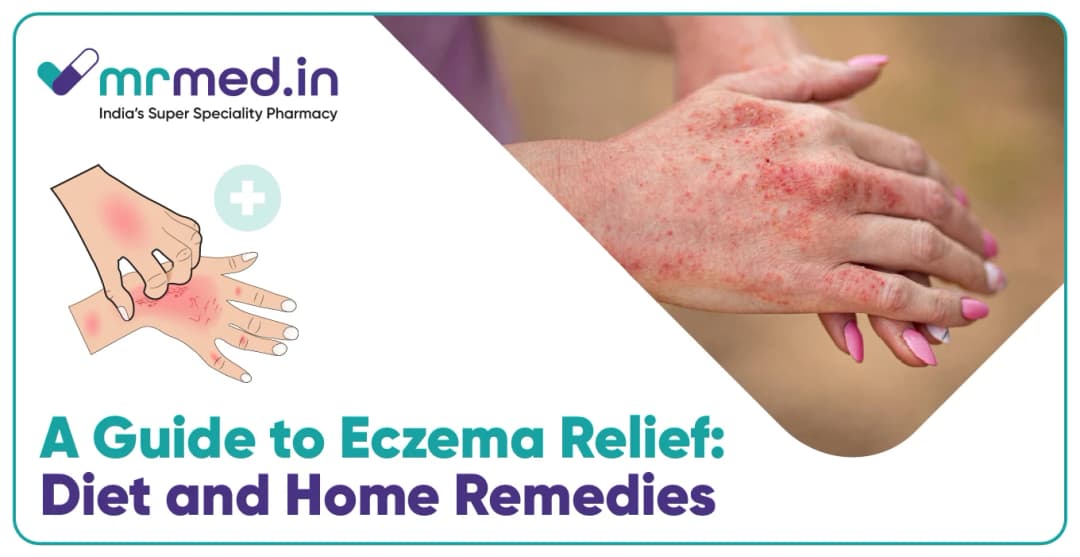
Living with Atopic Dermatitis (Eczema): Skincare, Diet, and Home Remedies





Last updated on 02 Jan 2026
Living with atopic dermatitis, commonly known as eczema, can be challenging, both physically and emotionally. This chronic skin condition causes dry, itchy, and inflamed skin that tends to flare up periodically and then subside. While eczema isn’t contagious, it can deeply affect confidence, comfort, and daily life.
Understanding how to manage eczema through proper skincare, dietary choices, and home remedies can significantly improve one’s quality of life. Building an informed and consistent routine is key to preventing flare-ups and maintaining skin health throughout the year.
Understanding Atopic Dermatitis
In a region of India, among outpatient cases of eczema, 30.1% were diagnosed as atopic dermatitis, making it the most common type in that group.
Atopic dermatitis is a chronic inflammatory skin disease that often begins in childhood and continues into adulthood for many. It develops when the skin’s natural barrier, responsible for retaining moisture and protecting against irritants, becomes weak or damaged.
Common symptoms include:
-
Persistent itching, especially at night
-
Red or inflamed patches of skin
-
Dryness and scaling
-
Small, raised bumps that may ooze or crust
-
Thickened or cracked skin after repeated scratching
Environmental triggers, genetic predisposition, and immune responses all play a role. Factors such as weather changes, allergies, and even emotional stress can influence flare intensity.
Building an Effective Skincare Routine
Consistency is crucial for managing eczema. Following a well-structured eczema skincare routine helps strengthen the skin barrier and reduce inflammation.
1. Choose the Right Cleanser
-
Use mild, fragrance-free cleansers instead of soaps that strip natural oils.
-
Avoid hot water; lukewarm baths or showers are gentler on sensitive skin.
-
Pat the skin dry instead of rubbing to prevent irritation.
2. Moisturise Immediately After Bathing
-
Apply a thick, fragrance-free emollient or ointment within three minutes of bathing.
-
Look for ingredients like ceramides, glycerin, or shea butter.
-
Reapply moisturiser two to three times a day, especially on dry areas.
3. Avoid Harsh Products
-
Skip alcohol-based toners or exfoliants that can worsen dryness.
-
Select hypoallergenic products labelled “for sensitive skin.”
-
Always patch-test new creams or cosmetics.
4. Manage Clothing and Fabrics
-
Choose breathable cotton or bamboo fabrics.
-
Avoid wool, synthetics, or tight clothing that traps sweat.
-
Wash new clothes before wearing them using mild, fragrance-free detergents.
5. Protect Skin from Weather Extremes
-
Use a humidifier in dry climates to maintain moisture levels.
-
Apply sunscreen daily since UV damage can worsen inflammation.
-
During winter, layer clothing to protect against cold-induced dryness.
A consistent daily routine for eczema that includes moisturising and avoiding irritants forms the foundation of long-term management.
The Role of Diet in Managing Eczema
What you eat can significantly impact skin health. An anti-inflammatory diet for eczema can help reduce itching and improve recovery between flare-ups.
1. Focus on Nutrient-Rich Foods
-
Include omega-3-rich sources like flaxseeds, walnuts, and fatty fish.
-
Eat plenty of colourful fruits and vegetables rich in antioxidants (vitamin C, E, and beta-carotene).
-
Choose whole grains, lean proteins, and probiotic-rich foods such as yoghurt and fermented vegetables to support gut health.
2. Identify Food Triggers
Certain foods may worsen symptoms, especially if you have sensitivities or allergies. Common foods to avoid with eczema may include:
-
Dairy products (milk, cheese, butter) in sensitive individuals
-
Eggs, particularly egg whites
-
Soy and gluten-based foods
-
Processed or fried foods are high in trans fats.
-
Citrus fruits, nuts, or shellfish, in some cases
Elimination diets should always be done under medical supervision to ensure nutritional balance.
3. Hydration Matters
-
Drink at least 8–10 glasses of water daily to keep skin hydrated.
-
Herbal teas with chamomile or turmeric may help reduce inflammation.
-
Limit caffeine and sugary drinks that can dehydrate the body.
A mindful approach to food choices supports both internal balance and external skin recovery.
Eczema and Emotional Well-Being
Living with eczema affects more than just the skin it also influences emotional health. Many patients experience anxiety, frustration, and even depression due to constant itching and visible rashes.
How to cope:
-
Practice relaxation techniques such as deep breathing, yoga, or guided meditation.
-
Maintain a strong support network by talking to family, friends, or therapists about your struggles.
-
Keep a symptom diary to identify emotional or physical triggers.
Stress and eczema flare ups are closely connected; managing emotional well-being can drastically reduce their frequency and intensity. Learning to manage stress is as vital as topical treatment.
Home Remedies for Relief
The Indian consensus guidelines for management of atopic dermatitis emphasise that moisturisers should be the foundation of therapy and continued even during all phases of disease.
Several safe eczema home remedies can help soothe irritation, reduce inflammation, and restore moisture naturally.
1. Oatmeal Baths
-
Add finely ground oats to lukewarm bathwater.
-
Soak for 10–15 minutes to relieve itching and inflammation.
2. Coconut Oil Application
-
Apply virgin coconut oil after bathing to lock in moisture.
-
Its natural antibacterial properties help prevent infections.
3. Aloe Vera Gel
-
Use pure aloe gel to cool inflamed skin and promote healing.
4. Cold Compress
-
Apply a clean, cold, damp cloth to affected areas to calm intense itching.
5. Honey
-
Raw honey can be applied to minor flare-ups for its antimicrobial and soothing benefits.
6. Natural Anti-Inflammatory Remedies
-
Turmeric paste, diluted apple cider vinegar, or chamomile compresses can reduce redness when used cautiously.
While home remedies can be effective, they should complement, not replace, medical treatment. Always consult a dermatologist before trying new remedies, especially for children.
Lifestyle Habits That Prevent Flare-Ups
Prevention requires adopting daily habits that minimise triggers. A personalised daily routine for eczema should integrate skincare, rest, and stress management.
Key preventive measures:
-
Maintain a consistent sleep schedule for skin repair.
-
Keep nails trimmed to avoid scratching injuries.
-
Avoid long, hot showers that deplete skin moisture.
-
Control indoor humidity between 40–60%.
-
Wear gloves while cleaning or washing dishes to avoid contact with irritants.
-
Regularly wash bedding and pillowcases to prevent dust-mite buildup
-
Engage in moderate exercise such as walking or stretching to boost circulation without excessive sweating.
Managing Eczema in Children
In Indian children up to 16 years, prevalence ranges from 3.1% to 7.21% across studies.
Children are especially vulnerable to atopic dermatitis, often due to genetic and environmental factors.
Parental care tips:
-
Bathe children with mild, fragrance-free cleansers.
-
Apply moisturisers twice daily, even when skin appears clear.
-
Keep fingernails short to prevent scratching injuries.
-
Identify triggers such as wool clothing, pollen, or certain foods and avoid them.
-
Use cotton bedding and maintain a cool, clean sleeping environment.
-
Encourage relaxation and playful activities to reduce anxiety-related itching.
Early education and consistent care help prevent complications and improve a child’s comfort.
When to See a Dermatologist

Dr Aparna Santhanam, a renowned dermatologist from Mumbai, explains, “Eczema is not just a skin issue; it reflects an imbalance between environmental exposure, lifestyle, and immunity. Consistency in skincare, a balanced diet, and stress management form the triad of control.
Eczema can sometimes become difficult to manage without professional help. Seek medical attention if:
-
Symptoms persist despite proper skincare and home remedies.
-
There is fluid leakage, crusting, or signs of infection.
-
Itching disrupts sleep or daily activities.
-
The skin becomes thickened or darkened due to repeated scratching.
A dermatologist can suggest stronger topical treatments, antihistamines, or phototherapy depending on severity.
FAQs
1. What triggers eczema flare-ups?
Flare-ups can be triggered by allergens (dust mites, pollen), irritants (soaps, fragrances), heat, sweating, stress, or dry weather.
2. How often should I moisturise if I have eczema?
Moisturise at least two to three times daily, especially right after bathing, to lock in moisture and protect the skin barrier.
3. Can diet help reduce eczema symptoms?
Yes, identifying and avoiding personal food triggers can improve symptoms, though broad food restrictions without medical supervision are not recommended.
4. Is eczema curable?
Atopic dermatitis is a chronic condition without a permanent cure, but most people can achieve good control and long disease-free periods with proper care.
5. When should I see a dermatologist for eczema?
Consult a dermatologist if eczema is persistent despite home care, covers large areas, is infected (oozing or crusting), or severely affects quality of life.
Final Thoughts
Living with atopic dermatitis means learning patience, awareness, and balance. However, the condition has no permanent cure; consistent care through healthy habits, preventive strategies, and medical guidance can bring lasting relief.
Your skin deserves daily attention, gentle cleansing, mindful eating, and emotional balance. With time and discipline, flare-ups can be controlled, and life can return to comfort and confidence.
Read also
References
Disclaimer: The content in this blog is for general informational purposes only and is not a substitute for professional medical advice, diagnosis, or treatment. Always consult your doctor or a registered dietitian before making any changes to your diet, especially if you have a medical condition or are taking prescribed medication. While the information is based on trusted sources, individual needs and results may vary. MrMed does not promote or endorse any specific food or treatment mentioned unless explicitly stated.












Comments