


Melanoma: Meaning, Types, Symptoms, Stages & Treatment Options in India





Last updated on 21 May 2026
Melanoma is the most dangerous type of skin cancer because it can spread quickly to other parts of the body if not detected early. This blog explains the meaning, common symptoms, warning signs, stages, and treatment options available in India. It covers important types such as acral lentiginous melanoma, nodular melanoma, and nail melanoma, which are more relevant in Indian patients.
Readers will also learn the ABCDE rule for identifying suspicious moles, risk factors, diagnostic methods, and modern treatments, including surgery, immunotherapy, and targeted therapy. Early detection, regular skin checks, and timely treatment greatly improve survival and long-term outcomes for melanoma patients.
Key Takeaways
|
What Is Melanoma?
Melanoma is a serious type of skin cancer that develops in melanocytes, the cells that produce skin pigment called melanin.
Although melanoma is less common than other skin cancers, it is considered the most dangerous because it can spread rapidly to lymph nodes, lungs, liver, brain, and other organs if untreated.
Melanoma can appear anywhere on the body, including:
Skin,
Nails,
Soles of feet,
Palms,
Face,
Eyes.
In Indians, melanoma often appears in areas not usually exposed to sunlight, which makes diagnosis more difficult.
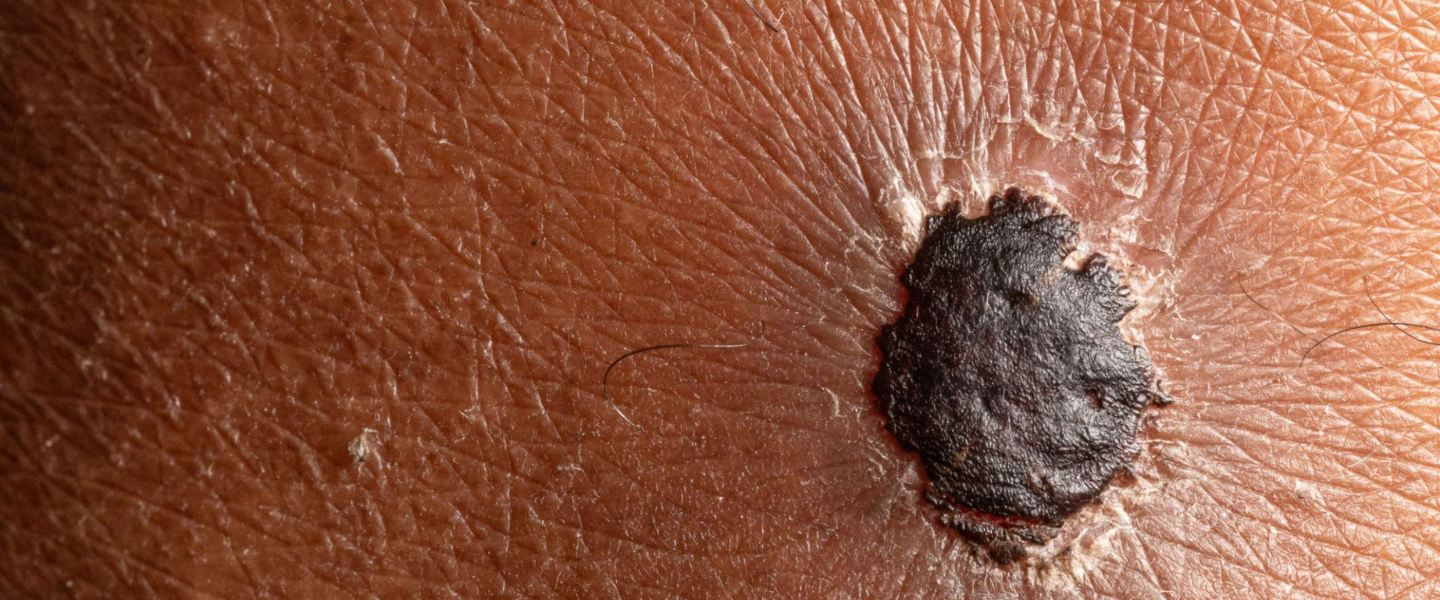
Why Melanoma Is Dangerous
Melanoma spreads faster than many other skin cancers.
When detected early, treatment outcomes are usually good. However, advanced melanoma may become life-threatening after spreading to distant organs.
The biggest challenge is that many people ignore early warning signs because the lesion may look like a harmless mole or dark patch.
Types of Melanoma
1. Superficial Spreading Melanoma
This is the most common type globally.
Features:
Flat or slightly raised lesion,
Irregular borders,
Multiple colours,
Slow initial growth.
It usually appears on the back, chest, or legs.
2. Nodular Melanoma
Nodular melanoma grows aggressively and spreads quickly.
Features:
Raised bump,
Dark black, brown, or reddish colour,
Bleeding tendency,
Rapid enlargement.
This type needs urgent medical attention.
3. Lentigo Maligna Melanoma
Usually seen in older adults with long-term sun exposure.
Common locations:
Face,
Nose,
Neck,
Arms.
It grows slowly over several years.
4. Acral Lentiginous Melanoma
This is particularly important in Indian and Asian populations.
It develops on:
Palms,
Soles,
Under nails.
Many patients mistake it for a fungal infection, injury, or pigmentation.
What Is Nail Melanoma?
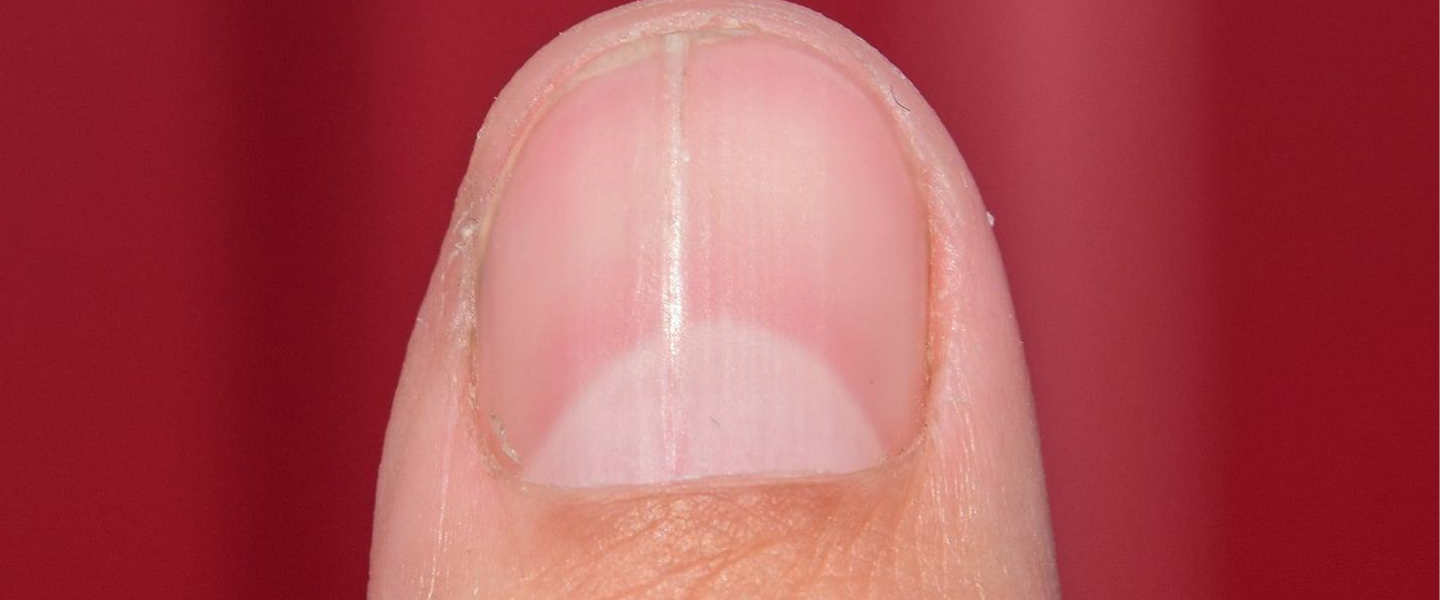
Subungual melanoma, also called nail melanoma, develops under the nail.
Warning Signs
Dark vertical streak on nail,
Pigment spreading to the surrounding skin,
Nail splitting,
Bleeding under the nail,
Persistent nail discolouration.
A harmless nail line usually remains stable. Melanoma-related streaks gradually widen, darken, or change shape.
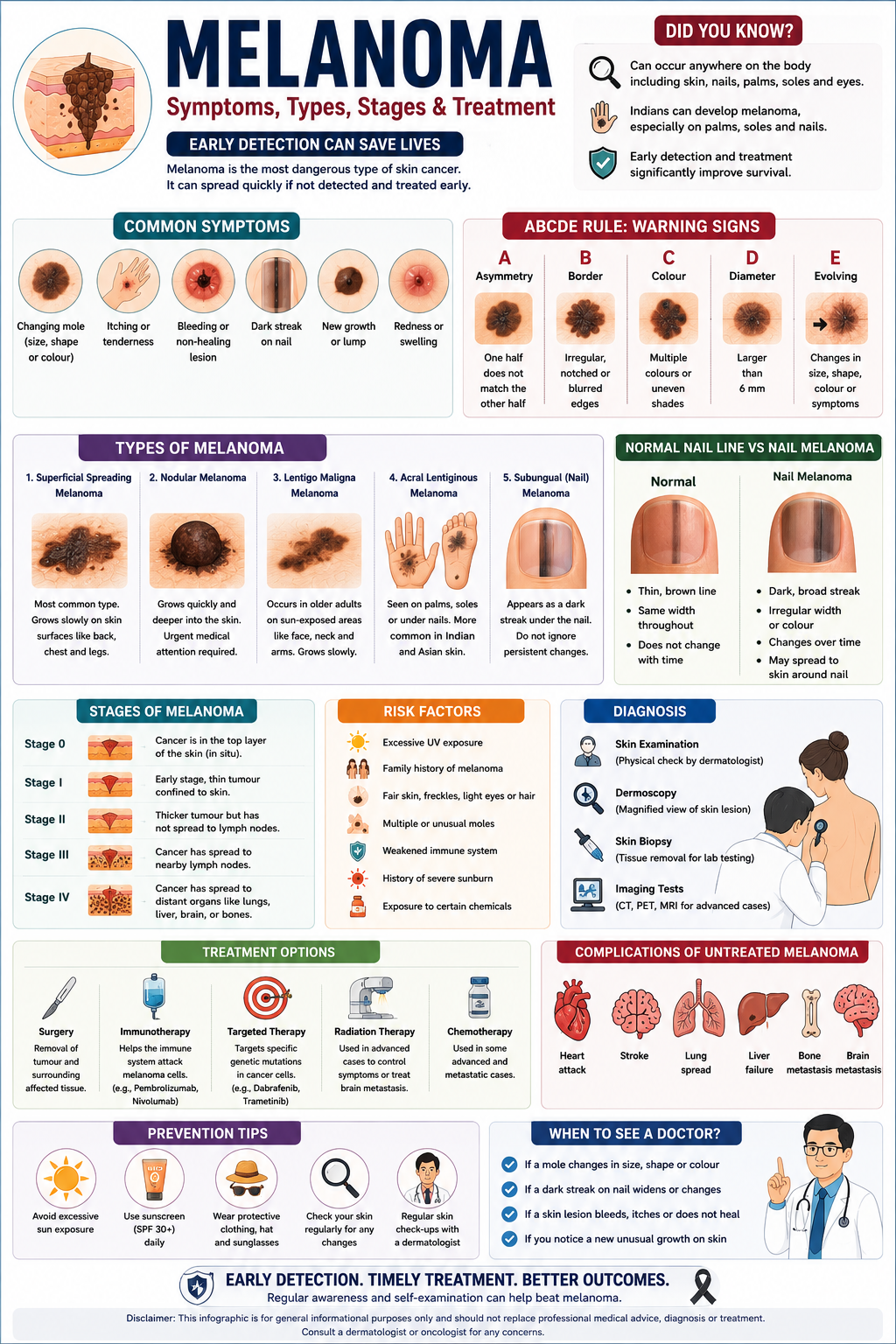
Melanoma Symptoms: The ABCDE Rule
According to Dr Koushik Lahiri, Consultant Dermatologist, Apollo Multispeciality Hospitals, melanoma in Indian patients is often diagnosed late because many people mistake early warning signs for harmless pigmentation, fungal infection, or nail injury. He highlights that persistent dark nail streaks, changing moles, or unusual skin patches should never be ignored and should be evaluated by a specialist.
Doctors commonly use the ABCDE rule to identify suspicious moles.
ABCDE Feature | Meaning |
A – Asymmetry | One half looks different |
B – Border | Uneven or irregular edges |
C – Colour | Multiple colours present |
D – Diameter | Larger than 6 mm |
E – Evolving | Changes in size, shape, or colour |
Other Symptoms of Melanoma
The Indian Association of Dermatologists, Venereologists and Leprologists (IADVL) recommends early evaluation of changes in moles, nail pigmentation, non-healing skin lesions, and unusual dark patches, as delayed melanoma diagnosis significantly reduces survival. Indian experts also advise regular skin examinations for high-risk individuals and prompt biopsy of suspicious lesions.
Itching,
Bleeding,
Non-healing skin lesion,
Painful mole,
Dark spot under nail,
New skin growth,
Swelling near the lesion.
Any change in a skin lesion warrants medical evaluation.
Melanoma in Indian Skin
Melanoma behaves differently in darker skin tones.
In Indian patients:
Lesions may appear on the feet and palms.
Nail melanoma is more common.
Pigment may be lighter or absent.
Diagnosis often occurs late.
Some Indian patients develop amelanotic melanoma, which lacks the typical dark pigmentation and may appear pink or skin-coloured.
Because awareness remains low, many cases are diagnosed at advanced stages.
Melanoma Stages
Stage 0
Cancer remains confined to the top layer of the skin.
Stage I
Small localised melanoma without spread.
Stage II
Thicker tumour with higher risk of spread.
Stage III
Cancer spreads to nearby lymph nodes.
Stage IV
Melanoma spreads to distant organs, such as the lungs, brain, or liver.
Melanoma Survival Rates
Stage | Approximate Survival Outcome |
Stage 0 | Very high survival |
Stage I | Excellent prognosis |
Stage II | Good survival with treatment |
Stage III | Moderate survival |
Stage IV | Lower survival but improving with modern therapies |
Early diagnosis significantly improves outcomes.

What Causes Melanoma?
Melanoma develops due to DNA damage in pigment-producing cells.
Common Risk Factors
UV Exposure
Excessive sunlight and UV radiation increase skin cell damage.
Family History
People with close relatives having melanoma carry a higher risk.
Fair Skin
Lighter skin tones generally have a higher risk of melanoma worldwide.
Multiple Moles
Large numbers of unusual moles increase the risk.
Weak Immune System
Immunosuppression raises cancer risk.
Chemical Exposure
Certain industrial chemicals may contribute to skin damage.
How Is Melanoma Diagnosed?
According to GLOBOCAN India 2022 data, melanoma remains less common in India compared to Western countries, but cases are steadily increasing due to greater UV exposure, delayed diagnosis, and rising awareness. Indian studies show that acral lentiginous melanoma, which affects the palms, soles, and nails, is more commonly seen in darker-skinned populations.
Dermoscopy
Doctors use a specialised magnifying device to examine suspicious lesions closely.
Skin Biopsy
A biopsy confirms a melanoma diagnosis.
The suspicious lesion is removed partially or completely for laboratory testing.
Sentinel Lymph Node Biopsy
This checks whether melanoma has spread to nearby lymph nodes.
Imaging Tests
Advanced cases may require:
CT scans,
PET scans,
MRI.
These help identify distant spread.
Melanoma Treatment Options
Treatment depends on stage, tumour thickness, and spread.
Surgery
Early-stage melanoma is usually treated with surgery.
The surgeon removes:
Tumour,
Surrounding healthy tissue.
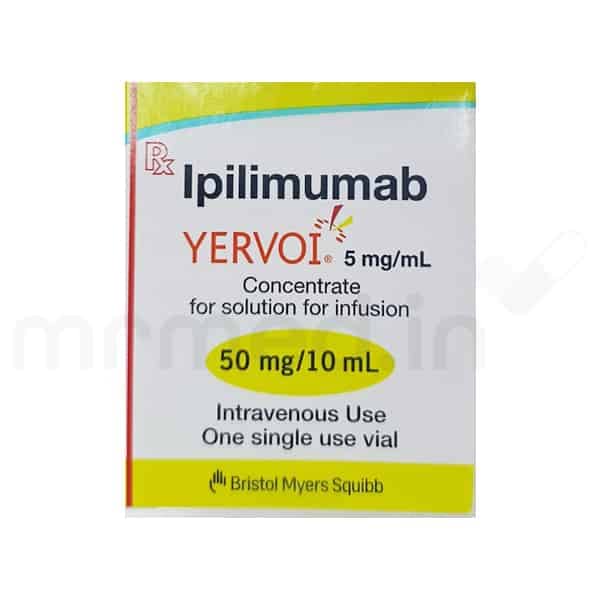
Immunotherapy
Immunotherapy helps the immune system attack cancer cells.
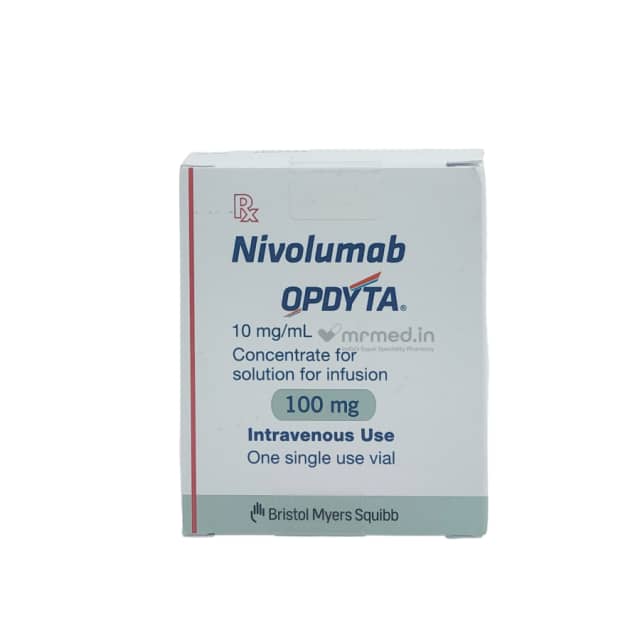
Common medicines include:
These drugs improved survival significantly in advanced melanoma.
Targeted Therapy
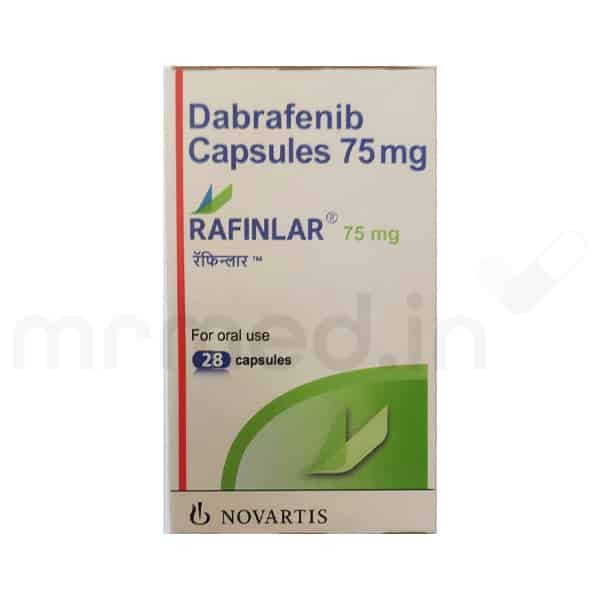
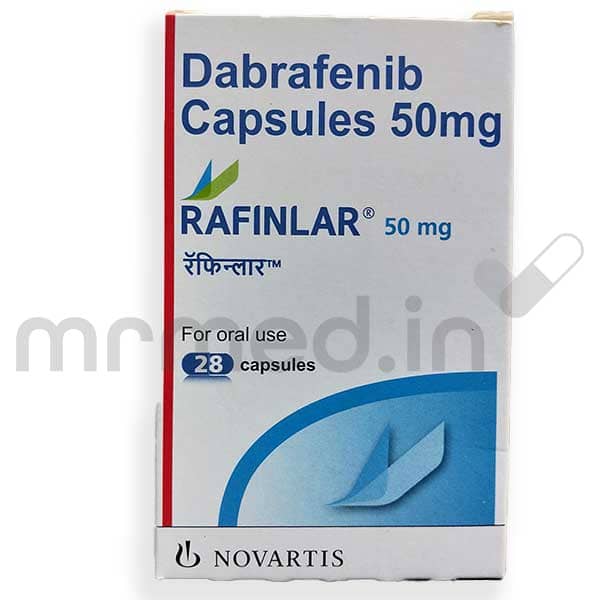
Used for patients with specific genetic mutations, such as the BRAF mutation.
Combination therapies include:
Radiation Therapy
Radiation may help:
Reduce symptoms,
Treat brain metastasis,
Control advanced disease.
Melanoma Medicines Available in India
Several advanced melanoma medicines are available in India.
Common options include:
Pembrolizumab,
Nivolumab,
Trametinib.
These medicines may be expensive, but patient assistance programs and speciality pharmacies may improve accessibility.
Living With Melanoma
Life after melanoma treatment requires regular monitoring.
Follow-Up Usually Includes
Skin examinations,
Lymph node checks,
Imaging scans,
Monitoring for recurrence.
Patients should also:
Avoid excessive sun exposure.
Use sunscreen regularly.
Watch for new skin changes.
Mental health support and counselling may also help many survivors.
When Should You See a Doctor?
Consult a dermatologist or oncologist if you notice:
A changing mole.
Dark nail streak.
Bleeding skin lesion.
Non-healing patch.
Rapidly growing skin lump.
Early diagnosis saves lives.
Frequently Asked Questions
1. What is melanoma?
Melanoma is a dangerous type of skin cancer that develops in pigment-producing cells called melanocytes.
2. Can Indians get melanoma?
Yes. Indians can develop melanoma, especially on palms, soles, and nails.
3. Is melanoma curable?
Early-stage melanoma is often highly treatable. Advanced melanoma may require long-term treatment.
4. What does nail melanoma look like?
It may appear as a dark vertical line, nail discolouration, bleeding, or pigment spreading around the nail.
5. Is every black line on the nail melanoma?
No. Some nail streaks are harmless, but changing or widening streaks need medical evaluation.
6. Can melanoma spread quickly?
Yes. Melanoma can spread rapidly to organs if untreated.
7. What is metastatic melanoma?
Metastatic melanoma means the cancer has spread beyond the original skin site to other organs.
8. Does melanoma cause pain?
Early melanoma is often painless, but advanced lesions may itch, bleed, or become painful.
9. What are the first symptoms of melanoma?
Changing moles, irregular pigmentation, bleeding spots, and unusual nail streaks are common warning signs.
10. Can melanoma occur without sun exposure?
Yes. Acral melanoma commonly develops on the feet, palms, and nails, even in the absence of significant sun exposure.
Final Thoughts
Melanoma may be less common in India compared to Western countries, but delayed diagnosis makes it particularly dangerous.
Any change in a mole, an unusual skin patch, or a dark nail streak should never be ignored. Early detection remains the best defence against melanoma complications.
Awareness, regular skin checks, and timely medical evaluation can greatly improve treatment success and survival.
Read Also
References
American Cancer Society. What is melanoma skin cancer? [Internet]. Atlanta: ACS; 2024 [cited 2026 May 20]. Available from: https://www.cancer.org/cancer/melanoma-skin-cancer/about/what-is-melanoma.html
National Cancer Institute. Melanoma treatment (PDQ) — patient version [Internet]. Bethesda: NCI; 2024 [cited 2026 May 20]. Available from: https://www.cancer.gov/types/skin/patient/melanoma-treatment-pdq
Gumaste PV, Penn LA, Cymerman RM, Kirchhoff T, Polsky D, McLellan B. Skin cancer risk in BRCA1/2 mutation carriers. Br J Dermatol. 2015;172(6):1498–506.
Disclaimer
This article is for general informational purposes only and is not a substitute for professional medical advice, diagnosis, or treatment. Melanoma symptoms and appearance can vary between individuals. Always consult a qualified dermatologist or oncologist for proper evaluation of suspicious skin changes, nail discolouration, or unusual moles. Early medical attention is important for accurate diagnosis and treatment planning.















Comments