

.png&w=1080&q=75&dpl=dpl_GzRhyff19g952KqHFmTvHDsn97pg)
Skin Cancer: Types, Symptoms, Causes, Stages, Diagnosis & Treatment in India: Complete Guide





Last updated on 10 May 2026
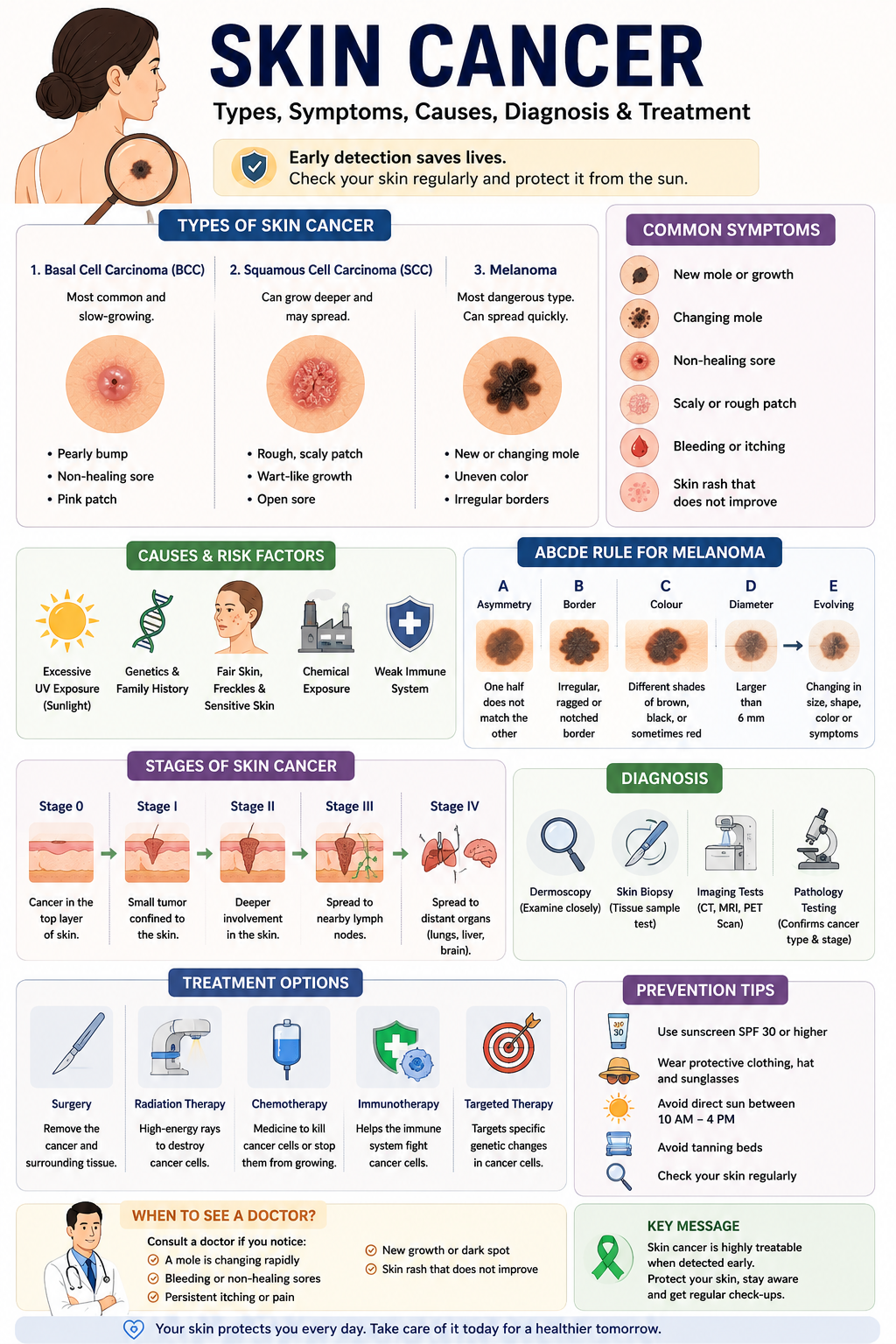
Skin cancer occurs when abnormal skin cells grow uncontrollably, often due to long-term sun exposure, genetic factors, or chemical exposure. The main types include Basal Cell Carcinoma (BCC), Squamous Cell Carcinoma (SCC), and Melanoma, with melanoma being the most aggressive. Early signs include changing moles, non-healing sores, scaly patches, and unusual skin growths. Doctors diagnose skin cancer using dermoscopy, biopsy, and imaging tests.
Treatment depends on the stage and may involve surgery, radiation therapy, chemotherapy, immunotherapy, or targeted therapy. Although less common in India than in Western countries, awareness and early detection are essential to improve outcomes and reduce complications.
Key Takeaways
|
Introduction: What Is Skin Cancer and Why India Needs to Pay Attention
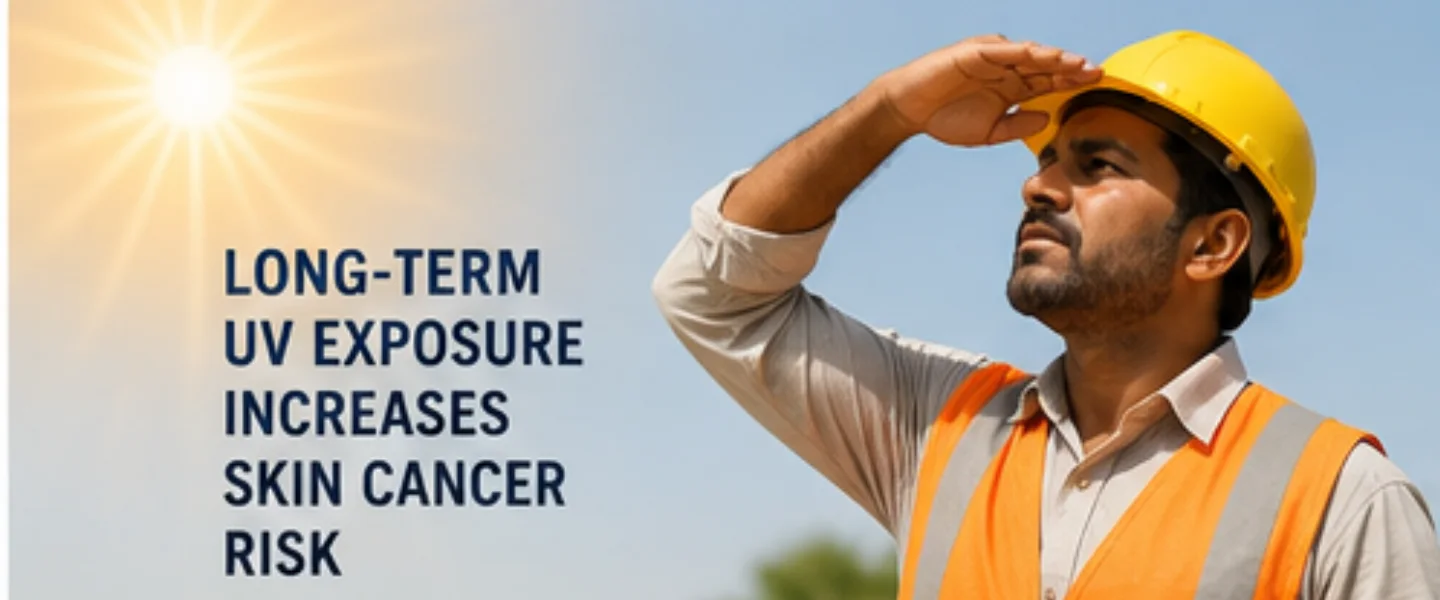
Most people in India worry about heart disease or diabetes long before they think about skin cancer. That is exactly why many cases get diagnosed late. Skin cancer starts when skin cells become damaged and begin growing abnormally. While excessive sunlight remains the biggest trigger worldwide, Indian patients also face risks from pollution, chemicals, chronic skin injuries, and occupational exposure.
Skin cancer can affect anyone regardless of skin tone. Early detection makes a major difference because treatment becomes simpler and outcomes improve significantly in the early stages.
Types of Skin Cancer
According to Dr Anil D'Cruz, Director, Oncology at Apollo Cancer Centres and former President of the Union for International Cancer Control (UICC), awareness and early diagnosis remain the biggest challenges in cancer care in India. He emphasises that unusual skin growths, changing moles, or non-healing wounds should never be ignored because early-stage skin cancer is often highly treatable.
Skin cancer is not one single disease. Doctors classify it into different types based on the skin cells involved.
1. Basal Cell Carcinoma (BCC)
Basal Cell Carcinoma is the most common and slow-growing form.
Common Features
Pearly or shiny bump.
Non-healing sore.
Pink patch or scar-like area.
Usually appears on sun-exposed skin.
BCC rarely spreads to distant organs, but untreated cases can damage nearby tissues.
2. Squamous Cell Carcinoma (SCC)
Squamous Cell Carcinoma develops from squamous skin cells.
Common Features
Rough or scaly patch.
Wart-like growth.
Open sore that bleeds.
Thickened skin lesion.
SCC has a higher risk of spreading than BCC when diagnosed late.
3. Melanoma
Melanoma is the most dangerous form of skin cancer.
It develops from melanocytes, the pigment-producing cells in the skin.
Warning Signs
New mole,
Changing mole,
Uneven colour,
Irregular borders,
Bleeding or itching mole.
Melanoma spreads aggressively if left untreated.
How Common Is Skin Cancer in India?
Skin cancer is less common in India compared to Western countries, but cases are steadily increasing.
According to the Indian Council of Medical Research and GLOBOCAN 2020 data, non-melanoma skin cancers account for a growing percentage of cancer cases in India, especially among outdoor workers and elderly populations.
Why India Is Seeing More Cases
Increased UV exposure.
Climate change and heatwaves.
Delayed diagnosis.
Occupational exposure.
Skin Cancer Causes and Risk Factors
Several factors increase the risk of skin cancer.
Excessive UV Exposure
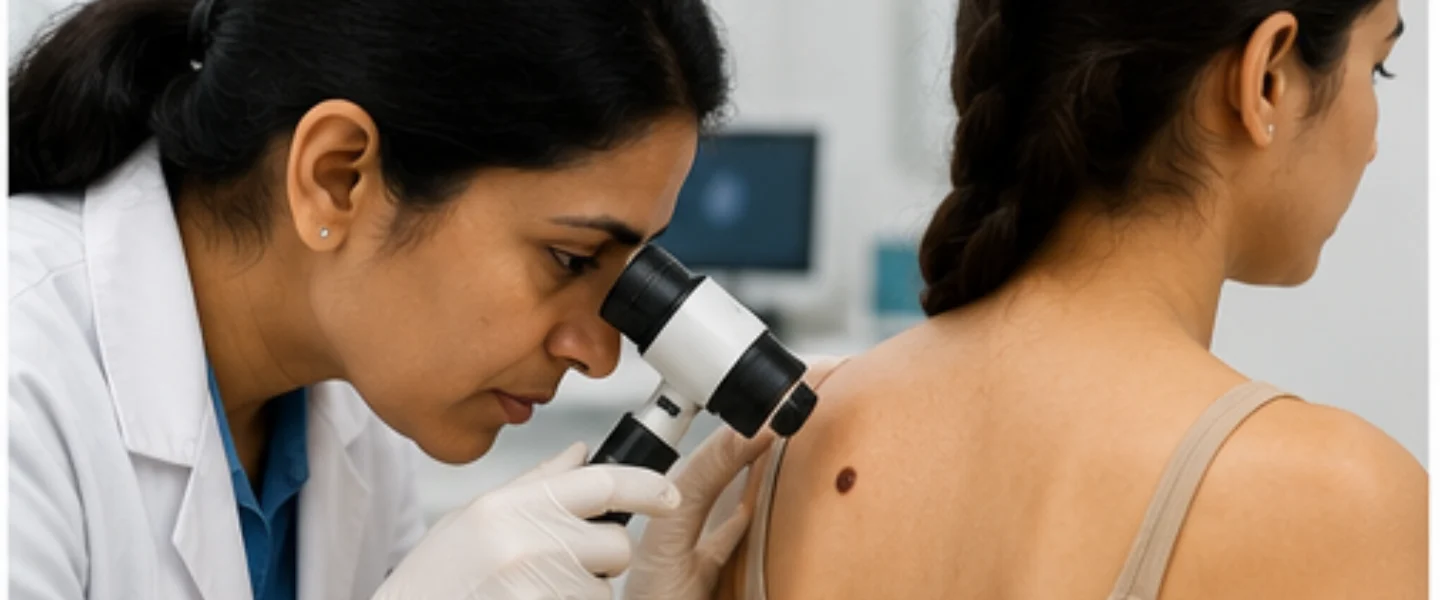
Ultraviolet radiation from sunlight damages skin DNA over time.
High-risk groups include:
Farmers.
Construction workers.
Traffic police.
Outdoor labourers.
Genetics and Family History
A family history of skin cancer increases personal risk.
Certain inherited conditions also raise melanoma risk.
Skin Type
People with:
Fair skin,
Light eyes,
Freckles,
Sensitive skin.
have a higher risk, though darker skin does not provide complete protection.
Chemical Exposure
Long-term exposure to:
Arsenic,
Industrial chemicals,
Coal tar,
Radiation.
can increase cancer risk.
Weak Immune System
People taking immunosuppressants after an organ transplant face a higher skin cancer risk.
Skin Cancer Symptoms Overview
Early-stage skin cancer often looks harmless. That is what makes it dangerous.
Common Symptoms
New mole or growth,
Non-healing wound,
Scaly patch,
Bleeding skin lesion,
Dark spot changing shape,
Persistent itching,
Skin rash that does not improve.
ABCDE Rule for Melanoma
The Indian Council of Medical Research and National Centre for Disease Informatics and Research (NCDIR) recommend early detection, awareness of suspicious skin changes, sun protection, and timely biopsy for suspected skin cancers.
Indian cancer control programmes also encourage regular screening and faster referral for high-risk patients.
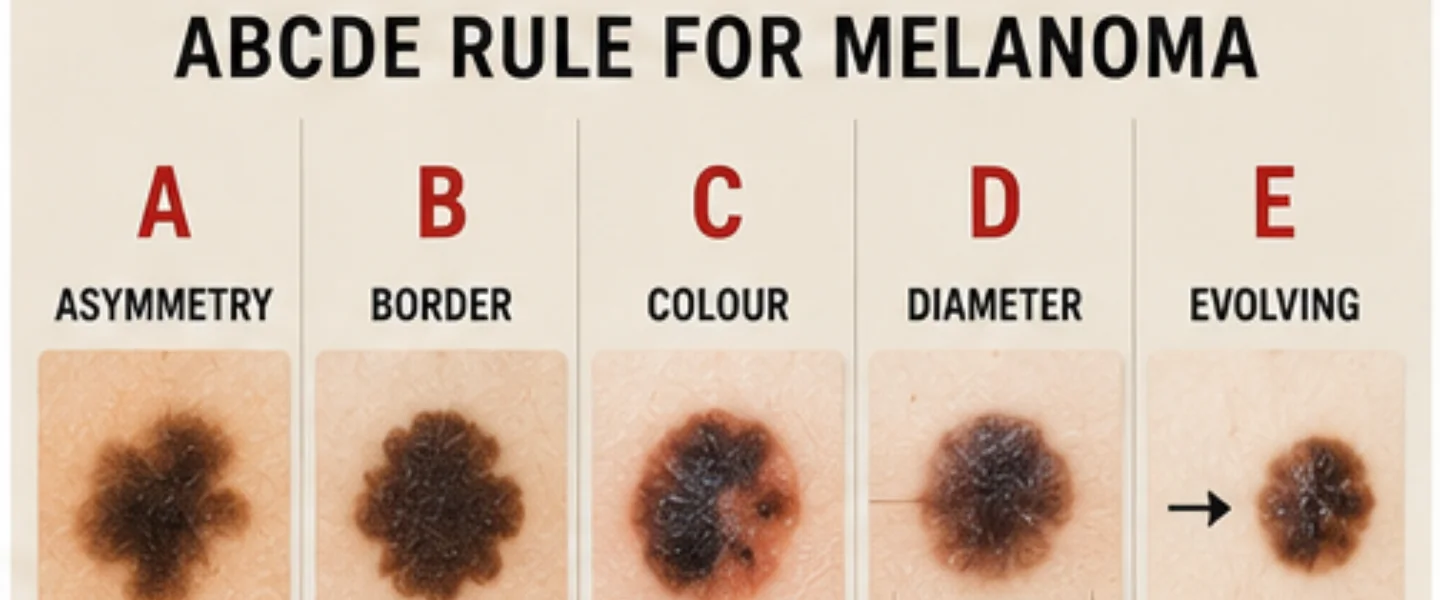
Doctors use the ABCDE rule to identify suspicious moles.
Letter | Meaning |
|---|---|
A | Asymmetry |
B | Border irregularity |
C | Colour variation |
D | Diameter larger than 6 mm |
E | Evolving or changing lesion |
Any mole showing these changes needs medical evaluation.
Skin Cancer Stages
Doctors classify skin cancer from Stage 0 to Stage IV.
Stage 0
Cancer remains limited to the top skin layer.
Stage I
Small localised tumour without spread.
Stage II
Larger tumour with deeper skin involvement.
Stage III
Cancer spreads to nearby lymph nodes.
Stage IV
Cancer spreads to distant organs, such as the lungs, liver, or brain.
Earlier stages have significantly better treatment outcomes.
Skin Cancer Diagnosis
Doctors combine clinical examination with laboratory testing.
Dermoscopy
A special magnifying device helps examine suspicious skin lesions closely.
Skin Biopsy
This remains the gold standard for diagnosis.
Doctors remove a small tissue sample and examine it under a microscope.
Imaging Tests
Advanced cancers may require:
CT scan,
MRI,
PET scan.
to check the spread.
Pathology Testing
Pathologists confirm:
Stage.
Aggressiveness.
This guides treatment planning.
Skin Cancer Treatment Overview
Treatment depends on:
Cancer type.
Stage.
Tumour size.
Overall health.
Surgery
The most common treatment for early-stage skin cancer.
Doctors remove the tumour along with the surrounding tissue.
Radiation Therapy
Uses high-energy rays to destroy cancer cells.
Often used when surgery is difficult.
Used in advanced or metastatic cases.
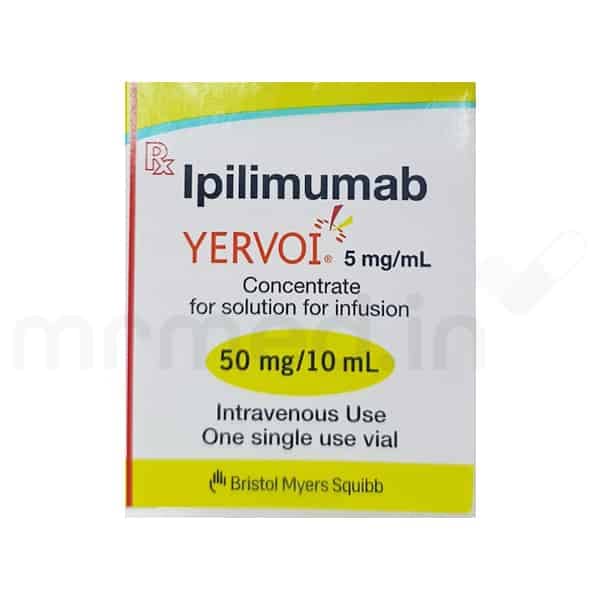
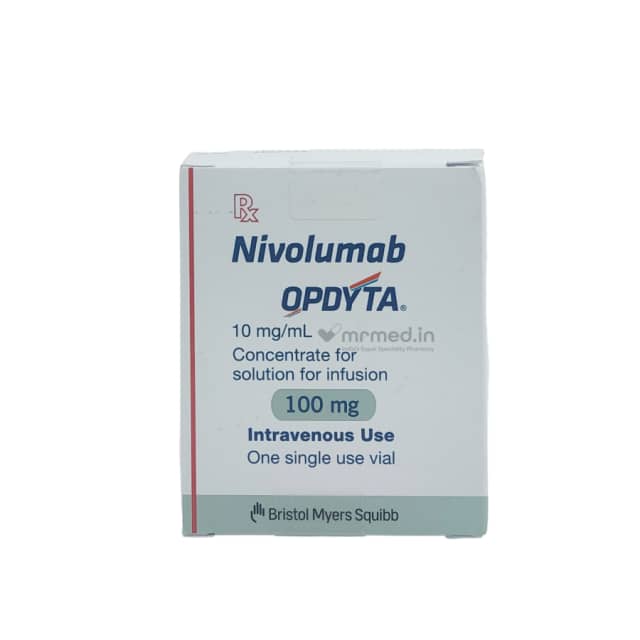
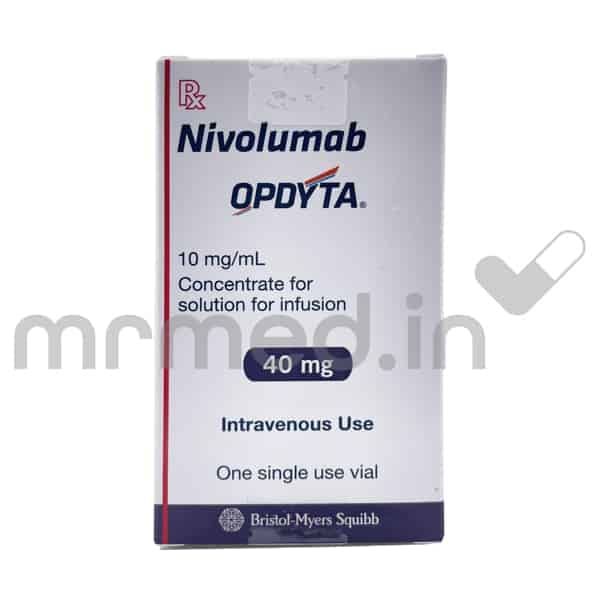
Immunotherapy
Immunotherapy helps the immune system attack cancer cells.
This has significantly improved outcomes in melanoma treatment.
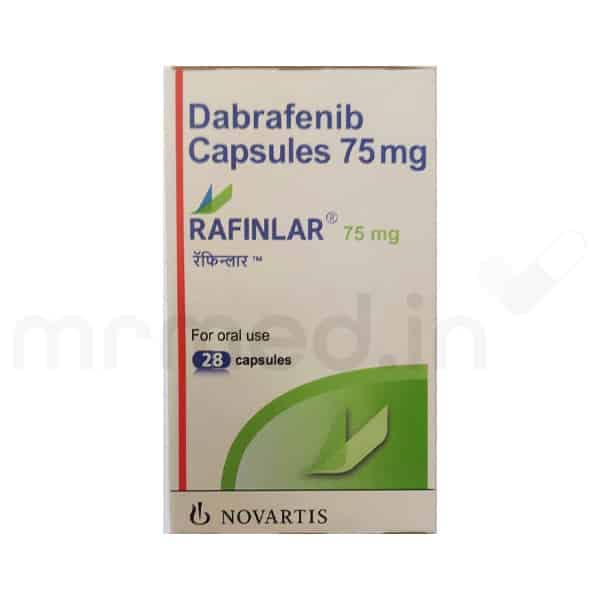
Targeted Therapy
Some advanced melanomas respond to drugs targeting specific genetic mutations.
Is Skin Cancer Curable?
Yes. Many early-stage skin cancers are highly treatable and often curable.
BCC and SCC usually have excellent outcomes when treated early.
Melanoma becomes more difficult to treat once it spreads.
Early diagnosis remains the biggest factor affecting survival.
Skin Cancer Prevention
Prevention reduces risk significantly.
Protect Yourself From UV Exposure
Use sunscreen SPF 30 or higher.
Wear hats and protective clothing.
Avoid direct midday sun.
Check Your Skin Regularly
Look for:
Changing moles.
New growths.
Persistent wounds.
Avoid Harmful Chemicals
Use proper protective equipment if working with industrial chemicals.
Seek Early Medical Attention
Never ignore persistent skin changes.
Skin Cancer in India
Indian patients often get diagnosed late because awareness remains low.
Regional Trends
Higher cases are reported in:
Coastal regions.
Hot climate zones.
Industrial areas.
High-Risk Occupations
Farmers.
Welders.
Outdoor labourers.
Factory workers.
Awareness campaigns are slowly improving early detection.
When Should You See a Doctor?
Consult a doctor if you notice:
A mole is changing rapidly.
Bleeding skin lesions.
Persistent itching.
Non-healing sores.
Sudden skin rash changes.
Do not self-diagnose using online skin cancer images alone.
Frequently Asked Questions
1. Is skin cancer curable?
Yes. Early-stage skin cancer is often curable with proper treatment.
2. What is the most dangerous skin cancer type?
Melanoma is the most aggressive form because it spreads quickly.
3. Can dark-skinned people get skin cancer?
Yes. Skin cancer can affect all skin tones.
4. What causes skin cancer?
Major causes include UV exposure, genetics, chemicals, and weakened immunity.
5. What does early-stage skin cancer look like?
It may appear as a new mole, scaly patch, or non-healing sore.
6. Can skin cancer spread?
Yes. Untreated cancers can spread to lymph nodes and organs.
7. Is sunscreen necessary in India?
Yes. UV exposure in India remains high year-round.
8. How is skin cancer diagnosed?
Doctors use dermoscopy, biopsy, imaging, and pathology testing.
9. What is non-melanoma skin cancer?
It mainly includes BCC and SCC.
10. Is melanoma common in India?
Melanoma is less common but often diagnosed late.
11. Does skin cancer itch?
Sometimes. Persistent itching can be a warning sign.
12. Can a skin rash be cancer?
Certain persistent rashes may require evaluation.
13. Is skin cancer painful?
Early stages are often painless.
14. Can skin cancer come back?
Yes. Follow-up monitoring remains important.
15. What is skin cancer ICD-10?
ICD-10 codes classify diseases for medical documentation and billing.
16. Does pollution increase skin cancer risk?
Emerging research suggests pollution may contribute indirectly.
17. Can immunosuppressants increase skin cancer risk?
Yes. Organ transplant patients face a higher risk.
18. Which doctor treats skin cancer?
Dermatologists, oncologists, and surgical oncologists.
19. Is a biopsy painful?
Most biopsies involve minimal discomfort.
20. How can I reduce my risk?
Sun protection and early screening help significantly.
Final Thoughts
Skin cancer often starts quietly. A small mole, a rough patch, or a wound that refuses to heal may seem harmless initially. Ignoring these signals is where problems begin. Early detection changes outcomes dramatically.
India still lacks strong public awareness around skin cancer, especially among outdoor workers and high-risk groups. Paying attention to skin changes, protecting yourself from excessive sunlight, and seeking timely medical advice can make a real difference. Your skin reflects more than appearance. Sometimes, it signals something serious beneath the surface.
Read Also
References
Sung H, Ferlay J, Siegel RL, Laversanne M, Soerjomataram I, Jemal A, et al. Global cancer statistics 2020: GLOBOCAN estimates of incidence and mortality worldwide for 36 cancers in 185 countries. CA Cancer J Clin. 2021;71(3):209–49. Available from: https://acsjournals.onlinelibrary.wiley.com/doi/10.3322/caac.21660
Huang Z, Huang X, Li Z, Tao J, Chen X, Mao F, et al. Recent global patterns in skin cancer incidence, mortality, and prevalence. Front Oncol. 2024;14:1–12. Available from: https://pmc.ncbi.nlm.nih.gov/articles/PMC11745855/
Al-Khulaidi GA, Al-Rubaidi BS, Almudaiheem L, Alotaibi S, Al-Faifi M, Alotaibi A, et al. Overview of skin cancer types and prevalence rates across continents. Int J Surg Open. 2024. Available from: https://www.sciencedirect.com/science/article/pii/S2949713224000582
Disclaimer
This article is for general informational purposes only and is not a substitute for professional medical advice, diagnosis, or treatment. Skin cancer symptoms and treatment responses can vary from person to person. Do not ignore suspicious skin changes, new moles, or non-healing sores. Always consult a qualified dermatologist or oncologist for proper evaluation and personalised medical guidance. Never self-diagnose based on online images or delay medical care due to information found online.
















Comments